

Key Highlights
-
Nigerian greetings are different in each area, with the country showing off its many cultures.
-
People change how they greet based on age, social status, or what time of day it is.
-
Body language, like kneeling or laying flat, is a big sign of respect in Nigeria, especially when greeting elders.
-
Main groups, such as the Hausa, Igbo, and Yoruba, each have their own way of greetings.
-
Nigerian Pidgin gives people simple greetings that many understand, like saying “How far?”
-
Knowing these customs can bring a little bit of joy and help people connect better with others in Nigeria.
Introduction
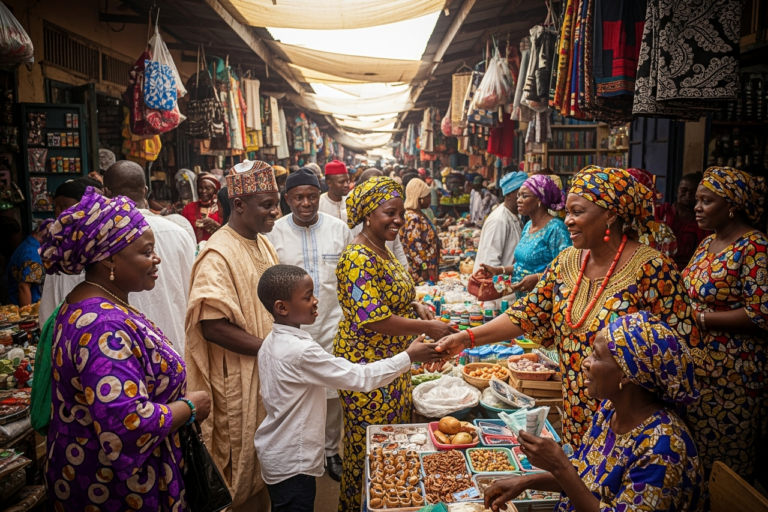
Welcome to the lively world of Nigerian greeting customs! In Nigeria, greetings are much more than a quick “hello.” They are an important sign of respect and help people connect with a little bit of joy every day.
When you greet someone, you use body language as well as words. These traditional Nigerian greetings sometimes change depending on social status. Some greetings can be simple, but others can be more formal. All of them show that people in Nigeria care about being polite and showing kindness.
Learning how to use these greetings will help you move through social settings in Nigeria with warmth and ease. It’s the first step to making friends and being part of happy moments with others.
Common Greeting Customs in Nigeria You Should Know
Nigeria is home to many groups of people, and the ways people say hello are just as many. Some people use words, but others use body language to show respect. In many cases, a traditional Nigerian greeting depends on who the other person is and what their social status is. It also matters what time of day it is.
From the formal way the Hausa greet, to the lively phrases used in Nigerian Pidgin, every greeting is a way to connect with others. If you know how to use these greetings, you show respect for local ways and can bring a little bit of joy to your talks. Here are some of the most common greetings you will see in Nigeria.
1. Handshakes and Their Variations Across Regions
In many places in Nigeria, people use a handshake to greet each other. This is common and feels friendly. It is a lot like how it is done in Western cultures. But, how you do it and what it means can change. If you greet someone who has higher social status or someone who is older, you may give a slight bow or use your left hand to hold your right wrist as you shake hands. This is a sign of respect.
For the Igbo people, men will shake hands when they meet. But women may hug each other more often. This shows that your body language and if you are a man or a woman, has a part to play in greetings people follow. When it comes to how strong or long the handshake should be, both can show how close you are with the other person, or your warmth.
So, in Nigeria, a handshake is simple but has layers of social meaning. Watch how other people do it and notice the body language of those around you. Doing this will help you know what to do and show respect to all, no matter their social status. By using the right body language, you show you care about these local ways and give everyone a sign of respect.
2. Greetings in Yoruba: “Bawo ni” and Cultural Significance
In the Yoruba culture, greetings are not just about saying hello. The people use them every day, and it is a big way to show a sign of respect. One greeting you will hear a lot is “Bawo ni?” which means “How are you?” But when you answer, or even the way you say it, these can change based on the other person’s social status and how old they are. The words you use for a friend may not be what you say to an older person.
The traditional Nigerian greeting system can seem tricky. For example, younger people will greet older people first. This is part of the culture. The greeting is not always just words. With elders, men often lie flat on the ground to show respect, and women will kneel.
These greetings help keep the values and order of the group in place. The many types of Yoruba greetings, like those for holidays or for a woman who is going to have a baby, show how important it is to see each person’s place in the group.
3. Igbo Greetings: “Kedu,” “Ibo la chi,” and When to Use Them
In the Igbo culture, people use warm greetings. They see greetings as important for peace between everyone. One of the most used greetings is “Kedu?” It means “How are you?” You can use this greeting many times in the day with friends and family. The normal way to answer is “O di mma,” which means “I am fine.”
There is also a morning greeting that is a big part of Igbo life. People say, “Ibo la chi?” This means, “Have you woken up?” This question is more than just asking if someone is out of bed. It is a way of caring about the other person. It checks that everyone got into the new day safe and well. The greeting comes from the traditional Nigerian greeting style where the time of day matters in greetings.
Body language is also a sign of respect in Igbo culture. Men shake hands when they greet. Igbo women welcome each other with hugs. These greetings and the way people use body language show happiness, care, and respect for other people. The way you greet someone and how you act with them is a big part of life for the Igbo people.
4. Hausa Greetings: “Sannu,” “Ina kwana,” and Etiquette
The Hausa people in Northern Nigeria are known for their greeting style. They follow old ways when meeting others and always show a sign of respect. The word “Sannu” is very popular. People use it to say hello or welcome. You can use it in almost any social time and it is seen as friendly and good.
In the morning, people say “Ina kwana?” It means “How did you sleep?” After that, people often ask about your family, your work, and how you are feeling.
Body language plays a big part in a traditional Nigerian greeting too. It shows the other person their social status and that you respect them. If you are greeting someone older or with higher social status, it is common for boys and men to squat. This is a strong sign of respect in Hausa.
Hausa men do not prostrate like others might in other cultures. They squat instead because prostrating is very close to religious practice in Islam, and that means a lot to the people there. By following this traditional greeting, you show you know how to give respect and keep the social order in their group.
5. Pidgin English Greetings: “How far?” and Modern Usage
Nigerian Pidgin is a lively language spoken by many people in Nigeria. It helps connect people from different backgrounds. Greetings in Nigerian Pidgin are a big part of the country’s modern way of life. The most well-known greeting is “How far?” It does not have to do with how far something is. This is a casual way to say “How are you?” or “What’s up?” You can hear this greeting almost everywhere in Nigeria, from the busy streets of Lagos to places on the internet like TikTok.
People use this language a lot when talking with friends or among young people. It helps build a good feeling of friendship right away. If someone says “How far?” you can answer with “I dey” or “I dey fine.” Both mean “I’m doing well.” The way you talk and your body language can add even more meaning.
Greetings in Nigerian Pidgin show how the way people talk in Nigeria is always changing. They give an easy and open way to say hello. These greetings are great for informal get-togethers or hanging out with friends. They help people feel close in a simple and friendly way.
6. Respectful Gestures: Kneeling, Prostrating, and Other Traditions
In Nigeria, your body language means a lot when you say hello, especially if you want to show respect. These actions are a big part of traditional Nigerian greeting. The way people do these things is closely linked to their age and social status. If you are from another country, knowing and practicing these actions in the right way is a great sign of respect.
The Yoruba people are famous for their greeting methods.
-
Prostrating: At a greeting, a man will lie face down on the floor when he greets someone older.
-
Kneeling: A woman will kneel, using one or both knees.
For the Hausa group, someone younger will squat when greeting an elder. If you come from outside Nigeria, you may not have to fully do these acts. But trying to show you respect their ways, for example with a small bow or even by bending your knees, will be a good sign. It shows you understand their traditions and care about their social status.
7. Time-Sensitive Greetings: Morning, Afternoon, and Evening Customs
Acknowledging the time of day is a common feature of many greeting customs in Nigeria. This practice shows attentiveness and is woven into the fabric of daily interactions across different ethnic groups, including the Yoruba, Hausa, and Efik. These greetings are more than just a formality; they are a way to wish someone well for that part of the day.
For example, in Yoruba, you would say “E kaaro” in the morning, “E kaasan” in the afternoon, and “E kaale” in the evening. Each greeting is specific and demonstrates respect. The body language used, such as kneeling or a slight bow, might still accompany these verbal greetings, depending on the social status of the person you are addressing.
This shows how a traditional Nigerian greeting is multi-layered. Below is a simple table showing some time-based greetings.
|
Time of Day |
Language |
Greeting Phrase |
|---|---|---|
|
Morning |
Yoruba |
E kaaro |
|
Morning |
Hausa |
Ina kwana? |
|
Afternoon |
Yoruba |
E kaasan |
|
Evening |
Yoruba |
E kaale |
8. Greeting Elders and Authority Figures: Rules of Respect
Respect for elders is very important in Nigerian culture. The way people say hello shows this the most. When you talk to someone older or who is in charge, there are special rules to follow. The main rule is that the younger one always says hello first. This is a sign of respect. It shows that the older person has a higher social status.
The form of a traditional Nigerian greeting is different in every group. In Yoruba culture, men must lie down and women must go down on their knees. In Hausa culture, the younger ones squat when greeting elders. These acts use body language to show respect. People do not see these moves as anything bad. They see them as the right way to act and an important part of keeping order in the group.
If you plan to visit or speak with people from Nigeria, you need to follow these customs and greetings. You do not have to do everything just right, but you should show respect for their ways. Stay away from casual greetings, look at the person in a kind way, and use polite words. When you do this, you show you know about and care about their culture, their social status, and the sign of respect they value so much.
9. Greetings Among Friends and Family: Informal Expressions
When you greet friends or family in Nigeria, things are much more laid-back. The rules about showing who is higher in order get softer in these moments. People focus more on warmth and showing they care. Friends often shake hands. Sometimes, they snap their fingers at the end of the handshake just for fun. Close friends and family also like to hug each other.
This is the time when Nigerian Pidgin is used the most. People use relaxed greetings like “How far?” or “Wetin dey happen?” to ask what’s going on. These greetings help people feel at home right away. The body language is much easier and open, with big smiles, laughter, and some lively hand movements. All of this brings a little bit of joy to the meeting.
These casual greetings make people feel like they belong and draw everyone close together. It’s not really about who is on top or being shown respect for their place. It’s about friendship and family ties. In this kind of greeting, you can see the cheerful heart and group feeling of Nigerian culture.
10. Business and Formal Greetings in Nigeria
In Nigeria, people use formal greetings at work. A business greeting is very important. It helps show you are serious and that you respect others. Most people greet with a firm handshake. They also look the other person in the eye and give a polite smile. When you go into a room, greet the person with the highest social status first. This shows respect for their position.
It’s important to use the right titles. Say “Mr.,” “Mrs.,” “Dr.,” “Director,” or another title with the person’s last name. This is a clear sign of respect in Nigeria. If you stop using these titles too soon, people may think you are being too friendly or not showing enough respect.
Even though things are formal, people still follow the basic rules of Nigerian culture. Always be polite, respect social status, and use good body language. Take a moment for greetings and small talk before you start to talk about business. This is the way to build strong work relationships in Nigeria.
Conclusion
To sum up, knowing about greetings in Nigeria is important if you want to connect with the country’s rich culture. There is meaning behind every handshake and word used in different parts of Nigeria. Each greeting shows a special way people show respect and build a bond. So, being aware of these customs, whether you talk to elders, friends, or at work, can make your talks better and help you show true respect for Nigerian culture. As you use these greetings, remember that a big smile and an open heart are always good ways to show you come in peace. Don’t be afraid to try these greetings for yourself. It will make your time in Nigeria better. If you want to know more about greetings in Nigeria, or have any questions about Nigerian ways, you can reach out to us!
Frequently Asked Questions
What makes Nigerian greetings unique compared to other countries?
What makes greetings in Nigeria stand out is the way people use body language and show social status. In a traditional Nigerian greeting, people may kneel down or even lie flat in front of someone older. This shows a big sign of respect for elders. People tie what they say and what they do to who has a higher or lower place in the group. Because of this, greetings in Nigeria feel full and rich. They show how much people care about these traditions.



