

Key Highlights
-
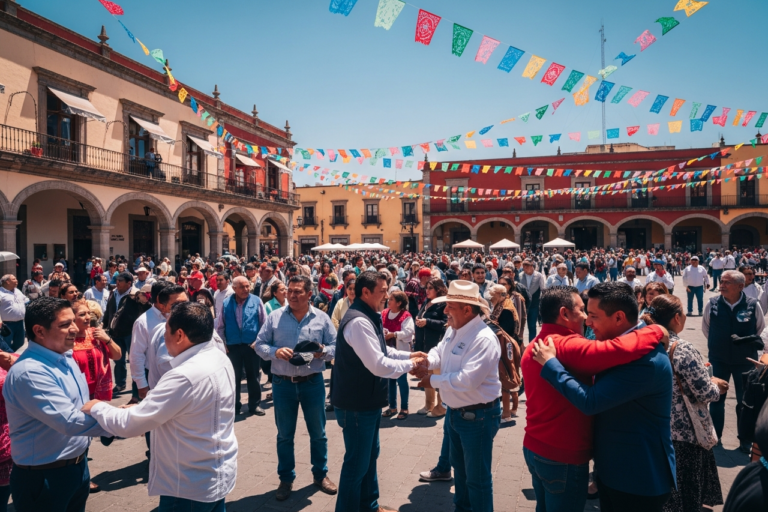
In Mexico, people usually start a greeting with a firm handshake. They also give a smile and look you in the eye, mostly in formal settings.
-
People often use “Hola” in Mexican Spanish for a simple hello. For “good morning,” they say “buenos días.”
-
Informal greetings with friends and family can be warmer. There might be a hug or a light kiss on the cheek.
-
It is important to show respect when greeting older people or strangers. People use formal language during these times.
-
In Mexico, a greeting means more than just saying a word. It opens the way for a friendly talk, maybe about how your family is doing or your well-being.
-
Giving a handshake is common, but in some groups, like in certain indigenous areas, a small nod is better.
Introduction
Have you ever thought about the best way to say hello in Mexico? Knowing the local ways to greet people can help you make real connections. In Mexico, greetings are very important in the culture. They show people that you care and that you respect them. When you use a warm “Hola” or give a polite handshake, it changes how the whole talk starts. The greeting you use can make everything that comes next go well. This guide will help you learn about all the little things in a mexican greeting so you can speak with confidence and respect in any social time.
The Role of Greetings in Mexican Culture
In Mexico, a greeting is not just a formality. It is a big part of daily life. Mexicans use greetings to show respect, to connect with people, and to say they see others. When you walk into a shop or meet someone new, you should always greet them. It is a sign of good manners and that you care about their culture.
Because people in Mexico value being close with others, greetings in Spanish are really important. If you do not greet someone, it can look rude. But if you say hello in a warm way, you can make a good first impression and open new doors. Let’s look at why these first moments mean so much and how being polite is found in every greeting.
Why Greetings Matter in Everyday Mexican Social Interactions
Greetings play a big part in social life in Mexico. They help to build a feeling of respect and warmth. When you walk into a small shop or a doctor’s office in Mexico, it is common to greet the workers by saying “buenos días” or “buenas tardes.” Doing this tells them you see them as people, not just staff there to serve you.
Mexicans think these short greetings are very important in daily life. Picture a shopkeeper who hears greetings every time someone comes in. If you are a tourist and you say nothing, get what you want, and leave without a word, it might give a bad idea about you. Taking a few seconds to say a polite greeting helps you fit in. It shows you care and are a good guest in Mexico.
In the end, using small, polite greetings makes a big difference. You do not need perfect Spanish. Just saying a greeting shows you care and respect the people and their way of life. This small act helps you have better talks with people and gives you a better time in Mexico.
Significance of Politeness and Respect in Mexican Greetings
Politeness and respect are very important when you greet someone in Mexico. This is true when you meet new people and when you talk with older people. People often use formal titles to be respectful. Men are called ‘Señor’ (Mr.), and women are called ‘Señora’ (Ms.), and you should say their last name after that.
You may also hear people use special titles for elders. If you want to show even more respect, you can call an older man ‘Don’ with his first name, or call an older woman ‘Doña’ with her first name. This means you see them as wise and you hold them in high regard.
When you meet someone for the first time, the usual greeting is a firm handshake with a friendly smile. It is good to look the person in the eye, too. When you add some polite words, your handshake lets the other person know that you respect them. This warm, respectful greeting is very important in Mexican culture, especially when meeting older people.
Common Ways to Say Hello in Mexico
Knowing how to say hello is the first thing you need when you want to talk to people in Mexico. The most common and simple way to greet someone is “Hola” (Hello). You can say this any time of day to almost anyone. But, the people in Mexico often use different greetings based on the time of day. This shows more respect and that you know their way of life.
For example, “buenos días” means good morning. You use this when it’s early and you want to start your meeting with kindness. These easy greetings are simple to pick up and the people you meet will like that you use them.
Let’s see how you can use “Hola” well and find out which greeting fits best for the time of day.
Using “Hola” and Other Popular Phrases
“Hola” is the most common greeting in Mexico. You can use it with friends, family, or in any casual spot, like a market. It’s a nice and quick way to say hello, and it can fit any time of day. People in Mexico often ask a friendly question after saying “Hola,” which is normal.
Even though “Hola” is friendly, there are other ways to say hello, too. If you want to be a bit more polite, you can use a time-based greeting. Saying “buenos días” (good morning) is great when you walk into a store or speak with someone new. If you are not sure what to say, a time-based greeting is a good idea. It’s always safe, and people see it as polite. You can also say “buen día” (good day) anytime in the morning, and it works fine.
Here are some other popular informal greetings:
-
¿Qué tal? – What’s up?
-
¿Cómo estás? – How are you?
-
Buen día – Good day (this is a little more casual than “buenos días”)
Greetings for Different Times of Day (“Buenos días”, “Buenas tardes”, “Buenas noches”)
Yes, greetings in Mexico definitely change depending on the time of day. Using the correct phrase shows that you are attentive and respectful of social norms. It’s a simple way to make a great first impression.
The day is typically divided into three parts for greetings. You use “buenos días” in the morning, “buenas tardes” in the afternoon, and “buenas noches” in the evening. It’s interesting to note that “buenas noches” works for both “good evening” and “good night,” so you can use it when arriving at a dinner party or when leaving to go to bed.
If you ever feel unsure about when morning turns into afternoon, you can use the general phrase “buen día” (good day), which works well for most of the day. Here is a simple guide:
|
Greeting |
English Translation |
When to Use |
|---|---|---|
|
Buenos días |
Good morning |
From early morning until noon |
|
Buenas tardes |
Good afternoon |
From noon until the evening sun has set |
|
Buenas noches |
Good evening/night |
After sunset, for both arrival and departure |
Formal vs Informal Greetings in Mexican Spanish
Knowing the difference between formal and informal greetings can help you in social situations in Mexico. The way you greet a good friend will not be the same as how you greet someone you work with or an older person. In Mexican Spanish, people have clear ways to show respect or to act more friendly.
This difference is important because it helps people get along and shows you understand the culture. Informal greetings feel warm and close. Formal greetings show respect and are polite. Let’s look at when you should use formal phrases and when to change your greeting for friends, family, or people you do not know.
When to Use Formal Greetings (“Mucho gusto”, “¿Cómo está?”)
Formal greetings are important in Mexican Spanish when you want to show respect. You should use them if you meet someone for the first time. Use these greetings in business or when talking with older people. A common question is, “¿Cómo está?” This is the formal way to ask, “How are you?”
Another good phrase is “Mucho gusto.” This means, “Nice to meet you.” You should say this after someone introduces you to a person. Saying these things shows good manners. It also shows you know about respect and how people talk to each other in Spanish.
People use formal greetings when:
-
Talking to older people or someone who is the boss.
-
Speaking with people you don’t know, especially in work situations.
-
Meeting someone for the first time, to sound respectful.
Greeting Friends, Family, and Strangers—What’s Appropriate?
The way you greet people in Mexico depends a lot on who they are to you. If you are talking to friends or family, you can be warm and friendly. It’s common to say things like “¿Qué tal?” which means “What’s up?”, or use “¿Cómo estás?” for “How are you?” in a casual way.
But when you meet strangers or are in a formal place, you should be more polite. It’s good to say “Buenos días” or “buenas tardes” with a handshake. This shows respect and helps start things well.
When you get to know someone better, your greeting can change too. Maybe you shook hands with a new person at work at first, but later you might give them a hug. It is good to watch how others do their greetings and change your style as your connections grow.
Gestures and Customs Accompanying Greetings
In Mexico, saying hello is often more than just words. The way people use their body is a big part of showing warmth, respect, and that you want to be friends. You may notice a firm handshake or a friendly hug. These moves can say a lot and add meaning to every greeting. So, knowing body signals is as important as learning the words people use.
The way people greet each other depends on where they are and how well they know each other. A handshake is common for most people. But over time, greetings can get warmer and feel like close friends. Here, let’s talk about the usual gestures people use and how body language works in a Mexican greeting.
Handshakes, Hugs, and Kisses: Typical Physical Gestures
In Mexico, the most usual way to greet someone, especially when you first meet or in formal times, is to give a firm handshake. People should do this with a smile and by looking the other person in the eye. This shows you are open and sure of yourself. Everyone, both men and women, can use this gesture in most cases.
When you know people better, the way you greet them in Mexico gets warmer and more friendly. Friends, or even people who just know each other, often use a hug, called an “abrazo.” This hug is not tight. Most of the time, you give a few gentle pats on the back.
When women meet, they often greet each other with a kiss on the right cheek. Women also do this when they greet a man they know well. Men may do the same with women they know. It is not a real kiss, but more like you barely touch cheeks.
-
Handshake: This is how most people greet each other at first meetings or in formal times.
-
Hug (Abrazo): Friends and people who know each other use this greeting to show kindness.
-
Cheek Kiss: Women use this greeting with each other, and sometimes men and women use it, too, if they know each other well.
This is the usual way of greeting in Mexico, so knowing when to shake hands, hug, or give a cheek kiss can help you fit in.
Body Language and Eye Contact in Mexican Greetings
The way you act when you greet someone in Mexico says a lot. Good eye contact is very important. It shows that you are honest, sure of yourself, and that you respect the other person. If you look away, people might think you do not care, or that you are not telling the truth. So, look at the person with a friendly face when you say hello.
Smiling is also a big part of any greeting in Mexico. Go ahead and add a handshake with your smile and eye contact. If your smile is real, this will help people feel welcome right away. It shows them you are warm and mean well. This is the base for a good first meeting in Mexico.
At the same time, the greeting customs can be different in some places, like in indigenous groups. In some towns in Oaxaca, people may not touch as much, especially when saying hello to strangers. Sometimes, they just give a light handshake. Other times, a simple nod is enough. So, watch how the local people do things. From there, you will know the right way to show your respect with your greeting and body language.
Saying Goodbye in Mexican Culture
Just like it is important to say hello, it is also important to know how to say goodbye in mexico. A friendly goodbye helps keep a good feeling between you and the other person. If you leave without saying anything, people can feel it is not nice or a bit rude. People in mexico often use different phrases and simple actions to end a chat or meeting in a kind way.
It does not matter if you leave a shop or leave a party. Taking the time for a good goodbye is always a good thing. Here are some common ways to say goodbye and actions people use with those words. This helps you leave a good and friendly memory with the people you meet.
Polite Farewells and Common Parting Phrases
Using polite words when you say goodbye shows good manners in Mexico. “Hasta luego” is one of the most common ways to say goodbye. This means “see you later.” People use it a lot, even if they do not think they will see the person soon. It is friendly and neutral.
When you leave a store or a place where you ate, it is good to say “gracias,” which means thank you. After that, you can use another phrase to say bye. This shows that you respect the people there and had a good time.
You can use “buenas noches” to say both “good evening” and “good night.” Say good evening when you arrive somewhere at night. You also use good night when you are leaving to go home. Many people say goodbye in different ways:
-
Hasta luego – See you later
-
Adiós – Goodbye (this can sound more final, but people still use it often)
-
Nos vemos – See you (this is more casual and used with friends)
-
Cuídate – Take care
Gestures Used When Leaving or Ending an Interaction
Gestures are important when you say goodbye, just like they are when you say hello. Many people use a simple hand wave to say goodbye. You can do this in many places, like when you leave a shop or when you say goodbye to your friends from far away.
If you are with friends or family, you can use the same physical touch you did during the greeting. It is common to give another hug or a kiss on the cheek before you leave. This shows the warmth and keeps the close feeling in the relationship.
In a formal or business place, a handshake works as a greeting and for saying goodbye. Shaking hands after a meeting is a good way to finish. People often look at each other and say something polite, like “hasta luego,” when ending the talk.
Making Small Talk After Greeting
In Mexico, people often start with a greeting and then have a short, friendly talk. This kind of small chat is normal and expected in both small towns and in a big place like Mexico City. People do this to show they care about the one they are talking to, not just say hello and leave.
You do not have to talk for a long time or ask too many things. Simple questions or a few words can help you make a good connection with someone. This makes the meet-up feel better and more warm. Here are some things you can say or talk about with people in Mexico after you greet them for the first time.
Common Conversation Starters in Mexico
After you say hello to someone in Mexico, it is normal to take an interest in them. You can ask a simple question to go from the greeting to a nice talk. People do this in a busy market in Mexico City or in a small shop in another part of mexico.
Many people start small talk by asking how someone is doing or about their family. This lets the person know you care. You can do this even if you just met. Asking someone how their day is going can also be good.
You can use these common and easy questions after a greeting:
-
¿Cómo ha estado? – How have you been? (more formal)
-
¿Y la familia? – And the family?
-
¿Todo bien? – Is everything good?
-
Qué gusto verte. – It’s great to see you.
Cultural Topics and Safe Subjects to Discuss
When you talk with people in Mexico, it’s best to keep things positive or neutral. You can say nice things about the food, music, or how beautiful the area is. This is a good way to start talking. People in Mexico feel a lot of pride for their culture, and they like sharing it with guests.
Speaking about family is also a good topic. You can ask about their children. You can talk about your own family too. Family means a lot to mexicans, so asking about it shows you care and respect them.
You can also talk about travel, sports like soccer, or your hobbies. You should stay away from tricky subjects. Try not to talk about politics, religion, or crime, unless you know the other person really well. If you keep the talk easy and nice, everyone will have a good time.
Conclusion
To sum up, knowing how to greet people in Mexico helps you connect with others. Simple words like “Hola” show warmth, and things like gestures and body language also matter a lot. Greetings are a big part of life in Mexico. They show respect, kindness, and bring people together. When you meet someone or say goodbye, these customs can make your interactions better and smoother. It makes it easier to get along with people and be part of the community. So, when you visit Mexico, remember that a friendly greeting can lead to new chances and even lasting friends. If you want to know more or need your own tips, you can ask for a consultation!
Frequently Asked Questions
Should I use “hola” or a time-specific greeting in Mexico?
You can say “hola” for a casual greeting. But if you want to be more polite, try something like “buenos días” for “good morning.” This is good, especially when you meet someone you don’t know or when you are at work. If you are not sure what to say, a good morning greeting shows you know the local ways and people will see you as respectful.
Are greetings different when meeting someone for the first time?
Yes, when you meet someone for the first time in Mexico, greetings are often more formal. It helps to give a firm handshake and look the person in the eye. People like to use formal Mexican Spanish words such as “¿Cómo está?” or “Mucho gusto.” This shows respect from the start. Using these steps in Spanish makes a good first impression in Mexico.
What customs should I follow if I’m invited to a Mexican home?
When you are asked to a Mexican home, greet your host in a warm way. You can do this with a handshake or a hug if you know the person well. People often bring a small gift, like flowers, a dessert, or a bottle of wine. Always use good manners and let them know you are glad for their hospitality.



