

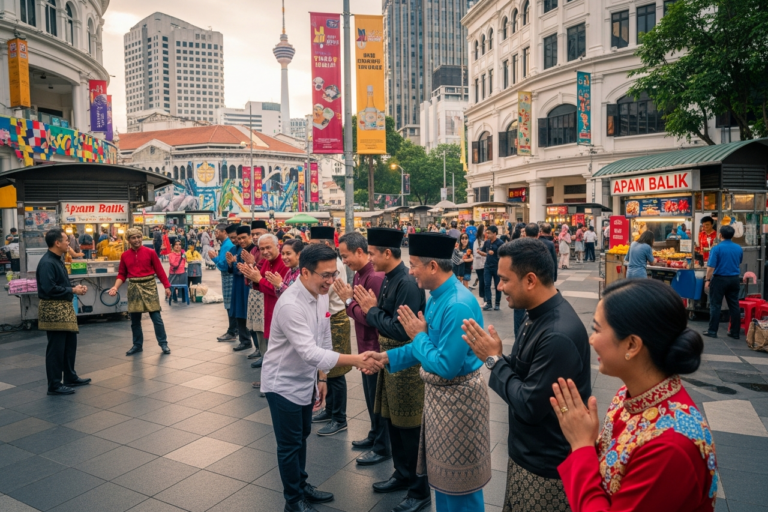
Key Highlights
Here are the key takeaways about greetings in Malaysia:
-
Malay greetings help you show respect and build good relationships with people.
-
“Selamat Pagi” means Good Morning, and “Apa khabar?” means How are you? These are common Malay greetings people use every day.
-
The right way to greet elders is important. You should greet them first and always show respect.
-
Handshakes are normal, but there are some customs, mostly for men and women.
-
Casual greetings like “Helo” work well when you are with friends or people your age.
-
Learning simple phrases and common Malay greetings show that you care about cultural awareness and politeness.
Introduction
Welcome to the beautiful and diverse nation of Malaysia! When you travel to Malaysia, one good way to get close to people is by learning how they say hello. In Malay culture, how you greet someone really matters. The way you say greetings can set the whole mood when you meet. Malaysians are warm and friendly. When you try to use local greetings, they will like it a lot. This guide will help you know the ins and outs of saying “hello” in Malaysia.
Common Ways to Greet in Malaysia
In Malaysia, the way you greet someone depends on where you are and what time it is. If you are in casual settings, you can say “Helo” or ask “Apa khabar?” Both are simple and friendly ways to talk to people.
Malay greetings change with different times of day. For example, you use “Selamat pagi” to mean “good morning.” People who are Muslim in Malaysia also say “Assalamualaikum” as a kind way to say hello. Let’s take a closer look at these malay greetings and what they mean.
Everyday Malaysian Greetings and Their Meanings
Getting the hang of common Malay greetings is a great step in your language learning journey. One of the most useful phrases is “Apa khabar?” which translates to “How are you?”. The typical response is “Khabar baik,” meaning “I’m fine, thank you.” These are perfect for informal greetings with people you meet.
For tourists, knowing a few essential phrases can make a big difference. Here are some simple greetings you should know:
-
Helo: A casual “Hello,” easy to remember and use.
-
Apa khabar?: The go-to phrase for asking how someone is.
-
Selamat tinggal: This means “Goodbye.”
Don’t worry too much about perfect pronunciation at first. Malaysians appreciate the effort. Here is a simple guide to some greetings and their pronunciation.
|
Malay Greeting |
English Meaning |
Pronunciation Guide |
|---|---|---|
|
Apa khabar? |
How are you? |
Ah-pa ka-bar? |
|
Khabar baik |
I’m fine |
Ka-bar बाइक |
|
Selamat tinggal |
Goodbye |
Suh-la-mat ting-gal |
Time-Based Greetings: Morning, Afternoon, and Night
In Malaysia, people like to change their greetings depending on the time of day. This trick helps you show you know their culture well, and it works best when you are in a formal place or doing business. The pattern is easy. You begin with the word “Selamat,” which means safe or peaceful. Then add the words for the time of day.
You can use the following phrases as greetings through your day to sound local.
-
Selamat pagi: Good morning. Use this in the early hours up to noon.
-
Selamat tengah hari: Good afternoon. Use this from noon until around 2 p.m.
-
Selamat petang: Good afternoon or evening. Use this from about 2 p.m. until evening.
When the day is ending, say “Selamat malam,” which means good night. Most people use this when they leave for the night or before bed. These time of day greetings are a good way to show respect in Malaysia.
Greeting Customs and Etiquette in Malaysia
Knowing how to greet people in Malaysia is more than just saying hello. You need to understand what is polite and what is not, as politeness matters a lot in Malay culture. Greetings are a big sign of respect in daily life, and help keep social harmony. The way you greet someone can really affect what they think of you. Being aware of their culture helps a lot.
When you follow a few customs, you can make a good impression. One example is to greet the oldest person first in a group. This tells them you respect them, which is important in Malay culture. Let’s now take a closer look at how you greet elders, and what you should know about body language.
Respectful Practices When Greeting Elders
When you meet someone older in Malaysia, it is good to show respect. The right way to give greetings or formal greetings to elders needs some steps and special words. Always say hello to the oldest person in the group first. Doing this is a sign of politeness. It shows you look up to their age and what they bring to the group.
You can use special words for older people even if you do not know them well. These words are not their real names but ways to show care and respect.
-
Call older men “pakcik” (uncle).
-
Call older women “makcik” (aunty).
If you want to use a more formal greeting, you may see people bow their head a little bit. Sometimes, they touch their forehead or the tip of their nose to the back of the oldest person’s hand. This means deep respect. Using these proper greetings in Malaysia will make you look good and people will welcome you.
Handshakes, Gestures, and Cultural Expectations
Yes, in Malaysia, people often shake hands when meeting, especially in formal settings or at work. The handshake is used by people from all backgrounds. But, you should also know about some cultural rules, mainly about men and women touching in public.
If you greet a Muslim woman, you should wait. If she puts out her hand, then you can shake it. If she does not do this, you can just smile and nod your head a little instead.
-
Another way to greet someone is by putting your right hand over your heart and giving a small nod.
-
For Muslim Malays of the same gender, using two hands for a handshake is a warm greeting.
Older Malaysian Chinese people may look down when saying hello. This means they respect you. Knowing these things helps you fit in and shows that you care about local habits, both in formal settings and day-to-day greetings.
Conclusion
In short, knowing the right greetings in Malaysia helps you connect with people and show respect for their culture. The way you say hello, the words you use, and the timing all matter in daily life and show that you understand local ways. If you use these greetings well, you will have better talks and enjoy your time more when you meet people in Malaysia. It does not matter if you live there or are just visiting. Using the right greetings in Malaysia will help you do well in many kinds of social situations. If you want to know more about greetings in Malaysia or have a question, just reach out to us!
Frequently Asked Questions
What are some simple Malay greetings every visitor should know?
Every visitor needs to know some essential phrases. The most common Malay greetings are “Selamat pagi” for good morning, “Apa khabar?” for how are you, and “Terima kasih” for thank you. You do not have to worry about perfect pronunciation. People will like that you try to use a Malay greeting.
How do you greet people formally versus informally in Malaysia?
For formal greetings, you should use titles like “Mr.” or “Mrs.” It’s good to give a handshake if that is the custom for the person’s gender. You can also use time-based greetings, for example, say “Selamat petang.”
For informal greetings with friends or people you know well, you can just say “Helo” or ask “Apa khabar?”.
Your language skills will get better when you notice these differences in greetings.
Are there differences in greetings among Malays, Chinese, and Indians?
There are common Malay greetings that people use every day, but each group in Malaysia has its own ways of greeting. A handshake is usual with all groups, but how it is done can change. It’s good to show some cultural awareness when you talk to others, even when you use casual greetings in daily interactions.



