

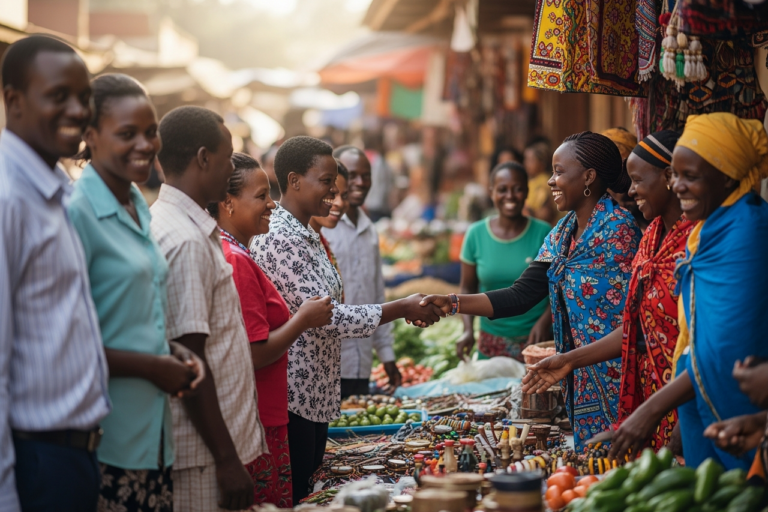
Key Highlights
-
Learning Swahili greetings helps you build good connections with people in East Africa.
-
People often say “Habari yako?” to greet each other, and “Jambo” is mostly used with tourists.
-
You need to show respect to older people and those who live in rural areas by using formal greetings like “Shikamoo.”
-
English is an official language, but when you use local greetings, it shows you care about their culture.
-
Young people in Kenya now use casual greetings like “Mambo” and “Vipi.”
-
Swahili greetings often change with the time of day, like saying “Habari za asubuhi” in the morning.
Introduction
Welcome to the bright world of Kenyan greetings! If you get to travel to east Africa, saying hello in the right way can change a lot about your trip. English is an official language there, but using some simple Swahili phrases helps you make more meaningful connections with people. For heritage speakers and for those who are new to learning, knowing these habits is a good way to work on your own personal growth and to understand the deep culture around you. This short guide will give you the important greetings that will help you feel sure when you talk to others.
Most Common Ways to Greet Someone in Kenya
If you want to know how to start a talk in Kenya, the most common greeting is “Habari yako?” This means “How are you?” or “What is your news?” in English. It is simple and friendly, and you can use it with almost anyone. People use it in both formal and casual talks. So, it is perfect when you start to learn Swahili greetings.
When you say “Habari yako?” to someone, you open up a world of opportunities to talk with them. While there are other casual greetings you can use, knowing this one helps you speak to people in many places. You can use it in city shops or country villages. It also shows you want to connect with people and care about what they say. Now, let’s find out about more Swahili greetings and what they mean.
Everyday Swahili Greetings and Their Meanings
Beyond a simple “hello,” Swahili greetings often depend on the time of day. This shows a deeper level of politeness and awareness. For instance, “Habari za asubuhi?” is how you would ask “How is the morning?” These time-specific greetings are a wonderful way to make your interactions feel more natural and respectful.
Another common phrase you might encounter is “Habari gani?” which is a more informal way of asking, “What’s the news?” It’s a friendly and casual alternative to “Habari yako?” Learning these key Swahili words will significantly enhance your ability to communicate. The typical response to these questions is “Nzuri,” meaning “good” or “fine.”
Here’s a quick guide to some essential Swahili greetings and their typical responses:
|
Swahili Greeting |
English Meaning |
Common Response |
|---|---|---|
|
Habari yako? |
How are you? |
Nzuri / Mzuri sana |
|
Habari za asubuhi? |
How is the morning? / Good morning |
Nzuri |
|
Habari za mchana? |
How is the afternoon? / Good afternoon |
Nzuri |
|
Habari za jioni? |
How is the evening? / Good evening |
Nzuri |
|
Habari gani? |
What’s the news? (Informal) |
Nzuri / Poa |
Kenyan Greetings in English and Local Languages
While Swahili is spoken by many people in Kenya, you should know that English is also an official language. If you are a native English speaker, it will be easy for you to talk with people in cities and in places where many tourists go. A lot of people in Kenya can speak English well, and they will often use English first with you, especially in work settings or big hotels.
But, Kenya has many different languages, with over 40 local ones. When you go to rural areas, you may hear greetings in languages other than Swahili or English. You do not need to know all of them, but being aware of this is a sign of respect. Native speakers of these local languages like it when you make any effort to learn about their culture.
Here are some ways greetings can mix different languages:
-
A basic “Hello, habari?” brings together English and Swahili.
-
When you are on a safari, the guide might say, “Good morning! Habari za asubuhi?”
-
In a shop, someone could say, “Hello, how are you?” Then they may add, “Karibu,” which means “Welcome” in Swahili.
Formal and Respectful Greetings in Kenya
In Kenyan culture, it is very important to show respect to older people. People do this in many ways. One common way is to greet others in a formal way. When you say hello to an older person, you should bow your head a little. It shows the other person that you respect them. Some people also put their left hand on their right forearm while they shake hands. This is another sign of respect.
This rule about respect is also found in the workplace. When you meet someone for business reasons, you should speak in a formal way. These gestures and words mean a lot. They are not just habits. They are a real part of how people are supposed to act with each other in Kenya. Now, let’s look at some words and phrases for formal situations.
Shikamoo and Proper Responses
One of the most important Swahili phrases you should know is “Shikamoo.” You use this special greeting as a sign of respect to older people and those who are in charge. It means that you show you know their status and you value them. The word “Shikamoo” is a big part of the culture and is used only for this kind of respect.
When you say “Shikamoo” to someone, it’s good to know how they will answer. The other person, usually older, will answer with “Marahaba.” This answer means they see and accept the respect you show. This talk is easy and clear but means a lot in Swahili life.
Keep in mind that “Shikamoo” is only for people who are older or in a higher position. You would not say it to someone the same age as you or younger. Knowing “Shikamoo” and some other Swahili phrases like this will help you talk with people in a kind way. You also show that you want to learn about their habits and respect them.
When to Use Formal Greetings with Elders and Strangers
Knowing when to use formal greetings is the key to making a good first impression in Kenya. The most important rule is to always use a formal greeting when you speak with elders. You do this in the city and in rural areas alike. It is a sign of respect that you do not ignore in Kenyan culture. It shows that you value their years and their wisdom.
You should also use a formal greeting the first time you talk to strangers, mainly if they are older than you. Using a polite and respectful tone helps start things well. If you are in a place that needs professional communication, like business meetings or office work, you are expected to use a formal greeting.
Here are some times when a formal greeting is a must:
-
When you talk with anyone who is clearly older than you.
-
When you walk into a home or small local store for the first time.
-
In places of work or when you talk with someone who has a title.
Casual and Friendly Kenyan Greetings
After you learn the formal greetings, you will be ready to try some casual greetings. People use these with friends and younger Swahili speakers. When you use them, the talk can feel easy and real. Listening to the stress patterns in these greetings will help you talk like a local and join in real conversations.
These informal phrases show how the Swahili language changes. You will hear them a lot in towns and cities. They give a good feeling of the friendly and easygoing ways of the people. Now, let’s look at some of the top casual greetings you will hear around Kenya.
Mambo, Vipi, and Other Informal Phrases
Younger Swahili speakers and people in city areas often use greetings like “Mambo?” or “Vipi?” when talking in casual ways. These words are just like saying “What’s up?” in English. They are easy to use, friendly, and you hear them a lot in busy towns and cities. If someone says “Mambo” to you, the right answer is “Poa.” It means “cool.”
These casual greetings are great for having simple talks with people in relaxed places. You might hear these when you meet friends, talk with people you work with, or even from shop workers and vendors in markets. They are a big part of modern Swahili. You may not come across these words much when you sit in real classrooms or use old Swahili textbooks, but every day in the city, you’ll hear them often with younger Swahili speakers.
Here are some of the most common, informal greetings and the ways people answer:
-
Greeting: Mambo? / Vipi? (What’s up?) Response: Poa (Cool)
-
Greeting: Sasa? (How’s it going?) Response: Poa / Fiti (Fine)
-
Greeting: Niaje? (A slang way of saying what’s up) Response: Poa
How Young People Greet Each Other in Kenya
Young people in Kenya often greet each other in ways that change all the time. They like using Sheng, a mix of Swahili, English, and other local words. You will hear them say things like “Sasa” or “Niaje” a lot. These swahili phrases are not just nice ways to say hi. They show you are part of a group and they help you get along with others fast.
The way people answer back is also simple and friendly. They usually reply with “Poa” to mean cool, or “Fiti” to mean fine. Talking like this makes it easy to bond. The way they speak is often heard during team draws or while they do daily exercises in parks. This style shows they enjoy working and being together. There is a world of opportunities when you use this style.
When you learn these modern Swahili phrases, you get to mix well with younger people. You also show you want to be part of what is happening in Kenya now. It’s a good way to make new friends and feel like you belong to their social circle.
Conclusion
To sum up, greetings in Kenya show the rich culture and mix of traditions that the people have. You can say “Mambo” if you want to keep it light, or use “Shikamoo” for a more serious way to greet. Knowing when and how to use these greetings helps you connect better with the people. Using these greetings means more than just saying the words. It shows that you respect and value the ways of the Kenyan people. If you learn and try to use these greetings, you will find people to be open and kind to you. If you want to know more about the culture or have new experiences, you can always ask people and learn from them.
Frequently Asked Questions
Is “Jambo” a typical greeting in Kenya and when should I use it?
“Jambo” is one of the most common Swahili greetings. But, people use it mostly with tourists and those who are complete beginners. In Kenya, you will not often hear people use it with each other. If you are visiting, “Jambo” is a good and friendly way to say hello. Still, if you use “Habari,” you will sound more like a local.
Are there special greetings used during different times of day or situations?
Yes, using greetings that match the time of day is a sign of respect. You can say “Habari za asubuhi?” to mean good morning. For the afternoon, use “Habari za mchana?” and for the evening, say “Habari za jioni?”. Even if people in Kenya have good English fluency, they like it when you use these phrases.
What etiquette should travelers follow when greeting people in Kenya?
Always be respectful, especially to older people. In rural areas and formal places, start with a proper greeting. You can say “Shikamoo” to elders as a sign of respect. When you shake hands, use your right hand. If you also hold your right hand with your left, it shows even more respect.



