

Key Highlights
Here’s a quick look at what you’ll learn about Japanese greetings:
-
Greetings in Japan, called aisatsu, are very important. They help keep social harmony, or wa, in the group.
-
The most common japanese greetings depend on the time of day. For example, you say Ohayō gozaimasu in the morning.
-
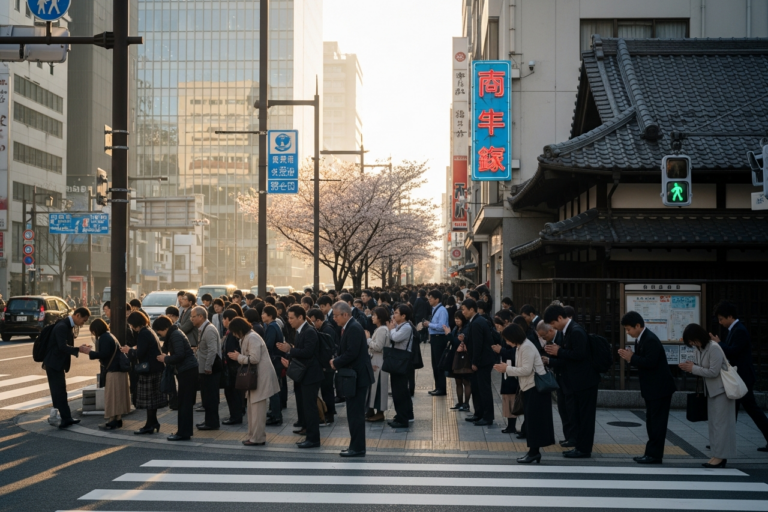
Bowing is a basic part of greeting. The bow needs to match the level of respect you show to the other person.
-
There are different levels of formality. You use certain phrases with friends and other ones with your boss.
-
Using the polite way when you greet someone shows you have good manners and social awareness.
-
Body language, especially bowing instead of shaking hands, is just as important as the words you speak.
Introduction
Are you getting ready to learn about Japanese culture? The basics of Japanese greetings are a good way to start. In Japan, greetings are not just a way to say “hello.” Greetings show respect and are important for social harmony. People in Japan use special phrases and simple gestures when they meet others. These greetings, called aisatsu, are a key part of every meeting. This guide will talk about the basics of Japanese greetings. It will help you make a good first impression, whether you go to Japan, start language learning, or want to know more about Japanese culture.
Understanding the Importance of Greetings in Japanese Culture
In Japanese culture, greetings are not just about being polite. They are a way to show your level of respect and help keep social harmony, which is very important there. Using the right greetings shows you have social awareness and care about how you interact with people.
When you pick the right greeting, it means you know what is going on around you. It does not matter if you are talking with a friend or going to a business meeting. When you try, it shows you understand Japanese culture, and this can change how people see you.
The Role of Greetings in Building Relationships
Greetings are a big part of making friends in Japan. When you meet someone for the first time, it is good manners to say the right phrase, like Hajimemashite (“Nice to meet you”). This shows Japanese people you want to understand and respect their way of doing things. It is a small step that helps make a good start.
When you get to know someone better, casual greetings become okay. You should keep to formal greetings if you are at work or meeting someone you do not know. But when you meet a new friend, you might just give a nod or say something more relaxed. Japanese friends use casual greetings with each other, like Ossu or Yah-hoh. These greetings often go with a wave instead of a bow, which would be too formal.
In the end, using the right greeting matters a lot in any social setting. If you know what to say, it helps you get along with others. You can make a new friend or show respect to an older person. This makes the path to good connections easier for everyone.
Why Proper Greetings Matter in Japan
Using the right words for greetings in Japan is important. It helps you show respect and keeps social harmony strong. The japanese language has built-in levels of formality. Picking the right words can affect how people take your message. A respectful tone is needed, especially in formal settings like business meetings or when you talk with elders.
For example, if you say “Ohayō” to your boss, it can sound too casual and may come off as rude. The right way to say it is “Ohayō gozaimasu,” which is more formal. This shows how important it is to choose the right words for the social setting.
If you do not use the correct greeting, you might look out of place or not respectful. To stay safe, you should use more formal greetings in new situations until you know it is okay to be casual. This effort tells others that you respect their culture and you want to have a thoughtful and polite conversation.
Common Japanese Greeting Phrases for Everyday Situations
Learning some common Japanese greetings can help you in many types of encounters. The Japanese language has many useful Japanese phrases. These can change a lot depending on how polite you want to be and the time of day. Knowing the right, common greeting for each moment is a good first step.
You can use a simple “hello,” or try other phrases that people use only on the phone. All of these are basic to daily conversation. Now, let’s look at some top Japanese greetings for the morning, noon, and night. We will also see greeting examples that sound polite, and those you can use with friends.
Essential Greetings for Morning, Afternoon, and Evening
One of the first things you’ll notice about Japanese greetings is that they change depending on the time of day. Using the correct phrase for specific times of day is a simple way to sound more natural. For example, the way you say “good morning” is different from how you would say “good afternoon.”
The most well-known greeting, Konnichiwa, is generally used for “good afternoon,” but what do you say when you wake up or after the sun goes down? Knowing these useful Japanese phrases will help you greet people appropriately throughout the day.
Here is a simple breakdown of greetings based on the time of day:
|
Greeting |
Pronunciation |
English Meaning |
When to Use |
|---|---|---|---|
|
おはようございます |
Ohayō gozaimasu |
Good morning (polite) |
Before noon, especially in formal settings or with superiors. |
|
おはよう |
Ohayō |
Good morning (casual) |
Before noon, with friends, family, or peers. |
|
こんにちは |
Konnichiwa |
Hello / Good afternoon |
From around noon until late afternoon. |
|
こんばんは |
Konbanwa |
Good evening |
After sundown, used in both formal and informal settings. |
Useful Polite and Casual Greeting Examples
In the Japanese language, people use many phrases that show different levels of formality for greetings at any time of day. The polite way to greet a person you just met or someone in a higher position is not the same as the words you would use with close friends. Knowing about these levels helps you act the right way in different situations.
Casual greetings are playful and used by people who are about the same age, or who are family members. You may hear these words if you watch anime or talk to your friends. These casual greetings often go with a quick wave or a smile—and not a bow.
Here are a few examples of casual and situational greetings in the Japanese language:
-
Moshi moshi: People use this only when they answer the phone. For business calls, it is better to say Hai (“yes”).
-
Otsukaresama desu: This is a common workplace greeting. It means “Thanks for your hard work.” You can use it as a hello, for goodbye, or to talk about a coworker’s good work.
-
Ossu: This is a very casual “hey,” and young men use it a lot.
-
Yah-hoh!: This is an informal greeting like “yoo-hoo!” Kids and young women often use it.
Body Language and Gestures: Bowing and Beyond
In Japan, the way you use your body is as important as the words you say. Bowing is the most important gesture there. It often takes the place of shaking hands. Shaking hands is seen by many people as an even or equal gesture, but bowing is a way to show respect. Bowing also helps show where people are in social order and helps with social harmony.
Even though bowing is a big deal for japanese people, it is not the only thing you need to know. They are often okay if someone from outside their country uses a handshake instead. But if you know about other ways japanese people move and what those things can mean, you will do better. For example, making direct eye contact may be different there. This makes your talking with others more smooth and respectful.
How to Bow Correctly When Greeting in Japan
The act of bowing, called ojigi, is a simple art with some rules. The depth and time of your bow show the level of respect you give. In formal settings, like a place of work or when you meet someone above you in rank, you should use a deeper bow. For example, people in business usually start with a 30-degree bow, known as Keirei.
While you bow, keep your back straight and bend from your hips. Men need to put their hands at their sides. Women often put their hands on their thighs. It is not good to talk while bowing, so wait until you are standing tall again. Do not make direct eye contact when you bow. It is better to look at the other person’s chin or neck.
Bowing is common, but you do not always need it in every casual situation, such as when you are with friends. But if someone bows to you, it is good to bow back. Giving the same greeting is one of the most proper responses you can show.
Alternative Gestures and Their Meanings
While bowing is the common way that people greet each other, there are other ways you can say hello. In more easy-going or casual situations, a handshake is one way you can greet someone. A handshake is also a fair and simple gesture. Many Japanese people know this when they meet new people, especially foreigners. So do not be shocked if someone offers to shake your hand.
If you are a foreigner and are not sure what to do, you can opt for a head nod. This is not as formal as a bow, but it still shows respect. Another easy and kind way is to give a quick smile. This shows you are friendly and is good to use in casual situations.
Here are a few other things to remember when you are using body language:
-
Head Nod: A small nod with the head is polite. It falls between being formal and informal. It is a good choice instead of a deep bow.
-
Wave: Waving your hand is fine too. It works well with friends and when you are in casual situations.
-
Eye Contact: In some places, direct eye contact is key. For japanese people though, it may look bold. A fast or short look at the person’s eyes is better to use.
When you want to greet others in Japan, think about how formal the place or time is. A quick smile, a handshake, or a head nod can help you fit in just right without being out of place.
Conclusion
To sum up, it is important to know about greeting customs in Japan if you want to interact well with people and understand Japanese culture. Greetings in Japan are more than just simple words. They help people build connections and show respect for each other. Things like knowing when to bow and what words to use at different times of the day matter a lot. If you pay attention to these customs, people will see you in a good way. It will also help you make strong bonds with others. When you are traveling or making new friends, learning these greetings can make your time in Japan even better. If you want to know more about Japanese culture or have other questions about etiquette, just ask!
Frequently Asked Questions
Do I Always Need to Bow When Greeting Someone in Japan?
No, you do not need to bow every time. Bowing is important in formal situations and times when you want to show respect. But you do not have to bow when you are with friends or in a relaxed setting. Japanese people know that many people from other places are not used to bowing. Still, if someone bows to you, the polite thing to do is to bow back.
What Is the Best Way for Foreigners to Greet Japanese People?
For people from other countries, the best way is to use a polite form of japanese greetings, like Konnichiwa. You can add a small head nod with it. This is an easy way to show good manners and respect. You do not need to do a perfect bow. In casual situations, you can just smile and wave. This is also friendly and works well.
Are There Any Greetings or Behaviors I Should Avoid in Japan?
You should not use casual greetings in formal situations. If you use informal words with superiors or elders, it can look like you have bad manners. As a fair warning, you should use proper greetings and formal salutations. Only use a casual style if you know it is okay. You should also not talk while bowing.



