

Key Highlights
-
To be good at Italian greetings, you need to know the level of formality to use in different social situations.
-
The word “buongiorno” means good morning and is a formal greeting. “Ciao” is a casual greeting, and people use it for friends.
-
Body language is important. With friends, you will give cheek kisses, called il bacetto. In a formal way, you should use a firm handshake.
-
Italian greetings change with the time of day. You say “buongiorno” in the morning and “buonasera” in the evening.
-
Picking the right greeting, either a formal greeting or an informal way, shows you know about Italian culture and respect it.
-
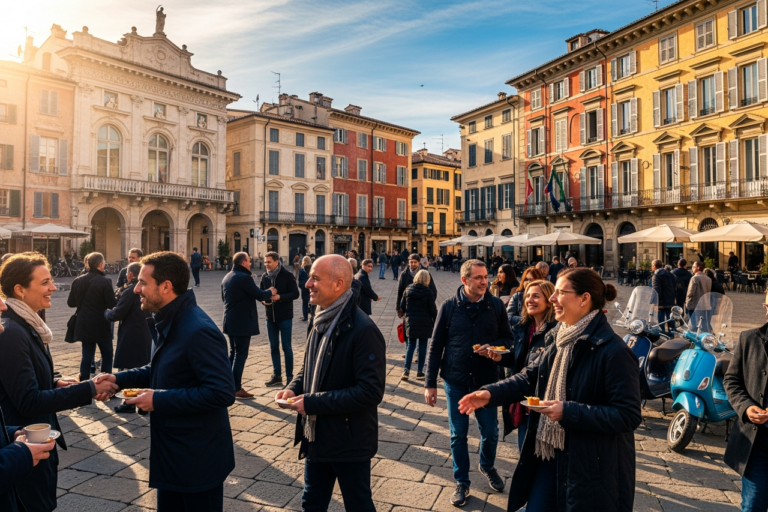
People often use expressive body language and gestures with Italian greetings. This makes them feel warm and gives more meaning.
Introduction
Welcome to the bright world of Italian culture. Learning how to say “hello” in different languages gives you a great start in Italy. It opens the door to a good talk with people there. Knowing Italian greetings means more than just learning new words. It helps you understand a culture that is famous for being open and friendly. This guide makes it easy for you to say hello the right way. It will help you whether you travel, learn the language, or just want to know more about this beautiful country.
Understanding Greeting Customs in Italy
In Italian culture, how you say hello is important at every meeting with others. The words you use change depending on the closeness of your relationship, the time of day, and if you are in a professional setting or not. If it is your first time seeing a friend’s nonna, or you are at work, you need to think about the right level of formality. This is a critical distinction you have to make.
Your body language means a lot too. Italians often use expressive body language when they greet others. Using this when you meet people is a great start to connecting with a native speaker. It will make your language learning feel more real and fun.
The Importance of Greetings in Italian Culture
In Italian culture, saying hello is not just a small step. It shows respect and helps people feel close to you. When you use an elegant buongiorno or a friendly ciao, it makes a big difference. The way you say good morning, good day, or just greet someone sets up how the talk will go. If it is your first time there, this is important for what people think of you.
The most common way to greet someone in Italy depends on the social situation you are in. For formal events or when you talk to elders, strangers, or at work, you should say “Buongiorno.” Good morning, or good day, is polite, and it works well in many cases. Do not forget to give a warm smile and look at the person’s eyes when you say it.
When you are learning the language, it helps to practice these greetings a lot. You shouldn’t just try to remember the words. You should also pay attention to the social cues, like body language and when people use certain words. If you watch and do what a native speaker does, you can fit in better and show that you respect Italian culture.
Typical Social Situations for Italian Greetings
When you are in Italy, knowing the right italian greetings in different social situations can help a lot. The time of day, who you are with, and where you are all matter. You use different italian greetings for morning, afternoon, and evening. This makes every meeting a bit special.
If you go out in the morning to get a morning espresso, it is best to say “buongiorno” to the barista. If you meet new people at a formal event, offer a firm handshake and say “piacere di conoscerla.” This means you are using a polite form. When you meet close friends, you do not have to be so formal. With close friends, you can relax and use other easy greetings.
Here are some typical situations:
-
Entering a shop: Say “Buongiorno” in the morning or “Buonasera” in the evening.
-
Meeting friends: The word “Ciao!” is common. Often, this comes with cheek kisses.
-
Professional meetings: You should say a formal “Buongiorno” or “Buonasera” with a firm handshake.
-
Answering the phone: Most Italians will say “Pronto?”
These simple words can make your day better and help you fit right in, no matter what time of day it is.
Essential Italian Words and Phrases for Greeting
To start with the Italian language, it’s good to learn some core greetings first. Using these common phrases helps you open a talk and show respect. Saying “good morning” like “buongiorno” or “good day” is basic to use each day. “Good evening” or “buonasera” also works well when you see someone later in the day. These words are key, mostly in professional settings or when you want to sound polite.
These common greetings will help you in most situations you find. Once you know the basics well, you can try some new phrases. But the best way to begin your Italian language learning is to master these first. Now, let’s look at how people use formal or casual greetings and see what to say at different times of the day.
Common Formal and Informal Greetings
Choosing the right level of formality is crucial when using Italian greetings. A formal greeting is necessary for professional settings or when addressing someone older or a stranger. An informal greeting, on the other hand, is reserved for friends, family, and peers. Using “ciao” versus “buongiorno” is a classic example. “Buongiorno” is a respectful, formal way to greet someone, suitable for nearly any situation. “Ciao” is an informal greeting used for both hello and goodbye, but only with people you know well.
When in doubt, always start with a formal greeting. It’s better to be overly polite than too casual. You can always switch to a more informal way of speaking if the other person initiates it. This shows you understand and respect the cultural nuances of greeting friends versus greeting strangers.
Here’s a quick guide to some common phrases:
|
Greeting |
Formality |
When to Use |
|---|---|---|
|
Buongiorno |
Formal |
All day until mid-afternoon; for strangers, elders, and in shops. |
|
Buonasera |
Formal |
From late afternoon into the evening. |
|
Salve |
Neutral |
A safe choice for almost any situation when you’re unsure. |
|
Ciao |
Informal |
For friends, family, and peers; means both “hello” and “goodbye.” |
|
Piacere |
Neutral |
“Nice to meet you”; used in first meetings. |
Greetings for Different Times of Day
Italian greetings change with the time of day. This is true in many places, and Italy is the same. If you use the right italian greetings at the right time, people will see that you care about their ways. It is a good way to make a good first meeting.
The day starts with “Buongiorno.” This means “good morning” or “good day.” You say this from when you get up until it’s almost afternoon. If you want to order a morning espresso, “buongiorno” is a good thing to say to the barista. After 4 p.m. or when the late afternoon begins, you use “Buonasera” instead for a friendly evening greeting.
Some people say “Buon pomeriggio,” which is “good afternoon,” but you will not hear it as often as “buongiorno” or “buonasera” in daily talk. At night, people say “Buonanotte.” This means “good night.” People use it only when they are going to bed or when they leave for the night. It is a way to say goodbye, not hello.
Beginner’s Guide to Greeting People in Italy
If you are just starting with the Italian language, do not feel stressed. Picking up a few common greetings is an easy and great start. You might be surprised how having phrases like “good day” which is “buongiorno” in Italian, or even the simple “ciao” in your back pocket can help you in many moments. It helps to know when to use a formal greeting and when it is fine to be informal.
This guide shows you the steps you need, from picking the right words to using the right body language. When you finish, you will know how to greet people well in Italy. It does not matter if you meet a new friend or if it is with a business associate.
What You Need to Know Before You Start
Before you say your first Italian greeting, it’s good to know about the level of formality you should use. The way you talk depends on how close you are with the person. There is a critical distinction between a formal way of talking and a casual way. For new acquaintances or when you meet your friend’s nonna, it’s best to pick the formal way when you’re not sure.
Body language is very important during the first time you introduce yourself. It helps to give a warm smile and keep direct eye contact. When meeting someone for the first time, a handshake is the usual choice. As your closeness of your relationship grows, your greetings might change. You may see cheek kisses or give a friendly pat on the arm.
For people you already know, you can say, “Che piacere vederti!” This is a great way to be warm and friendly. The words you use, along with your body language, will show the respect you have for the culture. It will also show what kind of relationship is there between you and the other person.
Step-by-Step Guide to Italian Greetings
Greeting someone politely for the first time in Italy can be easy. Just follow a few simple steps. This guide tells you how to meet new people in a good way. It helps you use the right words and actions during your language exchange. If you ever feel unsure, you should always choose the formal side.
Start by saying something nice out loud. A warm “Buongiorno” (good day) is a good pick most of the time. After this, give a friendly handshake. This works well when you are in a formal or work setting. The people there are known for showing how they feel. They use a lot of hand moves and often give a warm smile when they greet you.
Here’s a simple process to follow:
-
Assess the situation: Is it formal or informal?
-
Choose your words: Use formal core greetings like “Buongiorno” for new people.
-
Use body language: Offer a friendly handshake and make eye contact.
-
Smile: A genuine smile is the most important part of any greeting.
Step 1: Choosing Between Formal and Informal
The first thing you need to do for any Italian greeting is choose the right level of formality. This means you have to pick between a formal way or an informal way. Your choice will shape all that you say and do here. Always use formal greetings with people you do not know, with elders, and in professional settings. This will show that you have respect and know about the culture.
The informal way uses “tu” and simple greetings like “ciao.” You should use these casual greetings with people you know well, like your friends or family members of your generation. Maybe you can also use them with some younger Italians if they greet you with an informal way first. Until people tell you it is okay, you should stick to the formal side.
If someone says, “Diamoci del tu?”—that is how Italians ask if you can use “tu” with each other. This is when you know you can move from the formal to a more relaxed and casual greeting. Knowing when to use the right level of formality will help you get along with others in every kind of group.
Step 2: Using Body Language and Gestures
In Italy, people often use their whole bodies to greet each other. The way you use your body is just as important as what you say. Most of the time, you will see a warm smile and a lot of enthusiastic gestures. Don’t be shy when you meet people there. This expressive body language is what makes Italian greetings so special. It helps make every meeting feel friendly.
For first meetings or in formal situations, you should give a friendly handshake. Most times, women will offer their hand first. In a more casual way, men often give a friendly pat on the back or arm. When you get to know someone better, you will probably exchange “il bacetto,” which means you give a kiss on both cheeks. First, you lean to the left and touch right cheeks, then lean to the right.
These things are natural in Italian conversation. There may be some gendered language when speaking, but these greetings like a friendly handshake, friendly pat, or il bacetto are common between all genders and are just part of being friendly. If someone says, “Ciao, bella,” it can be a bit of flirting. With friends, it is just a kind hello.
[body language], [warm smile], [il bacetto], [gendered language], [friendly pat], [friendly handshake], [expressive body language], [enthusiastic gestures], [casual way], [bit of flirting]
Step 3: Greeting Friends, Family, and Strangers
It is important to know how you should change your italian greetings for friends, family, and people you do not know. When you talk to new people or strangers, you need to use formal italian greetings. You can say “Buongiorno” for good morning or good day, or say “Buonasera” for good evening. You say these when you go into a shop or when you meet someone new. If you want to introduce yourself, just say “Mi chiamo…” and then tell them your name.
Italians greet friends and family in a much easier way. With friends, most people use a happy “Ciao!” as their informal greeting. It is normal to hear “Ciao!” in open places or when people go for a morning espresso. If you see your best friend or people close to you, there will be hugs and a double cheek kiss along with the greeting.
It is a good idea to know a few options in your back pocket for different casual contexts. You may hear younger people use slang, but “ciao” is an easy and popular informal greeting that people know and like. The best thing is to save this for your friends, and use formal greetings for other people.
Step 4: Responding to Italian Greetings
After someone says hello or greets you, what do you say next? It helps to know a few common ways people respond to Italian greetings. This can make your talk with others feel more real. Most of the time, people react to italian greetings by asking how things are.
If someone says “Come stai?” to you, which means “How are you?” in a friendly way, you can answer, “Bene, grazie, e tu?” That means “Good, thanks, and you?”
When you are with new acquaintances and they say “Piacere di conoscerti” (which means “Nice to meet you”), you can say back “Piacere mio,” meaning “The pleasure is mine.” When you see old friends after some time, you may want to say, “Che piacere vederti!” or “Felice di vederti!” These are both warm and happy ways to show you are glad to see them, like “What a pleasure to see you!” or “Happy to see you!”
Here are some common good morning and italian greetings to use:
-
Greeting: “Ciao! Come va?” (Hi! How’s it going?) Response: “Tutto bene, grazie!” (Everything’s good, thanks!)
-
Greeting: “Buongiorno, come sta?” (Good morning, how are you? formal) Response: “Sto bene, grazie. E Lei?” (I’m well, thank you.
Polite and Proper Greetings for First Meetings
Making a good first impression is important, especially when you meet someone for the first time in Italy. When you are in professional settings or with new acquaintances, it is best to use a formal greeting. The right level of formality is about showing respect and knowing the culture. You can say a simple “Buongiorno” or “Buonasera.” This will be a good and polite start. Try to add a firm handshake with that and look the other person in the eye. This formal way of greeting is common and people like it.
If you want to show even more respect, use formal titles such as “Signore” for a man or “Signora” for a woman after your greeting. For example, you can say “Buongiorno, Signora Rossi.” When you introduce yourself, you may say “Piacere di conoscerti” (Nice to meet you). Still, in this setting, it is a critical distinction to use the formal “Piacere di conoscerLa.” If you need to get someone’s attention, “Mi scusi” is the right thing to say. When you use these simple steps, you will get the right level of formality and will know how to talk like a native speaker in Italy for a first time meeting.
When to Use “Ciao”, “Buongiorno”, or Other Phrases
Knowing when to use “ciao” or “buongiorno” is a big part of being polite in Italian. “Buongiorno” means both “good morning” and “good day.” It is the best formal greeting to use. You should say it to people you do not know, like shopkeepers, waiters, and in any work setting. It is a safe and good way to show respect when you first meet someone.
“Ciao” is an informal way to say hello or goodbye. This word should be used with friends, family, and people who are your age or younger. If you say “ciao” to someone you do not know or to an older person, it may sound too familiar. Some people might think it is rude.
Later in the day, you can change to “Buon pomeriggio” (good afternoon) or use the more common “Buonasera” (good evening). The smart thing to do is start with “buongiorno” as a formal greeting. Then you may use “ciao” as a casual greeting, but only after you feel closer to them or if they say it to you first.
Addressing Elders and Professionals Respectfully
When you meet elders and professionals in Italy, it is important to show respect. The level of formality should be high in these moments. The best way to greet someone politely for the first time, especially an elder or someone in a work setting, is to say “buongiorno” or “buonasera.” These are great formal Italian greetings.
Using formal titles also shows you respect them. You can call men “Signore” and women “Signora.” For example, you would say, “Buongiorno, Signore” when you greet an older man you do not know. This is the right thing to do when you meet a friend’s nonna or even a new business contact.
If you want to get their attention, use “Mi scusi.” This means “Excuse me.” It also sounds polite. When you use formal Italian greetings and titles, people will see that you know about the level of formality in Italy. It is better to be too formal at first. If they feel comfortable, they might tell you that you can use their first name or to be less formal.
Informal Greetings and Slang Among Friends
After you get through the formal ways to say hello, you can have fun with more easy-going greetings. When you are with close friends, especially if they are younger Italians, a casual way of talking is pretty normal. People use these common phrases with a quick, simple gesture, and this is a big part of friendly talk.
This is the moment when the Italian language really lights up with warmth and a lot of personality. When you use these words during a language exchange or when you are with your best friend, it shows you are at ease and are part of the relaxed side of their world. Now, let’s see some well-known phrases and gestures that friends use with each other.
Popular Expressions for Close Relationships
When you are with close friends in Italy, you do not need to use formal words. You can use more affectionate and casual ways to say hello. A good informal greeting is to use phrases like “Che piacere vederti!” which means “What a pleasure to see you!” or you can say “Felice di vederti” for “Happy to see you!” These words work very well when you see a best friend after a long time.
If you and your friend are even closer, you may hear some slang. For example, “Bella lì!” is a very informal way for friends to say hello. It is like saying “What’s up?” or “All good?” Another fun way is to say “Come butta?” if you want to ask, “How’s it going?” These types of greetings are best for people who are part of your peer group or your best friend—not someone you do not know well.
A lot of the time, you say these expressions with enthusiastic gestures, cheek kisses, or hugs. You would not greet a friend’s grandma this way, but using these words and actions with close friends and peers is great. It helps show your good friendship, your language skills, and makes your time together feel even more real and fun.
Casual Gestures and Responses
Italians often use expressive body language when greeting others in casual contexts. When they meet close friends or family, you will see a lot of warmth and movement. A warm smile is the base for every greeting, but what comes after the smile is just as important.
For close friends, people usually greet each other with a double cheek kiss, known as “il bacetto.” It is also very common to give a friendly pat on the back or even a hug. These gestures show love and warmth in a way that words sometimes do not. Even if you just meet for a morning espresso, there might be a quick hug or a pat on the arm.
All these casual gestures are a normal part of a casual greeting. Saying something like “Ciao, bella” or “Ciao, bello” (Hello, beautiful/handsome) between friends is also normal and feels affectionate. Sometimes, it even has a bit of flirting. This is the way Italians show their warm and open style during social moments.
Physical Gestures: Handshakes, Cheek Kisses, and More
Physical gestures are a big part of italian greetings. When you meet someone for work, you may use a firm handshake. Good friends may use the well-known double cheek kiss or “il bacetto” to say hello. Your body language can show how you feel and it helps you connect in social situations.
The “il bacetto,” or cheek kisses, is what most people think of when they talk about italian greetings. But you may not use it all the time. A friendly handshake or just a friendly pat works well in some moments. It depends on where you are and who you are with. Learning when to use a firm handshake, cheek kisses, or even a friendly pat will help you fit into social situations and get along with people better.
When to Offer a Handshake or Cheek Kiss
Yes, it is quite common to greet people in Italy with cheek kisses or handshakes. You just need to know when each one is right. If you are meeting someone for the first time or find yourself in formal social situations, a handshake is what you should do. It shows respect. People expect this in business and when you greet someone older.
The cheek kiss, known as “il bacetto,” is a more casual way to say hello. You share this with friends and with family members of your generation or people who are younger. It is close and warm. “Il bacetto” means you have an easy and friendly relationship with that person. Do not offer a cheek kiss when you meet new people, especially in formal moments.
A good rule to remember is to copy what the other person does. If the person starts with a handshake, do the same. If they come in for “il bacetto,” then you should give one back. In Italy, men and women both greet by kissing on the cheek with friends. It does not matter if it is two men, two women, or a man and a woman—cheek kisses are normal and part of everyday friendship.
Body Language Etiquette in Italian Greetings
Knowing body language rules is very important for getting the right level of formality in Italian greetings. So, what body language should you use? It will change based on the situation you are in. For the formal side, you should keep a good posture, look people in the eye, and give a firm handshake. A warm smile is also a key part of a good first meeting.
When the level of formality goes down, body language gets more lively. Italians are famous for their enthusiastic gestures, so feel free to use your hands when you talk. You might see or give a friendly pat on the arm or back. This is a normal way to show you like someone and feel close, even when things are still a little formal.
In the end, your body language needs to fit what you say and where you are. People in Italy use expressive language and use gestures along with their words. If you are open, smile, and can use these touches or gestures when you meet people, you will show you feel at home with the culture. It also helps you connect in a good way.
Frequently Asked Questions (FAQ)
Learning about Italian greetings can make you feel curious. Many people often wonder about the right way to say hello when they meet someone for the first time. For most situations, you can say “buongiorno” in the morning or “buona sera” in the evening. This sets the right level of formality. Some people also ask about when to give a cheek kiss. You should know this is something for close friends or family. When you meet new acquaintances, a firm handshake is better. Knowing about these small details will help you get more out of italian culture and enjoy it more.
What is the most common way to greet someone in Italy?
The way you say hello to someone depends on the situation. In most social situations, like when you talk to people you do not know or you are in a formal place, you can use “Buongiorno,” which means good morning or good day. This is the most common way to give a formal greeting. For a native speaker, picking the right Italian greetings feels easy, because they do it all the time in their daily life.
Should I use formal or informal greetings with strangers?
You need to use the formal way when you meet strangers, new acquaintances, or when you are in professional settings. This helps show respect and let people see that you know how to use the right level of formality. The informal way is best for friends, family, or when someone tells you that you can talk in a more relaxed way.
Are there different greetings for morning, afternoon, and evening?
Yes, Italian greetings do change with the time of day. You should say “Buongiorno” for good morning up to the afternoon. After that, go with “Buonasera” for good evening. There is also “Buon pomeriggio” for good afternoon, but people do not use it much. The way Italian greetings change for different times is an important part of how people act every day.
What is a typical Italian response to a greeting?
When someone gives you Italian greetings and says “Come stai?” or “Come va?”, it’s good to ask how they are in return. You can say, “Bene, grazie, e tu?” This means “Good, thanks, and you?” If someone says “Piacere di conoscerti,” you can answer with “Piacere mio” and give a friendly smile. This way, you keep the talk nice and polite.
Conclusion
To sum up, knowing how people greet each other in Italy is very important if you want to get close to the locals and enjoy the real Italian culture. You will hear both formal greetings like “Buongiorno” and casual ones like “Ciao.” It helps to know when to say these words and how to use them in the right way. This can make your talks with people better and also show that you respect their traditions.
It is also good to learn about body language and what gestures like handshakes and cheek kisses mean. These small actions add a warm touch to your greetings. Following these customs makes it easier to get along with others. You will also find more value in the Italian way of life.
So, if you are going to Italy or just interested in italian culture, keep these tips in mind. Good luck with your greetings!



