

Key Highlights
-
Greeting people is a big part of Iranian culture. It shows the value they place on respect and politeness.
-
One of the most used Persian greetings is “Salam.” It means “Hello.”
-
There are both formal and casual ways to use Persian greetings. It depends on who you are talking to and where you are.
-
In the Persian language, people support their greeting with actions. For example, they may put a hand over their heart. This is as important as the words they say.
-
To do well in Iran, you need to understand the small details, or nuances, of Persian greetings.
-
In Iran, it is polite that the person with lower status says the greeting first.
Introduction
Welcome to a look at the heart of Iranian culture. If you want to visit Iran, have Iranian friends, or just want to know more about the country, learning about Persian greetings is a great way to begin. In Iran, saying “hello” shows respect, kindness, and hospitality. It is not just a quick word. This simple guide will show you the most important phrases and customs in the Persian language. It will help you use the right persian greetings and make a good first impression.
Understanding the Role of Greetings in Iranian Culture
In Iranian culture, greetings are more than just a way to say hello. They show real cultural values. How you greet someone tells a lot. It can show respect, social standing, and what type of relationship you have. For Persian speakers, spending time on a good greeting shows politeness and good manners.
This focus on greetings shows how much community and social ties matter in Iran. Saying hello the right way is a way to make the other person feel seen and respected. It helps set a kind and positive mood for what comes after. This is a big part of hospitality in Persian culture. Let’s talk more about why greetings and hospitality matter for Persian speakers and in Iranian culture.
Cultural Significance and Social Context
In Iran, people value respect and social order, and you can see this in the way they greet each other. In the Persian way, someone who has a lower position or is younger should say hello first. When you do this, you show that you believe the other person is higher than you. This simple act shows both respect and humility.
This part of Persian culture is not just about rules. It’s more about how people interact and show their cultural values. If you are new, younger, or in a job with less power, greeting first is a kind and thoughtful thing to do. It is a small thing, but it is important in everyday life.
Knowing about this helps you fit in better in Iran. It shows that you understand and respect their way of doing things. People in Iranian culture notice this, and they will think well of you for following these customs.
Hospitality and Respect in Daily Interactions
Hospitality is a big part of Persian life. People in Iran start by giving a warm greeting. Good manners are seen as a good thing, and you will find politeness in many daily chats. When you say hello to someone in Iran, you are also showing respect and trying to build a connection.
Respect is also clear in how people use titles. When you talk to someone for the first time, you should call them by their title and last name. For men, say ‘agha,’ and for women, use ‘khanoom,’ with their surname. This is one way to show you have respect and care about being polite.
As you get to know people better, you may use fewer titles, but respect is always there. These small habits and good manners help people get along. They show the strong idea of politeness and hospitality in Persian culture.
Essential Persian Greetings Everyone Should Know
If you want to talk to Persian speakers, learning some easy Persian greetings is a good place to start. Even saying a simple greeting in the Persian language will help you show interest and respect for the culture in Iran. You do not need to be fluent. Just knowing a few basics can really help.
These phrases can help start a talk and show you tried. Below, we will go over the most common ways to say hello and share a few simple choices that help you sound more like a regular speaker.
Salam and Other Common Ways to Say Hello
The most common greeting you can learn in Persian is “Salam.” This word means “Hello.” You can use it at any time of the day and in any place. A “Salam” works both in formal and casual talk, so it is good everywhere. When you visit Iran, you will hear the word a lot.
When people say “Salam” in Iran, they often ask about how you are doing next. This is a big part of the greeting there. Some questions you may hear or ask after saying “Salam” are:
-
Chetor-ee?: “How are you?” (used when talking to friends or people you know well)
-
Che khabar?: “What’s the news?” or “What’s up?”
People in Iran like to use “Salam” together with one of these simple questions. This is the most common way to start a chat. It does not just say hello—it shows that you care about the other person and want to know how they are doing. This is what makes a Persian greeting feel real and friendly.
Dorood, Sobh Bekheyr, and Basic Variations
While “Salam” is the common way to say hello in Persian, another nice Persian word for greeting is “Dorood.” Dorood has old roots in the Persian language and brings a sense of real, traditional greeting. Dorood is not used as much as “Salam” when people talk every day, but saying “Dorood” shows you have a real respect for the Persian language.
Another important greeting is “Sobh Bekheyr,” which means “good morning.” People use this phrase at the start of the day, just like you say “good morning” in English. It is a warm and common way to speak with someone before noon.
These changes in the words you use help you talk better. While “Salam” is always right to use, saying a Persian word like “Dorood” or a time-fitting greeting like “Sobh Bekheyr” shows you are careful and thoughtful in how you greet people. It proves that you are not just learning the words, but also welcoming the Persian culture.
Greetings According to Time of Day
In the Persian language, there are greetings for different parts of the day, just like in English. Using the right words at the right time shows that you pay attention. It can also make your talk with others feel warmer. You might say “good morning” with a happy voice at the start of the day. Later, you can end your day with a calm “good night.” These are normal phrases people use in their day.
If you know these words in Persian, you will talk more easily with people. You can use these greetings from the time the sun comes up until sunset. The good news is they are easy to pick up. When you get them right, Iranians will like that you try. Next, we will look at what to say in the morning, afternoon, and at night.
Morning, Afternoon, and Evening Salutations
Expanding your Persian greetings vocabulary to include time-specific salutations is a great way to sound more fluent. The most common one you’ll use is “Sobh Bekheyr,” the standard phrase for “Good morning.” It’s a cheerful way to start any day.
As the day progresses, the greetings change. While there isn’t a direct and widely used equivalent for “good afternoon” in casual conversation, “Asr Bekheyr” can be used. For the evening, “Shab Bekheyr” is the common phrase, though it’s often used more as “good night” when parting.
Here is a simple table to help you remember these useful Persian greetings:
|
English Greeting |
Persian Greeting |
Pronunciation |
|---|---|---|
|
Good morning |
Sobh Bekheyr |
so-buh be-khayr |
|
Good afternoon |
Asr Bekheyr |
as-ruh be-khayr |
|
Good evening |
Shab Bekheyr |
sha-buh be-khayr |
Wishing Good Night and Other Time-Specific Phrases
When you want to say goodbye at the end of the day or wish someone a good sleep, you can use the phrase “Shab Bekheyr.” This phrase can be used to say “good evening,” but most people use it to mean “good night,” especially when it is late and you are going your own way. It is a warm and simple way to end the day.
This Persian greeting is used much like “good night” or “good evening” in English. You might say it to your host when you leave their place after dinner. You can also say it to someone in your family before they go to bed. “Shab Bekheyr” is easy to use, polite, and good to have as part of your basic Persian greetings.
Learning this kind of Persian greeting, like saying “Shab Bekheyr,” helps you go further with language learning. It shows that you want to do more than memorize words. You are learning how to use the right greeting at the right time, and this is important for anyone on a language learning journey.
Formal vs Informal Greetings in Iran
It is important to understand the difference between formal speech and informal speech in the Persian language. How you greet someone in Persian can be very different based on their age, who they are to you, and where you meet them. If you use the wrong kind, it can feel strange to everyone. So it is good to know the basics before you speak.
Most Persian speakers do this easily, and you can too. You might need a formal way to say hello to someone at work or just an informal way to say hi to a friend. There are real phrases and words for each case in the Persian language. Let’s look at how you can use the right words and greetings for each situation.
How to Greet in Professional and Official Settings
In professional and official places, people in Persian culture expect formal greetings. It is good to use the right titles here. You should not use first names. Instead, say the person’s title and their last name. For men, use “Agha.” For women, use “Khanoom.” So, you would call Mr. Smith “Agha Smith.”
If the person has a title like Doctor, use this title as well. This way, you show respect for their work and what they have done. The formal Persian greeting is also different from an informal one. Do not use “Chetor-ee?” With formal greetings, you say “Hal-e shoma chetor-e?”
Using the right grammar and these titles in Persian greetings is important. It shows respect. It also shows you know the small things that make formal communication good in Persian culture. Begin with a formal way. If the person wants, they will let you know when it is okay to use first names.
Friendly Greetings Among Family and Friends
When you are with close friends and family, the rules for Persian greetings get a lot more relaxed. The language turns easy and kind. In these cases, people use informal speech instead of the usual formal titles found in work places. This is where you find everyday talk that shows warm, personal feelings.
One friendly phrase you will hear all the time is “Chetor-ee?” which means “How are you?” It is the casual way to say it, unlike the more formal “Hal-e shoma chetor-e?” There are other simple phrases you can use to ask what’s happening. Some common examples are:
-
Che khabar?: This means “What’s the news?” and is often used for “What’s up?”
-
Khoob-ee?: A quick way to ask “Are you well?”
This use of informal speech helps build closeness with others. Among friends, these laid-back phrases make the talk feel easy. They help create a good and cool atmosphere.
Etiquette, Gestures, and Body Language
In Iran, the way you act matters as much as what you say. The use of body language and gestures is key when it comes to greeting people. A handshake, a nod, or putting your hand over your heart shows respect, warmth, and can say a lot without words.
Knowing these silent signals helps you show good manners. It is not just what you say but also how you move that finishes the greeting. Next, we will look at the main gestures used in greetings and the rules to follow about gender in Iran.
Traditional Gestures Accompanying Greetings
When you meet Persian people, how you greet them says a lot about respect and hospitality. For men, a handshake is the most common greeting. People always use just the right hand in this handshake. This is much the same as in many other places.
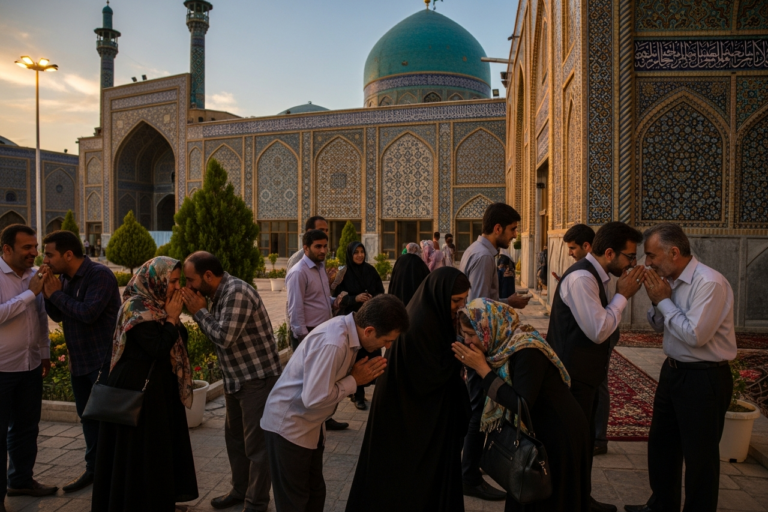
When people of the same gender know each other well, greetings can have more warmth. You will often see friends or family trade two or three light kisses on the cheek. This shows they are close and feel good with one another.
Putting the right hand over the heart is one of the most respected and kind gestures you will see among Persian people. People often use this when they greet someone from far away. Men will use this to greet women if they do not want to touch hands but still want to show respect. It is also used as a simple but real way to go along with any kind word or greeting.
At the heart of these gestures is a wish to make others feel good and to show real kindness in hospitality. With these small greetings, Persian people make every hello feel like a warm welcome.
Gender-Specific Customs and Cultural Sensitivity
When you greet someone of a different gender in Iran, it’s good to know the way people do it there. In public, men and women who are not related usually do not touch each other. Most of the time, a man and a woman will not shake hands when they meet.
Instead of a handshake, you will see iranian men greet women by putting their right hand over their heart. They may give a small nod or bow, too. This shows respect and lets the person know you are greeting them, but there is no need to have physical contact. If you are a Western woman meeting an Iranian man, it is best to wait and watch if he starts a handshake. If he does not, just give a nod and a smile. That is fine and kind.
Knowing these gender rules is important and shows that you respect the cultural values of the persian people. This will help you have good and friendly greetings and talks with others in Iran.
Conclusion
To sum up, knowing how to greet people in Iran is important if you want to understand its rich culture. Greetings are not just simple words. They show hospitality, respect, and the feeling of being part of a group. If you learn main phrases like “Salam” and know how to use them at the right time or place, you will find it easy to talk with others. It does not matter if you are with friends, family, or in a formal situation. Using the right greeting helps your experience and lets others see your respect for iranian culture. Try to learn this special part of iranian tradition and let it help you make good connections with people. If you want to know more or need help, you can reach out for more support.
Frequently Asked Questions
What are unique greeting phrases in Farsi?
Besides the usual persian greetings, there is a special persian word you might hear called “Dorood.” It is an old and poetic way to say hello. This word has old roots in the persian language. When you use it, people know you appreciate the language. It is a good and innovative language learning way to connect with the persian way.
How do you respond to greetings in Persian?
When someone greets you in Persian, it is good to be polite and greet them back the same way. If they say “Salam,” you should say “Salam” too. If they ask “Chetor-ee?” which means “How are you?”, you can reply with “Khoobam, merci,” meaning “I’m well, thank you.” To keep the first conversation going, you can ask them “Chetor-ee?” right after.
Are there differences between greetings for men and women?
Yes, there are some differences in how people greet each other. In general, men and women who are not family do not touch when they meet. Men may shake hands with each other. Friends who are the same gender may kiss on the cheeks. But when a man meets a woman, he often puts his hand on his heart and nods. This shows respect for their way of greeting.



