

Key Highlights
-
In India, the most common greeting is “Namaste.” This greeting is a way to show respect and to see the good in other people.
-
Indian greetings are not the same all over the country. They change a lot from one place to another, which comes from india’s big mix of cultures.
-
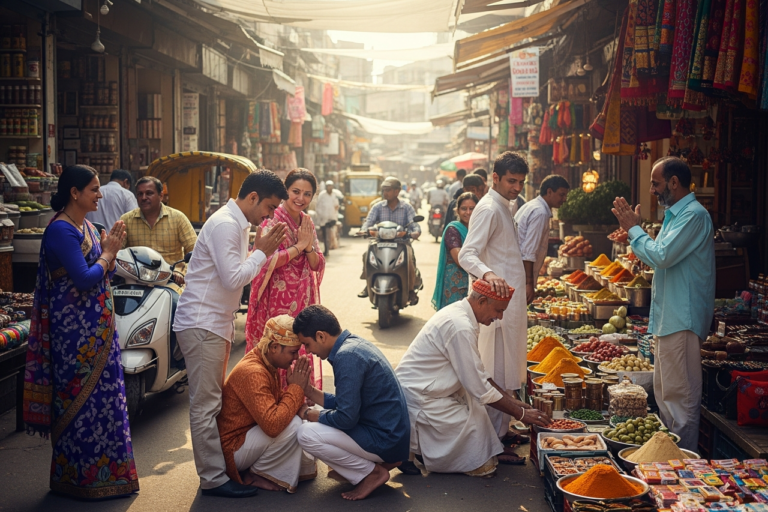
When people greet each other in India, they often use gestures such as joining hands together. These actions have deep meaning in their culture and also have a special spiritual touch.
-
People in india know when to use a formal or an informal greeting. It mostly depends on who you are talking to.
-
Learning indian greetings is a good way to show respect and make connections with people in india.
-
From “Sat Sri Akaal” in the north to “Vanakkam” in the south, you will see many ways for welcoming people through different greetings.
Introduction
Are you planning a trip to India? Or maybe you are meeting new friends from this country full of life? One good way to make a strong first impression is to learn and use indian greetings. In india, even a simple “hello” can help you connect with people. It shows that you care about their culture and respect it. Indian greetings are not just about words. They show a bigger picture of indian traditions and values. This guide will show you many different ways that people greet each other across india.
The Significance of Greetings in Indian Culture
In India, greeting someone is a special act. This greeting can shape the mood when you meet people. It is a big part of welcoming people, showing them respect, and making strong bonds. The word “Namaste” is the most used greeting, but every part of india has its own way to say hello.
This mix of greetings shows how many different groups and ways of life there are in india. If you go to the north or the south, the way you greet people tells a lot. It can show how much you get and value their local ways. Let’s talk more about why greetings are key in daily life in india and what they stand for.
Why Greetings Matter in Everyday Interactions
Have you ever thought about how a simple greeting can help you make good connections? In India, greetings are a big part of daily life. When you use the right greeting, your talk with others feels more friendly and real. People like it when you try to understand the local culture, whether you talk to a shopkeeper, someone you just met, or a friend you have known for years.
The most common greeting is “Namaste.” This one is good for almost any moment. If you say, “Namaste, aap kaise hain?” (Hello, how are you?), it’s an easy way to begin a chat and help someone feel welcome. Small acts like this can make people smile and bring good feelings to the talk.
In the end, knowing different greetings will help you when you meet new people in India. It will also help you feel sure of yourself. Native speakers will see and value your effort. Using the proper greeting makes learning about India’s culture better. Your daily talks get warmer and richer when you start with a greeting that shows respect and care for local ways.
The Values Reflected in Indian Greetings
Indian greetings are an important part of showing respect in the culture. When you greet an older person or someone you do not know in India, your greeting can show how much you value respect. For example, saying “Namaskar” instead of “Namaste” gives more respect. People often use this with elders, teachers, or those in charge.
The way you use your hands in these greetings also has meaning. Many people join their hands together when they say greetings like “Namaste.” This action means you see and honor the good in the other person. It brings both people together in a feeling of respect and togetherness without even needing to touch the other person. It shows how both people are equal and humble.
Among friends, indian greetings are usually relaxed. But respect is still strong in these moments. Sometimes, a friend will say “hello” and add “-ji” at the end of a name, for example, “Madhavji.” This shows love and care while being polite. These small touches show how greeting in india includes respect in everyday life.
The Meaning and Usage of Namaste
The most common greeting in India is “Namaste.” This greeting comes from Sanskrit, and it means “I bow to you.” It’s a nice way to show that you notice something special in the person you are meeting. You can say it any time of the day, so it is good for people who are new to the culture.
If you are from another country, you can use “Namaste” and people will often like it. It shows you want to understand Indian culture better. Many people know this greeting and the feelings behind it, so you can use it in almost every situation. Now, let’s look at how to say it the right way and what the gesture means.
How to Say Namaste and What It Signifies
Saying “Namaste” in Hindi is easy, and doing it right will give you a good impression. The right way to say it is “nuh-MUS-tay.” Make sure you stress the middle part. Many people in the West say it a little different, so if you copy the rhythm used by native speakers, they will like it.
The word “Namaste” comes from Sanskrit. It got the parts “namah,” which means to bow, and “te,” which means to you. So it means “I bow to you.” It shows that you have a lot of respect for the other person and you see something special in them. By saying it, you show humility and you honor them, so it is a very warm and nice way to say hello.
What makes “Namaste” special is how you can use it all the time. It is not like “good morning” (“Suprabhat”) or “good night” (“Shubh Raatri”), which fit certain times. You can use “Namaste” anytime, day or night. Because of that, it is easy to say, and beginners can use this greeting with native speakers in many different situations.
The Gesture and Its Deeper Symbolism
The “Namaste” greeting is more than just a word. It comes with a gesture called the Anjali Mudra. To do this, bring your palms together with your fingers pointing up. Put your hands in front of your chest. Usually, you also give a small bow of your head.
This gesture means a lot. When you press your hands together, it shows two people meeting and their spirits coming together. By placing the hands at the heart, it shows that the greeting is filled with love and respect. It’s a way to feel calm inside and to honor the light in both the person saying “namaste” and the one who hears it.
This way of greeting stands for respect and unity. It can even mean forgiveness. It shows that we are all connected. Many indian greetings use this simple action. It’s a strong, non-verbal way to show respect, equality, and to share a sense of being together as humans, without needing to touch.
Popular Greetings Across Indian Regions
While many people in India know and use “Namaste,” there are also different ways people greet each other in this country. India has many languages and cultures, so each part of the country has its own style of saying hello. Every state and community has some commonly used greetings that come from their own language and way of life. If you travel in India, you will hear many sounds of people welcoming others.
The sounds can be happy in the north. In the south, you might see gestures that show respect. If you learn a few different ways to greet others, it will help you know more about the people and their culture. Now, let’s look at some popular greetings you could hear in northern and southern India. Each one has its own charm and gives a small look into the area’s life.
Northern Greetings: Sat Sri Akaal, Ram Ram, and More
In North India, the greetings are as vibrant and diverse as the region itself. In Punjab, for instance, you’ll hear the joyful greeting “Sat Sri Akaal.” Used by the Sikh community, this phrase means “God is Truth” and is a bright, positive way to say hello. It’s often said with a warm smile and is always a welcome sound.
In other parts of North India, particularly in Hindi-speaking areas like Haryana, “Ram Ram” is a common greeting. This greeting invokes the name of the Hindu deity Ram and is a way of wishing blessings upon the other person. You’ll also encounter “Adab,” an elegant greeting popular among Urdu speakers, often accompanied by a graceful hand gesture.
These greetings reflect the rich cultural and religious tapestry of North India. Learning them can make your interactions more authentic and meaningful.
|
Greeting |
Region/Community |
Meaning |
|---|---|---|
|
Sat Sri Akaal |
Punjab (Sikh community) |
“God is Truth” |
|
Ram Ram |
Haryana, Uttar Pradesh |
Invokes the name of Lord Ram |
|
Adab |
North India (Urdu speakers) |
“I offer you respect” |
|
Salaam |
Throughout India (Muslim community) |
“Peace be upon you” |
Southern Greetings: Vanakkam, Namaskaram, and Unique Customs
When you travel to the southern states of India, you will find many greetings. Each one is special in its own way. In Tamil Nadu, people greet others by saying “Vanakkam.” This is just like saying “Namaste,” and people put their hands together when they say it. It is a common and nice way to welcome someone in tamil nadu.
In Kerala and Karnataka, you will hear greetings like “Namaskaram” in Malayalam and “Namaskara” in Kannada. These words mean the same as “Namaste,” but they fit the local tamil, malayalam, and kannada languages. When you use these greetings, it shows you value the culture and people of that place.
All these greetings from tamil nadu, kerala, and karnataka are an important part of life in south india. People in this part of the country think respect and good manners matter a lot. No matter if you are in a busy city or out in a quiet village, a simple “Vanakkam” or “Namaskaram” will always be answered with a smile.
Formal and Informal Ways of Greeting in India
Knowing the difference between a formal and informal greeting is important if you want to handle social situations in India. How you greet someone in India depends on things like their age, their social status, and your own way of knowing them. Each time you greet someone, you show the right respect for the person in that moment. When you meet elders or people with power, a formal greeting is a must.
Talking with your friends and others your age is more relaxed. In these moments, you can use an informal greeting that shows you are close or have spent time together. If you know when to use a formal greeting and when to use a casual one, you will be able to talk with people in India in a good and respectful way.
Addressing Elders, Strangers, and Authority Figures
In India, showing respect for elders, strangers, and people who have power is a big part of life. How you greet them really matters. When you meet someone who is older than you or someone with a high position, you need to greet them in a more formal way. You can use “Namaskar,” which sounds more serious and important than “Namaste.”
Most times, you begin by calling people by their title and last name like “Mr. Sharma” or “Mrs. Gupta.” You should do this until they tell you to call them by their first name. Also, many people add “-ji” to a name, like “Rahul-ji,” as a mark of respect. This small change in a greeting can make a real difference and people will notice.
In some families, the younger ones might touch the feet of their elders to show deep respect. If you are visiting, you do not need to do this. Saying a nice “Namaskar” and giving a small bow of the head is a great way to show respect. It really helps you make a good impression.
The greeting you use says a lot about you in india, so picking the right word and using it the right way can help you fit in well and show respect to others.
Friendly and Casual Greetings Among Peers
When you greet friends or people your age in India, things feel a lot more easygoing. You do not need to stick to formal greetings. You can just say “Hello” or “Hi.” This is common, especially in cities where the people often speak English. A lot of young people in India use both English and Hindi at the same time. It is called “Hinglish,” and it feels playful.
With friends, you might say “Kya haal hai?” This phrase is like saying “What’s up?” or “How are you?” when you talk to friends at home. It is a good way to get closer to people you know well.
You can also say time-friendly greetings like “Good Morning” or “Good Night.” In Hindi, “Good Morning” is “Suprabhat” and “Good Night” is “Shubh Raatri.” The English versions are just fine too, and people use them in everyday talk. These small greetings, like good morning or good night, make things warm and relaxed when you chat with friends.
Conclusion
To sum up, greetings in India are not just simple words. They are a big part of the deep and rich culture in this country. When you say “Namaste” or use other greetings from different areas, you show respect. Each greeting has its own meaning, and they help people feel welcome. These words show how people care for each other, both in daily life and during big events. When you learn and use these greetings, you understand India better. You also make others feel good and help new friendships grow. If you want to know more about India and the meaning behind greetings like Namaste, you can always ask for more information.
Frequently Asked Questions
Is it appropriate for foreigners to use ‘Namaste’ when greeting Indians?
Yes, you can use “Namaste” as your greeting in India. People in India know this word, and they will be happy that you use it. When you say “Namaste,” it is a good way to show respect for their culture. This small act will help you connect with people there and make new friends.
Are there special greetings during festivals or religious events in India?
Yes, India has its own greetings for different festivals. For example, people say “Eid Mubarak” when it is Eid, and “Happy Diwali” for Diwali. Using these greetings is a good way to join the fun. It helps you share in the joy of the local culture and tradition in India.
Why do some Indian greetings involve gestures like joining hands?
Joining hands is a sign of respect and humility in Indian culture. It shows that you see a special spirit in the other person. You make this connection without using touch. When someone says “Namaste,” they use this gesture. It shows both people are equal and respects the shared humanity in them.



