

Key Highlights
-
In Ethiopian culture, greetings are not just something people do out of habit. They are a special and sometimes lengthy ritual that shows respect.
-
The most common way to greet someone in Amharic is by saying “Tena yɪsˈtɪlɪgn.” With this, you ask about the other person’s health.
-
Body language plays a big part. People may greet each other with a handshake, a hug, or even kisses on the cheek to show intimacy.
-
Ethiopian hospitality is closely connected to these greetings. It shows how much people value connection and community.
-
The way greetings are done can change, depending on the relationship. People often show more warmth to family and friends than to strangers.
Introduction
Welcome to the world of Ethiopian greetings! If you want to go to Ethiopia or just want to know more about Ethiopian culture, you are in the right place. In Ethiopia, a greeting means a lot. It is more than just saying “hello.” People use greeting to show respect and warmth and to care about others. Learning some main words in Amharic, which is the main language, and knowing the ways people greet will help you connect with people there. You will find that in Ethiopian culture, taking the time to greet shapes how people get to know each other.
Understanding Ethiopian Greetings
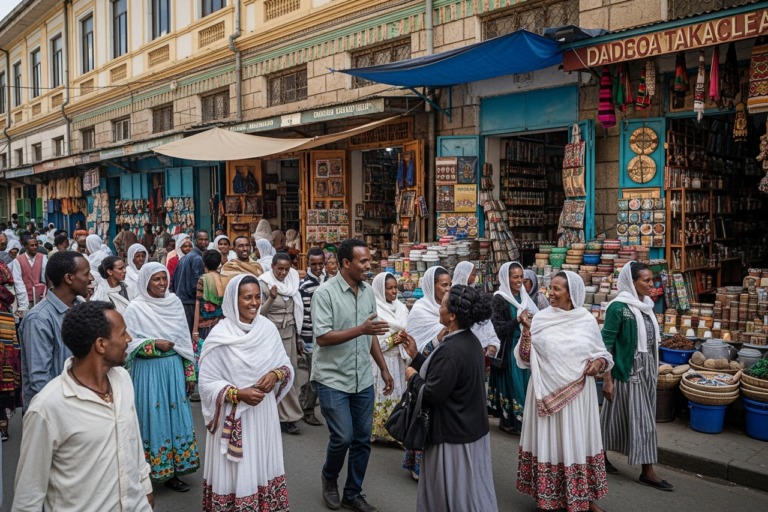
In Ethiopian culture, greetings play a key part in how people connect. They help touch the hearts of people and bring everyone closer. These greetings are often shown with real body language like a big smile, showing respect each time.
One universal aspect of the Ethiopian greeting is asking about the other person’s health. This is something people do for everyone, no matter who they are.
The greeting you use also tells how close you are to someone. If you know them well, you might shake hands, give a hug, or even kiss one another on the cheek. If you understand these simple customs, it will be easy to get along with people and show respect in every meeting.
Importance of Greetings in Ethiopian Culture
In Ethiopian culture, greeting each other is a big part of hospitality and brings people together. It is not just about saying hello. The greeting you give is a sign of love and respect. When you take time to greet someone well, you show that you value them. You also show you care about their family, their health, their work, and how their harvest is going.
This habit is a way for people in Ethiopian culture to give back to their group and keep everyone close. If you do not greet someone or you do not answer when they greet you, people think it is rude. The whole greeting is not only a few words, it is a way to build good will and help everyone get along.
Also, the way people greet in Ethiopian groups can change by age, money, school, or where someone stands in life. People in Ethiopia really respect their elders and important people. Because of this, greeting right is a key part of everyday life.
Regional Variations in Ethiopian Greetings
In Ethiopia, many greetings are used in daily life. But there are big differences depending on what region you are in. Ethiopia is full of different ethnic groups. Each one has its own way of living, speaking, and greeting people. For example, the Amharic greetings that you know may not be the same as the ones in some other part of the country.
The Anywaa are one of the unique groups here. Their tribal name Anywaa means “a sharing tribe.” They are also known as Luo Nilotic people. Most of them live in the Gambella region. The Anywaa are riverine people who spend much time by rivers like the Openo and Akobo. Rivers are a big part of their daily life.
These people speak a western nilotic language. Their alphabet uses a Latin-based script. The Gambella Regional Educational Bureau developed it. The languages, cultures, and traditions you see across Ethiopia make Ethiopian greetings special and varied. Each group, like the Anywaa, adds something of their own to this rich mix.
Common Ways to Greet Someone in Ethiopia
When you meet someone who is Ethiopian, you will see that there are a few ways people use for a greeting. A handshake is the most common way to greet someone, but some people also use other signs of warmth and respect. For example, you can see people gently tap each other’s shoulders, give a hug, or kiss each other on the cheeks.
These physical signs show how close people feel and the degree of affection or intimacy between them. If you give a simple handshake, it usually means you do not know the person well. Hugs and kisses are mostly for close friends or family, especially if they have been apart for some time. If you learn about these greeting types, you will get to know more about Ethiopian ways and the strong feelings people share.
Amharic Greeting Phrases and Their Meanings
Learning a few phrases in Amharic, Ethiopia’s official language, is a great way to start. The language uses a unique script with capital letters and small letters, where graphemes correspond to specific phonemes. It features plain vowels and breathy vowels, which can affect pronunciation.
A fundamental greeting is “Selam,” which means “peace” and is used like “hello.” To ask “How are you?” you would say “Dehna neh?” to a man, “Dehna nesh?” to a woman, and “Dehna nachihu?” to a group or as a formal address.
Here is a table of common Amharic greetings:
|
English |
Amharic |
Transliteration |
|---|---|---|
|
How are you? (to a man) |
ደህና ነህ? |
Dehna neh? |
|
How are you? (to a woman) |
ደህና ነሽ? |
Dehna nesh? |
|
How are you? (formal/group) |
ደህና ናችሁ? |
Dehna nachihu? |
|
I’m fine / good |
ደህና ነኝ |
Dehna neng |
Time-of-Day Greetings: Morning, Afternoon, Evening
The universal aspect of the Ethiopian greeting is that people often ask about your health by saying, “Tena yɪsˈtɪlɪgn.” But in Amharic, people also use different greetings for the time of day. This makes talking to others feel more personal and kind.
For example, if you want to say “good morning,” you say “Endemin aderik?” when talking to a woman or a man. For “good afternoon,” you say “Endemin walik?” to a woman and “Endemin walk?” to a man. These greetings are part of a lengthy ritual of how people greet one another.
Most replies will start by giving thanks to God. When someone asks how you are, you can say, “Dehna, igizɪābiḥēr yimesɪgen,” which means, “Fine, thanks to God.” This shows how people in Ethiopia feel about god and how culture is an important part of greeting in Ethiopian life.
Beginner’s Guide to Greeting Etiquette in Ethiopia
Learning how to greet people in Ethiopian culture is important if you want to make a good impression. The way you greet someone often depends on their age, gender, and how close you are to them. It is also good to watch the body language and use the right titles when needed. Doing this will help you show respect.
For example, when you meet an older person, you should show them respect. You can do this by bowing your head a little or by using their formal title. These small things matter a lot in Ethiopian culture. People will notice and thank you for your good manners. The next parts will show you the basics you need to start with greeting someone in an Ethiopian way.
What You Need to Get Started (Language Basics & Cultural Tips)
To get started, it is good to focus on the basics of Amharic. It may look hard at first, but if you learn some easy words and small phrases, it can help a lot. Amharic has long been the medium of instruction in schools. At the same time, there are many other regional languages, like Anywaa. Anywaa even has its own small letters that make it different.
Knowing a few cultural tips can help you show respect and build a deeper attachment with people. Here are some things you should remember:
-
Always greet elders first, and use formal titles like “Ato” for men and “Weziro” for married women.
-
A handshake is usual, but with friends or close ones, people give hugs or kisses on the cheek.
-
If someone gives you injera or any food with their hand, it is a strong sign of love and respect. If you say no, it can be seen as not polite.
These small tips, together with your effort to use the Amharic language, will be noticed in a good way. People will welcome your will to learn and see that you really want to know their culture.
Step-by-Step Guide to Ethiopian Greetings
Greeting in Ethiopia might seem like a ritualized process at first. But the steps are simple, and it is easy to learn. The important thing is to use the right words and the proper body language. Things like your posture, how you look at someone, and your gestures help show respect.
You can start by picking up the basic phrases. Then, work on saying them right. It helps to listen to native speakers and try to sound like them. As you get used to it, add in the gestures. A smile or a handshake is good.
There is no need to be perfect right from the start. People in Ethiopia will see that you want to join in their ways. They will like the care you are showing. This guide is here to break things into small, simple steps. In this way, you can greet with confidence and show respect through your greeting, body language, rituals, and even your handshake.
Step 1: Learn Basic Amharic Greetings
Your first thing to do is to learn a few basic Amharic greetings. The best and most common greeting is “Selam.” It means “peace.” People use it as a friendly and safe way to say “hello” in many places. You can use this greeting with almost anyone at any time.
After that, you should know how to ask, “How are you?” The way you say it changes based on who you talk to. Say “Dehna neh?” if you talk to a man. Say “Dehna nesh?” if you talk to a woman. Pay attention to the small letters and breathy vowels in Amharic. These vowels and other sounds are a little hard for people who are new to the language.
Don’t get worried if you see small letters in the Amharic script or hear new sounds. There are both different vowels and consonants in Amharic. If you start with these simple greetings, you will build a good base. Say these phrases out loud again and again until you get used to how they sound and feel when you say them.
Step 2: Practice Proper Pronunciation and Gestures
Once you know the words, you need to work on how to say them. Pronunciation and body language are both important. The way you say a greeting means as much as the words. One good way to get the pronunciation right is to listen to audio spoken by native people.
Your body language should fit the greeting and who you are talking to. It’s always good to give a warm smile. If there is going to be any touching, follow what the other person does.
-
Handshake: You give a gentle handshake with your right hand. If you put your left hand on your right elbow, it shows more respect.
-
Hugs and Kisses: With good friends, you may give a hug and three kisses on the cheeks, switching sides each time.
-
Bowing: If you give a small bow of your head, it can show respect, mainly when saying hello to someone older.
When you use the right words and the right gestures together, your greeting feels more real and warm. This way, your body language, handshake, and words all work well.
Conclusion
To sum up, knowing how people greet each other in Ethiopian culture is not just about learning words. It is about being part of a strong tradition that helps people connect and show respect. When you get to know different ways to say hello and understand the small details and good manners, you will be able to talk to the Ethiopian community in a better way. You may be planning a trip or you might just want to know more about Ethiopian culture. In any case, using these greetings will make your talks better and help you build strong ties with others. If you want tips just for you about Ethiopian culture or language, feel free to ask for a free consultation!
Frequently Asked Questions
Is it polite to shake hands when greeting someone in Ethiopia?
Yes, a handshake is a common and polite way to greet someone in Ethiopia. Most people use their right hand when they greet each other this way. The handshake is often gentle and can last a bit longer. Sometimes, people also touch the other person’s elbow to show respect as part of the body language.
What are the differences between formal and informal greetings?
The main difference is in the words and actions people use. When you give a formal greeting in Ethiopian culture, you use respectful titles. You also use the plural form of “you” (“Dehna nachihu?”), even if you talk to just one person. When friends give an informal greeting, they may show a higher degree of affection. They might give hugs and kisses.
These ways of greeting are important in Ethiopian culture. They help people show respect or a close bond.
How do you greet a group of people in Amharic?
To say hello to a group of people in Amharic, you need to use the plural form. When you want to ask “how are you,” you say “Dehna nachihu?” (ደህና ናችሁ?). You also use this way to speak politely to one person who is older or has a high position. This shows respect and attachment to them.
amharic, attachment
Are greetings the same across all regions of Ethiopia?
No, the way people greet each other in Ethiopia changes a lot from place to place. Amharic greetings are common, and many people understand them. Still, local groups like the Anywaa use their own language and have their own greeting traditions. The Anywaa are a Luo Nilotic people from the Gambella area. Their group name even shows how important sharing is for them. This sharing shapes the way they greet others in their part of Ethiopia.



