

Key Highlights
-
Learn the basics of Colombian greetings so you can better get local culture.
-
“Hola” is one common greeting, but there are many other phrases that Colombians use.
-
The greeting often changes with the time of day. You say “Buenas tardes” in the afternoon or “Good evening” at night.
-
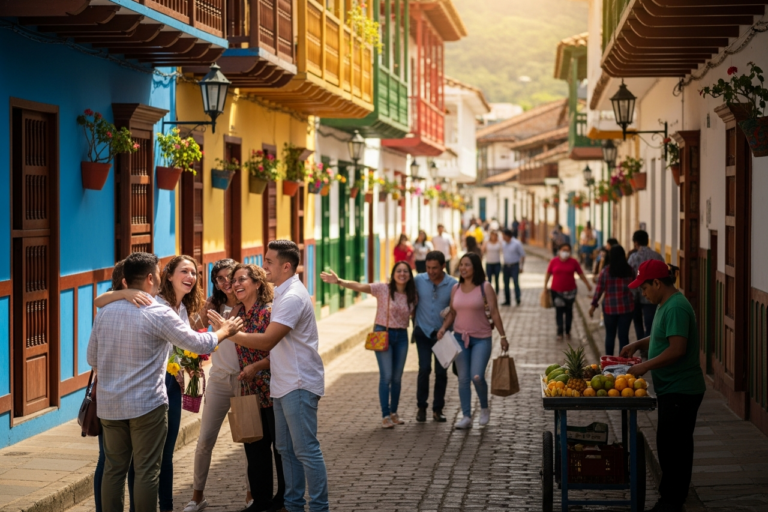
Body language is also important when you meet someone. People may use handshakes and cheek kisses to say hello.
-
Colombian Spanish has special slang and ways to say things. Knowing these will help you in many ways.
-
When you understand how greeting works in Colombian culture, you will make a good impression on others.
Introduction
Welcome to the fun world of Colombian greetings! If you plan to visit this amazing South American country, knowing how people say hello and goodbye is a good way to connect with others. The Spanish language in Colombia has many special sayings and friendly customs. Learning these greetings can help you build your language skills, and make it easy to talk with people in Colombia. So, get ready to enjoy the warm and friendly spirit of the Colombian people and their culture.
Typical Greetings in Colombia: What to Expect When Saying Hello and Goodbye
When you go to Colombia, you will see the way of greeting is important. The people often use a simple “hola,” but sometimes greetings are longer based on the situation. The people are warm and show how they feel, so taking time to greet someone well means a lot.
If you meet someone for the first time or with a friend, people use many different greetings in Spanish all over Colombia. Let’s look at some common ways people say hello there.
1. “Hola” – The Universal Hello
“Hola” is the most common and simple way to greet people in Colombia. People use it often, just like in other Spanish-speaking places. This word is useful in many ways. You can say “hola” when you walk into a shop, meet up with friends, or talk with someone new. You can use this word at any time of day. It is a good, reliable greeting for anyone traveling in Colombia.
This word, “hola,” is the start for most colombian greetings. People all get what you mean when you say it. Most of the time, someone will add a question after saying “hola” to make the greeting a bit more warm or show interest. You can see “hola” as the doorway to a friendly chat in colombian spanish.
It’s good to use “hola” as a first step. After some time, you can start to use more phrases and expand your spanish vocabulary for ways to say hello in Colombia. “Hola” is a solid foundation to learn more about greeting people and making friends in colombian culture.
2. “¿Cómo estás?” and “¿Cómo vas?” – Asking How Someone Is
After you say “hola,” people in Colombia often ask how you are. The phrase “¿Cómo estás?” (How are you?) is common and polite. You can use it with most people. It’s a friendly conversation starter and shows you care about their well-being. You will hear this in social interaction not just in Colombia, but in other Spanish-speaking places, too.
There is also a more casual, Colombian way to ask. People say “¿Cómo vas?”, which means “How are you going?”. Friends, family, and acquaintances use this with each other. This is a warm and relaxed way to check on someone.
When you use these colombian greetings, you show you understand how conversations work in Colombia. These phrases help you connect with people in a better way. They move you from just saying hi to really talking. These small ways to start talking can make a big difference for you and the other person.
3. “¿Qué más?” and “¿Qué hubo?” – Everyday Colombian Slang Greetings
If you want to fit in like a local, try using some colombian slang in your greeting. “¿Qué más?” is everywhere in Colombia. People use it just like “What’s up?” or “What else is new?” in English. The literal translation means “What more?” But you will find that it is used as a friendly and casual conversation starter. It does not matter if you are in the middle of the city or just having a chat with your friends, you will hear it a lot.
Another greeting that is popular in everyday colombian spanish is “¿Qué hubo?”, which people often shorten to “quibo” (you say it ‘kyoo-bo’). This one is very informal. People use it when they talk to friends or someone they know pretty well. It shows off the colombian way of speaking.
Using these expressions will make your colombian friends happy. People will see that you are trying to learn how they speak and understand their culture. These greetings add a real local touch to your spanish. They help you connect with others in a more relaxed and friendly way.
4. “Buenos días”, “Buenas tardes”, “Buenas noches” – Time of Day Greetings
In Colombia, people are very polite when saying hello, and they greet others based on what time of day it is. This way of greeting is a big part of being respectful in a Colombian setting. In the morning, people say “Buenos días” (good morning). It is the way to greet someone before noon.
After noon, people start to say “Buenas tardes” (good afternoon). People use this greeting until the sun goes down, around 6 p.m. This is what you’ll often hear when people walk into a store or eat at a restaurant in the afternoon.
When night comes, the greeting changes to “Buenas noches.” This means both “good evening” and “good night.” You say “buenas noches” when you come or go at night, and also before you go to bed. Using a greeting that fits the time of day is an easy way to show you care and want to be polite when in Colombia.
5. “¿Bien o no?” and “¿Todo bien?” – Friendly Check-Ins
If you want to greet someone the Colombian way in an informal setting, you can say “¿Bien o no?”. This means “Good or not?” in English. It is a short and friendly check on how someone is doing. People use this when talking with friends or in a relaxed group.
You can also use “¿Todo bien?” which means “All good?”. This one is also very common and casual. It’s easy to answer, too. Most people just say, “Sí, todo bien”—which means, “Yes, all good.” Both ways show the laid-back feeling in Colombian social context.
Save these kinds of greetings for friends, people you know well, or informal moments. If you use them right, they show you get the Colombian way of speaking. They are good sayings to have in your vocabulary when saying hi to others.
Regional and Social Differences in Colombian Greetings
Just like the mountains and beaches are different in Colombia, the way people greet each other is different too. People use different greetings based on the right social context and on where they live. On the coast of Colombia, people can be more open and easy-going with their greeting than, for example, those you find in the capital city.
The amount of formality in a greeting is also important. When you greet someone at a business event, it may feel a lot more formal than with close friends. If you learn about this before you meet people in Colombia, you will be able to adjust your greeting to fit well, whether you are in a busy city or in a small quiet town.
6. Greetings in Bogotá vs. Other Regions
In Colombia, greetings can have a distinct regional flavor. In the capital, Bogotá, people are often perceived as being a bit more formal and reserved in their initial interactions. You’ll find that standard polite greetings are very common, and people might use the more formal “usted” form of “you.”
In contrast, on the Caribbean coast of Colombia, in cities like Barranquilla and Cartagena, the atmosphere is generally more relaxed and informal. People are often more expressive, and informal greetings are the norm. You’re more likely to hear lively slang and receive warmer, more physical greetings.
Here’s a quick comparison to help you understand the regional differences in Colombian greetings:
|
Feature |
Bogotá (Andean Region) |
Caribbean Coast (e.g., Barranquilla) |
|---|---|---|
|
Formality |
Generally more formal and reserved in initial meetings. |
More informal, relaxed, and expressive from the start. |
|
Pace |
Conversations and greetings may be more paced. |
Interactions are often faster-paced and more energetic. |
|
Slang |
Uses its own set of local slang. |
Known for its unique and colorful coastal slang. |
|
Body Language |
A firm handshake is common; cheek kisses are standard. |
Greetings may be more physical and animated. |
7. Formal vs. Informal Greetings in Colombia
Knowing when to use formal or informal greetings is important in any language, and this is true for Colombian Spanish too. Formal greetings are used when you talk to older people, people in charge, or new acquaintances you meet at work. In these cases, you should use “usted” for “you” instead of the informal “tú”. The word “usted” shows respect in Colombian greetings.
For instance, when you meet a new business contact in Colombia, you should say, “Buenos días, ¿cómo está usted?” This is seen as polite. You would not use the casual greeting “¿Qué más?” here. The words you pick and the tone of voice can shape how the whole social interaction will go. Colombian Spanish has more formal greetings with new people than what you might see in Spain, where people tend to use “tú” with more people.
With friends, family, and people your age, you can use informal greetings. Here, it’s okay to use phrases like “¿Qué hubo?” and “¿Todo bien?” You need to know when to change between formal and informal ways of talking. This is important for good social interaction in Colombian culture. Being able to use colombian greetings in the right way helps you connect better with others.
8. Body Language and Gestures When Greeting
In Colombia, the way people greet each other is about more than just words. Body language is a big part of it, too. When you do a simple “hello,” it often comes with a gesture that feels warm. People also make eye contact, which shows that they are really paying attention to you.
If you watch how people in Colombia greet one another, you will see some customs. When men meet men, they usually give a firm handshake. When it’s women greeting women, or a man and a woman meeting, there is often a kiss on the right cheek. This kiss is light—normally just a soft touch of the cheeks with a kissing sound.
Here are a few important things to know about body language in Colombian greetings:
-
Cheek Kiss: In colombian greetings, an air kiss on the right cheek is common for women greeting women or when a man greets a woman. Men only do this if they are close friends or family.
-
Handshake: The handshake is strong and is usually between men and in places like work or formal events.
-
Hugs and Pats: For close friends or family, it is usual to give a hug or pat someone on the back. This makes the greeting friendly and warm.
Saying Goodbye and Polite Farewells in Colombian Spanish
Just like there is a way of greeting someone in Colombia, there is also a way of saying goodbye. People in Colombia say goodbye in a warm and friendly way, just like when they say hello. They often let the other person know they hope to see them again, so the goodbye does not sound like it will be for a long time. Instead, it feels like a “see you later.”
In Colombian Spanish, people use polite goodbyes. It is common to thank the other person for their time or for being a good host. No matter if you are leaving a party or just finishing talking to someone on the street, it is normal to end things in a nice and friendly way. This is a big part of the culture. Now, let’s look at some common ways people do this.
9. Friendly Ways to Say Goodbye
When it’s time to say goodbye in Colombia, there are some easy and friendly phrases you can use. The word “Chao” is used a lot, and you will hear it in both relaxed and serious talks. It is quick, simple, and feels warm in any group of people. You can use it with anyone.
The word “Adiós” is heard too, but you might feel that it is a little more formal or maybe sounds final, like you might not see that person again soon.
If you want your goodbye to feel warmer, you can put other words with “chao.” You can say, “Chao, que estés bien,” which means, “Bye, hope you’re well.” This works great when you say it to a good friend or someone you have just met. If you and the other person think you will see each other the next time soon, you can use, “Nos vemos.” It’s like saying “See you” in English.
When you leave a group of people, it’s a nice idea to say goodbye to everyone at once. Just use, “Chao a todos, gracias por todo,” which means, “Bye everyone, thanks for everything.” This always helps you leave in a good way.
No matter who you talk to, always know that giving a nice greeting or a kind goodbye is an important part of life in Colombia.
10. What Not to Say: Cultural Etiquette Around Greetings
Knowing about colombian culture and the right thing to do helps you make a good impression. There are things you should not do, too. One thing is to not act too casual in a formal situation. Words like “Quibo” might be fun when you talk with friends. But it is not good to use them when you meet your friend’s grandparents or other people for the first time. At these times, use polite greetings like “Buenos días.”
In colombian culture, it is also not good to jump right into a talk without saying hello first. If you just start talking, people might think you are rude. Take a short time to greet by saying “Hola, ¿cómo estás?” This tells people that you are kind and that you care.
The last thing to note is about touching. In Colombia, people may greet each other with a cheek kiss, but this is usually only for women or when a man greets a woman who is not just an acquaintance. If you are a man and you meet another man, you will give a handshake. When you are not sure what to do, saying hello out loud is always a good idea and shows respect.
[hola]
Conclusion
To sum it up, knowing how to greet people in Colombia can really make your trip better. It helps you connect more with the people there. Simple words like “Hola” and even phrases like “¿Qué más?” or the polite “Buenos días” show the warm and friendly side of colombian culture. These greetings mean a lot for their culture and are used by many.
It is good to note that greetings can change based on which part of colombia you are in or who you talk to. If you know this, your talks and meetings will go smoother. When you follow these customs, it shows you respect local ways. It also helps you build strong connections with others.
If you are getting ready to travel, remember: just saying “hola” or using a common greeting can make a big difference. You might meet new people and make great memories. Have fun exploring and enjoy everything that colombian culture has to offer!
Frequently Asked Questions
What are the most common greetings used in Colombia?
The most common Colombian greetings are easy to remember. You will hear “Hola” a lot. People also say things based on the time, like “Buenos días.” Friendly people may ask, “¿Cómo estás?” to see how you are.
In more relaxed Colombian Spanish, there are other words that people use. They might say, “¿Qué más?” or “¿Todo bien?”. These greetings are cool and you will hear them often when you talk to locals. These ways of saying hi show how warm the Colombian people can be. If you want to greet someone in Colombia, try using these simple phrases in Spanish.
How do greetings in Colombia differ from those in Spain?
Colombian greetings often be more formal when people meet for the first time. People in Colombia like to use “usted” to show respect. Both Spain and Colombia use spanish. But, colombian spanish has some words that are mostly used in colombia. In Spain, you will see that they use “tú” a lot more. People in Spain also give two kisses on the cheek when they greet each other. In colombia, people just give one cheek kiss.
Are there special greetings used depending on the time of day in Colombia?
Yes, in Colombia, it is polite and common to use greetings based on the time of day. People say “Buenos días” in the morning. In the afternoon, you should say “Buenas tardes.” When it is evening or night, use “Buenas noches.” This is a normal thing when giving Colombian greetings in Spanish. People in Colombia expect this, and it is a part of daily life.



