

Key Highlights
-
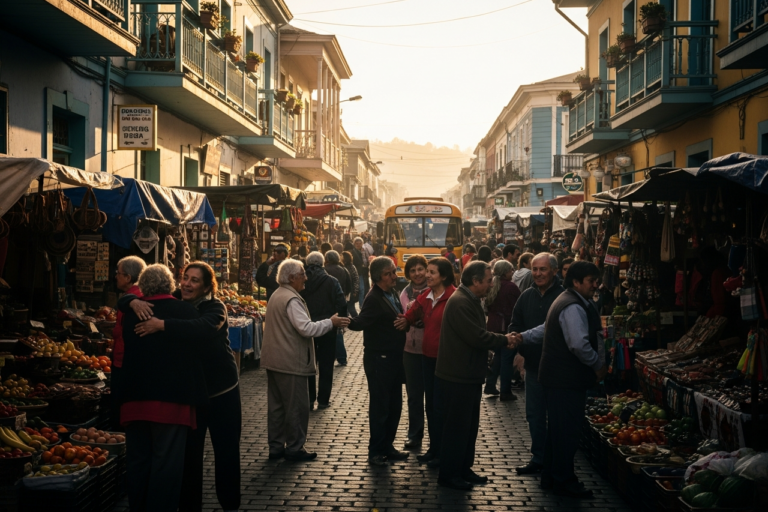
In Chile, the most common greeting includes some form of touching, like a firm handshake or giving a single kiss on the right cheek.
-
If you are with close friends or family, people often do the “abrazo,” which is a mix of a handshake and a hug.
-
Making direct eye contact is very important at this time, because it shows you are honest and you respect the other person.
-
When people are at a social gathering, they greet each person one by one, and they also leave by saying goodbye to everyone in the same way.
-
Formal greetings use titles like “Señor” or “Señora.” People usually save first names for those they know well.
Introduction
Are you getting ready for a trip to Chile? If you are, you will have a great time. When you meet people there, it helps to know a common greeting. It will help you feel more at ease and connect with others. The greeting chileans use is a sign of respect and warmth. Knowing about these gestures let you get more from your time in chile. This guide will show you the main greetings in chile. It will help you handle your journey with confidence and kindness.
Greeting Customs in Chile: An Overview
When you meet someone in Chile for the first time, it is common to use a handshake. This works well if you are at a social gathering or in a casual meeting. It is also good for any formal meeting you have. In Chile, people tend to stand closer than you might be used to. That is because people in Chile like physical touch during greetings.
When it comes to close Chilean friends or family, you may see that they give a kiss on the right cheek or a warm hug. In Chile, people want to have a good and friendly connection with others, and you can see this from how they greet you. When you start with a handshake, it shows you are polite. But, over time, especially if you are with friends or in a social gathering, greetings can become even more warm and close.
The Importance of Greetings in Daily Life
In Chile, greeting someone is more important than just saying “hello.” It is a sign of respect and an important part of how people in Chile act around each other. When you take time to greet someone the right way, you show that you see them and that they matter to you. Sometimes, this can be a handshake or even a kiss on the cheek. No matter how you do the greeting, this step is key every day.
When you say hi, it is good to use direct eye contact. Looking someone in the eye means that you are being honest. It also helps build trust from the start. If you look away when you meet someone, they may think you do not care or you are hiding something. That is why eye contact is so important.
Personal space also matters when you greet people. Chileans often stand toward you and be close when they talk. Knowing about these habits will help you act well and be nice while you are there. If you are a tourist, a warm smile and saying “hola” in a confident way can show that you respect local ways and want to get on with the people.
Regional Variations and Cultural Influences
Like many places in South America, Chile has its own way of showing who the people are, and this comes out in the way people greet each other. In Chile, a kiss on the cheek or a friendly “abrazo” (hug) is common. But, you might see small changes in how this is done, depending on where you are in the country. When it comes to speaking, Chilean Spanish sounds different, too. It has a lot of its own words and slang that change the way people talk every day.
In the south of Chile, it is normal for young people to call their friends’ parents “tío” or “tía”, which means uncle or aunt. This does not mean they are real family. It shows how close people feel and gives a special, warm touch to daily life in the community. The way people talk and use these words shows how much relationships matter in Chile.
Chilean Spanish is a special kind of Spanish that has its own feel. While some greetings are used everywhere, you just cannot miss the local touch. The best thing you can do is to watch what people do and listen to how they greet each other. This helps you fit in, whether you are at work or just hanging out. Paying attention will help you really get to know the way Chilean greetings work.
Common Ways to Greet Someone in Chile
The most common greeting in chile is when people make some kind of contact. A firm handshake is normal and you do it when you meet someone for the first time or when you are in work situations. For people who know each other, like acquaintances or friends, a light kiss on the right cheek is the standard way to greet. This goes for both women meeting men and women meeting other women.
If you are with close friends or family, people do an “abrazo.” This is a warm hug that sometimes comes with a handshake and a pat on the back. People use the abrazo a lot. It makes the greeting feel special and shows the close feeling in their culture.
These types of greetings show how warm and open chile can be. The way people greet each other tells us a lot about life there. Next, we will look at words, common slang, and phrases people say along with these greetings.
Saying “Hello” in Chilean Spanish
In Chilean Spanish, you don’t just say “hola.” The time of day can change what greeting you use. Saying the right thing helps you look polite in Chile. It shows that you know about local ways and want to connect with people. People use these greetings a lot with friends, family, or at work.
For example, you say something different in the morning than you do at night. Many other places that speak Spanish also do this. Chile is the same. It is a good way to be clear and nice when talking to others.
Here are the main greetings to know in Chile:
-
Buenos días: This means “Good morning.” You use it until noon.
-
Buenas tardes: This means “Good afternoon.” People start to use it at noon, and you can say it until it gets late.
-
Buenas noches: This means “Good evening” or “Good night.” You use this when it is dark outside.
Knowing when to say “buenos días,” “buenas tardes,” or “buenas noches” will help you make a good impression in Chile. This is a friendly way to greet someone and sound like a local when you speak Spanish.
Popular Slang and Local Expressions
Chilean Spanish is well-known for its slang words and different ways of saying things. When you meet someone for the first time, it is best to talk in a formal way. But if you use a little bit of slang when you make new friends, it can help you get closer to them. Keep in mind that slang is sometimes only used in the right time or place.
People in Chile often add the word “po” to the end of what they say. It is something you will hear a lot when people talk to each other. The words “carrete,” which means party, and “carretear,” which means to party, are a big part of Chilean vocabulary. The local way of speaking, or dialect, really shows itself with these words.
Here are some other well-known slang words from Chilean Spanish:
-
¿Cachai?: “Do you get it?” or “You know?”
-
Wena: This is slang for saying “bueno/buena” or good.
-
Luca: This word is slang for one thousand Chilean pesos.
-
Pololear: This is the Chilean Spanish verb for being in a romantic relationship.
Formal vs. Informal Greetings
Knowing how to greet people in Chile is important. You want to greet the right way, whether you are in a formal or informal setting. If it is a formal situation, like a business meeting or when you meet someone for the first time, give a firm handshake. People also use titles and last names in these cases, and they wait until they get invited to use a first name.
In more relaxed settings, greetings are different. With friends and family, people often give hugs and kisses. Everyone uses first names. The next parts will talk more about how to act in both casual get-togethers and work situations in Chile.
Social Etiquette for Friends, Family, and Strangers
When you are with close friends, family, or even new friends in Chile, greetings are friendly and personal. With close friends and family, people give a kiss on the right cheek or a warm abrazo. These greetings make people feel close and welcome.
If you are meeting new friends or acquaintances for the first time, it is also common to give one kiss on the cheek. This happens a lot between a man and a woman, or between two women. This gesture helps people feel at ease and welcomed right away. Men often shake hands or hug if they are close.
When you meet strangers, a handshake is always a safe and respectful greeting. At a social gathering, it shows a sign of respect to greet every person one by one when you arrive and say goodbye to everyone before you go.
Business Greetings and Professional Settings
In Chilean business culture, greetings are more formal than in social settings. A firm handshake and direct eye contact are essential when meeting a colleague or client for the first time. It is a sign of professionalism and mutual respect.
When entering a meeting, it’s customary to greet the most senior person first. Address individuals by their professional title (e.g., Doctor, Director) and last name. You should wait to be invited before using someone’s first name. Men should typically wait for a woman to extend her hand for a handshake.
Even digital communication has its own etiquette. Business emails should start with a formal salutation. Here is a quick guide to common verbal greetings in different professional situations.
|
Situation |
Greeting Phrase |
Translation |
|---|---|---|
|
Morning |
Buenos días |
Good morning |
|
Afternoon |
Buenas tardes |
Good afternoon |
|
Evening/Night |
Buenas noches |
Good evening/night |
Typical Gestures and Physical Customs
Physical touch is a big part of how people say hello in Chile. You will see that a handshake, an abrazo (which means hug), and kisses on the cheek are all things that people do often. These are not just actions you use when you have to. The handshake or abrazo shows that people are warm and real. This helps you make a good connection with others.
It is good to know about these customs when you want to make a good first impression. While using a handshake is a sign of respect everywhere, learning when it is right to use a hug or a kiss makes it easier to talk to people. The closeness you use with physical touch will change depending on who you are meeting and what the meeting is for. We will talk more about that.
Handshakes, Hugs, and Kisses—When and How They’re Used
A firm handshake is common when people meet for the first time or in a formal setting. This kind of greeting is neutral and respectful. Men often use it with other men, and it is also used by men and women in work places.
A single kiss on the right cheek is very common in social situations. Women greet both men and women this way. Men also kiss the right cheek of their female friends and family members. You will see this happen with people who are acquaintances. It is not just for close friends.
The abrazo is for close friends and family. This warm hug usually begins with a handshake and is followed by a pat on the back. The abrazo is a strong way to show care and friendship. People often use it at family get-togethers and when good friends meet.
Gender Differences and Respectful Interactions
Gender is important in how people greet each other in Chile. Still, people try to make every meeting feel good and show respect. Most people use some kind of physical greeting, and men and women both do this. Even so, there are simple rules that help keep things polite.
For example, if you are a man and you meet a woman in a formal place, wait for her to reach out her hand for a handshake first. At a party or with family, women are the ones who usually start the right cheek kiss with both men and other women. These greetings help to show that you notice the other person’s feelings and care about their personal space and the right way to do things.
The main goal is to be respectful. Here are a few rules to help you with a greeting:
-
Women to Women: A kiss on the right cheek is the standard way to say hello.
-
Men to Women: It is common to have a right cheek kiss when not in a formal place. If it is a work meeting or a formal time, a handshake is what people do, and it is usually started by the woman.
-
Men to Men: People shake hands. If they are close friends, an abrazo—a warm hug—is common.
A handshake, a kiss on the right cheek, and real respect for people’s personal space matter a lot in day-to-day greetings in Chile. Close friends may show care in a bigger way with an abrazo.
Conclusion
To sum up, learning how people greet each other in Chile gives you a good idea of their culture. You will see people use warm, friendly greetings with friends. At work or in formal settings, people are more polite and keep things respectful. The way they shake hands or give kisses on the cheek shows a lot about the area and their close ties with others. If you follow these customs, you will get more out of your trip and get to know people better. If you want to know more about Chile and its people, feel free to ask for more info!



