

Key Highlights
-
The most used formal greeting in Bangladesh is “Assalamu Alaikum.” This comes from Arabic.
-
Bengali greetings like “Nomoshkar” are common, too. These show the mix of different cultures in Bangladesh.
-
Some people in cities, mostly young, also use English greetings like “hello” and “hi” more often now.
-
There are greeting words in Bengali for different times. For example, “Shubho Shokal” means good morning.
-
People use special Bengali words and actions to greet elders. This shows respect.
-
How people greet each other in Bangladesh depends on if it is formal or not, what the event is, and their relationship. Some greetings are very casual, but some are very formal.
Introduction
Welcome to the bright world of Bangladeshi greeting! If you want to visit or you are just curious about the culture, knowing how people say hello is a good start. A simple greeting can open new doors and help you make friends. In Bangladesh, the way people greet each other holds deep respect and warmth. Here, you will find both old and new ways of greeting, along with common words and simple moves people use. This will help you fit in and say hello the right way—with the right words, the right signs, and a nice smile—no matter where you go in Bangladesh.
Common Ways to Greet in Bangladesh
In Bangladesh, people use “Assalamu Alaikum” as the most common formal greeting. It is a well-known Muslim greeting used around the world. You will hear it in almost every formal or first meeting. It shows that one has respect and good wishes for the other person.
At the same time, you will come across many Bengali greetings too. The greeting someone picks often depends on what is going on and who they are talking to. Let’s take a closer look at these greetings.
Saying Hello in Bengali (Nomoshkar and Salam)
When you meet someone for the first time in Bangladesh, the right greeting can help you. One of the most used formal greetings is “Assalamu Alaikum.” This is an Arabic phrase. It means “Peace be upon you.” People often say it as a common Muslim greeting. If someone says this to you, the way to respond is, “Wa Alaikum Assalam.” This means, “And upon you, peace.”
You might also hear people say “Nomoshkar” as a greeting. This is a warm way to greet someone in Bangladesh too. While it is often used by the Hindu community, many people in Bengal use it and understand it, no matter their faith. It is both polite and kind.
Here’s a quick breakdown:
-
Assalamu Alaikum (Salam): This is the main formal greeting. It is a common Muslim greeting and shows respect.
-
Nomoshkar: This is a term that people use for many situations. It is both respectful and clearly understood by many Bengalis.
-
Salamu Alaykum: This is another way to say the main Arabic greeting.
These greetings are a good way to start a talk in Bangladesh, whether you want to sound polite or just say hello.
English Greetings and Their Popularity
You may not know this, but using English greetings is very common in Bangladesh, mostly in the cities and with the younger people. Words like “Hello,” “Hi,” and “How are you?” can be heard in daily talks, and they mix well with Bengali.
This happens because of the reach of global shows, movies, and social apps. For many, speaking English sounds modern. There is also a lot of English in work, school, and talks with friends when things are casual.
-
Urban Youth: Young people in cities use English greetings to chat and because it feels friendly and stylish.
-
Social Media Influence: Apps like TikTok help spread these phrases. This gives every talk a little bit of joy and helps them look up-to-date. While a formal greeting is still used in many places, English is now a big part of how people in Bangladesh say hello.
[formal greeting, little bit of joy, greeting, bangladesh, bengali, tiktok, english]
Time-Based Greetings in Bangladeshi Culture
Just like in many other places, people in Bangladesh say different greetings based on the time of day. When you say “good morning” or “good night” in Bengali, it shows that you care and want to talk with people in their own language. This is a nice way to connect with people and learn their customs.
When you use these greetings, it feels more friendly and clear. If you greet someone with “good morning” in Bengali, it starts the day right. If you say “good night,” it shows you wish them a peaceful sleep. People will like that you try to use the right greeting. Next, we will learn what to say for “good morning” and “good night” in Bengali.
Good Morning, Good Afternoon, and Good Night in Bengali
Using time-specific Bengali greetings is a fantastic way to make your conversations feel more natural. These phrases are used in both Bangladesh and the neighboring Indian state of West Bengal, where Bengali is also spoken.
For “good morning,” you would say “Shubho Shokal.” As the day progresses, you can switch to “Shubho Bikal” for “good afternoon” and finally “Shubho Ratri” for “good night.” These are simple, polite, and easy to remember.
Here is a simple table to help you learn these essential Bengali greetings:
|
English Greeting |
Bengali Greeting |
Pronunciation |
|---|---|---|
|
Good Morning |
Shubho Shokal |
Shoo-bho Show-kaal |
|
Good Afternoon |
Shubho Bikal |
Shoo-bho Bee-kaal |
|
Good Night |
Shubho Ratri |
Shoo-bho Raa-tree |
Seasonal and Occasion-Specific Greetings
Bangladeshi culture has many greetings for different events, not just for daily life. The greeting you use often depends on what is happening. It could be a religious festival, a big holiday, or a personal event like a wedding.
For instance, during Eid, people say “Eid Mubarak” to each other. On Bengali New Year, you will hear people say “Shubho Noboborsho.” These greetings are the heart of the celebrations. Using them makes you part of the happy moment.
When you leave, you do not always say a simple goodbye. There are special ways to say it, like:
-
Abar Dekha Hobe: This nice Bengali phrase means “We will meet again.”
-
Bhalo Thakben: This means “Take care” or “Stay well.”
-
Khoda Hafez/Allah Hafez: A popular way to say goodbye. It means “May God protect you.”
Knowing these ways to greet or part can help you join in the culture. You can use phrases like “abar dekha hobe” to make your goodbyes a bit warmer.
Polite and Respectful Greetings for Elders
Showing respect to an elder is very important in Bangladeshi culture. You can see this in the way people greet each other. When you greet someone older, you should use a more formal greeting and show more respect with your actions. Usually, you say “Assalamu Alaikum” to start.
Some people may also lightly touch the elder’s feet to show even greater respect. Another way to show good manners is to use your right hand and place it on your heart after you shake hands. These ways of greeting with your words and body show respect, honor, and thank the elder for their wisdom. In this guide, you will learn what to say and what actions to use for a formal greeting.
Addressing Elders and Authority Figures in Bengali
When you talk to an elder or someone with authority in Bangladesh, it’s very important to use the right words and honorifics. The Bengali language uses different pronouns and verbs to show respect. For the word “you,” always use “apni” instead of “tumi” or “tui,” which are less formal.
This respect also shows in how you call or greet someone. In a formal greeting, it’s common to add “bhai” (which means brother) or “apa” (which means sister) after someone’s name. People do this even if they are not family. It is a way to show both respect and warmth. If you want to be even more formal with your Bengali greeting, ask how to say their professional title, and then use it with “shaheb” for men or “begum” for women.
When you use these bengali greetings and call people by these titles, it shows that you know and care about how things are done in Bangladesh. This small thing can help make a good connection with others.
Gestures and Body Language in Formal Greetings
In Bangladesh, the way you use your hands or body can say a lot, not just what you say out loud. This is more true during a formal greeting. If you give the right non-verbal signs, you show real respect. For example, when greeting an elder or in any formal event, you want to look and act calm and respectful.
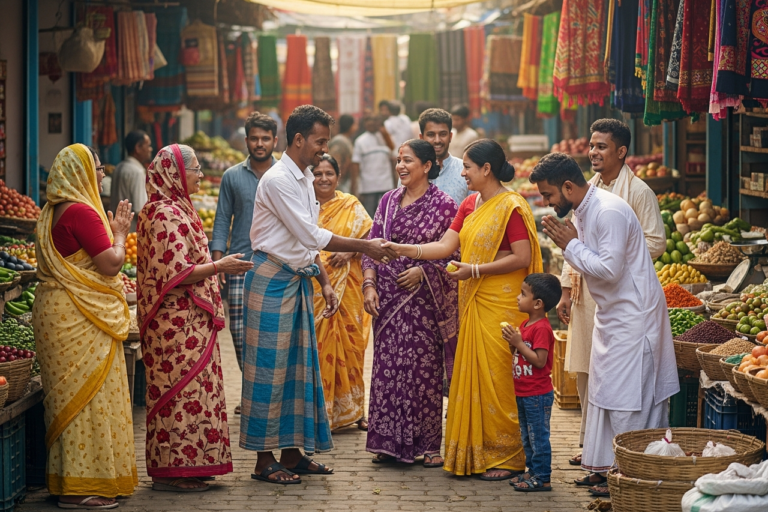
One greeting that is very common is called the Salam. You raise your right hand up to your forehead, with your palm facing in. At the same time, you say, “Assalamu Alaikum.” It is a respectful thing mostly for formal moments and when you meet elders. Handshakes are common too, but you should only use your right hand for this. In Bangladesh, people see the left hand as dirty, so always use your right hand.
-
The Salam: Raising your right hand to your forehead is a big part of a formal greeting.
-
Right Hand Rule: Always use your right hand to shake hands, give, or get something. When you do these little things, you add a little bit of joy and show extra respect when you greet someone in Bangladesh.
Conclusion
To sum up, every greeting in Bangladesh is part of what makes the country full of life and color. When you say “Nomoshkar” or “Salam,” you are saying more than hello. These words have meaning, and they show respect. If you understand these greetings, you can make your time in Bangladesh better and know more about the culture. In Bangladesh, people have special ways to say hello at different times of day, and there are also unique ways to talk to older people. Each greeting helps people feel close and shows care for others. So, when you are in Bangladesh, give greetings with a smile. It can help you make friends fast and leave a good mark on people’s hearts. Enjoy this part of Bangladeshi culture and use your greetings to welcome the people around you.
Frequently Asked Questions
Are there different greetings in rural vs urban Bangladesh?
Yes, there are differences. In cities in Bangladesh, people use both Bengali and English when they greet others. In the countryside, “Assalamu Alaikum” and other formal Bengali greetings are used more. But, in every place of Bangladesh, showing respect in a greeting is always important.
How do Bangladeshi friends greet each other casually?
Among friends, the greetings are easy and happy. There can be a fast “Salam” or the simple “Kemon achish?” (How are you?). People also say “Ki khobor?” (What’s up?). English words like “Hey” or “What’s up?” are also used. Many younger friends in cities like to say these greetings.
What are typical greetings used in text messages or online chats?
In text messages and chat apps, people often use short greetings. Many write “Asa” instead of “Assalamu Alaikum.” Some also greet each other with “Hi” or “Hello” in English. You will see the Bengali script being used. But a lot of people write in “Banglish,” which is just Bengali written using the English alphabet. This makes talking quick and simple for everyone.



