

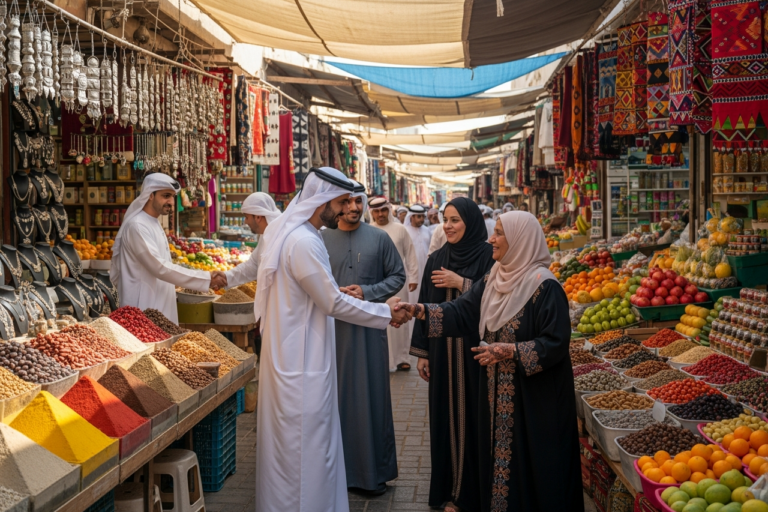
Key Highlights
-
Greetings are a big part of Bahraini culture. People use them to show respect and make connections in daily life.
-
“As-salamu alaykum” is the greeting you hear the most. It is part of the country’s Islamic roots.
-
Saying polite phrases, like “Ahlan wa sahlan” (welcome), helps to have positive interactions.
-
Knowing local customs for face-to-face gestures, like handshakes, is important.
-
Greeting customs for visitors mean you have to be polite and watch your body language.
-
Modern Standard Arabic is the official language, but most people feel good when you try to use basic phrases.
Introduction
Welcome to the beautiful island nation of Bahrain! When you get ready for your trip, it helps to learn about local customs. In Bahrain, a big part of life is about hospitality and greetings. By knowing the right way to greet people, you show respect. This also helps you connect with the friendly and warm people there. This guide will show you the main greetings you need. It will help you feel sure about social interactions and make things easier when you visit.
The Importance of Greetings in Bahraini Culture
In Bahraini culture, saying hello is more than just a word. This greeting is very important in daily life. It shows respect, helps people get along, and brings about positive interactions. The official language of Bahrain is Modern Standard Arabic. If you use even a few words of Arabic, it shows you care about their culture.
When you greet someone in Bahrain, you show them that you see them and wish them well. These small actions can matter a lot. They help you make good connections with people in Bahrain. Greetings are a big part of how things work every day, and they matter to visitors.
Let’s see why greetings play a role in daily life and how they help in building relationships in Bahraini culture.
Role of Greetings in Everyday Life
For people in Bahrain, greetings are a big part of daily life. When you walk through the souq or go to a business meeting, people expect you to say hello. It is not just about being polite. This greeting is part of what people in Bahrain do every day, and it helps keep good ties and respect between people.
The most common greeting is “As-salamu alaykum.” It means “peace be upon you.” People use this Arabic greeting all the time. You will hear it in busy markets and also in quiet places. This helps set a warm and friendly feel when you meet someone.
Knowing these local customs is a good way to get closer to people in Bahrain. When you use this greeting, you show that you care about and respect their way of life. It does not take much, but it makes your talks with others feel more real and fun. Using greetings like salamu alaykum is easy, and it can help you fit in with Bahraini daily life.
Why Greeting Customs Matter for Visitors
If you visit Bahrain, it helps to learn and use local greeting customs. This is a good way to show you respect Bahraini culture. It shows you want to know more and connect with people in Bahrain. These small steps can make you feel more like a guest than just a tourist.
When you use polite phrases and the right gestures, you can handle social settings with ease. People in Bahrain are known for their hospitality. They will notice and like that you made an effort, even if your pronunciation is not perfect. It helps people get past any cultural gaps and makes it easier to understand each other.
Here’s why this is good:
-
Builds Positive Connections: The right greeting makes people in Bahrain feel that you respect them and see their value.
-
Shows Cultural Sensitivity: It tells others that you notice and care about what is polite and right in their culture.
-
Enhances Your Experience: It can lead you to better, more real moments and true hospitality.
Learn a few simple greetings, and it will help you enjoy Bahraini culture even more.
Common Ways to Greet Someone in Bahrain
When you want to greet someone in Bahrain, the phrase “As-salamu alaykum” is used the most. People respect this greeting all over the Islamic world. It is a polite and warm way to say hello. When someone says this to you, the standard answer is “Wa alaykumu as-salam.” That means “and upon you be peace.”
In Bahrain, the official language is Standard Arabic, but many people also speak English. Still, it is good to use a few key phrases in Bahraini Arabic. Doing so shows respect, and people will always like it. Below, you will find some of the top phrases for greeting and saying goodbye. We will also tell you how situations change when things are more casual or formal.
Popular Bahraini Phrases for Hello and Goodbye
Expanding your vocabulary with a few key phrases will make your conversations in Bahrain much smoother. “As-salamu alaykum” is the universal hello, but there are other wonderful expressions you can use. “Marhaba” is a friendly and more informal way to say “hello,” similar to a casual wave. For a very warm welcome, especially when entering someone’s home or a shop, you might hear “Ahlan wa sahlan.” A great response to this is “Marhaban bik.”
Time-of-day greetings are also common. You can say “Sabah al-khayr” for “good morning” and “Masa’ al-khayr” for “good evening.” When it’s time to leave, “Ma’a as-salama” is a common way to say “goodbye,” which translates to “go with peace.” For a late-night departure, you can use “Tisbah ala khayr,” meaning “good night.”
Here is a simple table to help you remember these key phrases:
|
English Phrase |
Arabic Phrase |
Pronunciation |
|---|---|---|
|
Hello (Peace) |
As-salamu alaykum |
As-sa-lam-u a-lay-kum |
|
Hello (Friendly) |
Marhaba |
Mar-ha-ba |
|
Welcome |
Ahlan wa sahlan |
Ah-lan wa sah-lan |
|
Good Morning |
Sabah al-khayr |
Sa-bah al-khair |
|
Good Evening |
Masa’ al-khayr |
Ma-sa al-khair |
|
Goodbye |
Ma’a as-salama |
Ma-a a-sa-la-ma |
|
Good Night |
Tisbah ala khayr |
Tis-bah a-la khair |
Differences Between Casual and Formal Greetings
Knowing how formal to be when you give a greeting in Bahrain is important. The type of meeting and your connection with the other person help you pick if you need to use a casual or a formal way to say hello. Using the right greeting shows you are polite and that you understand the situation.
If you are in a formal setting, like meeting an elder or someone for business for the first time, go with “As-salamu alaykum.” This greeting shows a lot of respect. But when you are with friends or people close to your own age, a simple “Marhaba” is good. It is common and feels right in a relaxed group. The way you greet, and the amount of formality you use, can change what kind of handshake or other gestures you include.
Here’s a short guide to help you with these greetings in Bahrain:
-
Formal: Use “As-salamu alaykum” when you meet elders, people in top roles, or when you’re in a business space. Most times, these greetings come with a handshake as a sign of respect.
-
Casual: Go with “Marhaba” for people your age, people in stores, or social get-togethers that are not formal.
-
Context is Key: If you’re not sure, it’s smart to use a more formal greeting first. It is always better to be polite.
Using the right salamu alaykum or marhaba means you care about good form
Cultural Etiquette and Customs for Greetings
In Bahraini culture, the words you say matter, but the way you greet people is just as important. Your body language and the way you move show if you respect and understand the person you meet. If you know and follow the local customs, you will not make people feel uncomfortable. It also helps you fit in better when you talk to others.
There are many small things to notice, like the rules about touching and how men and women greet each other. If you know which gestures are good and which should be avoided in Bahraini culture, your greetings will go well every time. Now, let’s talk about things like handshakes and other important etiquette rules, so you know what to do.
Appropriate Physical Gestures (Handshakes, Kisses, and More)
Physical gestures are a big part of greeting people in Bahrain. But you need to follow some simple etiquette rules. When people greet each other, handshakes are very common—especially between men. You should always use your right hand. The left hand is not used in many Islamic cultures, as people think it is unclean.
When men and women greet each other in Bahrain, modesty is very important. A man must wait for a woman to offer her hand first. If she does not want to shake hands, she might choose to say hello or just nod her head. This is not disrespectful. It only means she is being polite and careful with her comfort and faith. Sometimes, men and women in Bahrain might give a light kiss on the cheek. This is only for family or very close friends.
Here are some tips to use good body language in Bahrain:
-
Always use your right hand if you shake hands or pass something to someone.
-
Wait for a woman to start a handshake. If she does not want to, a nod is good enough.
-
Try not to keep eye contact for too long with someone of the other gender. Some people can take it in the wrong way.
Key Dos and Don’ts When Greeting Locals
Getting used to greeting customs in Bahrain can feel tough at first. But, if you follow some simple steps about what to do and what not to do, you will have a much better time. The culture in Bahrain comes from Islam. Being polite, modest, and respectful matter a lot, especially when you greet people.
You should always greet others with a warm and patient look. A real smile can help. Watch what the local people do when they greet each other and try to do the same. Try not to speak in a loud voice or show that you are impatient. Doing those can seem rude.
Here are some fast tips to stay away from mistakes:
-
Do stand up to greet when an elder or someone with a high rank comes into the room.
-
Don’t hurry your greeting. Make sure you take your time and mean it.
-
Do take any offer for coffee or tea, because hospitality is very big in Bahrain. Saying no can come off as not being polite.
-
Don’t use your left hand to gesture, eat, or pass things to other people.
These ideas can help you fit in. They also show respect for the local ways of bahrain greeting customs, politeness, hospitality, modesty, and islam.
Conclusion
To sum up, knowing how to greet people in Bahrain is not only about saying “hello” or “goodbye.” It is about making a connection with the culture and showing respect to the people. Greetings are a big part of daily life in Bahrain, and they help build good relationships. If you get to know some common phrases, and understand the small details of both formal and casual greetings, you will find it easy to talk with others. Try to follow the local etiquette and watch for any physical gestures, because these things matter. When you welcome the warmth of Bahraini hospitality, you make your time in Bahrain better. Make the effort to greet people the right way. If you have any questions or need more help, you can reach out!
Frequently Asked Questions
Are greetings different for men and women in Bahrain?
Yes, greetings may not be the same in every place. In Bahraini culture, there is a focus on modesty. Men and women not related do not usually touch when they greet. It is good for a man to wait until a woman starts to shake hands. Saying hello and giving a nice nod is the right way to be polite. This fits with Bahraini etiquette.
What are the best polite phrases to use with locals?
The best polite phrases in Bahraini Arabic are “As-salamu alaykum” for a formal hello. Say “Marhaba” for a casual hello. Use “Ahlan wa sahlan” to welcome someone. It’s good to remember “Shukran” for thank you. Using these simple, polite phrases in arabic shows respect. The locals will like that and it helps you connect with people in Bahrain.
How do I avoid common mistakes when greeting in Bahrain?
Use your right hand when you greet someone or make hand gestures. It’s good to have modest body language, mainly when men and women talk with each other. Try to follow the main rules of local etiquette. If you are not sure about the greeting customs, look at what the people there do. It is always better to choose formality and politeness in your greeting.



