

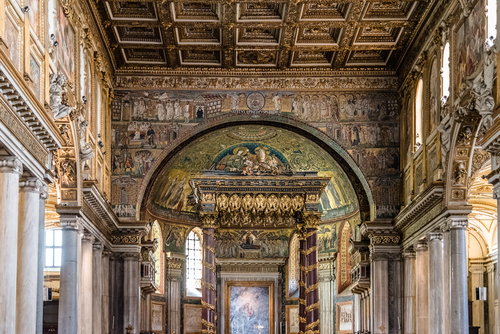
Quick answer: The Dedication of the Basilica of St. Mary Major is a Catholic feast day celebrated on August 5th each year. It commemorates the founding of the Basilica of Santa Maria Maggiore in Rome, one of the oldest and most significant Marian shrines in the world, rooted in a legendary snowfall miracle in the 4th century.
Every August 5th, Catholics around the world pause to remember one of Rome’s most beloved churches. The Dedication of the Basilica of St. Mary Major—sometimes called Our Lady of the Snows—is more than a liturgical calendar entry. For many families, especially those with deep roots in Catholic tradition, it’s a day of prayer, community, and connection to something much larger than themselves.
Whether your family gathers at the local parish or celebrates across borders, this feast carries real meaning. And for those separated from loved ones by distance, it’s often a moment to reach out—with a message or a phone call to help them mark the occasion.
What Is the Dedication of the Basilica of St. Mary Major?
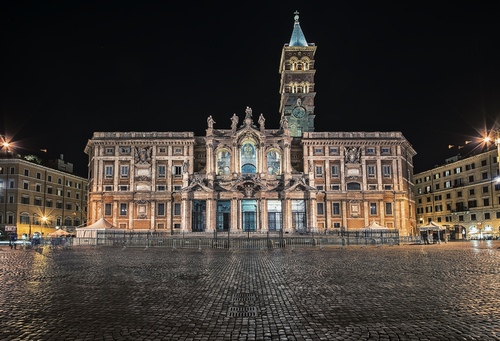
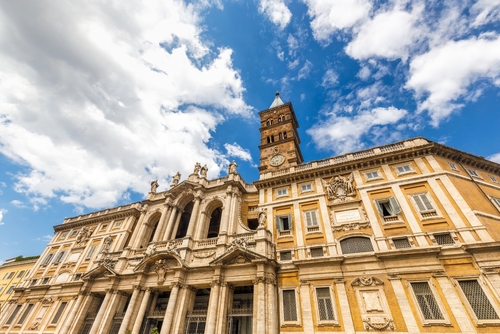
The Feast of the Dedication of the Basilica of St. Mary Major commemorates the founding of the Basilica of Santa Maria Maggiore, located on the Esquiline Hill in Rome. It is one of the four major papal basilicas in the city and holds the distinction of being one of the earliest churches dedicated to the Virgin Mary in the Western Church.
The basilica’s founding is tied to a popular legend. According to tradition, Pope Liberius and a wealthy Roman patrician named John both experienced a vision of the Virgin Mary in the summer of 352 AD. Mary reportedly asked that a church be built on the spot where snow would fall the following morning—an extraordinary request in the heat of an August day. On August 5th, snow fell on the Esquiline Hill, and the church was built on that site.
The basilica was later rebuilt and significantly expanded under Pope Sixtus III in the 5th century, following the Council of Ephesus in 431 AD, which declared Mary as the Mother of God (Theotokos). The structure standing today largely reflects that 5th-century construction, making it one of the oldest surviving early Christian churches in Rome.
Why Is This Feast Day Also Called “Our Lady of the Snows”?
The feast is popularly known as Our Lady of the Snows because of the miraculous snowfall legend associated with the basilica’s founding. While the historical record places the original church in the 4th century, the title “Our Lady of the Snows” became widely used over time and spread across the Catholic world.
Today, numerous churches, shrines, and parishes worldwide carry this name—from the Philippines and India to Eastern Europe and Latin America. In many countries, August 5th is a local parish feast day, celebrated with Mass, processions, and community gatherings.
How Is the Feast Celebrated Around the World in 2026?
In Rome, the celebration at the Basilica of Santa Maria Maggiore includes a special Mass and—in keeping with tradition—a shower of white rose petals released from the ceiling of the basilica to symbolize the miraculous snowfall. Pilgrims travel to Rome specifically for this moment.
Beyond Rome, celebrations vary by region and culture:
- Philippines: Many parishes dedicated to Our Lady of the Snows hold novenas, processions, and community feasts in the days leading up to August 5th.
- India: The Basilica of Our Lady of the Snows in Bandel, West Bengal, is one of the oldest churches in the region. Local Catholics observe the feast with special liturgies and cultural events.
- Poland and Eastern Europe: Marian feast days carry significant cultural weight, and Our Lady of the Snows is observed with devotion in several parishes.
- Latin America: Communities with strong Marian traditions mark the day with public prayers and family gatherings.
For many immigrant families living abroad, this feast is a powerful reminder of home.
What Makes the Basilica of St. Mary Major Historically Significant?
The Basilica of Santa Maria Maggiore is one of only four churches in Rome that hold the status of a major papal basilica. The others are St. Peter’s Basilica, the Basilica of St. John Lateran, and the Basilica of St. Paul Outside the Walls.
What sets Santa Maria Maggiore apart is its role in early Christian history. The stunning 5th-century mosaics inside the basilica are among the finest surviving examples of early Christian art. They depict scenes from the Old Testament and the life of Christ, and were commissioned specifically to celebrate the Council of Ephesus’s declaration of Mary as Theotokos.
Several popes are buried within the basilica, including Pope Sixtus V and Pope Paul V. It remains an active place of worship and a major pilgrimage site.
Frequently Asked Questions
When is the Dedication of the Basilica of St. Mary Major celebrated in 2026?
The feast is celebrated on August 5, 2026. It falls on a Wednesday and is observed annually on this date.
Is the Dedication of the Basilica of St. Mary Major a holy day of obligation?
No. This feast is not a holy day of obligation in most countries. It is a feast day on the Roman Catholic liturgical calendar, meaning Catholics are encouraged to observe it but are not required to attend Mass.
What is the difference between a feast day and a solemnity in the Catholic Church?
A solemnity is the highest rank of liturgical celebration, reserved for the most important events in Christian history (like Christmas or Easter). A feast day is one rank below. The Dedication of the Basilica of St. Mary Major is ranked as a feast.
Why does snow fall inside the Basilica of St. Mary Major during the celebration?
During the annual feast day Mass in Rome, white rose petals are released from the basilica’s ceiling as a symbolic re-enactment of the miraculous snowfall legend. It is a visual tribute to Our Lady of the Snows, not actual snow.
Stay Close, No Matter the Distance
Feast days like the Dedication of the Basilica of St. Mary Major are reminders of what ties families together—faith, tradition, and shared memory. Distance makes those connections harder to maintain, but it doesn’t have to break them.



