Key Highlights
-
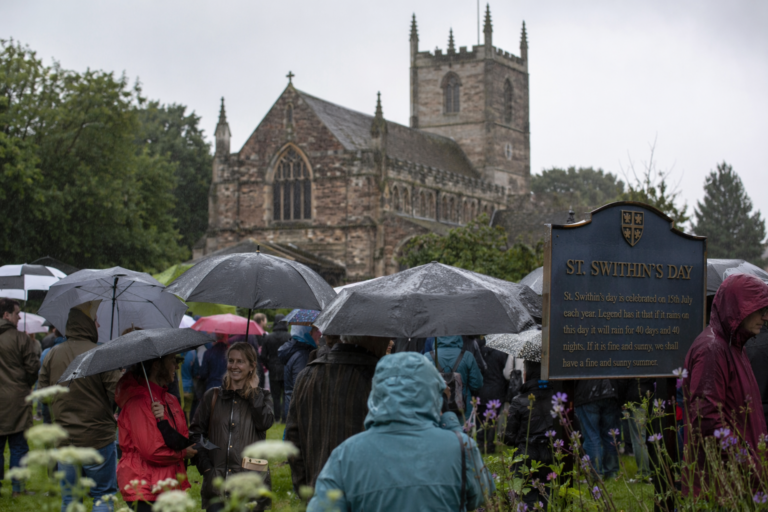
St Swithin’s Day is on 15th July every year in the UK.
-
The old folklore says if it rains or is sunny on this July day, it may set the tone for the next forty days.
-
This story is about St Swithin, who was the bishop of Winchester, and is linked to Winchester Cathedral.
-
People still remember an old rhyme about it, and it sticks in the mind during the English summer.
-
These days, weather experts look more at the jet stream and high pressure when they talk about long spells of weather.
-
Now, people mostly see the date as part of British tradition, not as a true way to forecast the weather.
Introduction
St Swithin’s Day is a July event in the UK that still gets a lot of attention. It is about the feast for St Swithin, who was once the bishop of Winchester. Most people know it for the weather belief, which says rain or sun on this day will last for forty days. Many in the UK still talk about it every year when July comes. This is because there is a strong mix of history, local pride, and old folklore tied to St Swithin, Winchester, and the bishop of Winchester. This helps keep the story alive for all of us.
Celebrating St Swithin’s Day 2026 in the UK
St Swithin’s Day 2026 will be marked all across the UK on 15th July, which is its usual feast day. Many people focus less on big events and more on the weather and the old rhyme on this day.
In Winchester, St Swithin’s Day feels extra special. That’s because of Winchester Cathedral and how much Swithin means to the city. This day is a big part of English customs. People in the UK use stories, memories, and their eyes on the weather as the year goes on. To see why St Swithin’s Day is important, you should first know the story of the date and what it means.
Date and significance of St Swithin’s Day
St Swithin’s Day takes place each year on 15th July. If you want to know when it is, just look for that date on the calendar. In 2026, like always, this feast day is on 15th July. Around this time, people often think about the old weather saying linked to St Swithin.
The day is special because of St Swithin and the strong connection to Winchester Cathedral. St Swithin was tied to Winchester while he was alive and after he died. Over time, his name and this day grew to mean even more than just a church event. On this day, people look up at the sky and talk about the weather as much as they do about the saint himself.
There is one thing about St Swithin that people talk about a lot. It was his own request not to be buried inside in a fancy way. He wanted a simple grave outside, in a place where the rain could fall on it. Because of this, the story of Swithin stays alive, and his feast day, 15th July, is now known across Britain, with many thinking of the weather each year when it comes. Winchester Cathedral is, and will remain, at the heart of St Swithin’s legend.
Traditions and modern-day celebrations
Today, there is not a big national event for St Swithin’s Day in the UK. People now remember it with local interest, memories, and weather talk instead. In England, and most of all in Winchester, people often think about the story of St Swithin and the old saying that comes with the day.
Long ago, St Swithin was linked strongly with Winchester. This made Winchester a place of pilgrimage, and moving his remains from an outdoor grave helped people believe more in his story. The old connection with the Old Minster also helped people show devotion to Swithin. Now, the day is lighter and people just notice it in simple ways, but the tradition has not gone away.
-
Many people just look if 15th July will bring rain or be dry.
-
Winchester is still the main place tied to saint’s story.
-
The old rhyme is still said in homes, schools, and sometimes the media.
-
Interest is now mostly about the history, the folklore, and his old shrine.
The Legend of St Swithin
The story of St Swithin starts with a real figure from the 9th century. He was the bishop of Winchester. His name later became linked with one of Britain’s best-known weather sayings.
As time went on, more stories about him spread through the lives of the saints and local stories around Winchester Cathedral. Some of these talk about his wish for a simple burial. Others tell about miracles and kings. Before you learn about the folklore, it is good to know who St Swithin was and why his story is still strong today.
Who was St Swithin and his historical importance
St Swithin was a churchman who was born around the year 800. In the 9th century, he became bishop of winchester. Later, people in england saw him as a very important holy person, mostly in the south. That is the basic answer if you want to know who st swithin was.
He became more important after his death in 863. People at that time did not say much about him. But in 971, he became the patron saint of winchester, which made his name grow bigger. From then, writers started to tell more stories about him. They put him with other saints and helped build his local cult.
St swithin’s link to the special day comes from winchester cathedral and the well-known story about his burial. The day remembering him also became a day when people would look at the weather, so the story of swithin reached outside of the church world. This is why people still talk about him now.
Stories, myths, and cultural impact in Britain
British tradition added many tales and myths to how people remember Swithun, the older Anglo-Saxon name for St Swithin. In England, these stories helped turn a bishop into a lasting part of folklore. His growing cult in Winchester gave people stories they could change and repeat.
Some of these stories tell of his kindness to poor people. There is one about him fixing a basket of eggs after a sad woman dropped them. A well-known tale is about Queen Emma, who was accused of adultery. People say St Swithin kept her safe during a hard test. Stories like this made his name bigger after the Old Minster and the people of Winchester took him as their own.
People believe the weather story is from how he was buried and then moved. He asked to be buried outside, hit by the raindrops, but after his body was taken to another place, a great storm started. This is the main reason St Swithin is part of the rain and fair-weather folklore in England.
Weather Predictions and Folklore
Most people think of the weather story when they hear about St Swithin’s Day. The old folklore says that the weather on 15th July will shape the next forty days. If it rains, there may be a lot of rainy weather to come. If it is dry, you get dry days instead.
This is a good way to remember the day. It makes this one summer date stand out as a marker in the year. But this old saying is only one part of the story of st swithin. To know why the story of st swithin’s day stayed popular, you have to look at both the well-known proverb and how people later tried to see if it was true. They did this by checking if the weather on 15th July matched the real weather that came after.
The famous proverb and beliefs about forty days
The best-known proverb says that if rain falls on St Swithin’s Day, it will continue for forty days, while fair weather means a dry spell ahead. This saying has shaped how many people talk about the English summer, especially when a heavy shower arrives on 15th July.
The old poem is often quoted in full because it carries the belief so neatly. It says: “St Swithin’s Day, if it does rain / Full forty days, it will remain / St Swithin’s Day, if it be fair / For forty days, t’will rain no more.” That rhyme is the heart of the tradition.
|
Saying or idea |
Meaning |
|---|---|
|
If it rains on St Swithin’s Day |
Wet weather is expected for forty days |
|
If the day is fair |
Dry conditions are expected for forty days |
|
The old poem |
It preserves the proverb in memorable rhyme form |
Folklore origins and scientific perspectives
The old story about St Swithin says his remains were moved from a grave outdoors to a more important place, and then there was a lot of rain afterwards. People have passed this tale on for years and it gave meaning to the saying about the weather and St Swithin.
But if you look at it in a scientific way, the claim that there will be forty wet days is not true. Weather experts have said there is no proof in the records, and no evidence for this idea. Since 1861, there has never been forty wet days or forty dry days in a row after 15th July. So, this bit of folklore out of the UK should not be used as a way to guess the weather.
Still, the story stays around because mid-July can often be a time when bigger changes in the weather come about. If the jet stream sits north of the UK around 15th July, high pressure can bring more warm and dry days. But if the jet stream drops south, cooler air from the Atlantic and even some Arctic air can move in. This can lead to more wet days as atlantic weather systems take over. This helps show why people in the UK talk about st swithin, wet days, dry days, and the weather on 15th July.
St Swithin’s Day in British Literature and Popular Culture
St Swithin’s Day is well known because of church stories and folklore. The old poem and rhyme make the saying simple to remember. This helps it go across the UK from one age group to the next.
In England, you can also see st swithin come up on television and in other media when people talk about the summer weather. This bit of cultural life helps keep the tradition alive, even for those who do not know much about st swithin himself.
Poems, references, and cultural mentions
The old poem linked to St Swithin’s Day is the strongest tie the day has with literature. People remember it more for the simple rhyme than for something found in history books. Most times, when you hear someone speak about forty days of rain, they are using lines from that old rhyme.
That rhyme is the reason St Swithin still comes up in talks about the weather. People use it all the time, in chats, weather news, and little summer jokes. Even when people do not take the story as fact, the rhyme is a familiar way to talk about a run of rainy days.
-
The old poem is the best-known cultural reference tied to the day.
-
Its rhyme makes the weather belief easy to remember and repeat.
-
Media mentions often use the proverb as a playful summer reference.
Depictions in television and media
In television and media, St Swithin’s Day often comes up as a small story, not as a big event. In the UK, weather presenters sometimes talk about it when 15th July is near, especially if there is rain coming.
This kind of talk goes well with the old tradition. It invites people in England and in the UK to remember the old saying, see what the weather is doing now, and have fun with the difference between st swithin folklore and today’s weather reports. The tale about the saint is part history, part summer chat about weather.
It is nice to see how weather experts talk about the myth and also tell you that you do not have to believe it is a simple rule. This helps make sure st swithin’s day does not disappear from public life. It keeps going because the media show it as a cheerful British tradition with a funny twist.
Interesting Facts and Lesser-Known Legends
St Swithin’s Day is known for a famous saying, but there is a lot more to it than that. The day has many facts and stories that most people do not hear. Some of these are hidden stories about Winchester. Others are about how a local saint, Swithin, grew in fame and became a well-known name across England.
There are also some odd facts that many of us miss. There are stories of miracles, tales of drama in the royal family, and even links to claims of adultery through Queen Emma. All of this makes St Swithin about much more than just the weather. These stories show how legend and real events came together to make one man and his city stand out.
Hidden stories and regional traditions
Some of the best bits of the st swithin tradition are the hidden stories that live behind the old weather rhyme. People remember Swithin not just for rain. Stories of charity, healing, and being humble helped shape how people saw him in Winchester and around the south of england.
Mini traditions from the region also help make this day special. Winchester stands in the middle of it all because st swithin was so important there. Still, the way people looked to the sky on 15th july helped the rhyme and story spread even more. That blend of local memories and this july habit helped it last over the years.
-
st swithin is tied to a story where he helped a poor woman by making her broken eggs whole again.
-
What he wanted for his own burial became a main part of his legend.
-
Winchester stays as the place in england where st swithin’s story and traditions are strongest.
Unusual weather events linked to St Swithin’s Day
The legend of St Swithin starts with some odd weather. When they moved St Swithin’s remains, people say a big storm hit. After that, there was rain for many days. This story helps keep the idea alive that the rain on one day can set the tone for wet weather later.
If you look at real weather records, the picture is mixed. One story about the myth is from 1913. There was a 15-hour rainstorm on St Swithin’s Day but then the next 30 days were dry. This clearly goes against the idea that rain always brings endless wet days after 15th July.
Another case comes from 1924. St Swithin’s Day brought 13.5 hours of sunshine. But after that, 30 out of the next 40 days were wet days. Stories such as these are why the saying about St Swithin is seen as folklore, and not a fact. Even so, it still makes people interested in what will happen on St Swithin’s Day.
Common Sayings and Proverbs
St Swithin’s Day is best known because of the sayings people use. The short proverb and rhyme let people keep the spirit of the day alive. It is easy to say them when the weather in July is changing, like when there are days of rain or dry days.
There is a lovely story behind this bit of folklore. People say Swithin wanted to be buried where the sweet rain of heaven could reach his grave. This makes the later sayings mean more. It ties Swithin’s wish to the talk of rain or no rain in the days after.
Most popular St Swithin’s Day proverbs
The most well-known saying about St Swithin is a simple four-line rhyme. It says if there is rain on 15th July, there will be forty wet days. If the weather is good, then there should be no more rain. This st swithin rhyme is popular because it has an easy beat. Its idea about the english summer is also something that many people know and talk about.
There is another well-loved line about St Swithin. He is said to have wanted to be buried where the sweet rain of heaven would fall on his grave. While this is not a rhyme like the others, it is still used a lot. Many people use it to share the story of st swithin’s day or talk about the weather in july.
-
“St Swithin’s Day, if it does rain, full forty days it will remain.”
-
“St Swithin’s Day, if it be fair, for forty days, t’will rain no more.”
-
“Where the sweet rain of heaven may fall upon my grave.”
How these sayings influence weather expectations
These sayings shape what many people think about the weather. They give a simple rule, and at this time of year, people always look out for what will happen next. In the English summer, one rainy morning or a sunny afternoon can mean a lot if it happens on St Swithin’s Day.
Many people believe the saying because the story behind it stands out. A saint asks to be buried outside, then his body is moved, and after that, it rains. That story is easy for people to remember, so the saying feels real and not like it was just made up.
People also like the idea of being sure. Saying there will be forty days of rain, or forty dry days, gives everyone some order in a season that is usually not easy to guess. Even if not many take the idea of forty days too seriously now, these old sayings still change how people talk about the English summer and its weather in Britain.
Conclusion
In the end, St Swithin’s Day is more than a simple date in the calendar. It brings together the old ways, weather folklore, and the culture of Britain. People use many customs on the day, and there are strong beliefs about what it will mean for the weather. These things show how close we are to nature in our lives. Some get together with friends for it. Some just like to think about the stories about this day. Taking part in the st swithin tradition can put a bit of history into your summer. If you want to know more about st swithin, want to learn about its folklore, or talk about how it fits with today, reach out for more ideas or talk about it!
Frequently Asked Questions
Why do people believe St Swithin’s Day controls the weather?
People think this because St Swithin’s folklore says rain will come after his reburial. As time went by, this saying spread through England. The story led people to follow a simple weather rule. People remember this tale as it is easy to recall, even though there is no proof behind it.
Does the weather on St Swithin’s Day actually predict the next 40 days?
From a science point of view, the answer is no. The claim about St Swithin’s forty days does not have proof in records. Around July, weather can change because of high pressure or the jet stream. But this does not mean that the weather on St Swithin’s day can tell us what will happen for the next forty days.
How is St Swithin’s Day observed across the UK today?
Today, people in the UK keep it simple. On 15th July, they look at the weather, say the old rhyme, and talk about the saint’s story again. Winchester is still the main place because of its history, but now, fewer people go on a pilgrimage like they used to.