
June in Australia brings a unique mix of cultural celebrations, seasonal traditions, and important awareness campaigns. As the weather cools and winter begins, communities across the country find meaningful ways to gather, reflect, and show support for various causes.
From First Nations recognition to environmental initiatives, this month offers opportunities for every Australian household, school, and workplace to get involved. Understanding these dates helps you plan your events, manage your public holiday schedules, and foster a more inclusive environment.
This guide outlines the key holidays and awareness days taking place throughout June 2026. We provide straightforward information on each observance so you can celebrate diversity, social connection, and seasonal traditions with confidence.
What are the month-long observances in June 2026?
Several important awareness campaigns run for the entire month of June, or for extended week-long periods. These observances encourage ongoing education, community support, and visibility.
Pride Month
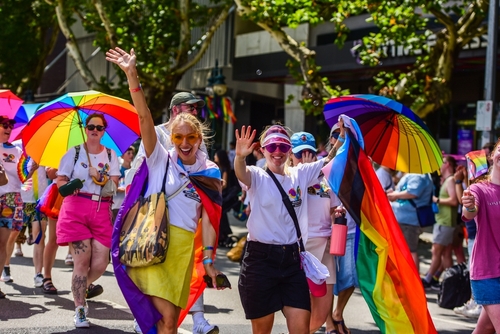
Pride Month celebrates LGBTQIA+ communities across Australia. It is a time for pride events, inclusion initiatives, and allyship. Participating in Pride Month helps build community support and ensures visibility for LGBTQIA+ individuals in workplaces, schools, and local councils.
National Dairy Month
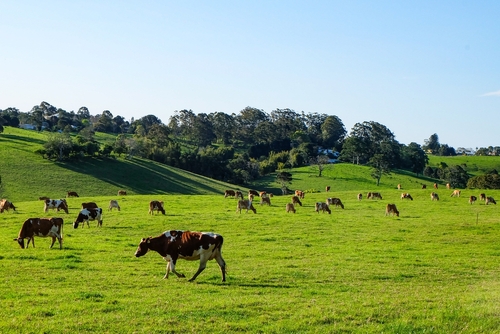
This month recognizes Australia’s dairy industry. It highlights the hard work of dairy farming, the importance of sustainability, and the nutritional value of dairy products. Supporting local producers and regional communities is a key focus of this observance.
National Reconciliation Week
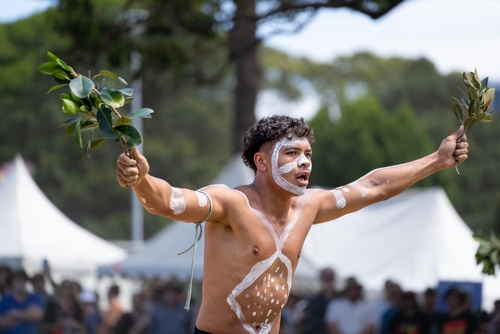
Spanning the end of May into early June, National Reconciliation Week highlights the importance of reconciliation between Aboriginal and Torres Strait Islander peoples and non-Indigenous Australians. Workplaces and schools can engage in education, reflection, and community participation to build stronger, more respectful relationships.
Refugee Week

Refugee Week raises awareness of refugee experiences and their contributions to Australian society. It promotes community inclusion and multicultural initiatives. Various events and educational opportunities take place across Australia to support those who have sought safety and a new beginning.
What are the key daily holidays and observances in June 2026?
Throughout June, specific dates hold cultural, religious, and national significance. Here are the essential daily observances to mark on your calendar.
1 June: Western Australia Day
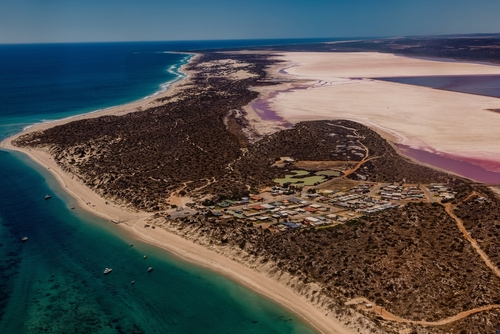
Western Australia Day is a public holiday for those living in WA. It celebrates the state’s history, culture, and community. Locals often enjoy long weekend traditions and attend community festivals.
1 June: Global Day of Parents

The Global Day of Parents recognizes the dedication of parents and caregivers worldwide. It is a simple reminder to appreciate family and offer support to those raising children.
1 June: World Milk Day

Aligning with National Dairy Month, World Milk Day promotes dairy awareness and nutrition. It sparks important conversations about Australia’s dairy industry and sustainable farming practices.
3 June: Mabo Day
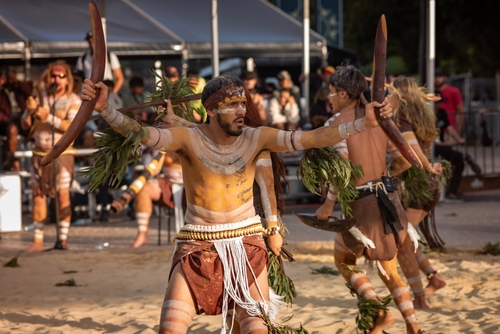
Mabo Day honours Eddie Mabo and his successful campaign for Indigenous land rights. It marks the historic Mabo decision, which recognized Native Title in Australia. This day provides a vital opportunity for reflection on Indigenous rights and the ongoing reconciliation process.
3 June: World Bicycle Day

World Bicycle Day highlights the benefits of cycling and active transport. It celebrates Australia’s outdoor lifestyle and encourages communities to embrace a healthier, greener way to travel.
4 June: Corpus Christi

Corpus Christi is a Christian observance with strong Catholic traditions. It is a day dedicated to religious reflection, prayer, and community devotion.
5 June: Queensland Day

Queensland Day celebrates the history and unique identity of Queensland. Communities gather for local events to show their state pride and connect with neighbours.
5 June: World Environment Day
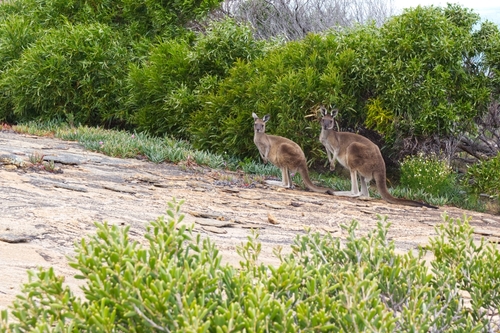
World Environment Day drives environmental awareness and climate action. It focuses on conservation themes highly relevant to Australia, offering practical sustainability actions that readers can take in their daily lives.
7 June: World Food Safety Day
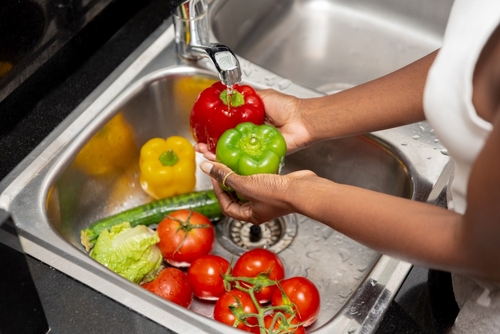
World Food Safety Day promotes safe food handling in homes and businesses. It raises public health awareness to ensure the food we eat remains safe and nutritious.
8 June: World Oceans Day

World Oceans Day focuses on marine conservation and ocean protection. It highlights the critical importance of protecting Australia’s extensive coastlines and fragile reef ecosystems.
12 June: Feast of the Sacred Heart of Jesus
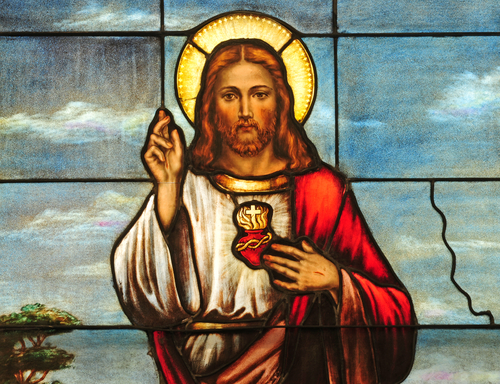
This day holds deep religious significance within Catholic traditions. It is a time for reflection, prayer, and spiritual devotion among practicing communities.
16 June: Martyrdom of Guru Arjan Dev Ji

This observance carries historical and spiritual significance in Sikhism. It is a day marked by reflection, remembrance, and acts of community service.
18 June: National Vegemite Day

National Vegemite Day celebrates an iconic Australian food. It highlights Vegemite’s place in Australian culture and nostalgia, prompting fun breakfasts and morning teas across the country.
18 June: Islamic New Year

The Islamic New Year holds great significance within the Islamic calendar. It is a time for reflection, renewal, and community observances. Non-Muslim Australians can show respect by learning about the cultural importance of this time.
20 June: World Refugee Day
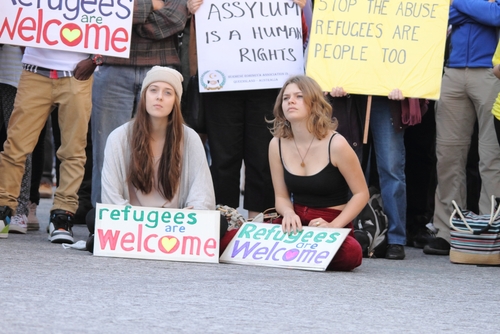
World Refugee Day raises awareness of refugee experiences and resilience. It encourages community support, empathy, and multicultural understanding.
21 June: Winter Solstice

The Winter Solstice marks the shortest day and longest night of the year in the Southern Hemisphere. It is a time for seasonal traditions, winter reflection, and gathering indoors with loved ones.
21 June: International Day of Yoga

The International Day of Yoga highlights the physical and mental benefits of yoga, mindfulness, and wellbeing practices. Community classes and wellness activities are common on this day.
21 June: World Music Day

World Music Day celebrates musical and artistic expression. Local performances and cultural events take place, bringing communities together through the power of sound.
21 June: Yule

Yule involves midwinter celebration traditions. It focuses on themes of renewal, reflection, and the changing of the seasons.
23 June: International Women in Engineering Day

This day celebrates women in STEM and engineering careers. It aims to inspire and encourage future generations of women to pursue technical industries.
27 June: Ashura

Ashura holds deep religious significance in Islam. It involves reflection, remembrance, and spiritual observance. Showing respectful cultural understanding is important during this time.
29 June: International Day of the Tropics
This day raises awareness of tropical ecosystems and biodiversity. It prompts necessary discussions about climate change and environmental protection.
30 June: End of Financial Year (EOFY)

The End of Financial Year is a critical milestone for Australian businesses and sole traders. It involves tax planning, financial reporting, and preparation for the year ahead. Many Australians also take advantage of EOFY retail sales.
30 June: National Meat Pie Day

National Meat Pie Day celebrates an iconic Australian comfort food. It honours the history of the meat pie and encourages Australians to support their local bakeries and cafes.
How can Australians get involved in June 2026?
Participating in June’s events is easy and rewarding. You can attend local community and cultural events to learn more about the diverse groups that make up Australia. Consider joining reconciliation and refugee support initiatives to show your solidarity.
Workplaces can host awareness activities, while individuals can support sustainability and conservation campaigns. You can also embrace the cooler weather by celebrating winter traditions and seasonal gatherings. Finally, ensure you use the month to finalize any EOFY business and financial activities.
Celebrating Community, Culture and Awareness in June 2026
June in Australia highlights our diversity, environmental awareness, and seasonal traditions. The month provides essential opportunities for reflection, learning, and genuine community connection. Australians can easily participate through local events, cultural education, and meaningful everyday actions. Bookmark this guide to help you plan your June 2026 schedule with confidence and clarity.
Frequently Asked Questions (FAQs)
What are the main public holidays in Australia in June 2026?
The primary public holidays in June 2026 are state-specific. Western Australia Day falls on 1 June for residents of Western Australia. Other states may observe different local holidays, but there is no nationwide public holiday in June.
How can my workplace celebrate National Reconciliation Week?
Workplaces can celebrate National Reconciliation Week by hosting educational workshops, inviting First Nations speakers, and reviewing internal diversity and inclusion policies. Providing resources for employees to learn about Native Title and Indigenous history is also highly recommended.
Why is the End of Financial Year (EOFY) important for everyday Australians?
The EOFY on 30 June marks the deadline for tax planning and financial reporting for businesses. For everyday Australians, it is an important time to organize personal tax returns and take advantage of retail sales as retailers clear out their stock.
How can I support World Environment Day at home?
You can support World Environment Day by reducing household waste, participating in a local clean-up event, and opting for active transport like cycling. Simple changes, such as reducing single-use plastics, make a positive impact on Australia’s ecosystems.