Key Highlights
-
World Refugee Day is a united nations international day. It is held every year on 20 June.
-
This day honours the courage of people who leave their homes because of conflict or persecution.
-
The day helps the world get more empathy and understanding. It makes people focus global attention on the plight and needs of refugees.
-
It celebrates the strength and effort of refugees. The day shows that refugees give a lot to their new host country.
-
People run events in many places, including Australia, to show solidarity with refugees.
-
The main goal is to find ways for peace. It tries to make a world where anyone with refugee status can be welcomed.
Introduction
Every year on 20 June, people across the world mark World Refugee Day. The United Nations General Assembly set up this international day. Its goal is to honour the courage, strength, and resilience shown by millions who have had to leave their homes. In Australia, this day is about coming together as a community, noticing the contributions of refugees, and showing support for them. Many of us use this time to reflect on what it means and the way the nation celebrates it, as we talk about the importance of welcoming those looking for safety.
Understanding World Refugee Day
World Refugee Day is a special day from the United Nations. It’s held each year on 20 June. The day honours people with refugee status and those who have had to move out of their homes. It reminds us about the tough times faced by so many around the world.
The day brings global attention to the rights, needs, and dreams of refugees. It’s a chance for all of us to think, to build care for others, and to work for a better world. We want a time where refugees are welcomed and can re-start their lives in safety and with respect.
Origins and Historical Milestones
The story of this global day starts after World War II. That is when the Refugee Convention of 1951 came about. This important paper set the rules for how to look after refugees. It says who a refugee is and tells countries what they need to do for them.
For a long time, many places had their own days to honour people who are refugees. The Organization of African Unity, or OAU, created Africa Refugee Day for 20 June.
In December 2000, the United Nations General Assembly showed its support for Africa. The group decided that 20 June would be World Refugee Day. The first worldwide event was in June 2001. It marked the 50th anniversary of the Refugee Convention.
The UN’s Role in Promoting World Refugee Day
The United Nations, and its refugee agency UNHCR, have a main part in getting World Refugee Day out there. The Office of the High Commissioner runs big campaigns worldwide. They do this so people notice the plight of those who are forced to leave home and also speak up about their rights.
Each year, the United Nations Refugee Agency does what it can to get up political will and gather what is needed for refugees. The UN does not just want people to make it through. It wants all people to thrive. So, the goal is to get all nations to feel this is their job too. They push leaders to open doors and give support to people who need sanctuary.
By putting on events and sharing stories, UNHCR makes sure the day makes a difference. The day is there to get rid of the wrong ideas and put a spotlight on the resilience of refugees and what their contributions are. They want a world where people who must leave home can be a part of new places and feel welcomed.
Why World Refugee Day Matters
World Refugee Day is important because it brings global attention to the many people who have had to leave their homes due to conflict and persecution. The day helps us think about their rights, what they need, and their hopes. It reminds us that these are real people, not just numbers.
The day also calls for solidarity and inclusion. It helps us remember that we all have things in common. When we look at the resilience of refugees and see what they bring to society, it can make us feel closer to them. This can help fight negative ideas about refugees and make our communities more open and welcoming. The next sections will take a closer look at this.
Raising Awareness for Refugee Communities
A main aim of World Refugee Day is to shine a light on the lives of refugees. The day helps all of us see what people have to go through each day in many parts of the world. It gives everyone a way to learn about what pushes people to leave their home and the big challenges they face, like dealing with laws as asylum seekers or getting simple things they need, such as food and a place to live.
The day lets us see the struggles that many people miss, like how hard displacement can be for their mental health. When we look closely at the lives of refugees, we start to care more and question the things we hear about them that may not be true. This is very important to make places where refugees feel welcome and cared for.
There are many activities for people from all walks of life, like government officials and school children, to learn and get involved. Some of these are:
-
Sharing personal stories from refugees so we feel a closer bond with them.
-
Holding lessons in schools and around our towns to teach people.
-
Showing documentaries that show what the refugee experience is like.
Highlighting Global and Local Challenges
World Refugee Day serves as an important moment to highlight the immense challenges linked to forced displacement. People are forced to leave their home country for many reasons, including conflict, persecution, and human rights violations. This situation affects not only refugees but also stateless people and other migrants seeking safety.
These challenges don’t end once a person has fled. In their new host communities, refugees often face significant hurdles. The table below outlines some of the common global and local challenges.
|
Global Challenges |
Local Challenges in Host Communities |
|---|---|
|
Protracted displacement crises |
Barriers to legal recognition and status |
|
Underfunded humanitarian aid |
Difficulties accessing health care and education |
|
Rising numbers of displaced people |
Negative rhetoric and discrimination |
|
Lack of political solutions |
Financial and structural hurdles to integration |
Addressing these issues requires a concerted effort from governments, organisations, and individuals. Global campaigns on World Refugee Day are designed to bring these problems to the forefront and push for meaningful action.
Australian Observance of World Refugee Day
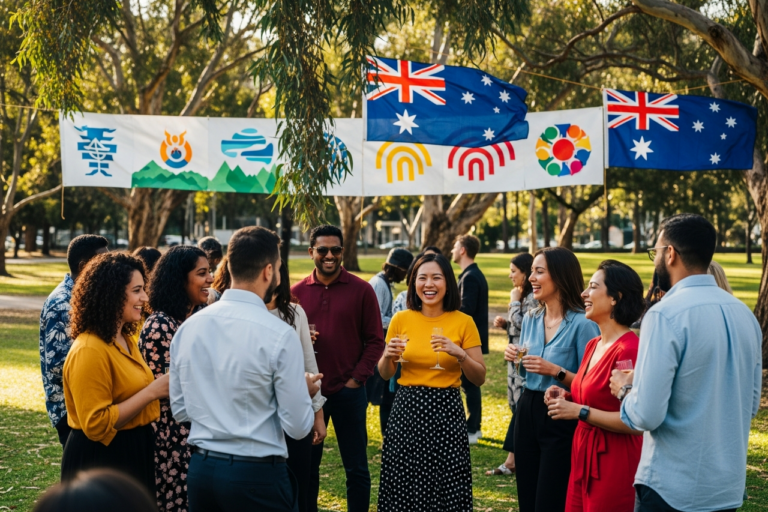
In Australia, World Refugee Day is marked by many events and activities that happen across the country. This is a time when host communities, government officials, humanitarian workers, and everyday people meet up. People use this day to say thank you to refugees, talk about the courage they show, and think about the contributions of refugees who now call Australia home.
This day also helps us all think about Australia’s part in the way the world helps refugees. It’s a chance to say again that we want to keep giving them protection and support. These events help people from different backgrounds get together. They give everyone the chance to connect and learn from each other. Now, let’s see some examples of these projects and how people make them work.
Events and Programs Across the Country
Across Australia, World Refugee Day is marked with many events. These celebrate the contributions of refugees and show their strength. The activities are put together by community groups, local councils, and non-profit organisations. They bring people together in a friendly way.
The programs give the public and government officials a chance to join in. There are film festivals, art shows, community gatherings, and talks where people take part and show support. People often share stories, food, and culture to help build links between different groups in the community.
You can get involved in things like:
-
Going to a local World Refugee Day event or having lunch at a fundraiser.
-
Volunteering with a group that helps refugees and people looking for safety.
-
Being part of talks about key things like access to health care.
Government and Community Initiatives
On World Refugee Day, government officials and local groups both have an important part in making sure refugees feel welcome. Many officials go to events and make statements. They say that they stand by refugees and back ideas that help them build a new life.
These actions show political will. They help set the right tone for inclusion. The government can give money for community projects. They can also start campaigns to help people see the good things that come from being diverse. The aim is to support refugees so they can get into education, find work, and see a doctor when they need to.
In the local areas, community efforts are at the centre of World Refugee Day. People show their solidarity in real ways. A sports club might have a ‘welcome’ match. A neighbourhood group might have a picnic to welcome new faces. This work from both the government and people in the community is what builds a more inclusive and strong society.
Connecting World Refugee Day and Refugee Week
In Australia, people mark World Refugee Day on 20 June. This day sits right in the middle of Refugee Week. Refugee Week is a bigger event that goes for a whole week. It lets people have more time to learn about welcome, care, and the good things refugees add to our lives.
The two events go hand in hand. They are both about the same goals. Refugee Week helps spread the message of World Refugee Day. By working together, they give the message more power. This longer time lets people know more and get more involved with the lives and stories of refugees here in Australia. In june, these events help us think more about what people who come from other places bring to the country.
Shared Goals and Distinctions
World Refugee Day and Refugee Week are closely linked but not the same. World Refugee Day is set up by the UN and happens on just one day around the world. Refugee Week, though, is a festival held in Australia and some other countries that has grown on its own.
Even with these differences, both aim to help people understand each other better and see how refugees add good things to society. The two stand together on the idea that seeking asylum is a human right. They also show support and ask that people have solidarity with those who had to leave their homes.
Their main goals are:
-
Teach people about what refugees go through.
-
Celebrate the ways refugees help and their creativity and resilience, including the determination of women who deal with tough problems.
Partnership and Collaboration in Australia
The success of World Refugee Day and Refugee Week in Australia comes from strong partnership and working together. The events bring in a big group of organisations. These include refugee-led groups, community centres, local councils, schools, and businesses. All of them join in to plan what will happen.
This way of working together means the events reach many people. It helps bring in different parts of host communities all over the country. When they share their resources and what they know, the partners can make the events bigger and more meaningful. This helps to help a culture of welcome and inclusion.
You will see this in all sorts of events, from large city festivals to small morning teas in country towns. It is these team efforts that make World Refugee Day and Refugee Week special. The work together is a strong way to show how people in Australia welcome refugees and enjoy the mix of backgrounds they add to all our lives.
Conclusion
World Refugee Day is a time to think about the resilience and strength that refugees show all over the world. In Australia, people mark this day with different events and activities. These not only honour what refugees have been through, but also help locals learn more and grow understanding. If you join in the events, you help make our society more open and supportive. You also stand up for the rights of people who have had to leave their home.
As we think about what this day means, let’s keep helping refugees. Let’s keep working for a world where everyone can feel safe and find where they belong. If you want to get involved, there are many events across the country, or you can give your time to groups helping refugees. What you do really can make a difference!
Frequently Asked Questions
How can individuals participate in World Refugee Day activities in Australia?
In Australia, people can join in by going to local World Refugee Day events. You can also give money to groups that help refugees, help out at community organisations, or just share stories on social media to show support and solidarity. Being part of activities with host communities is a good way to build welcome and understanding all over the country.
What is the relationship between World Refugee Day and Refugee Week?
In Australia, World Refugee Day happens in the middle of Refugee Week. Refugee Week is a festival that takes place across the whole country. Both World Refugee Day and Refugee Week share the same aim. They want to raise awareness and celebrate refugees. World Refugee Day brings global attention to the cause. Refugee Week then keeps the focus going with help from local groups and people working together in different parts of Australia.
Are there global campaigns linked to World Refugee Day?
The United Nations, along with its refugee agency UNHCR, runs world campaigns for this international day. These campaigns want to get global attention on what refugees need. They also look to build support and ask people to take action that can help. You can find more by typing ‘world refugee day help’ online.