Key Highlights
-
World Oceans Day is a big event held around the world. It is a time to celebrate and help look after the marine ecosystems we all share. In Australia, it’s a special day to think about our famous waters like the Great Barrier Reef.
-
This day is here to remind us why we must tackle big problems like climate change and pollution. These are putting our marine life and the great world oceans at risk.
-
Across Australia, people join in many activities on this day. There are beach clean-ups, times to learn new things in workshops, and chances to get out diving or sailing.
-
The 2026 theme for oceans day will give us something to focus on. It will help people and groups know how they can do their part to help. It asks us all to say yes to protecting our oceans.
-
We need to look after our marine resources now. It’s how we keep the oceans and the reef healthy for future generations. Protecting world oceans keeps our planet and all its people going strong.
Introduction
Each year on June 8, people across the globe stop to think about the big blue seas that cover more than 70 percent of the earth. World Oceans Day is set up by the United Nations and gets people everywhere to celebrate the oceans. For Australia, where we have so many great beaches and special sea life, this day really stands out. It gives us time to think about the vital role the oceans play in our lives and what we can do to keep them safe for the future.
The Significance of World Oceans Day for Australia
For Australia, oceans day is not just another date. It is a strong reminder that the world oceans are a big part of who we are. The sea is at the heart of our life, our work, and what we do every day. The health of our oceans matters to us. The water around Australia is full of amazing marine life.
The observance of world oceans day gives us a chance to talk about the problems that face our world oceans. We get to learn about these issues and do something to help. We can work together to look after our marine life. It is up to us to keep these places safe and healthy so they will still be here for us and our kids in the future.
Purpose and Global Importance of World Oceans Day
What is the purpose of World Oceans Day? The main idea is to let people know how the things we do affect the ocean. This is a global movement that tries to bring everyone together. People get a chance to celebrate and help protect our blue planet. The Canadian government first came up with the idea at the Earth Summit in Rio de Janeiro in 1992. Then, in 2008, the United Nations General Assembly made it an official international day.
This day is a key time to bring the world together. People work on important plans to look after world oceans in a good way, so the future is better for everyone. It helps people see that the world’s oceans are a critical part of the biosphere. Oceans give off a lot of the planet’s oxygen and soak up a huge amount of carbon dioxide.
Groups like the World Ocean Network have a big role in supporting what happens on oceans day. There are people who help set up events and talk about the need for everyone to take care of marine ecosystems. This makes it a real team effort, where people across the globe link up to keep our world’s oceans safe for good.
Why 2026 Matters for Our Oceans Down Under
Looking ahead to 2026, the need to protect the ocean will be bigger for Australia than ever before. Climate change is hitting hard now. This puts a lot of new pressure on the sea. It’s time to act and act fast. 2026 is a big year to look at where we are and do better by making stronger promises.
The big idea for World Oceans Day 2026 will be to work even harder on sustainable development and looking after what we have under the water. Australia has to take a close look at the way we use our marine resources. This goes from the big Great Barrier Reef to the far-away Southern Ocean. We need to make sure these places stay healthy for a long time.
The steps we choose to make before 2026 will show how the world’s oceans will look for future generations. This is something all of us have to help with. We want the new ones to see and enjoy Australia’s amazing sea life and reefs for many, many years.
Australian Ocean Treasures: From the Great Barrier Reef to the Southern Ocean
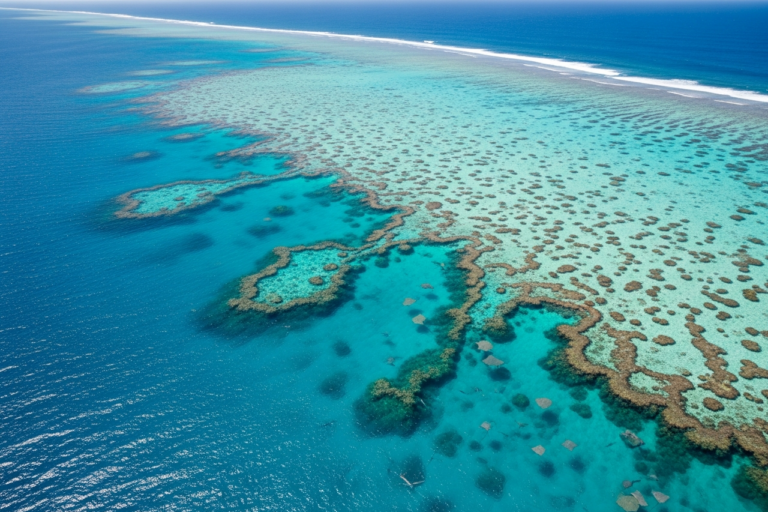
Australia has a lot of amazing ocean life to offer. The Great Barrier Reef is known all around the world. It is full of colour, sea animals, and different corals. People often say the reef is our most important natural place. The reef is not just good to look at. It is also a home for many kinds of fish and plants. This place has high biodiversity, with lots of animals living together.
But that’s not all. The Southern Ocean, with its cooler water, matters just as much. The animals that live there are unlike any others. This sea also helps control the global climate. You can find all types of marine life here in Australia, from warm tropical reefs to cooler seas. These ocean places are important to the whole world, and we all need to help keep them safe. Let’s talk more about the creatures that live in these spots and the problems they must deal with.
Unique Marine Biodiversity Found Nowhere Else
Australia sits far away from other places, and that makes its marine life very special. The waters around Australia are full of animals and plants you cannot find anywhere else. Think about the coral reefs full of bright fish, big whale sharks at Ningaloo Reef, and sea lions having fun in South Australia.
This amazing biodiversity is not just nice to look at. It is important for everyone. The ocean gives us essential ecosystem services. It helps with climate, and it’s a big part of fishing as well. The life that lives by coral reefs, in kelp forests, and around seagrass beds keeps the oceans healthy. It is good for the marine environment and good for us.
That is why celebrating World Oceans Day matters for marine conservation in Australia. When we enjoy and think about our unique marine life and habitats, we learn how important they are. That makes us want to do more to look after them and not lose what we have.
[Keyword usage: oceans day, world oceans, marine life, essential ecosystem services, coral reefs, biodiversity, australia, reef]
Current Threats Facing Australia’s Iconic Ocean Ecosystems
Australia’s marine ecosystems are beautiful, but they face some big and ongoing problems. Many of these issues go together and make them even harder to manage. To really help, we need everyone to take part, both on land and out at sea. How we live and what we do every day has a strong impact on the health of our oceans.
The main problems for our marine life and environments include:
-
Climate change: When the sea gets warmer, it can cause coral bleaching and harm marine places where animals live.
-
Marine pollution: Plastics and rubbish filling the water put marine life at risk.
-
Overfishing: If people catch too many fish or don’t follow good fishing methods, fish groups can get too small and other animals miss out on food.
-
Coastal development: Building near the coast brings more pollution and can damage the natural homes of marine ecosystems.
Oceans Day, also known as World Oceans Day, is a big deal for anyone who cares about marine conservation. It shows us just how important it is to act now, slow down these problems, and band together to look after Australia’s well-known oceans and amazing marine ecosystems before things get worse.
How Australia Celebrates World Oceans Day
In Australia, people celebrate World Oceans Day in many ways because our coastline is so big and different. This annual event brings together communities from one side of the country to the other to honour the oceans. There are lots of activities and things to do for everyone. It’s a day where people have fun, learn, and take action.
Aussies take part by working to help in conservation, or just by enjoying the sea and being outdoors. The way each place marks oceans day can be a bit different, but in Australia, you see our love for the beach and being outside in everything people do. Now, let’s take a look at some of the most popular activities people join on World Oceans Day.
Popular Events and Activities Across the Nation
When World Oceans Day comes, you’ll see all kinds of fun and popular events across Australia. These events help bring people closer to the sea. There’s a good mix of education, taking care of the world, and safe recreation. So, there’s something for everyone, no matter what you like.
You might get to join great activities in your own area on oceans day. Common events all over the country are:
-
Educational workshops: You can join things like the “Under the Sea” event at SEA LIFE Sydney, where you turn rubbish into treasure.
-
Adventure experiences: People get to fly over the Great Barrier Reef in a seaplane or go skydiving with that view of the coast.
-
On-water activities: You might go sailing, kayak with friends along the Whitsundays, or even dive so you can see the reef and marine life up close.
-
Beach picnics and clean-ups: These bring folks together for a good time plus help fight marine pollution at the same time.
-
Snorkelling tours: Guests can go out, have a safe swim, and look at what is under the water with the fish and other marine life.
All of these things help the people of Australia, and anyone taking part, to see how special the ocean is and what we must do to take care of it. Whether you love a busy crowd or a relaxed day out, there’s a way for you and your family
Ways Individuals and Communities Can Get Involved
Getting involved in the observance of World Oceans Day is simple, and you can help make a difference. People and communities all over Australia have many ways to look after the world oceans. You can do things on the day itself, or anytime in the year.
To get started, you can try some easy things. You may want to:
-
Join a local event: Go to a beach clean-up, visit a workshop about ocean care, or walk with a guide in nature.
-
Reduce your plastic use: Try to say no to using things made for only one use.
-
Educate yourself and others: Share interesting facts and key messages about the oceans on your social media.
-
Donate to marine charities: Give help to groups like SEA LIFE TRUST that work on projects for the oceans.
-
Choose sustainable seafood: Make sure to buy seafood that keeps fish numbers healthy.
By taking part, you become part of a world community that wants real sustainable development and wants to save our blue planet. The things you do can help give the oceans a better future—even small changes make a difference.
World Oceans Day 2026 Theme and Its Focus for Australia
The United Nations has not shared the World Oceans Day 2026 theme yet. But we can guess that it will focus on important issues. These topics usually bring people together and push us to act. They often talk about caring for the world oceans and the role we all play.
In Australia, the 2026 theme will help shape what we do for World Oceans Day. It will show us how to look after our marine resources in a better way. The theme will also push us to find smart ideas and get more people involved. This is needed for the things we face here in Australia when it comes to our oceans.
Understanding the 2026 Theme and Its Relevance Locally
As we anticipate the World Oceans Day 2026 theme from the United Nations, it’s helpful to understand how these global directives translate to local action in Australia. The theme will likely focus on areas like sustainable livelihoods, ecosystem restoration, or innovative climate solutions, all of which are highly relevant here.
A potential theme could revolve around “Catalysing Action for Our Ocean & Climate.” Locally, this could inspire specific initiatives across different sectors. For instance, it would encourage our tourism operators to adopt more eco-friendly practices and our fishing industry to further embrace sustainability.
Understanding the theme’s relevance helps us connect global goals with practical, on-the-ground efforts. Here’s how a hypothetical theme could translate into local action in Australia:
|
Potential Theme Focus |
Relevance for Australia |
|---|---|
|
Deepening the Connection |
Encouraging community science projects and Indigenous-led conservation. |
|
Catalysing Climate Action |
Promoting investment in renewable energy and blue carbon projects. |
|
Protecting Marine Biodiversity |
Expanding marine protected areas and funding species recovery programs. |
|
Fostering Sustainable Livelihoods |
Supporting eco-tourism and certifying sustainable seafood supply chains. |
Collaborations With Organisations and Community Groups
Strong teams are needed for good marine conservation. In Australia, the work is the result of many groups joining their efforts. You have community teams, government, and different organisations all working side by side to look after the oceans. They team up because the problems we face with the sea are too much for just one group to fix.
From big charities that cover the whole country to people running small local projects, working together brings good results. For example, universities and reef experts have joined in projects like the Seahorse Hotel Conservation Project. This means new ways to help rare animals can be found. The world ocean network is also important because it helps link these teams with people all over the world.
There are a number of big names leading marine conservation in Australia:
-
SEA LIFE TRUST: This team runs worldwide campaigns and gets involved in local jobs like rescuing injured turtles.
-
ReShark: This group is a world team set up to bring zebra sharks back to their home reefs.
-
Australian Marine Conservation Society: This main charity helps guard the ocean’s animals and fish all over the country.
-
University research centres: For example, the centre on Heron Island runs important research projects out on the Great Barrier Reef.
Protecting Australia’s Oceans: The Path Forward
Looking after Australia’s oceans is something we need to do all year, not just on one special day. We all have a part to play making sure these important places stay healthy for our kids and everyone who comes after us. The main thing is to bring good habits into our everyday lives that help the ocean.
So, what can people do across Australia to keep our oceans safe the whole year round? It starts with small steps from each of us, getting behind our local community, and backing big efforts right across the country. The things we do every day can add up. Together, we can make a real change for our water and help it stay strong for the future.
Marine Conservation Actions That Make a Difference
You don’t need to be a marine biologist to help with marine conservation. Simple steps from lots of people can make a big difference in how healthy Australia’s oceans are. This also helps us reach the big goal of saving and using our oceans in a good way, which is part of sustainable development.
Here are some easy things you can do to help:
-
Reduce your carbon footprint: Walk, ride your bike, or catch public transport. This helps cut down on climate change, which is better for our oceans.
-
Dispose of waste responsibly: Always use a bin and never throw rubbish away near water, or on the beach.
-
Participate in clean-up events: Get involved in local clean-ups, or help organise one. This helps get rid of plastics and other rubbish.
-
Be a responsible boater and beachgoer: Don’t anchor your boat on corals, and make sure you take all your rubbish home with you.
-
Support businesses with eco-friendly practices: Pick tour guides and resorts who care about sustainable development and the environment.
By making these small changes in what we do every day or when having fun outside, we are working to look after our waters. Every little bit people do adds up to better oceans.
Supporting Sustainable Seafood and Everyday Choices
One choice you can make every day to help the ocean be healthy is to support sustainable seafood. Overfishing is bad for marine ecosystems, but by picking the right seafood, you can be a part of change. You should check for labels and ask questions about where your seafood comes from.
The things you buy at the supermarket or order at restaurants send a message to the fishing industry. When you pick sustainable seafood, you help take the pressure off overfished species. You also help support fishing that does not hurt marine habitats or other animals much. Making this simple change is a good way to work toward sustainable development.
Many other choices matter too. Using things you can refill, like bags, coffee cups, and water bottles, stops more plastic getting into our oceans. Picking eco-friendly cleaners means fewer bad chemicals end up in our water. These actions play a big part in looking after Australia’s marine heritage and protecting marine ecosystems.
Conclusion
World Oceans Day reminds us how beautiful and delicate Australia’s seas truly are. There is the amazing Great Barrier Reef and the rich Southern Ocean. These special places need to be looked after, not just for us but for future generations. Looking after the oceans is not only important, it’s something we all must do.
Taking part in local oceans day events and making changes at home really helps ocean conservation. In this way, we can all do our part to keep the oceans healthy. As 2026 gets closer, let’s come together as a community and celebrate these wonders. Let’s work to protect them, so the reef and other spots stay strong for those who come after us. If you want to know more about what you can do for world oceans, just ask for help and we’ll point you in the right direction.
Frequently Asked Questions
When is World Oceans Day and who started it?
World Oceans Day comes around every year on June 8. The idea for this day came from the Canadian government at the Earth Summit held in Rio de Janeiro back in 1992. The United Nations made it an official day in 2008. The aim is to celebrate the world oceans and get people to take action to protect them.
What can Aussies do to protect our oceans year-round?
Aussies can help our oceans in a few ways. Pick seafood that comes from good sources. Use less plastic in your daily life. Join in beach clean-ups when you can. Try to cut down on your carbon footprint too. Doing these things each day will help the sustainable development of our marine resources. It means the ocean can stay healthy for future generations. This is how we keep Australia’s oceans looking good and full of life.
Are there major organisations in Australia supporting ocean conservation?
Yes, there are many big groups in Australia that work for ocean care. These include the Australian Marine Conservation Society, the SEA LIFE TRUST, and a few university research centres. They often work with groups from around the world, such as the World Ocean Network. They also take part in events like the United Nations Ocean Conference.