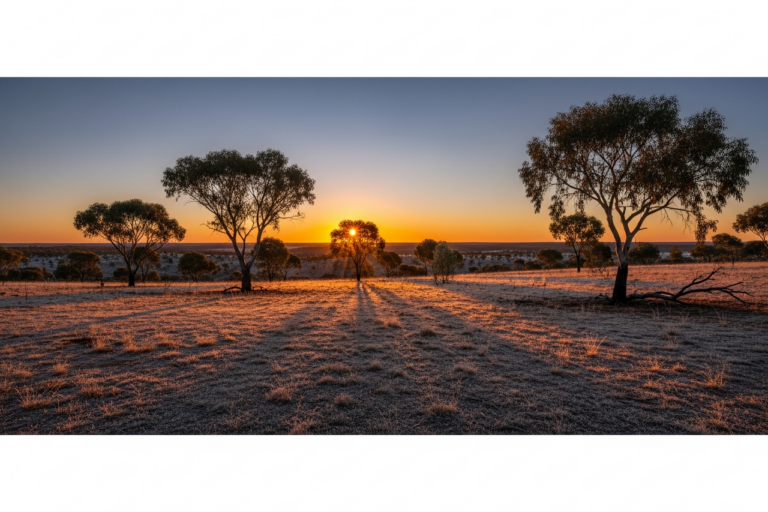
Key Highlights
-
The 2026 winter solstice in Australia is the shortest day of the year in the southern hemisphere.
-
On this day, the southern hemisphere is tilted away from the sun the most, so there are the fewest daylight hours.
-
The solstice happens every year around June 20 to 22, but the date can be different each year.
-
People in Australia celebrate with different festivals, like Tasmania’s Dark Mofo, which is all about the return of light.
-
The shortest day of the year is not the coldest day of the year. The weather usually gets colder in July and August.
-
Many cultures mark this change because it means the return of the sun and the days getting longer again.
Introduction
As June rolls in, many people in Australia notice a real chill in the air. This cool change means the winter solstice is near. The solstice is the shortest day of the year. On this day, we get the least daylight. So, what does the solstice mean and why do we get it? For lots of people, this is a special time that shows a shift in the seasons. The shortest day of the year is more than just less sun. It is a time that many still mark with special ways, as it means the slow return of longer, brighter days.
Understanding the Winter Solstice: What It Means for Australia
The winter solstice happens when the Southern Hemisphere leans as far from the sun as it ever will all year. This makes it the shortest day of the year, and many people call it the June solstice in this part of the world.
In Australia, the June solstice means we have the least hours of daylight and the longest night. It’s more than just a date to mark on the calendar. The solstice is an important time in space science. Now, let’s talk about the science behind the shortest day of the year and find out why the june solstice takes place for us now.
The Science Behind the Shortest Day of the Year
The shortest day of the year happens because the Earth tilts. The Earth spins on what we call an axis. You can think of the axis as a line that goes right from the top to the bottom, straight through the centre. This axis is not straight up and down. Instead, it leans a bit, and that tilt means as we go around the sun, different parts of the planet get more or less sunlight. This tilt brings us the summer solstice, the winter solstice, different astronomical events, and the seasons.
When the Southern Hemisphere has its winter solstice, our side of Earth tilts as far as it can away from the sun. So, the sun stays much lower in the sky and it does not travel far across it. That gives us the shortest day of the year, with not much sunlight. The complete opposite happens during the summer solstice. We tilt in towards the sun and we get our longest day.
The whole process is a part of nature that goes around every year. Right after the shortest day or the winter solstice, the days start to slowly get longer. We wait then for the vernal equinox, where the length of day and night finally be equal. After that, it gets us closer to a new summer.
Why the Winter Solstice Occurs in June Down Under
Have you ever asked why our mates in the Northern Hemisphere are enjoying summer, while we’re all rugged up? It’s because the seasons swap above and below the equator. In the Southern Hemisphere, the winter solstice happens in June, and that all comes down to Earth’s tilt.
When the South Pole leans furthest from the sun, the North Pole goes towards it. That’s why any country above the equator has the summer solstice and the longest day of the year in June. At the same time, we get our shortest day. This is the reason why people call our winter solstice the June solstice.
The date of the winter solstice can change a bit each year. It usually lands between June 20 and 22. This happens because our calendar is not a perfect match to Earth’s orbit. But, the time of the solstice keeps to a steady pattern in both the northern hemisphere and the southern hemisphere.
When Is the Winter Solstice 2026 in Australia?
Mark the date in your calendar. The winter solstice is one of the most sure things when it comes to astronomical events. It happens at about the same time every year, though the date can move a little bit. In Australia, it is always in late June. This is the time when darkness is at its deepest and we start heading towards more daylight.
In 2026, the solstice will fall on a set date and time. We will share the exact date and time for the big cities in the country. We will also talk about daylight hours and how the weather often changes for this part of the year.
Exact Date and Timings Across Major Australian Cities
In Australia, the winter solstice for 2026 takes place on Saturday, 21 June. This is the day when you’ll notice the earliest sunset and the least amount of daylight. The exact amount of daylight you experience will depend on how far south you live.
Cities further south like Melbourne and Hobart will have noticeably shorter days compared to those further north. For instance, Hobart will have just over nine hours of daylight, while Darwin, being much closer to the equator, will enjoy a longer day. Sydney will sit somewhere in the middle, with close to 10 hours of daylight.
To give you a clearer picture, here are the approximate daylight hours for some major cities on the winter solstice.
|
City |
Daylight Hours (approx.) |
|---|---|
|
Sydney |
9 hours, 53 minutes |
|
Melbourne |
9 hours, 32 minutes |
|
Brisbane |
10 hours, 24 minutes |
|
Perth |
10 hours, 3 minutes |
|
Adelaide |
9 hours, 48 minutes |
|
Hobart |
9 hours, 0 minutes |
|
Darwin |
11 hours, 21 minutes |
How Daylight Hours and Weather Shift in June
The winter solstice gives us the shortest day of the year. This also means we get the longest night of the year. We have the least daylight hours on this day. If you are further south in Australia, you will see even less daylight. But does that make this the coldest day of the year?
You’ll find it’s not. The sun is not up long, so it cannot warm the ground much on the winter solstice. But the coldest day of the year often comes later. In Melbourne or Sydney, the cold snaps really set in during July or even August.
There is a reason for this lag. The land and the water take a bit of time to cool down. They hold on to the last bit of warmth from other months, so we do not feel the deepest cold right on the shortest day. Instead, it gets colder after the solstice ends. This means the weather in Australia often gets worse about a month after the longest night. People notice the chill the most well into July and August.
Australian Traditions and Ways to Celebrate
All over Australia, people see the winter solstice as a fresh start and a good time to celebrate. The solstice is the shortest day of the year. It shows the return of the sun, as the days start to get longer from this point. This idea is not new. In many ancient cultures, the solstice was seen as a big win for light over dark.
There are so many ways that people in Australia enjoy the winter solstice. Some people have big festivals. Others keep things simple and spend time with family. These winter solstice celebrations help people mark this special time of year. Let’s talk about some well-known solstice traditions and things you can do to enjoy this event.
Popular Winter Solstice Festivals and Gatherings
Many cultures built ancient monuments that line up with the stars or sun during special times like the solstice. Australia does not have Stonehenge, but we still find ways to mark the winter solstice. Here, winter solstice celebrations often bring people together in the community, connect us with nature, and welcome the return of light.
One of the best-known celebrations in Australia is Tasmania’s Dark Mofo festival. It happens at the same time as the winter solstice. People enjoy art, music, and food as they take part in the event. Those who feel daring even take a nude swim in freezing water. This ritual means a new start, and it honours the return of the sun.
Across the country, other groups hold small winter solstice celebrations and events for the longest night. These may be:
-
Bonfire nights that help bring light back to the darkest time.
-
Lantern parades where families make and walk with bright lights.
-
Spiritual gatherings where people honour the winter, the return of the sun, and changing seasons.
-
Shared feasts with those close to us, serving hot food on the longest night.
Traditional Foods, Customs, and Family Activities
The winter solstice has long been a time for feasting and getting together with family. Many traditions we see at christmas today come from old celebrations like yule or juul. People in Scandinavia would have a big meal for many days to welcome back the sun god. These customs were all about giving focus to light, warmth, and good food.
You can make your own family traditions for solstice. A simple thing you can do is light a candle on this night. This shows you want to notice the return of light as the days start getting longer. Sharing this small moment with your loved ones helps everyone feel close.
To make this day stand out, you could try things like:
-
Cook a big winter meal with things like pumpkin and potatoes.
-
Bake a cake or bread for solstice. You could shape it like a sun.
-
Make crafts with your kids using winter plants, like wreaths or decorations.
-
Share stories or pick up a book about the seasons and the sun.
These ideas all help welcome the return of light, and bring people together in a simple, meaningful way.
Conclusion
As the days get shorter and the winter solstice gets closer, people in Australia come together with warmth and a good spirit. The shortest day is not just about more daylight coming back soon. It is a good chance to spend time with nature and each other. Some will join in traditional festivals. Others may catch up with family. Many will enjoy foods for this season. The solstice gives a time to feel happy and think back. As you get ready to mark the shortest day, keep in mind that it is more than science. It is also a time to hold moments with the people you care about and be part of true Australian ways. Enjoy the feel of the solstice and make good memories with those around you.
Frequently Asked Questions
How is the winter solstice different from the summer solstice in Australia?
In the Southern Hemisphere, the winter solstice falls in June. This is the shortest day of the year, and it gives us less daylight than any other day. The summer solstice, or December solstice, is the exact opposite. It happens in December and is the longest day of the year. On this day, people get the most sunlight.
Are there any unique myths or stories about the winter solstice in Australia?
While a lot of solstice stories come from the northern hemisphere and old ancient cultures, today Australia is making its own way. Events like Tasmania’s Dark Mofo are building new fun and ways to celebrate. People get together to enjoy the dark and then look forward to the return of light later on, all in a very Australian style.
How can families make the winter solstice special for children?
Make the winter solstice fun for kids by talking about light and nature. You can help them make lanterns, bake sun-shaped cookies, or share stories about the changing seasons. Let them know that after this special ‘longest night’, the daylight hours will start to get longer again. This helps them see how we fit into the natural cycle of the year.