

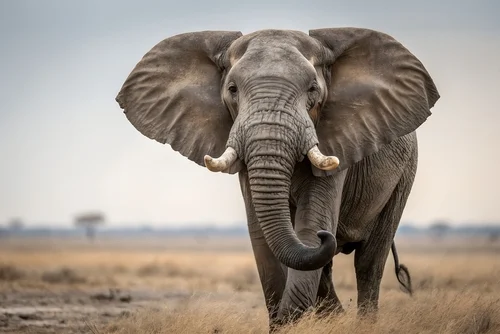
TL;DR: World Elephant Day is observed on August 12 each year to raise awareness of the threats facing African and Asian elephants—including poaching, habitat loss, and human-wildlife conflict. In 2026, the global campaign continues to unite conservationists, governments, and everyday people around protecting one of Earth’s most iconic species.
Every August 12, the world pauses to think about elephants. Not just their size or intelligence, but their survival. World Elephant Day was founded in 2012 by the Elephant Reintroduction Foundation and Canadian filmmakers Patricia Sims and Michael Clark. Since then, it has grown into one of the most recognized wildlife awareness events on the global calendar.
The numbers behind elephant conservation are striking. According to the World Wildlife Fund (WWF), African forest elephant populations declined by more than 86% over 31 years, leading to their classification as Critically Endangered by the IUCN in 2021. African savanna elephants are listed as Endangered. Asian elephants, with fewer than 50,000 remaining in the wild, face similar pressures.
World Elephant Day 2026 keeps this conversation alive. It reminds us that elephants don’t just matter to the countries where they live—they matter to the entire planet. Healthy elephant populations support entire ecosystems, dispersing seeds across vast distances and creating water sources that other animals rely on.
This guide explains what World Elephant Day is about, why elephants are still under threat, and what practical steps you can take to support their protection in 2026 and beyond.
Why Are Elephants Still Endangered in 2026?
Despite decades of conservation efforts, elephants face serious and ongoing threats. Understanding these threats is the first step toward meaningful action.
Poaching and the Illegal Ivory Trade
Poaching remains one of the most urgent threats to African elephants. While the global ivory trade ban introduced in 1989 reduced large-scale slaughter, illegal poaching has persisted. According to the Convention on International Trade in Endangered Species (CITES), tens of thousands of African elephants were killed for their ivory between 2010 and 2012 alone—a crisis that conservation organizations have spent years working to reverse.
Habitat Loss and Human-Wildlife Conflict
As human populations expand, elephant habitats shrink. Forests are cleared for agriculture. Roads cut through migration corridors. Elephants that once roamed freely now share increasingly tight spaces with farming communities, leading to conflict. Crops are destroyed. Sometimes, lives are lost—on both sides.
Climate Change
Shifting rainfall patterns, prolonged droughts, and changing vegetation affect the food and water sources elephants depend on. Climate change compounds every other threat elephants face, making conservation more complex and more urgent at the same time.

What Is World Elephant Day and Who Organizes It?
World Elephant Day is an annual global event held on August 12. Its mission is to raise awareness of the critical state of both African and Asian elephants and to promote solutions that support elephant welfare and conservation.
The day is supported by more than 100 wildlife organizations worldwide, including WWF, the African Wildlife Foundation, and the Asian Elephant Support network. Events take place across social media, in schools, zoos, sanctuaries, and wildlife reserves around the world.
In 2026, the campaign focuses on amplifying community-led conservation efforts—recognizing that the people who live alongside elephants are essential partners in protecting them.
How Can You Support Elephant Conservation on World Elephant Day 2026?
You don’t need to be a wildlife biologist to make a difference. There are clear, accessible ways to contribute.
Donate to a Reputable Conservation Organization
Financial support is one of the most direct ways to help. Organizations like the David Sheldrick Wildlife Trust, WWF, and Elephants Without Borders use donations to fund anti-poaching patrols, elephant orphan rescue programs, habitat protection, and community outreach.
Share Verified Information
Misinformation about wildlife conservation spreads quickly. On World Elephant Day, share content from trusted sources—WWF, the IUCN, and CITES publish reliable, up-to-date data on elephant populations and conservation progress. Accurate information shapes public opinion and drives policy change.
Choose Ethical Wildlife Experiences
If you’re traveling, choose wildlife experiences that prioritize animal welfare. Ethical sanctuaries do not offer elephant riding, circus-style performances, or direct tourist contact. Look for facilities accredited by the Global Federation of Animal Sanctuaries (GFAS).
Support Sustainable Products
The ivory trade is illegal, but demand still drives poaching. Avoid purchasing products made from ivory, and check that any wildlife-related souvenirs are legally sourced. Sustainable purchasing decisions, multiplied across millions of consumers, reduce the market that makes poaching profitable.

How Does Elephant Conservation Benefit Local Communities?
Conservation and community wellbeing are connected. When elephants thrive, entire ecosystems benefit—and so do the people who depend on them.
Elephant tourism generates significant income for communities in Kenya, Botswana, Sri Lanka, and across Southeast Asia. According to a 2014 report by the International Union for Conservation of Nature (IUCN), a living elephant generates an estimated $1.6 million in tourism revenue over its lifetime, compared to the one-time illegal ivory value of roughly $21,000.
Community-based conservation programs give local residents a direct stake in protecting elephants. They create jobs in wildlife management, ecotourism, and education. They reduce human-elephant conflict by building protective barriers and early-warning systems. These programs work because communities are at the center of them—not an afterthought.
Supporting conservation organizations that prioritize community partnerships is one of the most impactful choices a donor can make.
What Progress Has Been Made in Elephant Conservation?
Conservation efforts have produced real results. In some regions, populations have stabilized or grown. Botswana, which has the largest elephant population in Africa (roughly 130,000), has maintained strong anti-poaching enforcement. In parts of South and Southeast Asia, protected corridors have allowed elephant populations to move more freely between habitats.
Increased international cooperation on anti-poaching laws has also helped. The 2016 decision by China—the world’s largest ivory market at the time—to ban domestic ivory sales was a significant step. Independent researchers reported a reduction in elephant poaching rates in the years following the ban.
Progress is real, but fragile. Funding gaps, political instability, and climate pressures mean that the gains made can quickly reverse without sustained support.
Take Action This World Elephant Day 2026
World Elephant Day 2026 is a reminder that conservation is not a passive act. Elephants need active, ongoing support—from governments, organizations, and individuals around the world.
You can start simply. Learn about the organizations doing this work. Share accurate information with your network. If you’re in a position to donate, choose a reputable organization and send your contribution securely.
Small actions, taken by many people, add up. This World Elephant Day, be one of them.

Frequently Asked Questions About World Elephant Day
When is World Elephant Day 2026?
World Elephant Day 2026 falls on Wednesday, August 12. The event is held on August 12 every year.
Who founded World Elephant Day?
World Elephant Day was co-founded in 2012 by Canadian filmmaker Patricia Sims and the Elephant Reintroduction Foundation of Thailand.
How many elephants are left in the world in 2026?
According to the WWF, there are an estimated 415,000 African elephants and fewer than 50,000 Asian elephants remaining in the wild. Both African elephant species are listed as Endangered or Critically Endangered by the IUCN.
What is the biggest threat to elephants today?
Poaching for ivory and habitat loss due to agricultural expansion are the most significant threats to elephant populations worldwide, compounded by the growing effects of climate change.



