

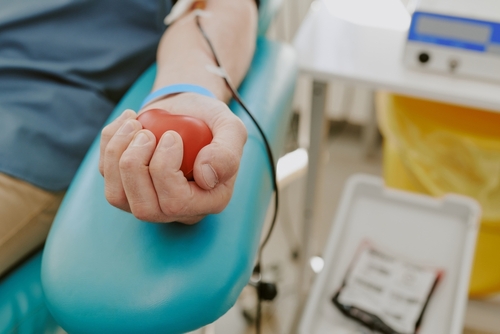
Quick answer: World Blood Donor Day is observed annually on June 14. The 2026 theme continues the global push to raise awareness about the need for safe blood supplies and to thank voluntary, unpaid donors. Every donation can save up to three lives—and millions of people around the world depend on donated blood each year.
Every two seconds, someone in the world needs blood. That’s not a figure designed to alarm you—it’s just a fact. Blood is needed for surgeries, cancer treatments, childbirth complications, and trauma care. And in most cases, there’s no substitute for it.
World Blood Donor Day, observed every June 14, is one of the most important global health observances of the year. It’s a day to recognize the millions of people who donate blood voluntarily and without payment—and to remind the rest of us that we can do the same.
This guide covers everything you need to know about World Blood Donor Day 2026: what it is, why it matters, who needs blood and why, and how you can take part—whether you’re a first-time donor or someone looking to spread the word.
What Is World Blood Donor Day and When Is It?
World Blood Donor Day falls on June 14 every year. The date was chosen to honor Karl Landsteiner, the Nobel Prize-winning scientist born on June 14, 1868, who discovered the ABO blood group system—a discovery that made safe blood transfusions possible.
The day was established in 2004 by the World Health Organization (WHO), the International Federation of Red Cross and Red Crescent Societies (IFRC), and other global health partners. Since then, it has grown into a worldwide campaign, with governments, health organizations, and community groups hosting events and donation drives across more than 190 countries.
The goal is twofold: to thank existing donors and to encourage new ones to step forward.
What Is the Theme for World Blood Donor Day 2026?
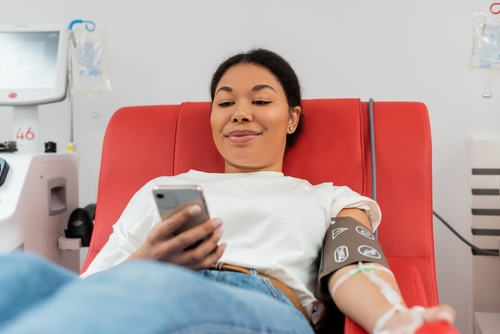
Each year, World Blood Donor Day is built around a central theme that focuses global attention on a specific aspect of blood donation. The 2026 theme—”Give blood, give hope”—emphasizes the life-changing impact of voluntary donation and highlights the urgent need to maintain stable blood supplies, particularly in low- and middle-income countries where shortages are most acute.
The theme is also a call to action. Giving blood is one of the simplest things a person can do to help someone they’ll never meet. And that act of generosity can mean everything to the person on the receiving end.
Why Is Blood Donation So Important?
Who needs donated blood and why?
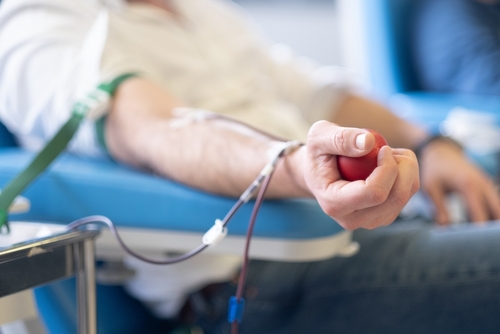
Blood donations support a wide range of medical needs. According to the World Health Organization, the most common recipients of donated blood include:
- Women with complications during pregnancy and childbirth, including hemorrhage—a leading cause of maternal death globally
- Children with severe anemia, often caused by malaria or malnutrition in low-income countries
- People with blood disorders such as sickle cell disease or thalassemia, who may need regular transfusions throughout their lives
- Cancer patients undergoing chemotherapy, which can damage blood cells and require transfusions for recovery
- Trauma and accident victims, who may need large volumes of blood quickly to survive
There is no artificial replacement for human blood. Plasma substitutes and synthetic oxygen carriers exist, but none can replicate the full function of whole blood or its components. This is why voluntary donation is not just useful—it’s essential.
How much blood does the world actually need?
The WHO estimates that around 118.5 million blood donations are collected globally each year. That sounds like a lot. But demand consistently outpaces supply, especially in lower-income regions.
High-income countries collect about 34 donations per 1,000 people. Low-income countries collect just 4 per 1,000. This gap is stark—and it has real consequences for patient survival.
In sub-Saharan Africa and parts of South and Southeast Asia, hospitals frequently run out of blood. Surgeries get postponed. Children with severe anemia don’t receive the transfusions they need. Mothers die from postpartum hemorrhage that would have been survivable with access to blood products.
Closing that gap requires more donors—and more awareness.
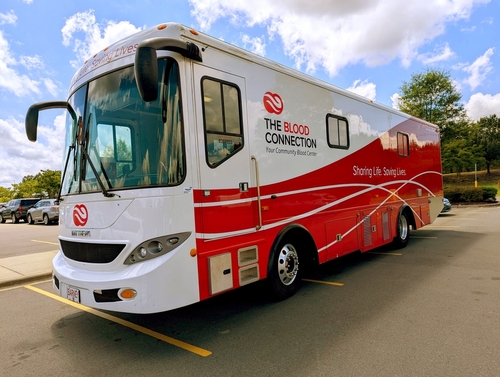
How Can You Participate in World Blood Donor Day 2026?
Donating blood for the first time: what to expect
If you’ve never donated before, the process is simpler than most people expect. Here’s a general overview:
- Check eligibility: Most donors must be at least 17 years old, weigh a minimum of 110 pounds (50 kg), and be in general good health. Specific requirements vary by country and blood center.
- Find a donation site: Visit your national blood service’s website to locate the nearest donation center or scheduled blood drive.
- Prepare: Drink plenty of water and eat a healthy meal before your appointment. Avoid fatty foods the day of your donation.
- The donation itself: The process typically takes 45 to 60 minutes in total. The actual blood draw takes about 8 to 10 minutes.
- Recovery: Rest briefly afterward, enjoy the provided snacks and fluids, and avoid strenuous activity for the rest of the day.
One whole blood donation—roughly 450–500 ml—can be separated into red cells, platelets, and plasma, potentially helping up to three different patients.
How to get involved even if you can’t donate blood
Not everyone is eligible to donate. Medical conditions, medications, recent travel, or age restrictions can disqualify some people. That doesn’t mean you can’t contribute to the cause.
- Spread the word: Share information about World Blood Donor Day on social media. Use the official hashtags: #GiveBlood and #WorldBloodDonorDay. Awareness genuinely drives action.
- Organize a blood drive: Workplaces, schools, places of worship, and community organizations can partner with local blood centers to host drives and make donation more accessible.
- Recognize a donor: The day is also about appreciation. If someone in your life donates blood regularly, acknowledge it. That recognition encourages them—and inspires others.
- Volunteer: Blood donation centers often need help with logistics, administration, and outreach, especially during large-scale events.

The Global Impact of Voluntary Blood Donation
Voluntary, unpaid donors are the backbone of safe blood supply systems. The WHO recommends that countries rely entirely on voluntary non-remunerated donors, as paid or family replacement donations carry higher risks of transfusion-transmissible infections.
Progress has been made. As of the most recent WHO data, 79 countries collect more than 90% of their blood supply from voluntary donors. But 54 countries still rely significantly on family or paid donors—a figure that World Blood Donor Day campaigns actively work to reduce.
Countries like Australia, Canada, Denmark, and the United Kingdom serve as strong models of voluntary donor systems. Their programs demonstrate that when communities are educated and engaged, safe blood supply becomes achievable and sustainable.
Supporting World Blood Donor Day From Anywhere in the World
For people living abroad—whether studying, working, or supporting family back home—World Blood Donor Day carries a particular resonance. Many immigrants and diaspora communities maintain close ties to countries where blood shortages are severe.
Donating blood locally, wherever you are, contributes to global supply chains and international blood product sharing programs. It also builds stronger health infrastructure in your host country. Beyond donation, sending financial support to organizations that run blood drives and transfusion medicine programs in lower-income countries is another meaningful way to help.
Remitly makes it simple and affordable to send money to loved ones in 170+ countries, including those with the greatest need for blood supply investment. Every act of care—whether it’s a blood donation or a transfer to support a family member’s medical costs—makes a difference.

Start with One Step: Give Blood on June 14
Blood donation doesn’t require special skills, significant time, or any cost. It requires only the willingness to show up. One appointment. One hour. Up to three lives saved.
World Blood Donor Day 2026 is an opportunity to take that step—whether for the first time or the hundredth. Find your nearest blood donation center, book your appointment, and show up on June 14. Or share this article with someone who can.
The need is real. The solution is simple.
Frequently Asked Questions About World Blood Donor Day 2026
When is World Blood Donor Day 2026?
World Blood Donor Day is observed on June 14 every year. In 2026, it falls on a Sunday.
What is the theme for World Blood Donor Day 2026?
The 2026 theme is “Give blood, give hope,” reflecting the life-saving impact of voluntary donation and the ongoing global need for safe blood supplies.
Who is eligible to donate blood?
Eligibility requirements vary by country, but general criteria include being at least 17 years old, weighing at least 110 pounds (50 kg), and being in good health. Certain medications, medical conditions, and recent travel may affect eligibility. Check with your local blood center for specific guidelines.
How often can you donate blood?
Most people can donate whole blood every 56 days (8 weeks). Platelet donations can be given more frequently—up to 24 times per year in some countries.
Why is June 14 chosen for World Blood Donor Day?
June 14 marks the birthday of Karl Landsteiner (1868), the scientist who discovered the ABO blood group system. His work laid the foundation for safe blood transfusions worldwide.
What happens to donated blood after it’s collected?
Donated blood is tested, processed, and separated into components—red blood cells, platelets, and plasma—each of which can be used to treat different patients and conditions.



