


TL;DR: Denmark’s “Age 25 Rule” is a lighthearted cultural tradition—not a law—where single Danes get covered in cinnamon on their 25th birthday by friends and family. Rooted in the legend of unmarried spice traders, the custom has evolved into a modern celebration and gained worldwide attention through social media.
If you’ve stumbled across a video of someone tied to a lamp post and completely covered in orange-brown powder, you might have had a few questions. Was that consensual? Is that… cinnamon? And why?
Welcome to one of Denmark’s most beloved birthday traditions. Every year, Danes who reach their 25th birthday unmarried can expect their friends and family to show up armed with bags of cinnamon and a whole lot of enthusiasm. It’s messy, it’s chaotic, and it’s a whole lot of fun—assuming you’re prepared for it.
Despite being widely referred to as the “Age 25 Rule,” this is not a law. No Danish government official has ever mandated that single people be dusted in spice. It’s simply a time-honored cultural custom, passed down through generations, that has taken on a life of its own in the age of viral videos.
In this post, you’ll learn exactly what the tradition involves, where it came from, what happens if you’re still single at 30, and how Denmark’s quirky birthday custom compares to celebrations around the world.
What Is Denmark’s Age 25 Rule?
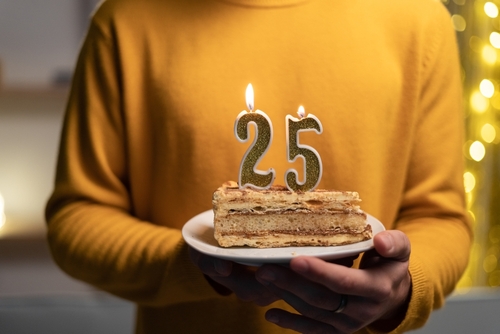
At its core, Denmark’s Age 25 Rule is a playful birthday prank. If you’re unmarried when you turn 25, the people closest to you—friends, siblings, colleagues—may decide to cover you in cinnamon.
The “rule” part of the name is a bit of a misnomer. There’s no legal obligation, no official ceremony, and no formal expectation. It’s a cultural norm that varies significantly from person to person and social group to social group. Some Danes experience an elaborate prank with costumes and crowds. Others get a quick dusting from a best friend. And plenty of Danes skip it entirely.
What makes the tradition stick is its humor. Being showered in cinnamon on your 25th birthday is a gentle, good-natured jab at still being single—a way for your loved ones to celebrate you while also poking fun at your relationship status.
Why Cinnamon? The Historical Roots of the Tradition
The use of cinnamon isn’t random. Like many quirky traditions, this one has a surprisingly logical origin story.
The legend traces back to the 16th and 17th centuries, when spice traders traveled across Europe selling their goods—including cinnamon. These merchants were constantly on the move, which made settling down and getting married difficult. By the time they reached their mid-twenties, many of these traders were still unmarried, earning them a nickname in Danish: pebersvend, which roughly translates to “pepper fellow” or “spice bachelor.”
Over time, the association between spice sellers and single men became embedded in Danish culture. The term pebersvend became a colloquial way to refer to an unmarried older man. Eventually, the cinnamon connection evolved from a linguistic quirk into an actual physical tradition—and the rest is (spicy) history.
The custom has since moved well beyond its origins. Today, it applies to people of all genders and is celebrated as a fun milestone rather than any kind of social commentary.
What Actually Happens on Your 25th Birthday?
The execution of the cinnamon prank varies, but a few common elements tend to appear across most celebrations.
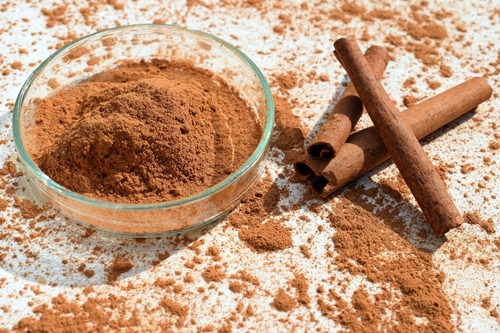
First, the birthday person is often immobilized—tied to a lamp post, a chair, or another fixed object. This is typically done with their knowledge and consent beforehand, though surprises do happen among close friend groups. From there, friends and family take turns throwing bags of cinnamon, showering the birthday person from head to toe.
A popular technique involves spraying the person with water first. Wet skin makes the cinnamon stick far more effectively, resulting in a much more dramatic (and photogenic) outcome.
Other common additions to the celebration include:
- Costumes: Some birthday people dress up in exaggerated outfits for the occasion.
- Crowd involvement: Larger celebrations might include coworkers, classmates, or even strangers on the street joining in.
- Social media documentation: Photos and videos are almost always taken, making the tradition a natural fit for platforms like TikTok and Instagram.
One important note: the tradition should always be safe and consensual. Most Danes who participate know what’s coming, or at least know the tradition exists. The goal is celebration, not humiliation.

What Happens If You’re Still Single at 30?
Reach 30 without tying the knot, and the stakes go up. Significantly.
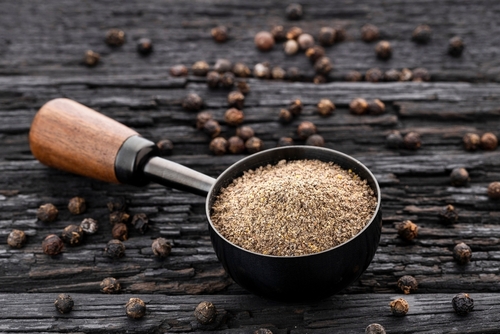
At age 30, the cinnamon typically gets swapped out for pepper. This is seen as the “next level” of the tradition—an upgrade that reflects the fact that the birthday person has now officially been a pebersvend (or pebermø, the female equivalent) for five years.
Pepper is harsher than cinnamon, a bit more pungent, and considerably less pleasant to wear. That’s partly the point. The swap from cinnamon to pepper signals that reaching 30 still single is a bigger deal—or at least, that’s the joke. The celebration is still rooted in affection and humor, but the spice selection communicates that your friends have upgraded their commitment to the bit.
Both ages—25 and 30—are celebrated with equal enthusiasm in circles that observe the tradition, and both serve the same purpose: marking a milestone with laughter, camaraderie, and a lot of mess.
Is the Age 25 Rule Still Popular in Denmark Today?
The tradition is alive, though its prevalence varies. In urban areas like Copenhagen, you’re more likely to see elaborate public celebrations—particularly among university students and young professionals. In smaller communities or more conservative social circles, the tradition may be observed in a quieter way, or skipped altogether.
What has dramatically expanded the tradition’s reach is social media. TikTok, Instagram, and YouTube have turned cinnamon birthday videos into a global phenomenon. Clips of Danes covered in orange powder, laughing with their friends, regularly rack up millions of views from people who had never heard of the tradition before. Many viewers outside Denmark have even started adopting versions of it for their own friend groups.
According to VisitDenmark, the official tourism website for Denmark, the cinnamon tradition is one of the country’s most recognizable cultural customs, and it remains a genuine part of modern Danish life—not just a tourist curiosity.
Is Everyone Expected to Participate?
No. Participation is entirely optional.
Not every Dane celebrates this way. Some people actively avoid it. Others are enthusiastic participants. Many fall somewhere in between—aware of the tradition and willing to mark the occasion with something smaller, like a cinnamon-themed cake or a light dusting from a single bag rather than a full ambush.
The tradition works because it’s playful and low-stakes. There’s no social penalty for opting out. And because it relies on consent and good humor to succeed, the best versions of the cinnamon prank are ones where everyone—especially the birthday person—is in on the joke.
How Denmark’s Tradition Compares to Birthday Customs Around the World
Denmark isn’t the only country with a memorable way to mark a birthday milestone. Across cultures, landmark ages often come with their own rituals and pranks.
United Kingdom – Birthday bumps: Friends lift the birthday person off the ground and bump them up and down, once for each year of their age. It’s physical, chaotic, and very British.
Mexico – Piñatas: Brightly decorated piñatas filled with candy and small treats are a central part of birthday celebrations, particularly for children. The tradition has deep pre-Columbian roots.
India – Cake smashing: In many parts of India, it’s common for friends to smash cake into the birthday person’s face. The messier the better—it’s considered a sign of affection.
Germany – Bachelor traditions: German men who are still unmarried at 30 may be made to sweep the steps of their local church or town hall while onlookers heckle them. The tradition has clear similarities to Denmark’s approach—using humor to mark the milestone of being single past a certain age.
What connects these traditions is the same underlying impulse: to celebrate a milestone together, to mark the passage of time, and to use shared humor as a form of bonding.
Frequently Asked Questions
Is the Age 25 Rule an actual law in Denmark?
No. The Age 25 Rule is a cultural tradition, not a legal requirement. No Danish law mandates that single people be covered in cinnamon. It’s a voluntary custom practiced by friends and family as a birthday celebration.
Why do Danes throw cinnamon at 25-year-olds?
The tradition stems from the historical association between spice traders and bachelorhood. Merchants who traveled frequently in the 16th and 17th centuries often remained unmarried, earning the nickname pebersvend (spice bachelor). Over time, this connection evolved into the modern practice of covering unmarried 25-year-olds in cinnamon.
Why does the cinnamon change to pepper at age 30?
Pepper is considered the “next level” because it’s stronger and more pungent than cinnamon. Reaching 30 still unmarried signals a longer stretch of bachelorhood, and the switch in spice reflects that—humorously, of course.
Does everyone in Denmark participate in the cinnamon tradition?
No. Participation varies widely. Some Danes embrace it enthusiastically, others prefer a smaller version, and many skip it entirely. There’s no social pressure to take part.
Can women receive the cinnamon prank too?
Yes. The female equivalent of pebersvend is pebermø, meaning “pepper maiden.” The tradition applies to people of all genders, and women who are unmarried at 25 can expect the same treatment as their male counterparts—if their friend group observes the custom.
Is the cinnamon tradition becoming more or less popular?
Social media has significantly boosted the tradition’s visibility, both within Denmark and internationally. While participation varies depending on the region and social circle, the tradition appears to be as culturally relevant as ever—and is now gaining fans well outside Danish borders.
A Tradition Worth Celebrating—Spice and All
Denmark’s Age 25 Rule is proof that the best cultural traditions are often the most absurd ones. It’s not a law. It’s not mandatory. And it’s not particularly dignified. But it is genuinely fun, warmly intentional, and a testament to what makes shared cultural customs worth preserving.
Whether you’re approaching your 25th birthday in Copenhagen, watching a cinnamon video on TikTok, or simply curious about the world’s more colorful traditions—there’s something refreshing about a culture that marks a milestone with laughter, friendship, and a generous helping of spice.
If you ever find yourself at a 25th birthday celebration in Denmark, consider this your fair warning: come prepared, protect your eyes, and maybe wear something you don’t mind ruining.



