

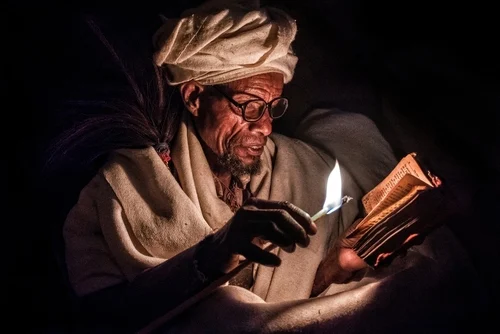
TL;DR: Ethiopian Christmas, known as Genna, falls on January 7 and marks the end of a 43-day fast for Ethiopian and Eritrean Orthodox Christians. Celebrations include all-night church services, white traditional garments, and a feast centered on doro wat, a spiced chicken stew. The holiday reflects deep religious devotion and strong family and community ties.
For millions of Ethiopian and Eritrean Orthodox Christians around the world, Christmas doesn’t arrive in December. It arrives on January 7, carried in on weeks of spiritual preparation, candlelit churches, and the aroma of simmering berbere spice. This holiday, called Genna, is one of the most significant dates on the Ethiopian Orthodox calendar, and it looks and feels quite different from the Christmas many Americans know.
Understanding Genna matters for more than cultural curiosity. For the Ethiopian and Eritrean diaspora living in the United States, this holiday is a thread connecting them to family, faith, and home — even when oceans separate them from the people they love most. Whether you’re Ethiopian, Eritrean, or simply interested in learning about global traditions, this guide walks through what Genna is, how it’s observed, and why it continues to hold such meaning generations later.

When Is Ethiopian Christmas and Why Does It Fall on a Different Date?
Genna is celebrated on January 7 rather than December 25. This difference comes down to the calendar. The Ethiopian Orthodox Church follows the Julian calendar, which runs about 13 days behind the Gregorian calendar used in most of the world. That gap is why Ethiopian Christmas, Ethiopian New Year, and other religious observances land on dates that look unfamiliar to those using the standard Western calendar.
This isn’t a minor technicality. The Julian calendar shapes the entire rhythm of the Ethiopian Orthodox liturgical year, and Genna is one of its most anticipated milestones.
What Is the 43-Day Fast Before Genna?
Before the celebration begins, there’s a long period of spiritual discipline. Ethiopian and Eritrean Orthodox Christians observe a 43-day fast leading up to Genna, abstaining from animal products and, in many cases, eating only one meal a day. This fasting period is meant to cultivate humility, repentance, and focus ahead of the holiday.
The fast ends on the eve of Genna, which is part of why the feast that follows feels so significant. After more than a month of restraint, the meal that breaks the fast carries extra weight — a reward for devotion, shared with family and community.

How Do People Celebrate Genna?
Genna celebrations combine religious observance with family tradition. Here’s what typically happens:
All-night church services. On Genna Eve, many worshippers attend church services that stretch through the night, often beginning in the evening and continuing until dawn. These services are marked by chanting, prayer, and a sense of collective devotion that defines the holiday.
White traditional garments. Many attendees wear white clothing to church, often a traditional garment called a habesha kemis for women or a netela wrapped over everyday clothes. White symbolizes purity and is a common thread throughout Ethiopian Orthodox religious observances.
The doro wat feast. Once the fast ends, families gather to share doro wat, a rich stew made with chicken, hard-boiled eggs, and berbere, a spice blend central to Ethiopian cuisine. The dish is typically served with injera, a sourdough flatbread used both as a utensil and a plate. For many families, preparing doro wat is itself a tradition, passed down and perfected across generations.
Family and community gathering. Like most major holidays, Genna is as much about togetherness as it is about religious practice. Extended families gather, neighbors share meals, and communities come together in celebration after weeks of fasting apart.
Why Does Genna Matter to the Ethiopian and Eritrean Diaspora in the US?
For Ethiopian and Eritrean immigrants living in the United States, Genna offers a chance to maintain connection to tradition while building new lives abroad. Holidays like this one often become anchors — moments when families recreate the sights, smells, and rituals of home, even thousands of miles away.
This is also a season when staying connected to loved ones abroad takes on extra meaning. Many families in the diaspora use the lead-up to Genna to check in with relatives, coordinate holiday plans, and in some cases, send support home so family members can celebrate fully — whether that means contributing to a feast, a church donation, or simply easing financial pressure during a meaningful time of year.

A Holiday Rooted in Devotion and Connection
Genna isn’t a single-day event. It’s the culmination of over a month of fasting, reflection, and anticipation, followed by a night of worship and a meal shared among people who matter most. For Ethiopian and Eritrean Orthodox Christians, the holiday represents both spiritual renewal and cultural continuity — a reminder that tradition can travel, even when people do.
If you have Ethiopian or Eritrean friends, neighbors, or colleagues, Genna is a meaningful time to extend good wishes. And for those celebrating far from family, the holiday is a reminder of just how much distance can be bridged by staying connected — in faith, in tradition, and in the relationships that matter most.
Frequently Asked Questions About Ethiopian Christmas
What date is Ethiopian Christmas celebrated?
Ethiopian Christmas, or Genna, is celebrated on January 7 each year, based on the Julian calendar followed by the Ethiopian Orthodox Church.
What is doro wat and why is it eaten on Genna?
Doro wat is a spiced chicken stew made with berbere and hard-boiled eggs, served with injera flatbread. It’s traditionally eaten to break the 43-day fast that precedes Genna, making it a centerpiece of the holiday feast.
Why do people fast before Ethiopian Christmas?
The 43-day fast before Genna is a period of spiritual preparation observed by Ethiopian and Eritrean Orthodox Christians. It typically involves abstaining from animal products as an act of humility and devotion ahead of the holiday.
Is Genna the same as Ethiopian New Year?
No. Genna refers specifically to Ethiopian Christmas, celebrated in January. Ethiopian New Year, called Enkutatash, is a separate holiday celebrated in September.
Who celebrates Ethiopian Christmas?
Genna is primarily celebrated by Ethiopian and Eritrean Orthodox Christians, both in Ethiopia and Eritrea and among diaspora communities around the world, including in the United States.


