

Quick answer: Guru Nanak Jayanti, also called Gurpurab, celebrates the birth of Guru Nanak Dev Ji, founder of Sikhism, in 1469. In 2026, the holiday falls on Tuesday, November 24. Celebrations include Akhand Path scripture readings, Nagar Kirtan processions, and community langar meals open to everyone, including non-Sikhs.
Across the United States, millions of people will soon notice Sikh communities preparing for one of their most meaningful celebrations of the year. Guru Nanak Jayanti, widely known as Gurpurab, honors the birth of Guru Nanak Dev Ji, the founder of Sikhism and the first of the faith’s ten Gurus. For Sikh Americans, this is a season of devotion, service, and togetherness. For neighbors, coworkers, and classmates who may be less familiar with the holiday, it’s an opportunity to understand a tradition rooted in humility, equality, and generosity.
This guide walks through what Guru Nanak Jayanti means, when it falls in 2026, how it’s traditionally observed, and how workplaces, schools, and communities across the U.S. can participate respectfully. Remitly connects with immigrant and diaspora communities every day, and understanding the holidays that shape people’s lives is part of building that trust.

What is Guru Nanak Jayanti, and why is it celebrated?
Guru Nanak Jayanti marks the birth anniversary of Guru Nanak Dev Ji, who was born in 1469 near Lahore, in what is now Nankana Sahib, Pakistan, according to Britannica. He founded Sikhism and taught three core principles that remain central to the faith today: Naam Japo (remembering and meditating on God’s name), Kirat Karo (earning an honest living), and Vand Chhako (sharing what you have with others).
The holiday is also known as Gurpurab, Guru Nanak’s Prakash Diwas, or simply Guru Nanak’s birthday. It’s considered the most important celebration in the Sikh calendar, and it’s observed by Sikh communities worldwide, including large populations across the United States.
When is Guru Nanak Jayanti in 2026?
Guru Nanak Jayanti falls on Tuesday, November 24, 2026. The date is tied to the full moon (Purnima) of the lunar month of Kartik, which typically lands in October or November on the Gregorian calendar. According to Drik Panchang, the Purnima tithi begins at 11:42 PM on November 23 and ends at 8:23 PM on November 24 (based on New Delhi time).
Because the holiday follows a lunar calendar, the exact date shifts each year. Some Nanakshahi calendar listings show observances spanning November 22 through 24, 2026, so it’s worth checking with your local gurdwara for the specific schedule of events in your area, since U.S. time zones and local traditions can affect timing.
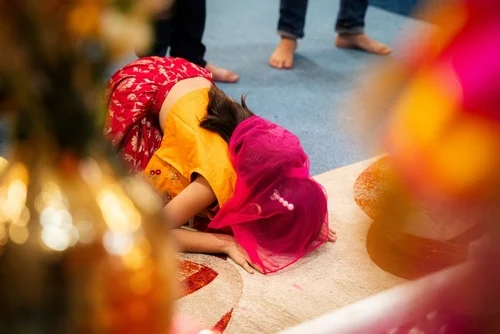

How do Sikhs traditionally celebrate Gurpurab?
Guru Nanak Jayanti celebrations typically unfold over several days, each with its own significance:
Akhand Path (continuous reading)
Two days before the main celebration, an unbroken, 48-hour reading of the Guru Granth Sahib, the Sikh holy scripture, begins at the gurdwara. This continuous recitation honors the sacred text as the eternal, living Guru of the Sikh faith.
Nagar Kirtan (community procession)
The day before Gurpurab, a vibrant procession called Nagar Kirtan moves through the neighborhood. It’s led by the Panj Pyare, five baptized Sikhs representing the “five beloved ones,” who carry the Nishan Sahib, the Sikh triangular flag. The Guru Granth Sahib is carried on a decorated palanquin, while participants sing devotional hymns called shabads along the route.
Prabhat Pheri and the main day of celebration
On the morning of Gurpurab itself, a Prabhat Pheri, or early morning procession, takes place with devotional singing. Throughout the day, the gurdwara hosts katha, spiritual discourses reflecting on Guru Nanak’s life and teachings.
Langar: community meal
No Gurpurab celebration is complete without langar, a free communal meal prepared and served entirely by volunteers. Langar embodies two core Sikh values: seva, or selfless service, and equality, since everyone sits together and eats the same food, regardless of background, faith, or status. According to Wikipedia’s entry on gurdwaras, langar exists specifically to train people in service while giving everyone, regardless of walk of life, the chance to serve others.
Evening candle lighting
As night falls, many households and gurdwaras light candles and diyas, a quiet, reflective close to a day centered on devotion and community.

How many Sikh Americans celebrate this holiday?
Estimates of the U.S. Sikh population vary depending on the source. The Sikh American Legal Defense and Education Fund has cited more than 500,000 Sikhs living in the United States. Other reporting, including coverage from India TV, has estimated the number closer to 1 million, though that figure carries a wide margin of error, particularly since the U.S. Census does not yet count Sikhs as a distinct ethnic category in all contexts. Regardless of the exact number, Sikh communities are a visible and growing presence in cities nationwide, from Fresno and Yuba City in California to Queens, New York, and the Punjabi corridors of the Pacific Northwest.
How can coworkers, classmates, and neighbors respectfully take part?
You don’t need to be Sikh to show respect for Guru Nanak Jayanti or to participate in community events. A few customary guidelines apply if you visit a gurdwara:
- Cover your head. Scarves or head coverings are available at most gurdwaras if you don’t bring your own.
- Remove your shoes before entering the main prayer hall.
- Sit on the floor during prayers and langar, a practice that reflects the Sikh principle of equality.
- Expect vegetarian food. Langar meals are always vegetarian, so that food can be shared with people of all dietary backgrounds and beliefs.
For workplaces and schools, small gestures go a long way. Consider acknowledging the holiday in internal calendars, allowing flexible time off for employees who wish to attend gurdwara events, or simply asking Sikh colleagues or students if they’d like to share something about the tradition. Inclusion doesn’t require grand gestures. It requires attention.

What does Guru Nanak Jayanti have to do with Remitly?
Many Sikh families in the United States maintain close ties to relatives in Punjab, India, and other parts of the global Sikh diaspora. Holidays like Gurpurab are often moments when families send support home, whether that’s contributing to gurdwara langar funds, celebrating with relatives abroad, or simply staying connected across distance.
Remitly helps families move money across 175+ countries and 100+ currencies, with over 90% of transfers arriving in under an hour. Whatever the occasion, whether it’s a holiday, a family milestone, or everyday support, Remitly’s goal is to make that connection fast, transparent, and secure.
Frequently asked questions about Guru Nanak Jayanti
What is the difference between Guru Nanak Jayanti and Gurpurab?
There is no difference. Gurpurab is simply another name for Guru Nanak Jayanti, the celebration of Guru Nanak Dev Ji’s birth. “Gurpurab” can also refer generally to the birth or death anniversaries of any of the ten Sikh Gurus, but when used alone, it most commonly refers to this celebration.
Why does the date of Guru Nanak Jayanti change every year?
The holiday follows the lunar Kartik Purnima, the full moon day of the Kartik month in the Hindu lunar calendar, rather than a fixed Gregorian date. This is why the celebration can fall anywhere from late October to late November depending on the year.
Is Guru Nanak Jayanti a federal holiday in the United States?
No. Guru Nanak Jayanti is not a federal holiday in the U.S. Some schools, workplaces, and local governments in areas with large Sikh populations may recognize it through flexible scheduling or community events, but it isn’t a nationally observed day off.
Can non-Sikhs attend langar or gurdwara events?
Yes. Gurdwaras and langar meals are open to everyone, regardless of faith or background. Visitors are welcome to observe prayers, join the meal, and learn about Sikh traditions, as long as they follow customary etiquette like covering their head and removing their shoes.
What should I say to a Sikh friend or coworker on Guru Nanak Jayanti?
A simple “Happy Gurpurab” or “Happy Guru Nanak Jayanti” is appropriate and well-received.

Honoring a tradition built on service and equality
Guru Nanak Jayanti is more than a date on the calendar. It’s a celebration of teachings that continue to shape how millions of Sikhs around the world live, work, and give back to their communities. Whether you’re joining a Nagar Kirtan procession, sharing a langar meal, or simply learning about the holiday for the first time, taking a moment to understand Gurpurab is a meaningful way to connect with the Sikh American community this November.
If you’re planning to celebrate with family abroad or send support home during this season, Remitly can help make that connection simple and secure.


