

Key Highlights
-
Tisha b’av is on the ninth of av. It is a big day of mourning in Jewish history.
-
The day thinks back to the loss of the first temple and second temple in Jerusalem.
-
For many Jewish people, the day is the saddest day on the Jewish calendar.
-
Tisha b’av also helps us remember other hard times that shape Jewish history and who Jewish people are.
-
Most people keep the day by fasting, saying sad prayers and kinnot, and sitting quietly to think.
-
Tisha b’av gives us a way to honor the past and share in sadness as a community.
Introduction
Tisha b’av is a day when people in the Jewish community come together to grieve. This is one of the most serious dates on the Jewish calendar. The day is about thinking of loss, memory, and everything that has happened in Jewish history. The main reason for the day of mourning is the loss of the Temples in Jerusalem. But the day is also about other sad events that happened later in time. If you want to know why the day still means a lot to people, you have to look at what happened long ago, what the Jewish tradition says about the day, and how people keep the day now.
Understanding Tisha B’Av
Tisha b’av happens on the ninth day of av. The day is very important in Jewish tradition. It is a fast day connected to memory, sadness, and a big loss for the people. Many Jewish people see this day as part of their faith and history.
The main event of tisha b’av is the destruction of the First and Second Temples in Jerusalem. Later on, the day was used to remember other hard times in jewish history. The sections below look at why the day is so important and why it still means a lot to people now.
Historical Significance in Jewish Tradition
Tisha b’av is an important day in Jewish tradition. It happens on the ninth day of av in the jewish calendar. This is one of the most serious fast days for the jewish people. On this day, the main focus is on the destruction of both Temples in Jerusalem. These events changed jewish history in many deep ways.
In jewish history, losing the Temples was about much more than losing a holy place. For the population of the kingdom of judah, it meant they lost a shared place to worship and come together as a group. This changed life for them and their children. Later generations also faced exile and break up as part of their story.
That is why tisha b’av is still so important. It brings together prayer, memory, and past events on one day. For many jewish people, it is a way to remember what was lost. At the same time, they keep jewish tradition and their shared identity strong across time.
Why Tisha B’Av Is Considered the Saddest Day
Many people say that tisha b’av is the saddest day in the jewish calendar. This is because the day brings together many losses and pain into a single day. It is a day of mourning for jewish people. On this day, they remember lost holy places, broken communities, and the hard times that happened after those losses.
Jewish tradition also connects the day to other troubles. One of the first is when the people did not have faith. They believed the fearful news of the spies about the land of Canaan. That lack of faith is now part of what the day means, along with later hard times for jewish people.
For many, the sadness of the day is not distant. It is very real. The day marks true losses like broken buildings, exile, and being at risk. tisha b’av is not happy or light. It is not like the other jewish holy days. The day is about holding back, feeling sorry, and thinking deeply. This is what makes tisha b’av the saddest day with a heavy and mournful feeling for jewish people.
Key Dates and Timing for 2026
If you are looking up tisha b’av 2026, the key point is that the observance is set by the Jewish calendar, not the secular calendar. It always falls on the ninth day of the hebrew month of av, a summer date that lands in July or August depending on the jewish year.
That means the exact civil date shifts from year to year, while the place of the observance in the jewish month of av stays the same. The meaning does not change: it remains the annual fast that remembers the destruction of the Temples and other tragedies tied to Jewish memory.
|
Time Detail |
Explanation |
|---|---|
|
Observance name |
Tisha b’av 2026 |
|
Jewish calendar date |
Ninth day of the Hebrew month of Av |
|
Jewish month |
Jewish month of av |
|
Seasonal timing |
Usually falls in July or August |
|
Place in the year |
A fixed date in the Jewish calendar, though the secular date changes each jewish year |
Events and Tragedies Commemorated
Tisha b’av is a day that remembers more than one thing. The destruction of the temple is the main focus, but the day also marks other hard times in Jewish history. These hard times changed the lives of many people in deep ways.
Because of this, tisha b’av became a big day in Jewish history for thinking about hard times, being sent away from home, and finding a way to get through. The day is not just about the loss of the temple. It is also about holding on to national identity. To understand how this came to be, it helps to look at the main events remembered on the day.
Destruction of the First Temple
The first temple was built by King Solomon. It was the main and most important place for Jewish people to worship. In 586 BCE, the Babylonians destroyed it. That moment is one of the biggest losses that is remembered on tisha b’av. Many people see this as a huge turning point.
This was not just breaking down a building. It was also about the destruction of Jerusalem and losing a shared space for their faith and people. The site of the temple meant much more than just walls and stones. It showed connection, history, and that the Jewish people belonged together.
This is why the first temple is still at the heart of the day. When people remember tisha b’av, they think about losing a place that brought them together. It was more than a building; it carried the feelings of both spiritual life and public unity. The site of the temple and the destruction of Jerusalem left a feeling of loss that still matters for the Jewish people.
Destruction of the Second Temple
The destruction of the second temple in 70 CE is another important event that people remember on tisha b’av. The second temple had become the main place for Jewish life after the first exile. When the roman empire destroyed it, this was another huge loss to the whole community and their way of life.
For many, the destruction of the second temple is seen as the most painful example of trouble and loss that happened to the people. Losing the temple mount, which was the main center for worship and meeting, really changed Jewish life. This event also helped shape ideas about what it means to live in exile or get through hard times.
The destruction had effects that spread far from Jerusalem. The pain was felt by the whole population of the kingdom of judah. It became a long part of their memory about losing their home and way of life. That is why the destruction of the second temple stays a big part of the tisha b’av story today.
Other Historical Calamities
As time went on, tisha b’av came to mean more than the loss of the Temples. Many Jewish people started to use the day to remember other disasters that bring up the same feelings of loss, pain, and breaking apart. This let the day stand for a much bigger set of memories in their history.
Some of the big sorrows linked to tisha b’av are:
-
The bar kochba revolt and all the hurt and loss that happened after, including at Betar.
-
The expulsion of the jews from Spain in 1492, which was during the spanish inquisition.
-
The murder of six million Jews during world war ii.
-
Some also think about the hurt of the warsaw ghetto on the day.
When you see all of these together, you can see why tisha b’av is so hard and heavy for the jewish people. The day is not just about broken ruins from a long time ago. It is a time to bring all the grief from many years into one day for all to think about.
The Three Weeks and Their Connection
The three weeks are the time of mourning before tisha b’av. They show how things get more serious each day in the Jewish month. This time joins earlier fast days and helps people remember the time of the siege, the break in the city walls, and the destruction of the city.
This period puts tisha b’av in a bigger picture. It does not let people see it as just one day. The three weeks guide you through each part of the loss, one step at a time. To see how everything fits together, look at the timeline, the customs, and the lessons from this time of the year.
Timeline Leading to Tisha B’Av
The link between tisha b’av and the Three Weeks comes from a mourning timeline in the Jewish calendar. This time leads up to the ninth of av. It helps people get ready on an emotional level for the strongest day of memory.
During this time, Jewish memory looks at how there was a drop and then destruction:
-
The siege of jerusalem becomes a big part of the story of bad times.
-
The fast days in this season make it feel like history is moving forward.
-
The month of av brings the last step close to tisha b’av.
When you see it this way, the Three Weeks are not away from the fast day. They are the road to it. The timeline shapes grief by showing how the loss happened, ending each year with tisha b’av on the ninth of av.
Related Customs and Observances
The Three Weeks and tisha b’av share the same feeling of holding back and being careful. Most of the tradition in this time is about the fast, but this whole season follows traditional mourning practices. Things slowly get more serious as time goes on.
When the month of av comes, people already feel a certain way. The fast days are not just picked at random. These days form a pattern that helps Jewish communities leave normal life and start to remember and feel sad about the past.
In jewish law, the biggest limits happen on tisha b’av, but the days before it help explain why those limits are there. Traditional practices during the Three Weeks get people ready for the fast and help show that the day fits into a bigger story about loss.
Lessons Drawn from the Three Weeks
The Three Weeks show that remembering events can grow over time. Jewish tradition doesn’t put all feelings into just one day. Instead, it builds a slow process. This way, people can take time to think about history, pain, and what it means to keep going.
One thing we learn from the tisha b’av tradition is that spiritual failure and lack of faith can be harmful. The memory of the spies and other disasters turn this season into more than just a story about the past. It gives people a chance to think about being responsible, being able to trust, and the choices groups make.
This time also teaches about national identity. Even after so many problems like destruction and exile, and many attacks on community life, the people did not give up. The day and the weeks before it show many Jews that making it through tough times was because of belief, memory, unity, and having a goal together.
Rituals and Customs of Tisha B’Av
Tisha b’av is a day when people fast, pray, and follow traditional mourning practices. Under jewish law, the day has rules that are made to show grief. It is not about having fun or finding comfort. These customs work to give the day a feeling that is not like regular religious days.
The day is important for a single jew and for groups together. The main goal is to give time for sadness and to remember why the day matters. Next, you will see the main things people are not allowed to do, how fasting works, and how communities join on tisha b’av.
Main Prohibitions and Practices
Tisha b’av is a day shaped by limits that show grief both in body and mind. These rules come from jewish law. They help the day feel apart from normal life. Mourning is the main part of the day.
Common traditional practices on the day are:
-
Fasting for the day.
-
Not taking part in most enjoyable Torah study, but people can read about hard or sad topics.
-
Refraining from sexual activity and sexual relations.
-
Prayer feels low-key, with black coverings often used in synagogues.
Traditional mourning practices on Tisha b’av are not only rules. They help everyone feel the loss. By taking a step back from comfort and joy, people give tisha b’av, the day, the weight and respect it calls for, as jewish law and tradition teach.
Fasting and Mourning Traditions
Fasting is one of the most clear ways people observe tisha b’av. It helps to show that the day of mourning is not a happy or holy holiday. The act of not eating lets the body feel the sadness that people remember on the day.
For orthodox jews, the fast comes with other acts that show grief. Sometimes, synagogues are covered in black cloth. The ark for the Torah scrolls may be left open or covered in black, and even the scrolls themselves may wear black to match the mood.
These signs show that tisha b’av is not just about one person. The day is about the whole group. The fast is not simply how someone feels by themselves, but what we all do together. The day ties people to the long memory of Jewish hardship and the fight to hold on to identity, even in loss.
Communal Gatherings and Activities
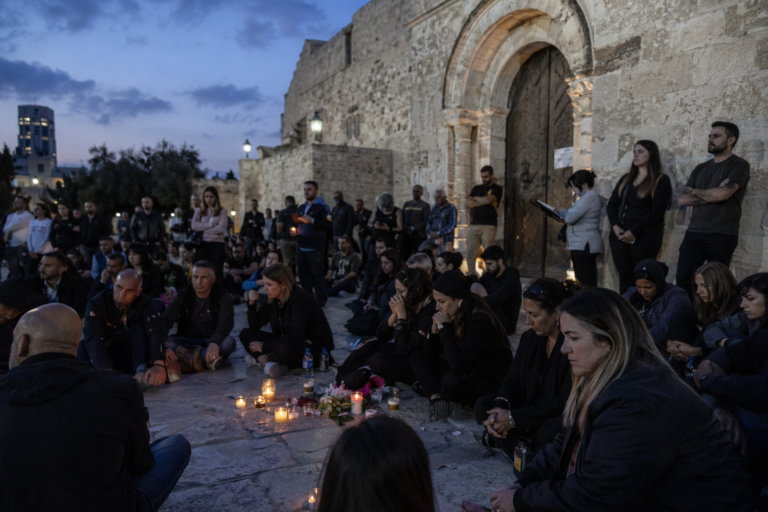
Even though tisha b’av is a quiet day, people still gather together. Many go to a synagogue or other places to pray, hear readings, and share their feelings of loss as a group. That togetherness matters because the losses remembered are for all jewish people.
In Israel, people often meet at the Western Wall. This wall is what is left from the Second Temple. For a group of jews praying there, it adds strong feelings. The place links what the jewish people do now with the memory of the big loss they talk about.
This makes tisha b’av feel different from yom kippur. Both days are serious. Yom kippur is about being holy and asking for forgiveness, while tisha b’av is about feeling pain, remembering sadness, and thinking about hard times for jewish people in the past.
Special Prayers and Readings
Prayer on tisha b’av is about feeling sad, remembering, and talking about things we have lost. The most well-known parts are the Book of Lamentations (the Book of Eicha), kinnot, and the nachem prayer.
These readings help shape the emotions we go through during the fast. They use the Hebrew Bible and later ideas from rabbinic tradition to share sorrow over Jerusalem and other hard times. The next parts describe what people read, why these texts are important, and how they affect the day.
Scriptural Readings for Tisha B’Av
The main reading for tisha b’av is the Book of Lamentations. Many people call it the Book of Eicha, too. This text talks about grief, a broken Jerusalem, and the pain felt by all. It fits the day’s spirit and reason.
It is read on the ninth day of the hebrew month. The book shows the feelings in jewish history. It helps us go from thinking about the past to feeling and praying about it now. It uses words for sadness, loss, and longing. It does not stay distant or cold.
The Book of Eicha is part of the hebrew bible, so it ties the day to holy things and old memory. Many communities see hearing this reading as a big moment of tisha b’av. It fills the day with its mood of sorrow.
Kinnot (Lamentations and Poems)
Kinnot are special poems and prayers that people say on tisha b’av. They help make the day feel bigger and deeper than the stories found in the Bible. These poems and prayers let the community show their sadness about things like destruction, exile, and hard times that happened later on.
In jewish tradition, kinnot are a way for people to talk about old sorrows out loud. They do not just tell us what happened. They turn these memories into prayers. That is why they are a big part of the service on tisha b’av.
If you come for the first time, kinnot can feel very powerful. These poems connect your own feelings to the history we all share. So, they make memory into something we all do together, where we take time to mourn and think.
Nachem Prayer
The nachem prayer is a key part of the tisha b’av service. Its name comes from the word comfort, but the prayer is said during a time filled with loss and asking for help. This mix makes it stand out on the day, which is shaped by sadness.
In rabbinic tradition, nachem is about the destruction of jerusalem. It talks about the hurt that came after. The prayer does not take away pain. It brings mourning and hope together. That is why many people still feel close to it.
In jewish history, nachem gives something extra to the day’s prayers. It helps people see that grief is always part of their story, but there is room to look for comfort. On tisha b’av, this back-and-forth feeling is important to the meaning of the day.
Contemporary Observance in the United States
In the United States, tisha b’av is marked in many ways. It depends on the community, the synagogue, and how much each person wants to take part. Some people go by jewish law, while others spend the day with study, memory, or just connect with the culture.
Many orthodox jews keep the fast and mourning rules on the day with great care. On the other hand, another group of jews thinks more about history, who they are, or talk about the day together as a group. The ways that people observe tisha b’av show how jewish tradition still means a lot to all kinds of people, no matter what they believe or how they want to follow.
Differences Among Jewish Denominations
How tisha b’av is kept can look very different among jewish people. Orthodox jews usually follow the fast, prayer services, and mourning customs in a full way. This is because they have a strong tie to jewish law. In these places, the day has clear rules and habits.
Some other jewish people do things for the day in a more easy way. They might look at the history, care for the memory shared with others, or think about national identity, instead of keeping every old rule. The written facts also point out that some jewish people do not keep tisha b’av at all. They see Israel being there now as something that changes what exile means.
But jewish tradition does let each person have their own choice. A single jew can find what matters most on tisha b’av. This can be fasting, going to synagogue, learning about history, or taking time alone to think quietly. The ways might be different, but everyone can see that the day has a big meaning in history for all of them.
Family-Friendly Ways to Mark Tisha B’Av
Families can honor tisha b’av in simple ways that are right for all ages. You don’t have to lose the deep meaning that comes with the day. Since the material is mainly about learning and thinking, one gentle way is to help kids see that this day is for remembering tough moments in jewish history.
A family can read parts of the book of lamentations in a quiet space. You can also talk about why memory is important to jewish people. Older kids can get that tisha b’av is about the whole group, bouncing back, and feeling strong as part of the jewish people. It’s not just about following rules for the day.
For most homes, the key is how you do it. jewish tradition doesn’t ask you to make tisha b’av something big or push kids. You only need to set aside time to remember. Even talking for a few minutes can help your kids begin to know why the day matters.
Conclusion
Tisha B’Av is an important day in Jewish tradition. It is a time to remember hard events from the past that have shaped the community. People take part in fasting, gathering with others, and reading from scripture on this day. All these actions help us think about the meaning of Tisha B’Av.
By learning about its customs and the reasons behind them, people can feel closer to their heritage. We also get what lessons the past brings to us. If you want to learn more or find simple ways for your family to mark the day, you can look for resources or talk with your local community.
Frequently Asked Questions
Can Someone Who Is Not Religious Find Meaning in Tisha B’Av?
Yes. Tisha b’av can matter even if you do not have religious belief. In jewish tradition, it is a day of mourning. Jewish people mark this day because of big losses in jewish history. Many connect to tisha b’av through family memory. It is about their identity and being part of the community. People reflect on what happened and want to remember what earlier generations went through.
How Are Modern Perspectives Shaping Tisha B’Av?
Many people see tisha b’av as more than just an old event. Jewish people use the day of mourning to think about other hard times, like world war ii. Some talk about jewish law on this day, thinking about what it means in modern Israel. Still, everyone treats the day as an important time in jewish history.
Are There Special Customs for Children and Families?
Yes. Families can mark tisha b’av with calm learning, small talks, and readings made for children. In jewish tradition, it helps young jewish people know what the day means in jewish history. This can be good, even if people in the family remember and talk more than they do any formal ways.



