

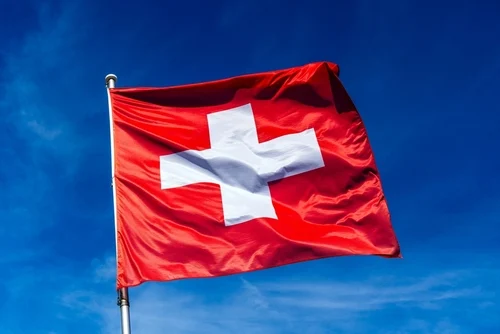
Quick answer: Swiss National Day is celebrated on August 1st each year. In 2026, it falls on a Saturday. The holiday marks the signing of the Federal Charter in 1291—the founding pact between three Swiss cantons—and is observed with bonfires, fireworks, and community gatherings across the country.
Switzerland’s national holiday is one of Europe’s most distinctive celebrations. Unlike many national days built around revolution or independence, Swiss National Day commemorates something quieter: a promise made between neighbors. On August 1, 1291, representatives from the cantons of Uri, Schwyz, and Unterwalden signed the Federal Charter—a mutual defense pact that laid the foundation for what would eventually become the Swiss Confederation.
More than 700 years later, that same spirit of cooperation defines how Switzerland marks the occasion. From mountain villages to city centers, August 1st brings communities together with bonfires, fireworks, folk music, and the kind of shared pride that doesn’t need much spectacle to feel meaningful.
Whether you’re planning to experience it for the first time or simply want to understand what makes this day significant, here’s everything you need to know about Swiss National Day 2026.
What Is Swiss National Day and Why Is It Celebrated?
Swiss National Day—known as Bundesfeier in German, Fête nationale in French, and Festa nazionale in Italian—is Switzerland’s official national holiday, observed annually on August 1st.
The date references the Federal Charter of 1291, which historians recognize as one of the earliest documents establishing a formal alliance among Swiss communities. The charter was signed by Uri, Schwyz, and Unterwalden, three forest cantons in central Switzerland. Their agreement to support one another and resist external domination is widely regarded as the symbolic birth of the Swiss Confederation.
Interestingly, August 1st wasn’t officially designated as the national holiday until 1891—the 600th anniversary of the charter’s signing. It only became a federal public holiday with full recognition in 1994. So the tradition, while rooted in medieval history, is still relatively young in its current form.

When Is Swiss National Day in 2026?
Swiss National Day 2026 falls on Saturday, August 1, 2026. Since it lands on a weekend, the public holiday won’t shift to a Monday substitute—Swiss federal holidays are observed on their fixed date regardless of the day of the week.
For residents and visitors alike, the Saturday date makes 2026 a particularly accessible celebration. Expect larger crowds at public events, extended festivities in city centers, and a lively atmosphere across the country.
How Do the Swiss Celebrate August 1st?
Bonfires on the Hills
The bonfire is the most iconic image of Swiss National Day. Across the country—especially in rural and alpine regions—communities light fires on hilltops and lakeshores as darkness falls. The tradition is both practical and symbolic: historically, fire was used to communicate across valleys and mountains. Today, it signals unity and continuity.
Families gather around local bonfires with food and drinks, while the fires themselves are often visible from neighboring towns, creating a chain of light across the landscape.
Fireworks Over Lakes and Cities
Major Swiss cities put on impressive fireworks displays on the evening of August 1st. Lake Lugano, Lake Zurich, and Lake Geneva are popular backdrops, with fireworks reflecting off the water. Cities like Zurich, Bern, Basel, and Lausanne typically host organized public events with food stalls, music, and official speeches.
Federal Speeches and Official Ceremonies
Each year, a prominent public figure—often a member of the Federal Council—delivers a national address. Local politicians and community leaders also give speeches at regional events. These tend to focus on themes of cohesion, democracy, and Swiss identity, drawing on the historical significance of the 1291 charter.
Folk Music, Food, and Community Gatherings
Traditional Swiss music, including alphorn performances and yodeling, features prominently at smaller celebrations. Local markets and food festivals pop up in town squares, serving regional specialties. The atmosphere is less formal than many national day celebrations elsewhere—relaxed, community-driven, and rooted in local tradition.
What Makes Swiss National Day Different from Other National Holidays?
Most national holidays commemorate a revolution, a declaration of independence, or a military victory. Swiss National Day is different. It honors a diplomatic agreement—a handshake between neighbors who decided to look out for each other.
That distinction matters. It reflects something genuine about Swiss political culture: a preference for negotiation, consensus, and federalism over centralized power. The Federal Charter of 1291 didn’t create a single unified state. It created a network of mutual obligations, which is essentially what Switzerland still is today—a confederation of 26 cantons with significant regional autonomy.
This makes August 1st less about triumphalism and more about shared belonging. The bonfires and fireworks are celebratory, but the underlying spirit is one of gratitude for a system that has, by most measures, worked remarkably well.

Where Are the Best Places to Experience Swiss National Day 2026?
Rütli Meadow
For a historically significant experience, the Rütli Meadow on the shores of Lake Lucerne is the symbolic heart of Swiss National Day. According to tradition, it was here that the three original cantons swore their alliance. An official ceremony takes place at Rütli every August 1st, though attendance is often ticketed or limited due to the site’s popularity.
Zurich
Zurich’s lakeside celebrations are among the largest in the country. The city hosts a full day of events, culminating in fireworks over Lake Zurich. Public viewing areas fill up early, so arriving in the afternoon is advisable.
Bern
As the federal capital, Bern holds official ceremonies alongside public festivities in the old town. The illuminated medieval architecture and the Bear Park area make it a particularly atmospheric setting.
Smaller Alpine Villages
For a more intimate experience, smaller mountain communities often offer the most authentic celebrations—local bonfires, folk music, and a genuine sense of communal gathering that larger cities can’t quite replicate.

Frequently Asked Questions About Swiss National Day 2026
What date is Swiss National Day in 2026?
Swiss National Day 2026 is on Saturday, August 1, 2026.
What does Swiss National Day commemorate?
Swiss National Day commemorates the Federal Charter of 1291—the founding pact signed by the cantons of Uri, Schwyz, and Unterwalden. This document is considered the symbolic origin of the Swiss Confederation.
Is August 1st a public holiday in Switzerland?
Yes. August 1st is a federal public holiday in Switzerland. Businesses, schools, and government offices are closed. Public transportation typically runs on a reduced or holiday schedule.
Are there events for tourists on Swiss National Day?
Many Swiss National Day events are open to the public, including fireworks displays, lakeside gatherings, and local bonfires. Some official ceremonies, like the one at Rütli Meadow, may require advance registration.
What is the traditional food eaten on Swiss National Day?
There’s no single traditional dish, but Swiss staples like raclette, fondue, Älplermagronen (alpine macaroni), and Zopf (a braided bread) are commonly served at August 1st celebrations.
Why was August 1st chosen as Switzerland’s national holiday?
August 1st corresponds to the date on the Federal Charter of 1291. The holiday was formally introduced in 1891 to mark the 600th anniversary of that founding document.



