

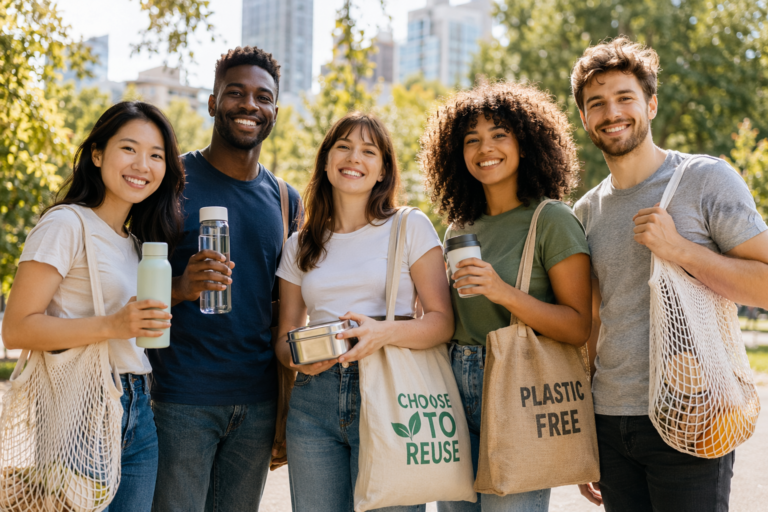
Key Highlights
-
Plastic Free July is a global movement. It works to cut down plastic pollution during the month of July.
-
The Plastic Free Foundation runs the plastic free july challenge and helps people take small, easy steps.
-
You can join in and say “no” to common single-use items. Instead, you can use things that be used over and over.
-
This campaign started in Western Australia. Now, it reaches millions of people in many countries.
-
Simple daily changes will help you put out less waste. They are good for sustainability and help you start new habits that last.
-
When you share how you are doing, it can get other people to join in. That makes the impact even bigger.
Introduction
Plastic Free July is a simple idea that can make a real difference. Each year, people take part by looking at what they do every day. They try to cut back on waste in their lives. This is important because plastic pollution hurts nature, animals, and the earth in the long run. If you want to help with sustainability, July is a good time to try going plastic free. You do not have to get everything right. All you need to do is make a few small changes and keep going from there.
Understanding Plastic Free July 2026
Plastic Free July 2026 will be from July 1 to July 31. This is a global movement that happens every year in the month of July. The idea is to help people use less plastic for a month, especially plastic items that are used once and thrown away. If you want to know what Plastic Free July is or how you can be part of it, the answer is easy. Pick some plastic items you use often, and say no to them. Use things that are reusable instead.
The Plastic Free Foundation leads this and brings people together from all over. This is for anyone, like you, your family, your school, where you work, or even a group in your area. It is all about people doing something day by day for a better world and more sustainability. In the next parts, you will read more about where this started and why more people are a part of it now.
What is Plastic Free July and Why Was it Started?
Plastic Free July is a yearly campaign that asks people to use less single-use plastic during the month of July. It started as a simple challenge. Now, it is a well-known event that helps people think about daily habits in a plastic free way. The goal is to help people know more about the problem and make choosing better options easier.
Rebecca Prince-Ruiz and a small group in Western Australia started the campaign in 2011. It was a local idea. The message was clear, and it was easy for people to take part. Anyone could do something small and see that it really works. It made people feel like they were part of something big.
Today, the Plastic Free Foundation runs and supports the campaign. Because of their work, Plastic Free July has become a global movement. It shows how an idea from Western Australia can grow and help people all over the world take action in July.
The Mission and Growth of the Movement
Plastic Free July is about using less single-use plastic. It helps people make better choices each day for the sake of sustainability. The point is not to be perfect. It is to help people be part of the solution by doing things they can keep up.
Over time, this campaign grew bigger than anyone first thought. Now, more than 100 million people in 190 countries take part in it. The effort has become a real global movement. The changes people make at home, school, and work all add up.
If you want to join in this July, just start small. You can bring your own bottle. You can say no to plastic bags. You can switch to reusable containers. Plastic Free July works because it shows all of us that we can make change. It does not make things feel too hard.
The Environmental Impact of Plastic Pollution
Plastic pollution is a big problem. It does more than just make places look messy. It can hurt marine life and put extra stress on landfill sites. It also shows that there is still a lot of plastic production going on. When plastic use stays high, plastic waste piles up in places that cannot handle it.
This is important for all of us, and for nature too. Plastic pollution can affect human health, and it is also linked to climate change because making and getting rid of plastic puts more strain on the environment. When you join Plastic Free July, you help cut down on plastic demand and support better ways to live.
How Plastic Waste Affects Nature and Communities
Plastic waste does not go away when you throw it out. It often ends up in the oceans, parks, streets, and landfill. There, it can stay for a long time and cause many problems. This is not good for marine life, as plastic pollution gets into the water and hurts these animals and their homes.
People in the community will see the effects, too. Natural spaces get dirty. Local cleanups are needed more often. Waste systems get extra pressure. There is also a lot of plastic production. This just adds to the big environmental problem, which is tied to climate change and using up resources.
For people, problems with plastic connect to human health and how good life is. Clean water, clean neighborhoods, and less waste are important. When you cut down on unnecessary plastic, you help protect both the environment and the places where you and others live.
Positive Change Through Plastic Free July Participation
Joining the plastic free july challenge helps create good change. It turns knowing about plastic pollution into action. You notice your own habits and start to see your plastic footprint. This makes the problem feel real and something you can do something about.
Even small changes can lower the amount of plastic you use. Using a bottle, cup, or container again cuts waste and helps you think more about zero waste. One person cannot fix all of plastic pollution, but you can still make a real difference.
There is another good thing that comes from this. When you join, you show you want to be part of the solution. If enough people change what they buy and use, then businesses and others notice it. This is how your own action with the plastic free july challenge can help everyone keep working for something better in july and beyond.
How to Get Started with Plastic Free July (Beginner’s Guide)
If you are new to Plastic Free July, keep your guide clear and simple. First, see where plastic is used the most in your daily life. Look at the grocery store, when you get takeout, coffee runs, or when you pack your lunch. These are good spots to start.
You do not have to change all things at one time to be plastic free. Making a few small changes is often enough to move you toward a zero waste routine. That way, it does not feel hard. The next part talks about some supplies, good resources, and the right mindset to help you with your first steps.
What You’ll Need: Supplies, Resources, and Mindset
Getting ready for Plastic Free July does not mean you need to go on a big shopping trip. Most of the time, it is better to use things you already have and keep some simple, reusable basics near you. This helps you cut down on plastic use, and you do not have to worry about every small choice.
It is good to have a real plan and not just focus on what you want to buy. Think about making small steps instead of trying to be perfect. If you leave something behind one day, do not get upset. You can try again the next day. Sticking to easy habits each day is better than chasing after a perfect routine.
You may want to keep these helpful basics on hand:
-
Reusable shopping bags for when you go to stores or run errands
-
A tote bag that you leave in your car or by the door
-
Reusable containers for your leftovers, lunch, or snacks
-
A reusable coffee cup for times you get a drink to go
-
Own bags for when you get bulk food or need to do a fast pickup
These simple things can make Plastic Free July a good time and help people use less plastic.
Step-by-Step Guide: Taking Part in Plastic Free July
The best way to start Plastic Free July is to take it slow. Look at your daily life and see where single use plastic shows up. Then, choose new things you know you can use instead. This will keep things easy to do and simple to understand.
The plastic free july challenge is like starting new habits. Do not try to stop using all plastic right away. Focus on the things you use most. The next three steps can help you use less plastic in a way that is real and that can last.
Step 1: Identify Everyday Single-Use Plastics
Start by watching what you throw out each day. You may see single use plastic in more places than you think. There are bags, wrappers, cups, and takeout items. These can pile up fast, especially if you keep the same habits and do not think about it.
Doing a quick check can help you find patterns in your plastic consumption. When you see which things come up the most, it is easier to pick the right items to swap out. You do not need a big list—just an honest look at your daily actions will help.
Common examples include:
-
Plastic bags from stores or any quick buy
-
Plastic packaging on snacks, produce, or deliveries
-
Disposable cups, lids, straws, and utensils
-
Other plastic items that get used once and go in the trash right after
Step 2: Make Simple Swaps and Build New Habits
When you see where most of your waste comes from, start to swap these out for things you can use many times. The small changes you make here will matter. Doing something new again and again can add up to a big difference at the end of the month.
You can try to link each swap with things you already do. For example, you can keep your reusable coffee cup near your keys. Put your containers where you pack your lunch. Put your bags by the door. These little steps help you stick to a zero waste routine. They also make it easier to remember what you want to do every day.
Easy swaps to make are:
-
Use reusable containers for snacks, lunches, and anything left over
-
Carry a reusable coffee cup for when you stop at a café
-
Use long-lasting storage instead of food wrap you throw out
-
Take repeat-use things for eating at picnics or when you pack meals
People can see the most change from making some of these small changes. A few good swaps will help you go a long way toward zero waste.
Step 3: Engage Friends, Family, and Your Community
Plastic Free July gets easier when other people join in. When you talk with friends, family, or people you work with, it turns this goal into something you do together. Just one talk can bring new ideas and make things feel more fun.
Your community can help, and it often starts with simple steps. You can ask people to bring reusable items, help plan a cleanup, or share good tips. Doing things in your local area helps keep everything moving. It shows everyone they are part of the solution to plastic, and that they do not have to face the issue alone.
Online spaces be helpful as well. Social media and online groups be there for sharing what works, things that do not turn out, and fun new swaps. If you want some support in Plastic Free July, connecting with others on social media is a good way to keep going strong.
Overcoming Common Challenges During Plastic Free July
A lot of people have a tough time in Plastic Free July. You might forget your bag, not find many choices, or not know what options are better. This is normal, especially when you start something new.
What matters is to keep going and not stop. Going plastic free gets easier if you look for what works, not perfect answers. When you have the right attitude and a few extra plans, you can stay motivated and keep making progress.
Tips for Staying Motivated and Managing Setbacks
Setbacks can happen any time you try to change a habit. You might forget to bring your cup. You might get packaging you did not want. But that does not mean plastic free July is not helping you. It often shows you the places in your routine that need more support.
It gets easier to stay motivated if you track your progress in a simple way. Notice the things you kept away or did not use, not just the times you forgot. Making some small changes many times has more power to shape your habits than getting it all right for just one day.
Try these tips:
-
Keep a short list of wins to help you stay motivated
-
Think of setbacks as reminders and not as failures
-
Work on one or two habits at a time before you add more
-
Ask people close to you, like friends or family, to help you stay on track
Solutions for Difficult Plastic-Free Scenarios
Some situations are harder than others. A grocery store trip may involve lots of packaging, and takeout or travel can limit your options. When that happens, aim for the best available choice instead of an all-or-nothing response.
It also helps to prepare before you leave home. Bringing containers, cups, or own bags gives you more control over what you accept. If plastic cannot be avoided, use what you already have well and handle recycling correctly where local systems allow it.
|
Scenario |
Practical plastic free response |
|---|---|
|
Grocery store produce |
Bring own bags and choose items with less packaging |
|
Coffee stop |
Carry a reusable coffee cup |
|
Lunch away from home |
Pack food in reusable containers |
|
Unexpected plastic item |
Reuse it if possible, then sort for recycling if accepted |
Fun and Easy Plastic-Free Swaps for Daily Life
Plastic free swaps work well when they fit in with your daily life. You will want to keep a new habit if it feels easy, useful, and not hard to do again. That is the reason it helps to start with things you do every day.
In July, during Plastic Free July, you can try to find small changes that help you use less plastic. Look for ways to replace the plastic bags, wrappers, and containers you use each day. A few good swaps can help you make life a bit better and send less plastic to the trash at the same time.
Kitchen, Bathroom, and On-the-Go Substitutes
Think about where you see waste in your day. For most people, it shows up a lot in the kitchen, bathroom, and when they are out. These are spots where it can be simple to cut down without changing everything you do.
The best swap is the one you will actually use. If a change is easy for you, it is more likely to be something you keep up. Start with things you use all the time. After that, you can add more steps.
Helpful ideas include:
-
Store leftovers in reusable containers in the kitchen
-
Use cloth napkins instead of disposable paper or plastic-wrapped options
-
Choose natural-fiber cleaning tools when replacing household basics
-
Keep a reusable coffee cup ready for on-the-go drinks
-
Pack picnic or travel meals with repeat-use dishes and containers
Kid-Friendly and Family Plastic-Free Ideas
Plastic Free July works well for families. It is easy for kids to understand when you turn small choices into lessons. Children do not need the plan to be hard. They only need clear steps they can join at home, at school, or when out.
Doing this as a family can also make it more fun. Do not make it a long list of rules. Treat it like you are working together as a team. Kids like to help and often remember things adults forget. This can make July with the whole family feel more lively.
Try these ideas with your kids:
-
Let children help pack snacks in reusable containers
-
Ask them to remind everyone to bring their own bags
-
When shopping as a family, choose fewer plastic items
-
Make lunch packing a plastic free challenge at home
Joining the Plastic Free July Community
Plastic Free July gets easier when you know that many people are doing it with you. This is not just a local thing. It is a global movement and you are never on your own. There are people all over the world who share tips, talk about what is hard, and tell their good stories all through July.
You can join, too, by checking out social media, finding online groups, or going to local events. It does not matter if you like to get your support online or in person. Being in the community makes the the plastic free challenge more fun and keeps you going. The next part will show you where to find people and ways you can inspire others when they see your own progress.
Online Groups, Social Media, and Local Events
If you want some new ideas for Plastic Free July, start by looking at places where people meet and talk. Social media is a good way to find tips and swaps. You can also see reminders from others who do the plastic free challenge. This makes being more eco-friendly feel easier and less lonely.
Online groups are great if you have questions or need a boost. You can learn from what people go through every day, especially when you get stuck. Going to local events can help put these shared ideas into real action right where you live.
Ways to connect include:
-
Follow Plastic Free July conversations on social media
-
Join online groups focused on reducing waste
-
Attend local events such as cleanups or workshops
-
Share ideas with coworkers, neighbors, or school communities
Sharing Your Journey and Inspiring Others
You do not need a big platform to inspire someone. You can help others by just sharing one useful swap you made or an honest lesson you learned in your week. Real examples from daily life often help more than perfect tips.
Social media is a good way to share your Plastic Free July story. You can post about what worked for you, what surprised you, or what you want to try next. When you share these moments, you show others that going plastic free is possible and that change comes from small, daily habits.
Your story lets people see they can be part of the solution, too. People feel inspired when they see change in your daily life, not just from big events. Even small examples in your posts can lead others to take action during July and beyond.
Conclusion
Taking part in Plastic Free July is more than a personal challenge. It is the start of a plastic free movement that can make the future better. If you learn about plastic pollution and choose to use less plastic, you help make the earth cleaner. The small steps you take each day can become good habits. These habits help you and help the planet. Work with people in your area. Share what you do and talk about your plastic free story. This can help others want to join in, too. When we all do the work, we see real change. If you want help made just for you, you can ask for a free talk on how to take part in Plastic Free July and what comes after.
Frequently Asked Questions
Is Plastic Free July suitable for beginners and families?
Yes. Plastic Free July is good for someone new to this, and it can work for families too. Kids can help with packing bags you can use again, remember to bring bags, and see the kind of waste at home. A plastic free way to live does not have to be perfect to still help you and others.
How can workplaces participate in Plastic Free July?
Workplaces can help with Plastic Free July in many ways. They can ask people to bring their own cups, bags, and containers. Teams can talk and share ideas on how to go plastic free. When the group works together or takes on small tasks, it gets easier for everyone to begin and keep using plastic free habits.
Where can I find helpful resources and guides?
You can find helpful resources and guides for Plastic Free July on the campaign website or by joining online groups that talk about plastic free habits. Social media, local events, and community workshops are good places to get support. These places offer tips, ideas, and simple ways to start using less plastic.
What is the best way to make Plastic Free July a lasting habit?
The best way to have a plastic free July become a habit is to make small changes each day. Pick a few swaps that fit into your daily life. If you do them again and again, these actions add up to a big difference. These can keep going even after July.



