

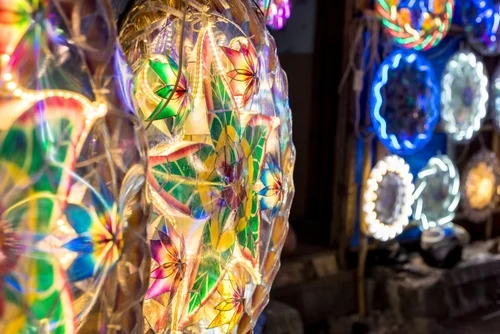
Quick answer: Noche Buena is the Christmas Eve celebration and family meal that many Filipinos share on December 24. In 2026, Christmas Eve falls on a Thursday, with the meal often continuing past midnight into Christmas Day. If you’re sending money to help with preparations, plan around when your loved ones need to shop for ingredients — not just when the family sits down to eat.
Somewhere in a family group chat right now, someone is debating whether to make the lechon this year or stick with ham. Another relative is asking who’s bringing the queso de bola. A cousin is sharing a recipe she found for pancit malabon, insisting it’s better than the version everyone grew up with. This is what the weeks before Noche Buena look like for countless Filipino families, whether they’re gathered in one kitchen in Manila or spread across time zones between the Philippines and the United States.
If you’re in the US preparing your own Christmas Eve while keeping an eye on your family’s plans back home, you’re not alone. Many Filipinos and Filipino Americans balance their own holiday traditions with staying connected to relatives in the Philippines, and for some, that connection includes helping fund the Noche Buena table.
This guide walks through what Noche Buena means, how families typically celebrate it, and what to know if you’re planning to send money to the Philippines to support the festivities.

What is Noche Buena in the Philippines?
Noche Buena refers to Christmas Eve and, in Filipino usage, the special meal families share to welcome Christmas. For many Catholic households, the gathering follows Christmas Eve Mass, known as Misa de Gallo or Misa de Aguinaldo, which caps off the nine-day Simbang Gabi devotion. After Mass, families return home together, often arriving close to midnight, and sit down to a meal that’s been in the works for days. Filipino Christmas Eve traditions describe this moment as the emotional peak of the season — the point where anticipation turns into celebration.
Not every family follows the same script, though. Some households eat earlier in the evening rather than waiting for midnight, and not every Filipino family attends Mass before the meal. The common thread is the gathering itself: a meal meant to welcome Christmas Day surrounded by family. Noche Buena is also celebrated in other countries with Spanish and Filipino cultural influence, but this guide focuses specifically on how it’s observed in the Philippines.
When is Noche Buena in 2026?
| Occasion | 2026 Date |
| Noche Buena / Christmas Eve | Thursday, December 24 |
| Christmas Day | Friday, December 25 |
| Following weekend | Saturday–Sunday, December 26–27 |
Because the Noche Buena meal often begins late on December 24 and stretches past midnight, the celebration naturally bridges into the early hours of December 25.
Is Christmas Eve a holiday in the Philippines?
Yes. December 24, 2026, is designated as an additional special non-working day, while December 25 is a regular holiday. This gives most workers time off to prepare for and celebrate Noche Buena. That said, business hours can still vary by employer and location. If your plans depend on a specific bank branch or cash pickup location being open, it’s worth confirming hours directly rather than assuming every service follows the same schedule. These dates come from the Philippines’ 2026 holiday calendar, issued by presidential proclamation.

What foods are served for Noche Buena?
There’s no single required menu for Noche Buena — families lean on recipes passed down through generations, regional specialties, and whatever feels most like home. That said, a few dishes show up on many tables across the Philippines:
| Food | Brief Explanation |
| Hamon | Christmas ham, often sweet-cured and glazed |
| Queso de bola | A round, wax-coated cheese associated with the holiday season |
| Filipino-style spaghetti | A sweet-style pasta dish, often with hot dog slices |
| Pancit | Noodle dishes that vary by region and family tradition |
| Lechon | Roast pig, sometimes served at larger family gatherings |
| Fruit or macaroni salad | A common addition to round out the spread |
These foods are widely recognized in Philippine descriptions of foods associated with Filipino Christmas celebrations, but what actually lands on the table depends on the family. Smaller households might keep things simple with a potluck-style spread, while others scale up for a crowd. Dietary preferences, budgets, and local availability all shape the final menu, and none of that makes a celebration any less meaningful.
One of our contributors shared that her family always makes a specific version of chicken relleno passed down from her lola — a dish most guests have never heard of, but one that instantly signals “home” the moment it hits the table. Family dishes like these matter because they carry memory, not because they appear on anyone’s official list.

How is Noche Buena different from Simbang Gabi and Media Noche?
These three terms often get mixed up, so here’s a quick breakdown:
| Tradition | What It Refers To | Timing |
| Simbang Gabi | A series of nine Catholic Masses preparing for Christmas | Traditionally December 16–24, often at dawn, with some evening schedules |
| Noche Buena | The Christmas Eve celebration and family meal | December 24, often continuing into December 25 |
| Media Noche | The meal welcoming the New Year | December 31 into January 1 |
Simbang Gabi is the lead-up, Noche Buena is the Christmas Eve centerpiece, and Media Noche belongs to New Year’s Eve rather than Christmas.
Ways to share Noche Buena with loved ones from the US
Distance doesn’t have to mean disconnection. If you’re in the US and want to feel closer to your family’s Noche Buena, consider:
- Coordinating a video call timed around the family meal, so you can “sit at the table” even from thousands of miles away.
- Preparing the same family recipe in your own home, so you’re cooking alongside your relatives in spirit.
- Sharing photos or voice messages if your schedules don’t line up for a live call.
- Asking relatives directly what kind of help they’d actually appreciate, whether that’s a recipe tip, a grocery contribution, or just your presence on the phone.
- Contributing toward groceries or another agreed expense, if that fits your circumstances and theirs.
If you do plan to send anything, remember that Christmas Eve arrives in the Philippines well before it does in the US. Coordinate using your recipient’s local date and time so your gesture arrives when it’s actually useful.

What to know before sending money for Noche Buena
Plan around the shopping date
A contribution meant for a December 24 meal might actually be needed several days earlier, depending on when your family plans to shop. Before sending anything, it helps to ask simple, direct questions:
- When are you planning to buy the ingredients?
- Are you placing any orders in advance?
- How would you prefer to receive the money?
There’s no universal deadline that works for every family, so a quick conversation goes a long way.
Agree on a useful contribution
Rather than guessing at an amount, talk through the actual menu and household needs with your family. Costs vary based on location, quantities, brands, and the number of guests, so what’s generous for one household might not stretch as far for another. The goal is a contribution that genuinely helps, not a number pulled out of thin air.
Check access to the funds
It’s worth understanding the difference between a transfer reaching an account or wallet and your recipient actually being able to use it. If they’re planning to pick up cash, confirm the location’s holiday hours in advance. Checking your provider’s holiday schedule and transfer estimate ahead of time can help avoid last-minute surprises.
Review fees, rates, and pesos delivered
Before confirming any transfer, take a moment to review:
- The USD amount you’re sending.
- Any applicable transfer fee.
- The USD-to-PHP exchange rate.
- The PHP amount your recipient will receive.
- The estimated arrival time.
Exchange rates shift, so it’s best to check the current numbers at the time you send rather than relying on past figures.
Send money to the Philippines for Noche Buena with Remitly
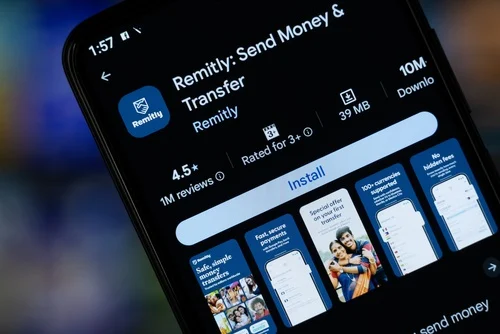
If sending money is part of how you’re supporting your family’s Noche Buena, Remitly makes it straightforward to get funds where they need to go.
Choose how your loved one receives the money
| Delivery Method | What to Confirm |
| Bank deposit | Recipient’s bank and account details |
| Mobile wallet | Supported wallet and any recipient requirements |
| Cash pickup | A convenient location, ID requirements, and holiday hours |
| Home delivery | Availability for the recipient’s address |
Our delivery options in the Philippines include a wide network of providers, including BDO, BPI, GCash, Maya, M. Lhuillier, and Cebuana Lhuillier. Availability depends on the specific provider and transfer details, so it’s worth checking what’s offered for your recipient’s location before sending.
Check the estimated arrival before confirming
Delivery speed depends on your payment method, delivery method, transaction review, and system availability. Express delivery with a debit or credit card may be available for faster transfers, where offered. Review the estimate shown for your specific transfer before confirming, especially if timing around the Noche Buena shopping date matters to your family.
See the fee, exchange rate, and amount received
Fees and rates vary by transfer, so review the details shown for your specific amount and delivery method before sending. New customers may be eligible for a welcome offer — check current eligibility and terms when you set up your transfer.
Track your contribution
Once your transfer is on its way, you can track it through the Remitly app or website, with notifications available where supported. This can be a simple way to keep your relatives updated while they handle their own shopping and preparations.
How to send with Remitly
- Sign in or create an account.
- Choose the Philippines and enter your send amount.
- Select an available delivery method.
- Enter the recipient’s required details.
- Choose an available US payment method.
- Review the fee, rate, pesos delivered, and estimated arrival.
- Confirm and track the transfer.
Check your rate and available delivery options for sending money to the Philippines.
Delivery times depend on payment and delivery method, transaction review, and system availability. Fees, exchange rates, delivery options, and sending limits may vary and are subject to change. Review your transfer details before confirming, and check holiday hours with the receiving bank or cash pickup location.

A practical scenario: helping with the Christmas Eve groceries
Imagine you’re in the US and want to contribute to your family’s Noche Buena meal on December 24. Your relative tells you they plan to shop on December 22 and would prefer a bank deposit. Before sending anything, you confirm their account details, review the transfer estimate, and coordinate your send date around when they’ll actually be at the store. That small bit of planning helps make sure your contribution shows up exactly when it’s needed.
Frequently asked questions about Noche Buena
What is Noche Buena in the Philippines?
Noche Buena is the Christmas Eve celebration and family meal shared by many Filipino households, often following Christmas Eve Mass and continuing into the early hours of Christmas Day.
When is Noche Buena in 2026?
Noche Buena falls on Thursday, December 24, 2026, with the meal often shared late that evening or continuing into December 25.
Is Noche Buena celebrated on December 24 or 25?
The celebration centers on December 24, but because many families eat close to midnight, the meal often carries into the early hours of December 25.
What foods are traditionally served?
Common dishes include hamon, queso de bola, Filipino-style spaghetti, pancit, lechon, and fruit or macaroni salad, though menus vary widely by family and region.
What is the difference between Noche Buena and Media Noche?
Noche Buena is the Christmas Eve meal on December 24, while Media Noche is a separate celebration marking the New Year on December 31 into January 1.
When should I send money for Noche Buena?
Timing depends on your family’s shopping plans rather than the date of the meal itself. Ask your recipient when they plan to buy ingredients so your transfer arrives when it’s actually useful.
Can my family receive a transfer during the Christmas holidays?
Access depends on the delivery method, provider, and transfer estimate. Bank deposits and mobile wallets may have different availability than cash pickup locations, so it’s worth checking holiday hours in advance.
Keeping the table set, even from a distance
However your family celebrates Noche Buena, the tradition is ultimately about gathering, gratitude, and the people you share it with. That can look like a grand lechon dinner or a quiet meal with a few favorite dishes. If sending money is part of how you’re staying involved this year, a little early coordination with your loved ones — about timing, needs, and preferences — can help make sure your support arrives exactly when it matters most.


