

Key Highlights
-
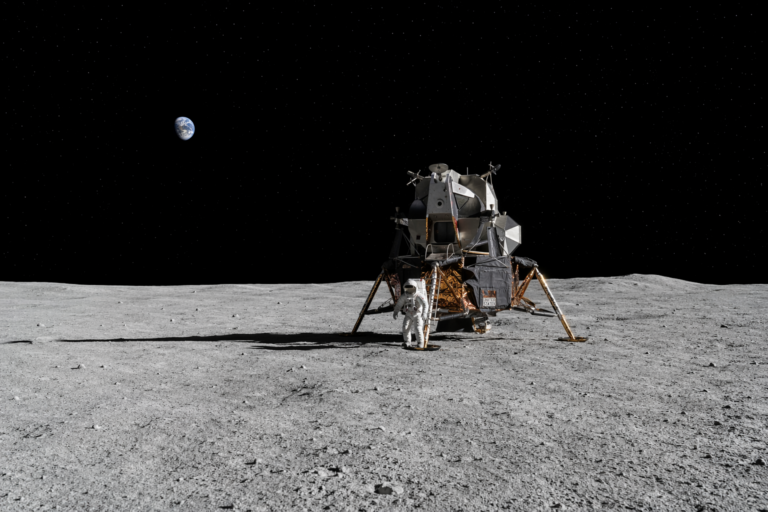
International Moon Day is held to remember the anniversary of the first landing and to honor a key time in moon exploration.
-
July 20 links the global celebration today with Apollo 11 and when Neil Armstrong stepped onto the surface of the Moon.
-
The United Nations calls international moon day an annual event where all the general public can join in.
-
The day helps raise public awareness of sustainable moon exploration and the use of the Moon.
-
Moon Day 2026 will have the IMD Main Event and IMD Global Events, which will take place in different countries.
-
Lunar days, the phases of the moon, and the lunar calendar also help people learn more about the Moon.
Introduction
Moon Day 2026 is a good time to think back on one of the top moments in moon exploration. You can see why it is still important today. This global celebration happens on July 20. That is the day when Neil Armstrong first walked on the Moon during Apollo 11. The day is also about getting people excited for new missions to the Moon in the future. If you want to know the history, what it means, and other key facts, this guide puts it all together for you.
The Significance of Moon Day and Its Connection to Apollo 11
International Moon Day is a time to mark the anniversary of the first landing on the surface of the moon. It remembers the first humans to go there with Apollo 11. This day honors a historic feat in the exploration of the moon. It helps keep people thinking about how that mission changed the way we see space.
Many people know the story starts with Neil Armstrong. It also includes Michael Collins, who played an important part in the mission’s success. Landing on the surface of the moon became a strong symbol of human curiosity. To get a better idea of what connects us to this day, it helps to look at why July 20 is important.
Why July 20 Is Celebrated as Moon Day
July 20 is known as Moon Day. People mark this date because it is the anniversary of the first landing of humans on the Moon back in 1969. This day is linked to the Apollo 11 lunar mission from the United States. That flight was a big moment in outer space history.
For many, this date is more than just another day on the calendar. It is the day Neil Armstrong took steps on the Moon. His walk showed what people could do when they look up and dream big. This achievement is now a big reason people think of it as a key point for human progress in outer space.
Now, schools, museums, and space groups all have something special to focus on every year when July 20 comes around. Each Moon Day, people remember the Apollo 11 lunar mission and invite new faces to learn why it matters. That is the reason the anniversary of the first landing is still at the heart of Moon Day.
How the Apollo 11 Mission Influenced International Recognition of Moon Day
Apollo 11 gave international moon day a strong reason to exist. This was the time when people from around the world saw the first human landing on the Moon. It was something everyone could look at and remember.
This event helped make public awareness grow not just in the United States, but all over the world. It gave people in many places something to talk about in terms of science, education, and space. Because of this, it fit well with the idea of a global celebration. With time, more people wanted to honor that day and have the date fully noticed around the world.
The United Nations made this real when the UN General Assembly approved the call for International Moon Day on July 20. This move turned the Apollo 11 landing into an annual event for the general public. Now, Moon Day stands as a global celebration that gets people to learn, join in, and think ahead about what can come next.
History and Origins of Moon Day Celebrations
Moon Day comes from the long story of moon exploration, which began long before people walked on the moon. The record shows that Luna 2 from the Soviet Union made the first direct contact with the Moon in 1959. This was a big moment in the birth of space activities.
As time went by, July 20 became the top date linked with Moon Day. With help from the United Nations, the day changed from being just for one mission’s anniversary into a bigger, annual event. The next parts talk about who started Moon Day and how the celebration got bigger.
Who Established Moon Day and the Role of the United Nations
International Moon Day was not made by chance. The Moon Village Association sent an application during the 64th Session of UN-COPUOS to ask for the proclamation of International Moon Day on July 20. They did this to link it to the 1969 Apollo 11 landing.
The United Nations then took on an important role to make it official. On December 9, 2021, the United Nations General Assembly approved the proclamation. With this step, International Moon Day became an annual event that honors both the moon’s history and what people may do there next.
After that, the Moon Village Association did not stop being involved. They made the International Moon Day Group inside their organization. This group is in charge of leading and managing the celebration. So, if you want to know who started International Moon Day and where it comes from, the story is about the Moon Village Association proposing the idea and the United Nations officially approving it.
Evolution from National to International Moon Day Observances
At first, International Moon Day was all about what the United States did with Apollo 11. That made sense, because the mission came from the United States. It then became one of the most well-known moments in space history.
But looking at the Moon is not just for one nation. The information shows that different countries, like Russia, Europe, Japan, China, India, and Israel, also have their missions. Because of this wider story, international moon day has turned into a global celebration. It brings the world together and helps more people know about the moon and space, leading to better global awareness and global cooperation.
The United Nations gave this idea strong support. When July 20 was approved as International Moon Day, it got a clear base for people from all over the world to join. Now, it is a global celebration. There is the IMD Main Event and IMD Global Events. This shows how a memory from one nation became something bigger, with many countries now taking part together.
Key Events and Activities for Moon Day 2026 in the United States
Moon Day 2026 in the United States is a yearly event that brings together history and real-life learning. People can take part in museum talks, youth programs, and community events. These things help everyone get involved with moon exploration in a direct and fun way.
Space Center Houston in July 2026 will offer special programs, such as Lunar Expedition and Mission Training. These events focus on the Apollo legacy. They also show how education lets us hold on to what has come before. These programs are linked to NASA themes and will be part of local celebrations too.
NASA’s Observe the Moon Night and Other Featured Events
NASA’s programs help people turn moon exploration into something we can see and talk about together. The point of NASA’s Observe the Moon Night is to build public awareness. They want to connect people with education and shared experiences, so the Moon feels closer to all of us in the general public.
For International Moon Day 2026, there will be more things on the calendar. The IMD Main Event will be in Bogotá, Colombia. Plus, there are IMD Global Events from July 1 to October 31, 2026. In the United States, Space Center Houston’s schedule for July shows lunar-themed camps and training for this time.
-
Space Center U | Lunar Expedition for ages 11-14 will be held July 20-24, 2026.
-
Mission Training: Destination the Moon is a themed program for July at Space Center Houston.
-
IMD Main Event and global events add their own layer to public activities everywhere.
These programs all help answer one question: International Moon Day events bring talks, learning, things to see, and bring people together around the topic of the Moon. The goal is public awareness and getting the general public involved in moon exploration.
Ways Communities and Organizations Celebrate Moon Day
People all around the world enjoy International Moon Day by making it easy for everyone to take part in space history. A global celebration works best when local groups help the public learn and join in. That is why the annual event mixes lessons about the Moon with public outreach.
Groups also play a big part in planning this day. The Moon Village Association was one of the first supporters and now helps run the events through the International Moon Day Group. Their role is to help with planning, making the day known, and raising public awareness in many places.
-
Museums and space centers can put on talks, camps, or fun activities for families.
-
Local groups can set up or send in IMD Global Events that line up with July 20.
-
Schools or other educational groups can focus on Moon history and what could come next in lunar study.
So, the main things people do on International Moon Day are built around learning, getting the word out, and letting all people join in. These things help us tie past space wins with what might happen next on the Moon.
Exploring Lunar Days, Moon Phases, and Their Importance
Moon Day is about the past, but it can also help you learn the basics of lunar science. If you ever ask what a lunar day is or wonder why the moon looks different at times, this is a good place to find the answers.
The lunar calendar, the moon’s changing phases, and its path help people see the Moon’s rhythm. They also help explain some mysteries of the moon. These are things that both scientists and the public still want to learn more about. First, it is helpful to compare a lunar day with one here on Earth.
What Is a Lunar Day Versus an Earth Day?
A lunar day is not the same thing as a day on Earth. Here, a lunar day is the time that people measure based on the Moon’s own cycle and where the Moon is, but an Earth day is the daily time we use here on our planet.
This difference is because of the Moon’s movement and the way moon orbit goes around Earth. The Moon is Earth’s only natural satellite, so what we see from night to night does not follow the same pattern as our days and nights. The changes in the Moon in the sky do not match up with how we see day and night on Earth.
Moon phases are why people think about a lunar day when talking about time linked to the Moon. The way the Moon looks from Earth is not the same each night, so that is what changes how people count time up there. A lunar day is not like an Earth day because it depends on the Moon’s cycle and not just how Earth spins.
Understanding the Lunar Calendar and Phases for July 2026
If you want a lunar calendar showing moon phases for 2026, the best approach is to use a calendar source that tracks monthly Moon changes. A lunar calendar helps you follow moon phases across the month and see how each phase connects to the Moon’s cycle.
That matters because moon phases relate to lunar days by showing where the Moon is in its visible sequence. As the appearance changes, you get a practical way to understand the progression of lunar time. This basic pattern also supports public interest in solar system exploration.
|
July 2026 Lunar Calendar Guide |
What It Helps You Track |
|---|---|
|
Month: July 2026 |
The Moon’s visible changes across the month |
|
Key phase to look for |
New moon |
|
Ongoing pattern |
Other moon phases as they shift night by night |
|
Main use |
Understanding how moon phases relate to lunar days |
|
Broader value |
Supporting learning tied to lunar science and exploration |
So, while this guide does not list exact phase dates, it shows what to look for and why a lunar calendar is useful.
Conclusion
As we get close to Moon Day 2026, it is a good time to think about the long history and the meaning of this special day. The Apollo 11 mission and the way the United Nations has helped people around the world see Moon Day both show how much people want to learn and dream big. The events and things to do this year will show how much we all wonder about space and how important it is for us to look at the moon. You may join a group in your town or just look up at the sky at night. No matter what you do, take a moment to enjoy the moon and its changing shapes. We can use this day to remember the old days and also help future generations look up and dream about what comes next. If you want to know more, you can go see what new events are out there!
Frequently Asked Questions
When Exactly Is National Moon Day in 2026 and What Does It Honor?
National Moon Day in 2026 will be on July 20. This day remembers the first human landing on the Moon. Apollo 11, which was from the United States, made this happen. The day is about the anniversary of the first landing. It also celebrates achievements of all states that work to move space progress forward.
How Does the United Nations Support International Moon Day?
The United Nations gives its support to International Moon Day. The UN does this by a formal sign-off from the General Assembly after a suggestion first comes up in a UN-COPUOS meeting. The International Moon Day Group helps to lead and guide how people celebrate this day. This whole process shows how the united nations committee wants the use of outer space to stay peaceful. The framework also points to the wish for good and calm uses of outer space for all.
Where Can I Find a Lunar Calendar for July 2026?
You can get a lunar calendar for July 2026 from sites that track the moon and its phases each month. Look for a calendar that shows the new moon and the times when the moon changes phases in a clear way. These tools can help you learn more about outer space, future research, and any future endeavours that use watching the moon.



