

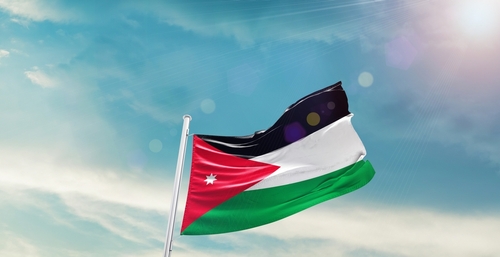
May 25 marks a profound moment of national pride and unity for the people of Jordan. Each year, the country pauses to honor the day it achieved full sovereignty and established itself as the Hashemite Kingdom of Jordan. This annual holiday brings communities together to reflect on the nation’s journey, honor its leadership, and celebrate its rich heritage.
Jordan holds a unique position in the Middle East, known for its deep historical roots and modern stability. Independence Day highlights the resilience of its people and the enduring strength of its culture. From the bustling streets of Amman to the quiet beauty of Petra, the entire nation joins in recognizing the sacrifices and triumphs that shaped the country.
By reading this guide, you will learn the history behind Jordan’s independence and understand the significance of this pivotal moment. You will also discover how the country celebrates the day, giving you a deeper appreciation for Jordanian culture, community, and national identity.
When Is Jordan Independence Day 2026?
Jordan Independence Day 2026 falls on Monday, May 25. The country celebrates this national public holiday annually on the same date. Government offices, schools, and many private businesses close for the day. This allows citizens and residents to fully participate in the nationwide festivities.
What Does Independence Day Commemorate?
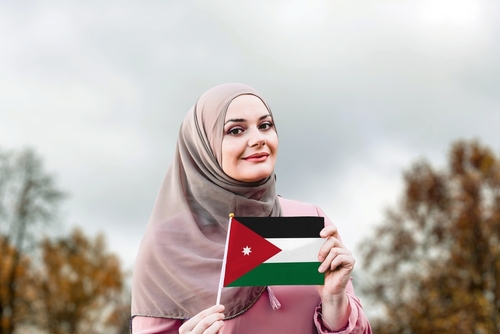
This holiday commemorates Jordan’s official independence from British mandate rule in 1946. On this day, the nation formally established the Hashemite Kingdom of Jordan. King Abdullah I was crowned as the first monarch of the independent nation. It marks the transition from a governed territory to a fully sovereign state with its own leadership and political destiny.
Historical Background
Understanding the road to independence requires looking back at the early 20th century. The journey involved decades of political development and strategic negotiations.
The British Mandate Period
Following the end of World War I, the League of Nations placed the territory of Transjordan under British administration. This mandate system guided the region’s political and economic structures for over two decades. During this time, the local leadership worked steadily to build the foundations of a modern state.
Path to Independence
The path to sovereignty was a gradual process of political maturation. Over the years, Transjordan gained increasing autonomy over its internal affairs. In early 1946, local leaders and British officials negotiated the Treaty of London. This agreement officially ended British control and recognized Transjordan as a fully independent state.
Declaration of Independence
On May 25, 1946, the parliament of Transjordan officially declared the country’s independence. They approved the new constitution and proclaimed King Abdullah I as the nation’s rightful monarch. The country officially became the Hashemite Kingdom of Jordan.
Why Independence Day Matters
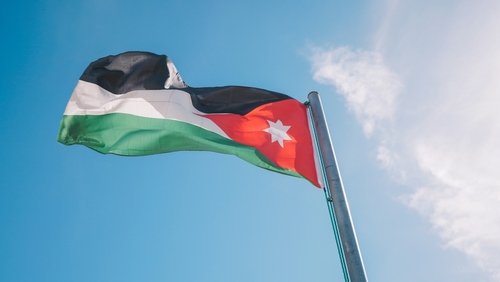
Independence Day is a powerful symbol of national identity and sovereignty. It honors the historical progress made by past generations and celebrates the leadership that guided the nation to freedom. The holiday also reinforces a strong sense of unity across Jordan’s diverse communities. It reminds citizens of their shared history and their collective responsibility to protect and build the nation’s future.
How Jordan Celebrates Independence Day
The entire country comes alive with celebrations on May 25. The events range from formal state ceremonies to lively community gatherings.
Official Ceremonies
The day begins with formal events attended by the royal family and government officials. Speeches emphasize national achievements and future goals. Military parades showcase the strength and discipline of the Jordanian Armed Forces. These official displays of national pride are broadcast across the country.
Public Celebrations
Cities and towns decorate their streets with the Jordanian flag. As the sun sets, spectacular fireworks light up the sky over Amman and other major cities. Public concerts and cultural festivals feature local artists and musicians. These events draw large crowds and create a joyful, patriotic atmosphere.
Community and Family Gatherings
For many Jordanians, Independence Day is a time to connect with family and friends. People gather for shared meals and social events. Communities host local festivities that foster a strong sense of national pride and togetherness.
Jordanian Culture on Display
Independence Day serves as a vibrant showcase of Jordanian culture. Traditional music and dance, particularly the energetic dabke, are central to the celebrations. Dancers in traditional attire perform at public squares and festivals.
Food and hospitality also play a massive role. Families prepare traditional dishes like mansaf to share with guests. The national colors—black, white, green, and red—are visible everywhere, from clothing to decorations, symbolizing the deep cultural roots of the nation.
Independence Day in Modern Jordan
Today, Independence Day provides an opportunity to reflect on national progress and current challenges. While honoring the past, the country looks toward the future. The youth of Jordan play a critical role in these celebrations, bringing new energy and perspectives. The day represents a delicate balance between preserving ancient traditions and embracing modernization.
How to Experience Independence Day
If you are visiting Jordan or simply want to learn more about the holiday, there are several ways to engage with the festivities.
Attend Public Events
Join the crowds at public parades, festivals, and concerts. Major cities like Amman host numerous free events that welcome both locals and visitors.
Explore Cultural Traditions
Take the opportunity to enjoy local customs. Try traditional Jordanian foods at local restaurants or street vendors. Listen to folk music and watch dabke performances to experience the heartbeat of the culture.
Engage Respectfully
Understand the historical and cultural significance of the day. Show respect for the flag and the national anthem. Engaging politely and showing interest in the country’s history will endear you to the welcoming Jordanian people.
Frequently Asked Questions (FAQs)
How is it different from other national holidays in Jordan?
Independence Day specifically celebrates the end of the British mandate and the birth of the sovereign Hashemite Kingdom. Other holidays might have religious or different historical focuses, but May 25 is uniquely dedicated to the concept of national statehood.
What role does the monarchy play in celebrations?
The monarchy is central to the celebrations. The King typically delivers a national address, attends military parades, and bestows state honors on distinguished citizens. The Hashemite leadership is deeply intertwined with the story of Jordan’s independence.
Is it widely celebrated across the country?
Yes, it is a nationwide celebration. While the largest official events take place in the capital city of Amman, every governorate, city, and village hosts its own local festivities and gatherings.
Why Independence Day Still Matters Today
Decades after 1946, Independence Day remains highly relevant. It continuously reinforces Jordan’s sovereignty and national pride in a complex region. The holiday encourages unity and a shared identity among citizens. Furthermore, it provides a dedicated moment each year to reflect on the future and plan for continued growth and stability.
Celebrating Independence and Looking Ahead
Jordan Independence Day is much more than a historical milestone. It is both a joyful celebration and a thoughtful reflection on the nation’s journey. It encourages a deep appreciation for Jordan’s history, culture, and enduring spirit. As the world becomes increasingly interconnected, celebrating a distinct national identity grounds the people of Jordan. It reminds them of their shared past and inspires them to build a prosperous, united future.



