

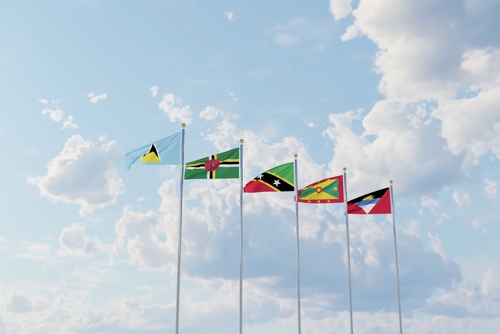
TL;DR: Emancipation Day commemorates the abolition of slavery in the British Caribbean on August 1, 1834. In 2026, Caribbean nations and Caribbean-American communities will mark this date with cultural celebrations, remembrance events, and family gatherings. Read on for the key dates, history, and ways to honor the occasion.
Emancipation Day is one of the most significant holidays in the Caribbean calendar. It marks a turning point in history—the moment the Slavery Abolition Act of 1833 came into effect, freeing enslaved people across the British Caribbean on August 1, 1834.
For Caribbean-American communities across the United States, Emancipation Day 2026 is a time to reflect on that history, celebrate cultural identity, and stay connected with family and loved ones back home. Whether your roots are in Jamaica, Trinidad, Barbados, or Guyana, the day carries deep meaning.
This guide covers everything you need to know: the history behind the holiday, how different countries observe it, and practical ways to mark the occasion.
What Is Caribbean Emancipation Day and Why Does It Matter?
Emancipation Day marks the abolition of slavery in the British Caribbean. The Slavery Abolition Act was passed by the British Parliament in 1833 and came into full effect on August 1, 1834, freeing approximately 800,000 enslaved people across British colonial territories, including Jamaica, Barbados, Trinidad and Tobago, British Guiana (now Guyana), and other Caribbean islands.
The date is not simply a historical footnote. Emancipation Day represents the resilience, survival, and cultural strength of Caribbean peoples. It is a day of both solemnity and celebration—honoring those who endured enslavement while recognizing the ongoing legacy of freedom.
For Caribbean-American communities in cities like New York, Miami, and Toronto, Emancipation Day is an opportunity to stay rooted in that heritage, no matter how far from home they live.
When Is Emancipation Day 2026?
Emancipation Day 2026 falls on Saturday, August 1, 2026. Because the date always lands on August 1, celebrations are consistent year to year—though the day of the week shifts. In 2026, the Saturday date makes it ideal for community events, parades, and family gatherings.
Some countries observe the public holiday on the closest Monday if August 1 falls on a weekend, so exact observance dates can vary by nation. Check your specific country’s public holiday calendar to confirm.
Which Countries Celebrate Emancipation Day?
Emancipation Day is recognized as a public holiday across much of the Caribbean. Key countries include:
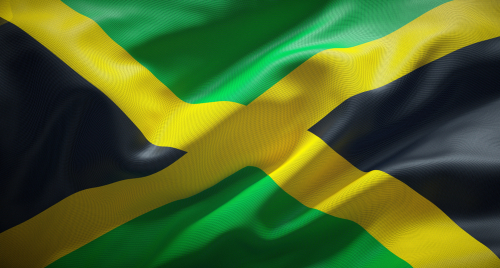
- Jamaica – August 1 is a national public holiday, often paired with Independence Day celebrations on August 6.
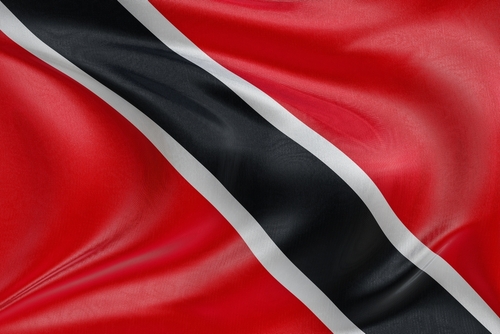
- Trinidad and Tobago – Observed as Emancipation Day, a national holiday with cultural events and historical commemorations.
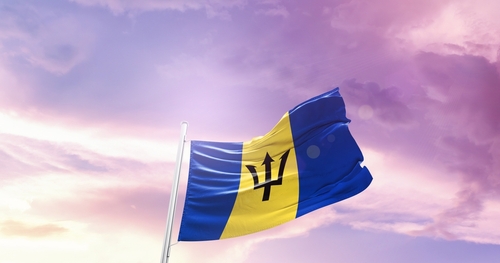
- Barbados – Recognized and observed with community activities and reflection.
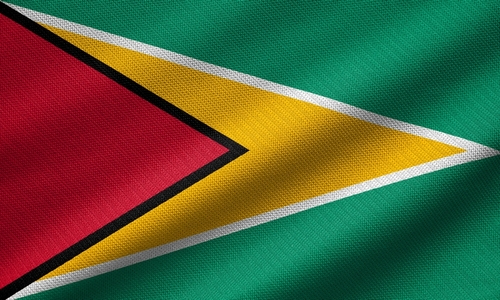
- Guyana – Celebrated as a national holiday, known locally as Freedom Day.
- Antigua and Barbuda – Part of the broader Emancipation celebrations tied to Carnival season.
- St. Kitts and Nevis, St. Lucia, Grenada, and other Eastern Caribbean islands – Each observes the day with varying degrees of public recognition and local tradition.
In the United States, Emancipation Day is not a federal holiday, but Caribbean-American communities organize their own commemorations, particularly in cities with large Caribbean populations.
How Do Caribbean Communities Celebrate Emancipation Day?
Celebrations vary by country and community, but several themes are common across the Caribbean and its diaspora.
Cultural Performances and Festivals
Music, dance, and storytelling are central to Emancipation Day events. Steelpan performances, calypso, and reggae feature prominently across Trinidad, Jamaica, and diaspora communities in the U.S. and U.K. In many cities, community organizations host street festivals and cultural showcases that bring Caribbean heritage to life.
Historical Commemorations and Educational Events
Many communities hold official ceremonies, wreath-laying events, and remembrance services at historical sites. Schools and cultural institutions use the day to educate younger generations about the history of slavery and the significance of abolition.
Family Gatherings and Shared Meals
Like many cultural holidays, Emancipation Day is also a time for family. Gatherings centered on traditional Caribbean food—jerk chicken, rice and peas, roti, doubles, and more—are a meaningful way to celebrate heritage together, whether in Kingston or Brooklyn.
Why Emancipation Day Is Especially Meaningful for the Caribbean Diaspora
For Caribbean-Americans, Emancipation Day carries a layered significance. Many live far from the islands where this history unfolded, but the cultural memory of August 1 remains strong. It connects generations—grandparents who grew up observing the day in Trinidad or Jamaica to children born in the U.S. who are learning what it means.
Community organizations in cities like New York, Miami, Hartford, and Atlanta often organize events in the lead-up to August 1, keeping the tradition alive outside the Caribbean. These events serve an important social function: they build community, preserve cultural identity, and ensure that the history of emancipation is passed down.
Frequently Asked Questions About Emancipation Day 2026
What does Emancipation Day commemorate?
Emancipation Day commemorates the abolition of slavery in the British Caribbean. The Slavery Abolition Act of 1833 came into effect on August 1, 1834, freeing approximately 800,000 enslaved people across British colonial territories in the Caribbean.
When is Emancipation Day 2026?
Emancipation Day 2026 falls on Saturday, August 1, 2026. Some countries may observe the public holiday on a different day if the date falls on a weekend—check the specific public holiday rules for each country.
Is Emancipation Day a public holiday in the United States?
No. Emancipation Day is not a federal public holiday in the United States. However, Caribbean-American communities across the country organize cultural events and celebrations on or around August 1 each year.
Which Caribbean countries observe Emancipation Day as a public holiday?
Countries that recognize Emancipation Day as a public holiday include Jamaica, Trinidad and Tobago, Barbados, Guyana, and several Eastern Caribbean nations. The specific name and observance details vary by country.
What is the difference between Emancipation Day and Independence Day in the Caribbean?
Emancipation Day (August 1) marks the abolition of slavery in the British Caribbean in 1834. Independence Day is separate for each country and marks the date that country gained political independence from Britain—for example, Jamaica’s Independence Day is August 6, 1962. Some Caribbean nations celebrate both holidays within the same week.
Honor the Day, Stay Connected to Home
Emancipation Day 2026 is a moment to reflect, celebrate, and connect. For Caribbean-American communities, August 1 carries the weight of history and the warmth of cultural pride. Honoring the day looks different for everyone—attending a local event, cooking a traditional meal, or simply calling family back home.



