Key Highlights
-
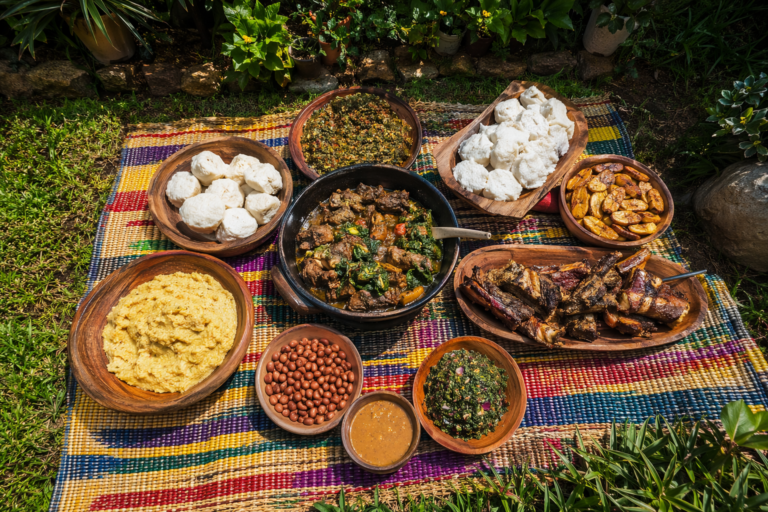
Traditional Zimbabwean cuisine is all about sadza. This staple is made from maize meal and comes with nearly every side dish.
-
You will get key things like maize, millet, sorghum, leafy greens, beans, fish and meat in many Zimbabwean foods.
-
Muriwo unedovi brings together veggies and a rich peanut butter sauce. It is a good vegetarian choice.
-
Dishes like kapenta, gango, and nyama show the way protein is a big part of Zimbabwean food.
-
When it comes to how they cook, it is common to eat together, cook over an open fire, and use easy, old ways.
Introduction
Zimbabwean cuisine brings Australians a nice, honest way to try the food traditions of Africa. The meals use local produce, simple cooking, and a focus on eating together. All this shows the strong cultural heritage from Zimbabwe. You will see filling starches, tasty stews, leafy greens, fish, and sweet treats. These foods come from everyday life in Zimbabwe. If you want dishes with history, balance, and real heart, Zimbabwean cuisine adds something different to your table. It is not hard to understand, and it feels welcoming.
Traditional Zimbabwean Meals, Local Dishes, and Key Ingredients Australians Should Try
If you want to know what the main dishes in Zimbabwean food are, start with sadza, nyama, muriwo unedovi, kapenta, mopane worms, mapopo candy, and gango. These meals and local foods often come up when people talk about day-to-day eating and special times in Zimbabwean cooking.
If this is your first time trying Zimbabwean food, you should eat sadza and kapenta first. Gango and mapopo candy will also bring something extra for your taste buds. All together, these have the main things and tastes that make Zimbabwean cooking stand out. Now let’s take a closer look at each dish.
1. Sadza – The Staple Maize Meal
Sadza plays a big part in daily life in Zimbabwe. This thick maize porridge is the staple food there. You can think of it the same way people eat rice or potatoes in other places. You normally find it with vegetables, different sauces, fish or meat, because sadza hold the meal together.
So, what do you need to make sadza? It is not hard. Start by boiling hot water. Then, mix some maize meal with cold water until it’s smooth, like a liquid paste. Pour this into the boiling water. After that, keep adding more maize meal bit by bit while you stir. This will stop it from turning lumpy.
Let it cook on low heat. The porridge will get thick and smooth as it cooks. When it’s done, sadza is taken off the heat and then shaped into pieces for dipping into stew or a side dish. Its gentle flavour goes well with many zimbabwean dishes.
2. Nyama (Beef or Game Meat Stew)
Nyama means meat, but to most people it is an important part of many zimbabwean dishes. The kind of meat can be beef, goat, chicken or something else. People cook it in different ways like a stew, grilled or braaied. Stew is one of the most common ways to make it at home.
A beef stew is a favourite in zimbabwean cooking because it is filling and goes well with sadza. These days, home cooks try new types like ginger beef stew and goat stew with lemon juice, BBQ sauce, and a bit of mild curry powder. Black pepper and other easy seasonings add flavour to the stew. This gives the dish a nice taste but keeps it simple.
Meat is important in these meals. It brings protein, richness, and makes any meal feel special. Whether people are eating with family or at a big event, nyama helps put the plate together and still sits at the heart of zimbabwean cooking.
3. Muriwo Unedovi (Leafy Greens with Peanut Butter)
If you want to try some vegetarian options, muriwo unedovi is a good place to start. This meal mixes leafy greens and peanut butter to make a rich side to sadza. It shows that Zimbabwean food can be simple, full of flavour, and still fill you up without any meat.
People often use spinach, kale, and sometimes pumpkin leaves in this dish. The greens are cooked until they are soft. They are mixed with a creamy peanut butter sauce that brings a nutty taste. Some people also use dried veggies, which shows this meal is easy to make and works in many ways.
Australians will find this a good dish to try. These greens are common for many, but the peanut butter sauce brings something new to the plate. If you are after comfort food that is a bit different, this Zimbabwean choice is a top pick.
4. Kapenta (Dried Small Fish)
Kapenta is a top pick when you want to try some Zimbabwean dishes for the first time. People also know these small fish as matemba. They mostly come from Lake Kariba and are known for their great flavour, useful protein, and long shelf life. You will see them in many home-cooked meals in Zimbabwe.
The drying process makes kapenta stand out. People dry the fish under the sun. This not only keeps the fish for longer, but also gives it a deep flavour. After drying, the fish can be fried if you want a crispy taste or cooked in a stew if you like it softer.
Most times, kapenta is served as a side dish with sadza and vegetables. If you like strong seafood, it will be a great choice for you. Having kapenta is a simple way to get the taste of Zimbabwean food and feel the local style.
5. Mopane Worms – A Unique Protein Snack
Mopane worms, which people in Zimbabwe also call madora, are one of the foods everyone talks about there. These worms can be eaten and are full of protein. You can have them as a snack or as part of a meal. For many in Australia, that might seem a bit strange, but in Zimbabwe, mopane worms are not new or weird—they are regular, local food.
The drying process is important too. People in rural areas have always cared about finding good ways to keep food, and drying mopane worms works well for them. After drying, the worms get cooked together with tomatoes, onions, and some spices. This makes the worms taste rich and hearty.
This dish is a good example of what zimbabwean food can show us. It is a sign of how people use things they find around them, how much they know about their own country, and how close they are to what they can get in their area. If you want to see the different ways people can make food where they live, mopane worms let you see the real zimbabwean food style.
6. Mapopo Candy (Papaya Sweets)
Mapopo candy is a sweet change from the more savoury foods you find in Zimbabwean cooking. These chewy, fruity treats are made from papaya. You can enjoy them as a snack or have them as a simple dessert. Mapopo candies show that Zimbabwean dishes are not just about stews and main meals.
The method to make this Zimbabwean dessert is easy to pick up. All you have to do is cook papaya with sugar and lemon juice. You keep it on the heat until the mix gets thick and turns sweet like candy. This step keeps the fruit fresh for longer and brings out a lot of the flavour.
For people in Australia, mapopo is probably one of the simplest ways to know more about Zimbabwean sweets. The flavour fits in well because it uses everyday ingredients, but it still has a strong link to Zimbabwe and its food. If you like fruit sweets, you should give this snack a go.
7. Gango (Mixed Grill Platter)
Gango is a mixed grill platter from Zimbabwe that gets people together for a big, shared meal. It has different kinds of meat like beef, pork, and chicken. The meat is often cooked with veggies in a big pan. If you love grilled food, you will like gango right away.
The flavour of gango comes from cooking the meat on a grill over an open flame. The smoky finish makes it have a great taste and adds to the fun. This meal is not too formal. It’s about feeling close with those around you, not being fancy. There is even a homemade Zimbabwe gango recipe, which tells you how much people love this dish and how it can fit in anywhere.
Gango stands out in Zimbabwean food and in all of Southern Africa. It is a mixed grill meal where people share food with each other. It fits right in with the Zimbabwean way of eating. Gango brings a festive mood. It’s practical, all about sharing, and full of togetherness. This shows what Zimbabwean food, and Zimbabwe, is really about.
Essential Ingredients Used in Zimbabwean Cuisine
The main things in Zimbabwean food are simple and easy to get. The big one is maize. Millet and sorghum are used too, mostly in porridge and in other meals people eat a lot. Most meals also get more taste and goodness from leafy greens, legumes, peanuts, fish, and meat.
You will see that Zimbabwean cooking is all about fresh ingredients. There are some simple spices like black pepper but not lots of heavy seasoning. Things like peanut butter, onions, and tomatoes bring out the main flavour instead of covering it up. If you want to know more about Zimbabwean food, it’s good to look at each of these groups on their own.
Maize, Millet, and Sorghum in Everyday Cooking
Maize, millet, and sorghum are some of the main ingredients commonly used in Zimbabwean food. Maize is the strongest staple and appears most clearly in sadza, where mealie meal is cooked into a thick base for lunch or dinner. It is filling, affordable, and central to daily meals.
Millet and sorghum are often linked with porridge, especially bota. This breakfast dish can be flavoured with peanut butter, milk, or sugar, giving you a softer and lighter start to the day than sadza. These grains show how one food culture can use similar staples in different ways.
Here is a simple text table to compare them:
|
Grain |
Common use in Zimbabwean cooking |
|---|---|
|
Maize |
Used as mealie meal for sadza, a thick staple served with relishes |
|
Millet |
Used in porridge such as bota for breakfast or a light meal |
|
Sorghum |
Also used in bota, giving variety to everyday porridge cooking |
Local Vegetables, Legumes, and Greens
Vegetarian options in Zimbabwean cuisine start with the types of vegetables, legumes, and greens found nearby. These simple ingredients bring colour, texture, and balance to every meal. You can use them fresh or keep them for later. This use of fresh ingredients shows how much Zimbabwean meals are linked to the food grown by people there.
When people cook at home, you often see different kinds of vegetables, especially as side dishes with sadza. Fresh ingredients matter a lot, but dried greens are important too. Keeping greens for future use has always been part of practical Zimbabwean cooking.
-
Pumpkin leaves are used in traditional vegetable dishes and taste great with peanut butter.
-
Spinach is often found in muriwo unedovi and adds a lot to the meal.
-
Collard greens or kale can be used in these leafy dishes too.
-
Cowpeas leaves are common in dishes made from dried vegetables.
-
Legumes like cowpeas and peanuts are used to make the meal more filling and healthy.
-
Mixed legumes and corn are in mutakura, which people enjoy as a snack or a light meal.
Popular Proteins: Beef, Chicken, Fish, and Wild Game
Protein is a key part of Zimbabwean cooking. You’ll find it in beef, chicken, fish, and sometimes wild game. These are the foods that make any meal bigger and more filling. People often serve them with sadza or vegetables. You can grill, fry, or make stew out of them, depending on what you want.
Beef and chicken are very flexible. There is beef stew, ginger beef stew, goat stew, chicken stew made from frozen chicken, and there is grilled mixed meat called gango. Fish is another favourite. Kapenta is a small dried fish with lots of taste. You might also see fish curry as a home dish that shows another way people cook at home.
Meat is part of daily meals and special moments in Zimbabwe. It gives people protein each day, but it also brings everyone together for big gatherings or meals where you share with friends and family. Even snacks have protein – mopane worms are a classic example. The way Zimbabwean food strikes a balance between being useful for every day and making an occasion special is what stands out.
Unique Cooking Traditions and Food Customs in Zimbabwe
Yes, Zimbabwean cooking has its own ways of making and sharing food. Many of these food customs come from a long history of passing down recipes and ideas in families. These meals are not just for eating. They show a love for tradition and keep the cultural heritage alive in Zimbabwean homes and communities.
Another big thing in Zimbabwean cooking is making food with open fire and using easy ways that fit what you find close by. People often sun-dry fish or vegetables, cook thick food from maize, and come together to eat from one plate. All these things create the everyday way people eat in Zimbabwe. The next parts will talk about these customs in more detail.
Communal Eating and the Role of Sadza
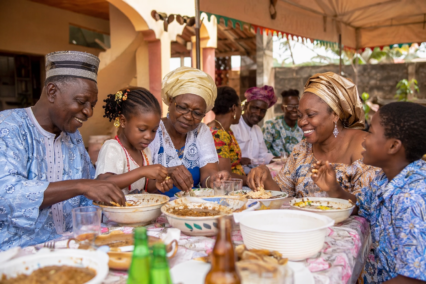
One of the main food ways in Zimbabwe is eating together. At meal time, family and friends come together. They do not just eat. They also get together to make the food and spend time catching up. This habit makes normal dishes special for everyone, the food becomes a deeper part of their cultural heritage.
Sadza is at the heart of this way of life. This Zimbabwean staple is in their daily life, so it’s taken up as a steady part of shared meals. They serve sadza with vegetables, sauces, fish, or meat. People at the table get to eat with others from the same core meal but with their own bit of relish.
This says a lot about Zimbabwean food and these customs. It’s not just about what is on the plate. The real meaning comes in bringing everyone together. In many Zimbabwean families, sadza is there for family time, keeping memories, and passing on moments from one year to the next.
[Text: cultural heritage, Zimbabwean food, Zimbabwe, sadza, staple, Zimbabwean, daily life]
Open-Fire Cooking and Traditional Utensils
Open-flame cooking stays as a big part of traditional Zimbabwean cuisine. It goes well with grilled foods like gango and fits with slow, practical ways many homes use. Food cooked like this often has a smoky flavour that adds depth. This helps the taste change without needing other things added in.
In rural areas, people use simple gear and classic tools for cooking every day. The info shows ways to keep food safe like drying veggies and fish, which match well with kitchen habits that don’t waste much. Using a clay pot is also common and links back to older ways of making meals.
These ways are important, not just because they are techniques. They have to do with the place, daily life, and making do with what you have. For Australians, one thing that makes Zimbabwean food stand out is this mix. Zimbabwean food shows its process and story with every plate.
Conclusion
To sum up, getting to know Zimbabwean food is a great way to see the heart of their culture. This cuisine is full of different flavours and has some specific ways of cooking that have been used for many years. Sadza is a key staple, and if you want to be more adventurous, you can try mopane worms. There is food for everyone, no matter what you like.
When you learn about the main ingredients and how people eat together in Zimbabwe, your meals can feel even more special. You can cook these dishes at home or just learn a bit more about them. Trying Zimbabwean cuisines brings something new to your dinner table.
So, why not get your friends and family to come over, try to cook a dish like sadza or even mopane worms, and enjoy the new flavours together? Give this food journey a go and see what dishes you like most!
Frequently Asked Questions
What are some vegetarian options in Zimbabwean cuisine?
Good vegetarian options are out there. You might like muriwo unedovi, which is a mix of leafy greens and peanut butter. It uses different types of vegetables like pumpkin leaves, spinach, and kale. Legumes are also important. There’s mutakura, which brings together corn, peanuts, and beans to make a filling meal.
How is sadza made and what is it usually served with?
Sadza is a dish made by mixing maize meal with hot water. You start by making a smooth mix first. Then, you add more maize meal and keep stirring until it gets thick. People often eat sadza with a side dish. This can be vegetables, kapenta, or a stew cooked with beef, chicken, or other kinds of meat.
Which Zimbabwean street foods are most popular?
Some well-known Zimbabwean street foods and snacks are mapopo candy, gango, and mopane worms. Mapopo candy is a sweet and chewy treat made from fruit. Gango is grilled meat that’s good to share with others, and mopane worms are full of protein. You can see real variety in food from Zimbabwe, with everything from sweet snacks to smoky meat and even worms that are kept for times when food is hard to get.