Key Highlights
-
Beninese cuisine is known for its bold comfort food. You will find rich sauces and easy staples that wake up your taste buds.
-
Some crowd favourites are Dahomey fish stew, watché, fufu, and many other classic Beninese dishes that locals enjoy.
-
Street food is just as important. Things like yovo doko, akara, aloko, and kuli-kuli show everyday Beninese culture.
-
Many regional recipes across the country use palm oil, corn flour, beans, fish, and plantains.
-
Food in the south and north can be very different, which gives Beninese cuisine its special taste and look.
Introduction
If you want to know more about food from the Republic of Benin, you will find it fresh and worth remembering. Beninese cuisine mixes corn-based foods, rich sauces, seafood, beans and fried snacks. These flavours touch your taste buds fast. The country’s food shows the history of the land, the places, and life at home. Everything comes together on the plate. For people in Australia who want to try food from West Africa, this guide helps you get to know beninese cuisine, key foods, top dishes, and styles from different parts of the country.
Traditional Beninese Foods and Regional Recipes Australians Should Know
Some of the most loved traditional meals in Beninese cuisine are Dahomey fish stew, djèwo, watché, fufu, wagassi, and ablo. You can find these Beninese dishes in homes, markets, and at roadside food stalls. This shows how much Beninese food brings both comfort and big flavour to the table.
Locals like to eat street snacks too. Some top picks are yovo doko, akara, aloko, and kuli-kuli. These regional eats give your taste buds lots to try. To know why they are important, it is good to learn about each dish by itself.
1. Dahomey Fish Stew – A Flavorful National Favourite
Dahomey fish stew is one of the most loved dishes in Beninese cuisine. The meal has a strong link to the old Dahomey days. Many people still think of it as one of the main Beninese meals. When you talk about the top things to eat in Benin, this stew gets a spot near the top.
To make it, you use fresh fish, tomatoes, onion, garlic, and red palm oil. The red palm oil gives the stew a deep colour and makes the flavour full. But the fresh fish helps keep it light, so you can still enjoy it on those hot days by the coast. As the sauce cooks, it gets thick and rich.
In most homes, you will find Dahomey fish stew on the table with white rice or sometimes a corn side. If you are in Australia, think of it like a solid fish stew you may know, but with a strong hit of palm oil and a clear West African twist.
2. Djèwo (Amiwo) – Savoury Tomato Cornmeal Staple
Djèwo, or amiwo, is a great example of how you can turn simple foods into something special. This corn dough dish has an orange-red colour that stands out, and many people in southern and central Benin love it. For lots of us, it is true comfort food.
Corn flour is the main part of djèwo, but other things add a lot more taste. Cooks from Benin mix in tomato paste, onion, garlic, water, pepper, and sometimes chicken bouillon cubes or stock. Palm oil makes the dough rich and gives it that deep colour, bringing the plain maize to life and making the whole thing a real meal.
The dish is mostly eaten with meats or fried foods. This might be chicken, guinea fowl, or mutton. If you want to get a feel for what is used in Benin cooking, djèwo is a good place to begin. It uses corn flour, tomato paste, some seasoning, and comes together with care and time.
3. Yovo Doko – Sweet Street Fritters
Yovo doko is one of the most loved street food snacks in Benin. You can spot it right away for the smell and look. These sweet fritters are sold hot on the busy streets and in markets. Many locals and people who visit like to eat them on the go. If you are thinking about what street food to try in Benin Republic, start with yovo doko.
It’s simple to make. The dough uses flour, water, yeast, and sugar. People shape the mix, then fry it until the outside is golden and crisp. The inside stays soft. A bit of sugar goes on top, bringing even more sweetness. People sometimes say yovo doko is like french beignets.
The name yovo doko can link back to the idea of white man’s belly from the days of colonial times. Now, yovo doko is a big part of Beninese cuisine and has found its own spot. For people in Australia, think of these as soft fried dough bites. They hold a special place in the street food culture there.
4. Wagassi – Beninese Fried Cheese
Wagassi is something you do not find often in beninese cuisine. It is cheese that shows a real sense of place, and a story that goes back. The fulani people, and the ladies in the north around Parakou, make this cheese by hand. It is one of the strongest examples of how food keeps a country’s traditions going, and keeps people together.
This cheese has a mild flavor and feels firm when you touch it. That’s why you can use it in all kinds of dishes. You know it when you see it because of its red rind. The cheese soaks in warm water that has calotropis procera leaf in it, and that is where it gets this bit of colour.
One thing that makes Wagassi stand out is, it will not melt much even if you cook it at high heat. You can eat it just like that, fry chunks of it, or mix it into sauces. Because it keeps its shape, this cheese is a special part of Benin food and how people cook all over the country.
5. Kuli-Kuli – Crunchy Peanut Snack
Kuli-kuli is a snack that looks simple, but people remember it once they try it. You see it at markets and from stalls on the street. The snack is known for being crunchy, having a strong peanut flavour, and filling you up. In Beninese food, it is eaten on its own or put with other foods as well.
To make kuli-kuli, you start by grinding peanuts into a paste. You add salt and spices. Then, you squeeze out some oil from the mix, shape it, and fry the pieces so they get crisp. That squeezing step is important. It makes the snack hold together in a firm way people like. The peanut oil also brings out more flavour and makes the taste richer.
You can have kuli-kuli by itself or crumble it over something else to add crunch. This snack is a good example of beninese cooking. It shows that making good food is about how you work with what you have, mixing good ideas and simple things to build taste and texture.
6. Watché – Hearty Rice and Beans
Watché has a special place in Benin, especially up north. The hearty dish mixes rice and beans together in one pot. It’s a meal that makes many people in Benin think of comfort, being with people, and sharing food. You can buy it from street sellers, or have it at home.
This dish gets its taste from broth, tomatoes, onions, spices, and sometimes there’s fish or meat. Some people serve it with a pepper sauce or fried extras. In a country where palm oil, fish, and starchy foods matter a lot, watché stands out by letting rice and beans take the main spot.
This dish shows how Benin food has its own style, different from other places in West Africa. Benin and its neighbours use the same main foods, but watché puts a spotlight on sharing simple rice-and-bean dishes with these tasty add-ons.
7. Fufu – Classic Starchy Side
Fufu is a well-known food in beninese cuisine and in west africa. It is not often the main food on the plate, but it is a key part of many beninese meals. People use it to pick up and eat sauces and stews. That is the reason fufu is so important.
People in Benin make fufu from cassava, yam, or plantain. They boil these, then pound them until they are soft and smooth. This gives fufu a soft and stretchy feel, making it easy to scoop. It is shaped by hand and eaten with sauce. People may wash their fingers in warm water before or after their meal.
When you talk about top dishes in beninese cuisine, you must mention fufu. It might seem plain, but it is at the heart of how people eat in Benin.
8. Akara – Crispy Bean Fritters
Akara is one of the best-loved street food items from the Benin Republic. These crispy bean fritters are a common pick for breakfast or a quick snack during the day. You get a lot of flavour with these and you do not need a hard recipe to make them. If you are looking for must-try street food in the Benin Republic, akara should be on your list.
This street food is made from black-eyed peas. The peas get soaked, peeled, then mashed or mixed up with onion, spices, and salt. Next, small spoonfuls are dropped in hot oil and fried till they turn golden. You get a fritter that is crisp on the outside and soft inside. They are good to eat while out and about because of that.
A lot of the time, you will see people enjoying akara with tomato sauce or hot pepper sauce. These sauces give more taste and a kick of heat. If you are in Australia and new to beninese food, just picture them like savoury bean doughnuts but with more spice and a firm place in everyday Benin eats.
9. Aloko – Fried Plantains
Aloko shows that even a simple meal can be one you never forget. These fried plantains are a top choice snack, and also a side dish, in beninese cuisine. You will find them everywhere, especially in markets and on the street. They are quick to cook, do not cost much, and taste sweet. That is why people eat them so often.
When you want to make aloko, just slice some ripe plantains. Then, put them in hot vegetable oil and fry them. Wait until the sides turn golden and the middle stays soft. You need to get the timing right. If the plantains are not ripe enough, you will not get that sweet taste. If they are too ripe, they can fall apart when frying.
Fresh and hot aloko can be served plain. Sometimes, you get it with a spicy sauce. It is one of the most loved traditional snacks and dishes in Benin. People eat it with all sorts of food, like rice, grilled things, and more.
10. Ablo – Steamed Rice Cakes
Ablo brings a lighter touch to Beninese cuisine. These small rice cakes are steamed. They feel soft and springy and are a bit sweet. You can eat them with the main meal or even as a treat. People like them as a snack from the markets, but they also go well with your day-to-day food.
The mix for these cakes is made with white rice turned into flour or just some rice flour, water, yeast, and a bit of sugar. The process starts with white rice, which is then made into flour. Leaving the mix to rest gives it a slight tang, and because it’s steamed, the cakes stay soft instead of getting crunchy.
If you want to get the basics of Beninese cuisine, ablo is a good place to start. It puts white rice, water, and yeast in the spotlight with very simple steps. It’s easy to picture this on your table here in Australia, especially if you like soft bread, dumplings, or steamed cakes.
Essential Ingredients and Cooking Techniques in Beninese Cuisine
Beninese cooking relies on simple things you can get at the store. The most common ones are palm oil, corn flour, rice, beans, cassava, yam, onions, tomatoes, chillies, and fish. You will find these used over and over again. All of these staples add great flavour, and also keep food filling and colourful. They help keep meals tasty, good for your wallet, and exciting for your taste buds.
How you cook is just as important as what you use in Beninese cooking. People often simmer stews for a long time. They pound starches, leave batters to ferment, steam cakes, and deep fry snacks as well. The next few parts will explain these basic ways of making food in Beninese cooking even more.
Common Staples, Herbs, and Spices Used in Benin
If you want a quick picture of Benin’s pantry, start with starches, oils, and flavour builders. Corn flour is essential in the south and central areas, while rice, cassava, yam, beans, and plantains also appear often. Palm oil gives many dishes their richness and colour.
Seasoning is built in layers. Onions, garlic, fresh tomatoes, tomato paste, chillies, and bouillon are common. Locust beans add deep savoury notes in some preparations, while sauces such as onion sauce and sides with tomato juice help bring meals together. These ingredients explain why the food feels both hearty and vivid.
|
Ingredient |
Common use in Beninese food |
|---|---|
|
Palm oil |
Adds rich flavour and red colour to stews, sauces, and corn dishes |
|
Corn flour |
Used for doughs such as djèwo and other staple preparations |
|
Locust beans |
Brings strong umami depth to soups and stews |
|
Onion sauce |
Served with starches, grilled items, or fried foods |
|
Tomato juice |
Paired with dishes and fried items for extra moisture and flavour |
Unique Cooking Methods and Signature Flavours
One thing you really notice in Beninese cooking is how people do simple things again and again, but with a lot of care. Cooks make warm stews in big pots. They steam batter that has fermented to make cakes that are soft. Some snacks get fried in shallow pans, and starches get pounded until they are smooth. It’s not the sort of cooking that shows off, but you remember the taste.
Palm oil is a big part of the food because it changes the taste and how things look. It gives sauces and doughs a strong red color and makes them feel thicker and richer. There is also an earthy flavour. This is the reason so many dishes in the south jump out and look bright even before you try them.
Beninese cooking has some other things that make it stand out. Cooks let batter ferment for ablo. They press peanut paste to make kuli-kuli, and use plant extract to get that red rind on wagassi cheese. All this gives food a rich taste and a special style that isn’t like regular food you find in most places.
Regional Diversity in Beninese Food Traditions
Beninese food is very different depending on where you are in the country. There are a lot of things that change it, like the weather, what people grow, how they trade, and the people living there. So, the heart of Benin is not all about one dish. It is a mix that comes from coastal, inland, and savanna ways of cooking.
If you look at the south, seafood, corn, and palm oil are used more often in the meals. When you travel to northern Benin, you find more rice, beans, yam, foods made from cattle, and less rain, so the food gets different. Central Benin is kind of in between, joining the food styles together. The next parts will tell you how all these changes in beninese food show up in beninese culture. It helps you see why there is not just one kind of food from the heart of benin.
Southern Beninese Dishes and Influences
Southern Benin sits close to the coast, and that plays a big part in the local food. Fresh fish, shrimp and crab are easy to get here. People use corn a lot to make simple foods, and there are lots of rich sauces made with plenty of tomato. Most of the beninese dishes that people hear about first, come from this part of the country.
Palm oil is a big part of cooking here. It gives stews and doughs a strong feel and rich colour. People often think of this style when they picture food from the south. Meals like Djèwo, Dahomey fish stew, and many other beninese dishes focus on seafood and show this style well. Corn is important too, and it is used in many doughs and porridges, often served up with thick, rich sauces.
These foods show how the place shapes taste. People near the lagoons and the coast use more seafood, and they like foods with sauce that have a lot of taste. This is a clear way you see the range of flavours in beninese cuisine.
Northern Beninese Dishes and Influences
Northern Benin has food that’s easy to spot. The weather is hotter and drier. There is a lot of savanna, and what you eat often is rice, beans, yam, millet, sorghum, beef, or goat. This means most food up north is not like the corn-and-seafood dishes you find in the south.
The Fulani people are well known here, too. They look after cattle and make the wagassi cheese. Because of them, food in northern Benin has its own style and taste that shows where you are. Watché is a top dish here, too. It’s a mix of rice and beans that is really popular in the region.
High temperatures matter a lot for cooking as well as farming up north. That makes people cook and store meals a bit differently from other places. Many dishes use less palm oil, and you often see lighter meals or sauces made with peanuts. All this shows how beninese food changes with the weather, the land, and how people live.
Conclusion
To sum up, Beninese cuisine has a lot to offer with its mix of tastes, old customs, and many touches from different places. Dishes like Dahomey Fish Stew and the well-known Yovo Doko fritters tell stories about the people and the food they eat. When you learn about the main things that go into these meals and the way to cook them, you get more from your time in the kitchen. You start to see the deep history behind each meal. Why not bring some Beninese food into your own cooking at home? Give these old recipes a go and see how much good they bring. If you want to know more or need some help while you cook, you can ask our team for a free chat. Enjoy your time cooking!
Frequently Asked Questions
What customs or traditions are associated with sharing meals in Benin?
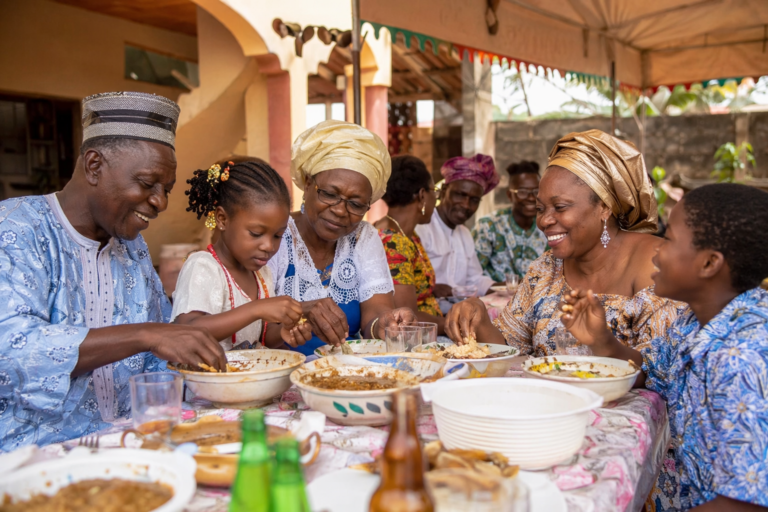
In Beninese culture, people see shared eating as a symbol of communal dining and respect. It’s common to use the right hand when eating from a shared bowl. The elders or guests are served their food first. Even with younger generations moving into city life, these customs are still an important part of many Beninese meals.
What are some easy Beninese dishes a beginner can try at home?
For those starting out, watché is a good way to begin since rice and beans are common and easy to make. Aloko is also a simple dish if you can get ripe plantains. If you want softer beninese meals, go for ablo. You can also make a basic stew and put it over white rice. This is an easy way to try beninese cuisine.