Key Highlights
-
Chinese Buddhist cuisine is all about vegetarian food. It comes from Chinese Buddhism and the ways of the temple.
-
In Chinese temples, cooks use things like tofu, soy sauce, mushrooms, sesame oil, and vegetable stock to make food taste good.
-
Buddha’s Delight is a well-known vegetarian dish. People eat it for Chinese New Year and to wish for long life.
-
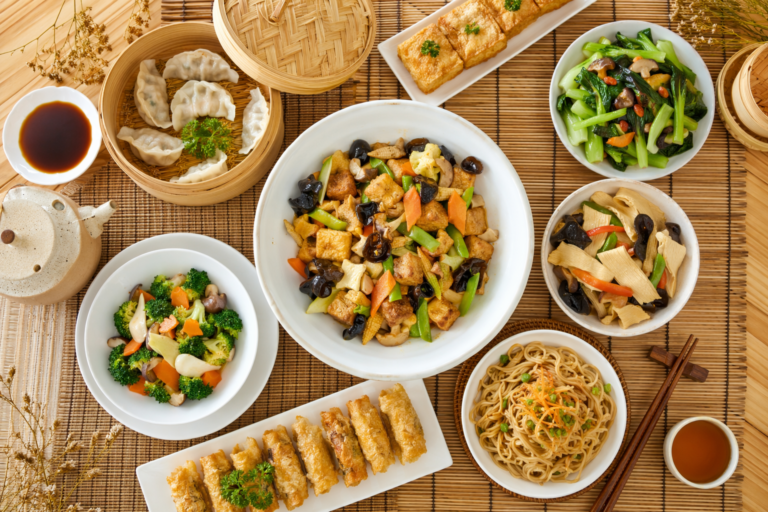
You will often find napa cabbage, bean curd sticks, wheat gluten, tofu puffs, and lotus root in these meals.
-
When people moved to Australia, they brought temple food and vegetarian recipes. Now, you can get these in local homes and Chinese restaurants.
-
These dishes show how Buddhist cuisine links what people believe, simple foods, and good food for every day.
Introduction
Chinese Buddhist cuisine is more than just a vegetarian dish. It shows the link between chinese buddhism, daily life, and a calm way to enjoy buddhist food. Every part, from cooking to eating, gets real care. You will see dishes with tofu, mushrooms, napa cabbage, and noodles put together in special ways. These meals have real comfort and taste, even without any meat in them. In Australia, this food lives on through temple meals, family get-togethers, and also chinese restaurants. You get to see how close buddhist cuisine is to both belief and everyday life.
Origins of Chinese Buddhist Cuisine and Its Arrival in Australia
Chinese Buddhist cuisine comes from Chinese Buddhism and the way of life that values restraint, care, and steady meal times. For Buddhist monks, food is more than something to give you energy. It shows what they think about kindness and how to treat living things.
As time went by, these habits became a part of all Chinese culture. With migration, temple food and vegetarian eating spread out of China and made it to Australia. Now, Buddhist monks, the local groups, and families at home all help keep these food customs strong and important.
Introduction of Buddhism to China and Influence on Food Traditions
The link between Chinese Buddhist food and the beliefs at its core is still very strong. When Buddhism made its way to China, food choices began to show these spiritual ideas. You can still see their mark in Chinese cuisine today. A meal became more than just flavour. It was a sign of keeping life simple, having discipline, and showing respect.
Because of buddhist dietary rules, there were changes in what people could eat. This is why vegetarian food grew to be so important in buddhist cuisine. People on a buddhist vegetarian diet do not eat animal food. Instead, you will see things like bean curd, noodles, vegetables, and other plant-based foods take their place.
It’s one way belief takes shape in daily life and cooking. When you read early buddhist texts, they often talk about these traditions. That’s because for many, what you eat was part of your spiritual practice, and not simply about what you like. This is the main reason that Chinese Buddhist cuisine now stands out and has a style of its own.
Migration of Buddhist Communities and Temple Food to Australia
As people moved between China and Australia, buddhist food started to come with them too. People, their memories, and the habits they brought helped this happen. This shift made it possible for buddhist temples and family cooks to bring temple food to new towns. Meals that were once only seen in temple life began to show up on every day tables for all.
You can see this in chinese restaurants as well. People who follow vegetarian diets wanted meals that used tofu, mushrooms, noodles, and fresh vegetables. Vegetarianism changed these dishes, because plant-based things like those began the meal. Meat wasn’t just taken out at the end. Instead, meals were planned with these foods from the start.
This way, more people in Australia got to taste Chinese Buddhist flavours each day. Thanks to people on the move, buddhist temples, and eating out at chinese restaurants, these food ideas found ways to fit in here, while always holding on to that strong vegetarian focus.
Core Principles of Buddhist Vegetarian Cooking
At its heart, buddhist vegetarianism is about intention. Cooking is not just something you hurry to finish. It becomes a spiritual practice. What you choose to put in, how you cook it, and the way you do things all matter. This gives vegetarian eating more meaning than just planning what’s for dinner.
For you, this means the food often feels calm, balanced, and made with care. The next parts show how compassion helps shape the way food is made and how certain dietary rules say what can go in and what needs to be left out.
Ahimsa, Mindfulness, and Compassion in Meal Preparation
A main connection between Chinese Buddhist food and what people believe is ahimsa. This means not harming other living things. In the kitchen, this idea leads people to show care for animals and use more plant ingredients. The food becomes part of a spiritual practice, not just another daily job.
Mindfulness is also key. When cooks work with things like vegetables, bean curd, noodles, and stock, they put care and focus into it. This way of making food shows that they pay attention and don’t waste. Dishes that are simple can still be full and make you happy.
Compassion runs through both the meals and how they are made. Buddhist cuisine does not centre animal products. It uses vegetables, grains, and adds balanced flavours. This is why Chinese Buddhist food is more than just a menu—it is the way people show their belief through the food they make and eat.
Dietary Rules: Allowed and Avoided Ingredients
Yes, there are special rules and things you can’t do when you make Chinese Buddhist food. Most of what’s there is about sticking to vegetarian diets. Dishes are made so you don’t get any meat or other animal products. These dietary practices are part of why there’s strict vegetarianism in many Buddhist places.
When you cook, the things you can use are usually vegetables, soy products, noodles, mushrooms, and wheat gluten. The things you need to stay away from are anything that comes from animal food. So, the way the meal is put together changes from the start, not just when you serve it.
-
Allowed staples often include tofu, bean curd sticks, napa cabbage, bamboo shoots, and lotus seeds.
-
Mushrooms, wood ear fungus, and water chestnuts add texture without meat.
-
Soy sauce, sesame oil, sugar, and vegetable stock are common seasonings.
-
Animal products are generally avoided under buddhist dietary rules.
-
Temple food often reflects stricter dietary practices than everyday home cooking.
Unique Temple Dishes in the Chinese Buddhist Tradition
Temple food in the Chinese Buddhist way can turn simple things into a good vegetarian dish. People say these meals are shaped by belief, the time of year, and family habits. That is why this food is still key for festivals and in daily temple life.
One special meal comes out around Chinese New Year. People pick each ingredient with care. Each one can mean things like luck, good health, and long life. The next dishes show how the old ways, strong meaning, and good taste can come together in classic temple food.
Buddha’s Delight (Luohan Zhai) and Symbolic Meaning
Buddha’s Delight, which people also call Luohan Zhai or Lo Han Jai, is a famous dish in Chinese Buddhist cuisine. It is a classic vegetarian meal made with a mix of veggies, bean products, mushrooms, and noodles. There are many different ways to make it, but it is well known for coming from temple cooking. It is also a big part of family traditions.
This dish has its meaning because of when and why it is made. The meal is often eaten by buddhist monks and is a regular part of the table during chinese new year. In some Cantonese homes, people serve this as a vegetarian meal in the morning on the festival day.
Buddha’s Delight has a deeper meaning too, because of the ingredients and when people eat it. At chinese new year, which is set by the lunar calendar, people add things like lotus root, lotus seeds, and napa cabbage. These stand for abundance, keeping things going, and long life. So, Buddha’s Delight is not just a simple mixed veggie meal.
Steamed Buns, Longevity Noodles, and Signature Dumplings
If you want to try making traditional Chinese Buddhist dishes at home, it’s good to start with simple vegetarian food that works well for festivals and special occasions. Beside Buddha’s Delight, there are easy dishes like longevity noodles, steamed buns, and dumplings. You can change what goes in these dishes, using things like bean curd, mushrooms, or fresh vegetables instead of meat. The reason these are handy is that the focus is on things like texture, shape, and the meaning you give each food, not just the taste.
Longevity noodles are perfect if you want to celebrate long life, like at birthdays or on special days. Steamed buns fit the Buddhist way of cooking because you can fill them with things like mushrooms, napa cabbage, or tofu. When you make dumplings, chopped fresh vegetables and bean curd are good ingredients for stuffing. These dishes make it easy for you to cook new recipes at home and practise different vegetarian cooking skills.
-
Longevity noodles suit birthdays, festive meals, and other special occasions.
-
Steamed buns can hold mushroom, napa cabbage, or tofu fillings.
-
Signature dumplings work well with chopped fresh vegetables and bean curd.
-
These dishes let you practise vegetarian cooking methods at home.
Key Ingredients in Chinese Buddhist Vegetarian Cuisine
The ingredient list you find in Chinese Buddhist vegetarian food is both useful and wide-ranging. Popular choices are tofu, soy sauce, and wheat gluten. These three show up a lot in their cooking because they help make tasty meals without using any animal food. You can put them in stir-fries, soups, braises, or use them in special dishes for a festival.
Vegetables, mushrooms, and different noodle products are also key. They give each dish more texture and keep everything balanced. If you want to know this cuisine well, start by looking at the main protein foods. After that, see what the plant staples are and how they get used.
The Hero Role of Tofu, Soy Products, and Seitan
The main ingredients used in Chinese Buddhist cuisine are often bean curd and other types of soy-based foods. Tofu shows up in many ways, like fried tofu and tofu puffs. It’s one of the most flexible things you can have in the kitchen. Tofu takes on the flavour of what you cook it with, and you can use it in both soft or chewy meals.
Soy products are not just about plain tofu. There are bean curd sticks, fermented bean curd, and of course, soy sauce. All of them help give the food bigger taste. In Buddha’s Delight, fermented bean curd and soy sauce come together to make a tasty base. Tofu puffs, on the other hand, give more chew and make the texture better.
Wheat gluten, sometimes called seitan, is another important part of Buddhist cuisine. It makes vegetarian dishes firmer and it works well fried or braised. Using tofu, soy products, and wheat gluten, you get the base for nearly all your popular Buddhist meals.
Staple Vegetables and Creative Uses for Mushrooms and Plant-Based Alternatives
Beyond tofu and gluten, the cuisine depends on a broad range of fresh vegetables and dried goods. The compiled material names shiitake mushrooms, napa cabbage, bamboo shoots, lotus seeds, lotus root, peanuts, wood ear fungus, water chestnuts, leeks, snow peas, carrots, and bean sprouts. These ingredients bring colour, crunch, softness, and aroma.
Mushrooms are especially important because they add savoury depth. Shiitake mushrooms and black mushrooms are common, while wood ear fungus gives a crisp, springy texture. Plant-based alternatives such as bean curd sticks and tofu puffs step in where richer textures are needed.
Here is a simple text table showing how these staples are often used:
|
Ingredient |
Common role in dishes |
|---|---|
|
Shiitake mushrooms |
Add deep savoury flavour and a meaty texture |
|
Napa cabbage |
Brings sweetness, softness, and bulk to stir fry dishes |
|
Bamboo shoots |
Add crunch and freshness |
|
Lotus seeds |
Used in festive dishes for texture and symbolism |
|
Water chestnuts |
Provide crisp bite in mixed vegetarian meals |
|
Lotus root |
Adds pattern, crunch, and symbolic value in special dishes |
Cooking Methods Distinct to Buddhist Kitchens
Chinese Buddhist kitchens use ways to help simple foods taste better without making them too strong. A quick stir fry, a soft braise, or letting things cook under a lid can change veggies, noodles, and bean products into full vegetarian meals. The texture is watched as closely as the taste.
When they season the food, they keep it clear and on track. They use sesame oil, soy sauce, stock, and fermented bean curd to give a deep taste. Mushrooms and dried foods also add more. In the next parts, you will see how these kitchens build umami and work with mock meat dishes.
Umami Flavours Without Meat—Stock, Seasoning, and Textures
A lot of people wonder how Buddhist kitchens can get such rich flavour without using animal products. The key is to build up taste by using layers of different things. Instead of meat broth, cooks use vegetable stock with soy sauce, sesame oil, mushrooms, and fermented bean curd. These help give dishes a strong, savoury taste but still follow Buddhist food rules.
Texture is just as important as taste. Wood ear fungus gives a nice crunch. Bean curd sticks are good for chewing. Tofu puffs work well because they soak up the sauce. With these things, you get some of the variety that meat would give in a meal.
The way buddha’s delight is made shows this. Ginger goes in the pan first, then fermented bean curd, garlic, mushrooms, and other things are fried in order. Stock is added last. This brings flavour together, layer by layer, and there’s no need for animal products.
The Art of Mock Meats and Handmade “Vegetarian” Dishes
Mock meats are a big part of many Chinese Buddhist kitchens. They help bring both structure and variety to vegetarian dishes. The list does not include every finished mock meat you can find, but it does show you what goes into most of them like wheat gluten and tofu puffs.
Wheat gluten can be fried or cooked in sauce. You get a chewy bite that works whether you want it in chunks or in various shapes. Tofu puffs, on the other hand, are light and full of little holes. This means they soak up flavours very well, so they’re good for mixed dishes like buddha’s delight.
If you want to have a go at home, start with simple ideas that use these basics. Try cooking napa cabbage, mushrooms, noodles, tofu puffs, and some bit of wheat gluten in a wok. This is a good way to get to know this homemade vegetarian style.
Regional Flavours in Chinese Buddhist Cuisine Across China
Chinese Buddhist cuisine does not follow just one style. In many places, buddhist food changes in taste, cooking method, and how it gets served, based on the local area. These differences come from the kind of food that grows there, what people in the area like, and the bigger Chinese culture.
Even though buddhist cuisine always stays vegetarian, the meals can taste quite different as you move from one place to another. If you look at Sichuan traditions compared with the northern and southern styles, you can see how these things shape buddhist cuisine. These styles also play a part when people in Australia make their own versions of buddhist food.
Sichuan Buddhist Vegetarian Dishes—Spice and Subtlety
Sichuan Buddhist vegetarian food has its own style. It is known for a mix of bold spice and calm flavours. Even inside vegetarian food, each area makes the meal its own way. Compared to some softer tastes in other places, the Sichuan cooking is easy to recognise. It uses stronger seasoning and a clear, sharp taste.
Buddhist vegetarian food always keeps to some rules. The warm spice works around things like vegetables, tofu, mushrooms, and noodles, not meat. Food like dried mushrooms or wood ear fungus is soaked in hot water before cooking. This lets them be used in special ways to make many textures in the dish.
So, what sets it apart from other styles in China? The main thing is what stands out. Sichuan vegetarian food likes heat and strong tastes. But in other places, Buddhist cooking can be much softer. You might taste more sweet or gentle, savoury flavour. That can come from stock or soy-based seasonings instead.
[Learn more about Buddhist vegetarian food and how hot water and unique things like wood ear fungus make each dish stand out.]
Northern Versus Southern Traditions and Australian Adaptations
Northern China and Southern China have helped shape Chinese food in different ways for a long time. Buddhist cuisine follows this pattern as well. The info here points out a clear Cantonese family take on Buddha’s Delight. This shows how the south of China brings its strong local flavour into well-known dishes.
This means a lot in Australia. Here, food often changes through what migrants already make at home. A southern-style dish like Buddha’s Delight can be the version most people know because that’s what families, temples, or chefs keep cooking. This doesn’t lose tradition. Instead, it keeps it going in a real way.
These kinds of changes have also helped more people get into vegetarian food. Chinese Buddhist cuisine shows that dishes made from plants can be fun, important, and never dull. Because of this, a lot of people now see vegetarian and vegan food in a new light.
Impact of Chinese Buddhist Cuisine in Australia Today
In Australia today, people can find Chinese Buddhist cuisine in many places. You will see it at community meals, in home cooking, inside Chinese temples, and on some restaurant menus. This food offers more than just religious value. It also gives something special to people who want thoughtful vegetarian dining with a deep cultural history.
This influence shows up in buddhist restaurants, temple gatherings, and in the vegetarian society. People care about plant-based food for reasons like kindness and taste. In the next parts, we look at how temples help shape the local dining scene. We also see how these food traditions now guide new food ideas and movements.
How Monasteries and Temples Shape Local Dining Scenes
Buddhist temples have a quiet but key job in local food life. They keep cooking skills, the way people pick food, and meal habits that could disappear. With their group meals and food at festivals, buddhist temples help vegetarian eating stay tied to practice, memory, and a culture people share.
This touch often spreads past temple grounds. You can find chinese restaurants that serve foods like Buddha’s Delight. These are good, healthy choices, and they show more people Buddhist-style food. So, while temples and restaurants do things in different ways, both still help make this kind of cooking easy for people to see.
If you want the real thing in Australia, you are most likely to find it at places linked to temple groups or at chinese restaurants that are known for vegetarian menus. There are also online family-style recipes that list all the usual food and show how to use a wok, so you can make these meals at home.
Influence on Modern Vegetarian and Vegan Food Movements
Chinese Buddhist cuisine has helped shape the vegetarian movement. It shows that plant-based cooking can be traditional and not just something new. Way before today’s food trends came up, these kitchens were making good meals with tofu, mushrooms, wheat gluten, cabbage, noodles, and simple stock.
This history is important for food today. People who care about animal welfare or who follow groups like the vegan society want dishes that do not feel like something is missing because there is no meat. With its ways of cooking, Chinese Buddhist cuisine gives complete meals. It does this with tried-and-true methods—not just by swapping out meat at the last minute.
It has also led to new recipes. Home cooks and restaurants now use things like mushrooms for that savoury flavour, wheat gluten for a chewy feel, and tofu puffs for a different texture. Because of this, buddhist cuisine from old temple kitchens still helps make vegetarian and vegan meals today.
Health Benefits of Eating Chinese Buddhist Vegetarian Dishes
Chinese Buddhist vegetarian food is popular because it brings together clean eating, a good bite, and balanced flavours. Most of the meals use vegetables, soy products, mushrooms, and noodles instead of heavy meat. This helps the food feel lighter but you still get a filling meal.
For you, the value goes beyond just the body. These dishes also help you slow down and be more thoughtful about how you cook and eat. In the next parts, we’ll look at the nutrition in the ingredients and what you get from calm and balanced meal habits.
Nutritional Value of Plant-Based Ingredients Used
The health benefits of Chinese Buddhist vegetarian dishes start with the way they use plant-based foods. These meals use fresh vegetables, tofu, mushrooms, noodles, and products from beans. You get a good mix of different tastes and foods, without eating meat. This mix helps you have a more balanced diet.
Look at the ingredient lists used. You will often see things like napa cabbage, bamboo shoots, lotus root, lotus seeds, mushrooms, bean sprouts, carrots, and water chestnuts. When you have different foods like this each day, it is a simple way to know you are getting good nutrition from your home cooking.
These dishes also give you a lot of choice. Since you can add any vegetable you like, you can use whatever you have at home. This makes Chinese Buddhist food a good guide for easy, plant-based eating with whole foods like fresh vegetables, bamboo shoots, lotus root, water chestnuts, napa cabbage, and lotus seeds.
Clean Eating, Balanced Flavours, and Mindful Eating Practices
Another good thing about this food is that it goes well with clean eating. The food uses only the most basic things and simple spices. The cooking is easy, too. You can always see what’s on your plate. There is nothing in there to hide or confuse you.
The flavours are balanced, which is what many people like. When you put soy sauce, sesame oil, stock, mushrooms, and vegetables together, you get a deep, tasty meal. These foods are big on flavour but not too heavy. This means meals are both satisfying and easy to fit into a vegetarian lifestyle.
Mindful eating is, too, a part of the value here. The food ties in with a spiritual practice, so people take their time and have purpose with each meal. This helps meals feel more calm and makes people slow down and enjoy their food. For many, this is a big plus for health.
Conclusion
To sum up, Chinese Buddhist cuisine gives you a special and rewarding experience that is more than just eating. The food comes from strong ideas about being kind and aware. It focuses on vegetarian meals and enjoys using a wide range of tastes and food items. In Australia, old ways come together with new styles. This shows us how the dishes help your body and can help you think more about staying healthy and eating the right way. When you try buddhist cuisine, you get both good food and a great feeling at your table. These dishes can be a good choice every day, not just for your body, but for your mind too. If you want to learn more, you can always ask for a free chat about it!
Frequently Asked Questions
What makes Chinese Buddhist vegetarian food unique in Australia?
In Australia, Chinese Buddhist vegetarian food is special. This is because it comes from buddhist temples, family cooking, and chinese restaurants all at once. This mix helps buddhist vegetarianism show up in lots of different ways. You can find it at festivals with big dishes, as well as in simple vegetarian food you eat every day. These meals often use tofu, mushrooms, noodles, and temple-style cooking.
Are all Chinese Buddhist temple dishes vegan or just vegetarian?
Temple food is mainly about vegetarian food. It does not include animal products because of buddhist dietary rules. From what we know, the main thing is to follow vegetarian practice. It is not so much about labels like vegan society. Most of the time, temple dishes are made with buddhist principles in mind. Only then do they think about using modern names for these foods.
Where can I find authentic Chinese Buddhist recipes and restaurants in Australia?
In Australia, you can begin by going to buddhist restaurants, temple groups, and chinese restaurants that are known for their vegetarian menus. These places often have good food that uses things like tofu puffs, shiitake mushrooms, napa cabbage, bean curd, and bean curd sticks. If you want to cook at home, search for simple vegetarian recipes that use these foods. These places or ideas often give the best tips for finding real, local places to eat.