Key Highlights
-
Yupik food shows how Alaska Natives stay close to the land, the sea, and each season.
-
Traditional foods often use fish, marine mammals, plants people gather, and meals people make to keep for a long time.
-
The salmon run changes when people eat, how they gather food, and get together with the community in many places.
-
Seal oil is seen as a key way to get energy and flavour in the meals people have every day.
-
Eskimo ice cream is a special treat many know well and it’s tied to local foods and people’s memories.
-
Food is still at the heart of who people are, their togetherness, and the bonds across both Alaska and Siberia.
Introduction
If you are living in Australia and want to know more about what Arctic people eat, Yupik cooking can help show you how Indigenous peoples live with their land. For Alaska Natives, food is about more than just eating. It joins people to their ancestors, family, their language, and what they do each day. Even if you see something today from places like the Alaska Department of Fish, what lies underneath is about cultural survival. This guide covers the basics of Yupik food in simple words. It will talk about the main things people use, how they make the food, and what it means to them.
The Foundations of Yupik Cuisine for Australians
For many Alaska Natives, Yupik food comes from a deep link to the land and water. People have learned and shared these foodways over the years. They are still part of who they are today. This is important because the food in this place is not just something you eat. It is tied to every part of life.
Australians might find it easy to picture this if they think of food as part memory, part skill, and part belonging. For Indigenous peoples, an everyday meal or even a special treat can show where they come from. These meals carry the stories of their past. The next parts will talk about who the Yupik are, and how the land and water shape what they eat.
Introduction to the Indigenous Peoples of Alaska and Siberia
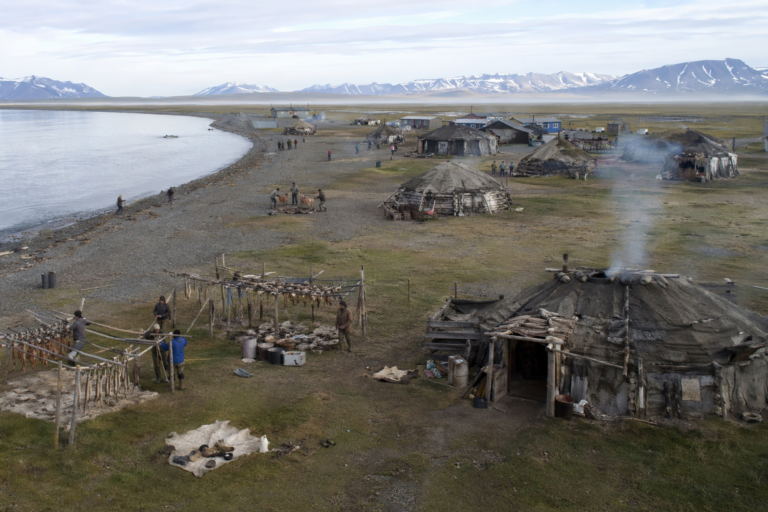
The Yupik are one of the Indigenous peoples who live in the Arctic. Their communities are in both Alaska and Siberia. The gathered material talks about Inupiaq, Siberian Yupik, and Central Yup’ik traditions. This shows there is a big and wide culture, not just one local food way. It is good to see this larger view when you look at food habits across the Bering Strait.
Put simply, Alaska’s environment has a big effect on what the Yupik eat. What you see on the land, like animals and plants, plus the sea ice, tundra, cold water, and how animals move, will all change what people can gather, hunt, fish, dry, or store to eat. Here, their meals fit the place where they live.
The tie to Siberian Yupik is also very important. It tells us food moves with people, their language, and what they remember. On both sides of the Bering Strait, food helps people live, but it also shows who they are. This is why these old meals and food traditions are still special right now.
Understanding the Climate and Geography Shaping Yupik Foods
Climate is at the heart of how the Yupik eat their food. In the Arctic, long and hard winters, cold water, and not much time for plants to grow all help decide what can be had. This means people use food from the sea, rivers, tundra, and from animals as they move during each season.
Many people ask, how does the land and the cold weather in Alaska shape what Yupik people cook and eat? It has a big role in every part of it. It decides what goes into the food, when it is picked, how it is kept fresh, and the taste you get. The meals made have to work for cold times, long distance, and how things can be stored, not just what people might want to eat.
This may be called a kitchen that is always changing to get by. What you read shows how Arctic people use what they have. They know how to change and react to what goes on, both in the cold water area and far away. Even as groups like the alaska department of fish help guide people now, the reason for what goes on stays with the land and with culture.
Key Ingredients in Traditional Yupik Cooking
At the heart of Yupik cooking, people use what they can find close to where they live. The main foods in Yupik dishes are fish, marine mammals, land mammals, and wild plants. These foods show how well people know the seasons, the land, and what they need each day.
You can see that this mix of food is both useful and ties into their way of life. It helps with daily meals, storing food for later, and sharing food with others in the community. To really get what this food is about, it helps to look at each type one at a time, starting with fish, then moving on to sea foods like marine mammals, then birds, and finally the wild plants they gather.
The Importance of Fish in the Yupik Diet
Fish are a clear answer if you ask, what are the main ingredients in Yupik cooking? In many Yupik places, fish are useful, easy to find, and good for drying or sharing. You can use them through the year. They’re part of daily meals and help with planning ahead for each season.
The salmon run matters a lot. It brings plenty of fish right when people need it. Names like king salmon and dog salmon show there are different types people know about and use. Fresh fish can be eaten right after you catch it. You can also keep some for later.
Yupik food is not just about the fillet from the fish. People use more parts of the fish like fish heads and fish eggs. Which parts people use can depend on each home. Using many parts shows they respect food and make sure they use what they have. This is important in tough living places.
Marine Mammals: Seal, Walrus, and Whale
Marine mammals are a big part of the Yupik diet. They give people a strong and rich source of food that helps people live in the Arctic. For a long time, people in the broader Arctic area have eaten things like pickled walrus and even seal eye. These foods are from old ways of living that made sense for the tough conditions there.
One of the most well-known foods in this group is seal oil. People use seal oil to add flavour and also get lots of energy from it. It is valued for more than just being a cooking fat. When people talk about marine mammals, they mean more than just seals. They also mean animals like beluga whales, bearded seals, and other sea mammals that are a big part of how people eat and live.
There is also a lot of meaning wrapped up in these foods. People gain skill and special knowledge when they gather and use them. The connection to the land and sea is strong. That’s why marine mammals are not just regular foods. They help show how flavours and food are part of surviving and being who you are in the Arctic.
Birds and Eggs in Everyday Meals
Along with fish and seafood, people also use birds and bird eggs in the Yupik way of life. This shows that the list of ingredients for their food is bigger. Traditional foods do not come from just one type of food. They include what the season and the place give to them.
Bird names like common murre and common eider talk about birds that live near the Arctic coasts. When people gather eggs and birds at the right time, it gives them another good food source. This can help their homes have enough to eat when they need it.
People in Australia might see this as being like a well-stocked pantry, ready for different seasons. Day-to-day meals come from what you find, what you know, and when you get it. Bird eggs are a good food in the way they fit this way of life. They are loved not just for being special, but for being a smart part of a food plan shaped by place, weather, and what people know together.
Foraged Plants, Roots, and Berries
Yes, people often use wild plants and berries in Yupik cooking. Many think of animal foods when they talk about Arctic food, but using the land is still key. This means the use of indigenous plants and foods that people gather from nature.
Wild plants and berries help make meals more fresh and varied. Green plants from tundra spots come up when the season is right. People eat berries just as they are, or add them to dishes that many call treats. These foods are important because they link people to the land itself.
Gathered foods also help keep knowledge alive from one generation to the next. Folks must know where to look, when it is right to pick, and what they can use or eat safely. So, eating plant foods is tied in with the culture and way of life. They fit with hunting and fishing as a big part of the same living world.
Seasonal Wild Herbs Used in Flavouring
In the Arctic, the flavour in food changes with the season. Wild herbs get used when they grow, not just when people wish to use them. This way of doing things is a big part of the Yupik way of cooking. It explains how they use green plants in, and with, their food.
Wild herbs are one type of green plants people gather. They are not the main food like fish or marine foods, but they still play a part. They help make meals fresh, bring a new taste, and show the short time that people can go out and pick them.
The main thing to know is, there is a pattern to this. The Yupik people link flavour in their meals to the world around them. Using herbs, berries, roots, and other edible plants with the season shows how they answer the cold land and its ways. They remind us that knowing what edible plants grow and when to use them is still a big deal, even in a chilly place.
Signature Yupik Dishes – An Authentic Taste
Some Yupik foods stand out because they use what’s found in the area and show what matters to the people. If you ask someone what popular Yupik dishes are like, it will change based on if you try fresh, dried, aged fish, or if you go for a sweet dish made just for special times.
For folks in Australia, be ready for strong tastes from the texture, the season, and the way they keep the food. Eskimo ice cream is a top dish people know, but there are also plain foods like soups, breads, and fish they keep for a long time. Here are some dishes that show what types of food there are, from eskimo ice cream to aged fish and more.
Akutaq (Eskimo Ice Cream): Recipe and Flavours
Akutaq, which people also call eskimo ice cream, is one of the most well-known Yupik dishes. For those in Australia, the name might sound close to what you know, but this is not the same as the ice cream you buy at the shop. It is from a local food tradition, not from the dessert aisle.
The flavours of akutaq can come from wild berries and what else is on hand. This helps give it a strong local feel. That’s why the taste can be bright, rich, and fit the season. What goes into akutaq often changes, as everyone’s recipe can be a bit different. This often happens with food passed down through families.
When you ask about what Yupik dishes are like, eskimo ice cream is a great way to show how food can bring back old memories. For many, it is seen as a special treat. Even though it sits next to main foods like fish, it still has its own special spot in family life and in the culture.
Sourdough Flatbreads and Bannock
Not every food tied to the Yupik comes straight from hunting or fishing. Over time, contact and change have brought things like bread into meals, too. Words like bannock, pilot bread, and easter bread are now part of kitchens, sitting beside traditional foods in homes that are always changing.
These breads are the kind some people from outside might know. They look a lot like introduced basics, not so much like foods taken from the Arctic. Their taste is often plain and filling. This makes them good to have together with things like fish, meat, or seal oil, which have stronger flavours.
This is just one way to show how Yupik food is always open to change. The information we have says that Arctic cultures can mould to fit social and cultural shifts. When you spot bannock or any of these bread types with a meal, it is not taking away tradition. It’s a sign that food traditions can grow while still holding on to identity, bringing in new items like pilot bread or easter bread, as well as the many traditional foods and seal oil so many still use.
Meat Stews and Soups from Sea and Land
Traditional Yupik food is made in straight forward ways. The meals fit in with the ingredients that people have, like seal oil, caribou meat, and moose meat. Soups and stews are good for a family. These dishes mix fish, seal oil, and meats from the sea and land. This way, everyone gets a hot meal together.
Caribou meat and moose meat come from the land, while fish comes from rivers and the sea near by. When you cook a stew or soup, you can mix all these foods into one pot. That means you don’t waste any flavour, fat, or good parts. This is important because the cold and hard weather makes every bit of food count.
If you want to know how traditional Yupik food is made, the answer is easy. Most of the dishes are there because people need them, the season allows it, and the way they are made saves time. Stews are simple. They do not need many things. What matters is that you get food that fills you up, keeps you warm, and uses what you have picked or caught.
Air-Dried Fish and Aged Delicacies
One way the Yupik keep and store their traditional foods is by air drying. Dried fish lasts longer than when it’s just caught. It helps families get ready for future needs. In a place where the weather puts strong limits on what you can get and when, keeping food is not just helpful. It is needed.
Aged fish is another part of using food better and working with what’s in the area. People who are not from there might find these methods odd at first. But when you see the bigger picture, they make sense. They fit with the environment, what people have, and the need to keep food for a long time.
This shows why preserved foods still have respect in the community. They are more than just old ways of doing things. They show knowledge that goes back many years. Air drying and ageing teach people about timing, how hot or cold it should be, and the safest way to handle foods. All of this is part of their Arctic way of life and connects to their traditional foods and culture.
Seal Oil as a Central Cooking Ingredient
Seal oil is close to the middle of many talks about Yupik food. It matters to the people because it brings flavour and gives you energy. This is needed where filling food is hard to get. If you ask why fish and marine mammals mean so much to the Yupik diet, seal oil makes it plain.
It’s more than just taste. Seal oil also has fatty acids and is good for health. Out in the Arctic, this kind of rich food helps the body in ways that light foods can not. That is why seal oil has a role in cooking and also in looking after people.
You find seal oil comes up again and again in chats about traditional foods. It is not just something extra. Seal oil helps show the main place marine foods have in Yupik life. Here, energy, country, and how folks live, all link in with each other, not stand apart.
Gathering Indigenous Foods: From the Land and Sea
Getting food in Yupik communities is about more than just picking things to eat. People fish, hunt, gather wild plants, and move with the seasons over land and sea. Each thing that they do needs skill, timing, and careful watching of nature.
This part of food life helps people keep their way of living and who they are. People may talk about doing things their old way in the community, or even mention the alaska department of fish to talk about new ways. The main idea doesn’t change: gathering food ties eating to caring for place and people. Next, you’ll see these ways of harvesting explained in detail.
Fishing Techniques and Traditions
Fishing techniques often change with the season, the water, and what the family needs. The salmon run is a key time because it means a lot of work, some planning, and keeping food set aside for later. So, fishing is not just about getting food for now. It is also about getting ready for meals down the track.
The way people get food ready always starts when it is caught. When families catch fish, they choose what to eat right away and what to keep. All the parts of the fish, like fish heads and other bits, can be used. This shows people use the most of what they take and treat it with respect.
Some things you often see in fishing traditions are:
-
working out the best time, like during the salmon run or at a different part of the year
-
getting fish ready straight away to eat, dry, or store for later
-
making use of many parts of the fish, like fish heads, so good food does not go to waste
Seasonal Bird Hunting and Egg Collection
Seasonal bird hunting and collecting bird eggs is simple: people work with food when nature lets them. In late summer and early fall, families focus more on what birds and their nests can offer. This is not done by chance. It is about smart food planning.
Bird eggs are picked up when they are there. People eat them as part of their usual meals. Birds are an extra source of food too. What matters is getting ready at the right time. People have to know when to go, what to get, and how to deal with it.
This helps answer what goes into getting and cooking food the traditional Yupik way. Getting ready starts before you cook. It starts with understanding the season, knowing when to move, and putting in the work at just the right time for the Arctic.
Foraging for Tundra Greens and Berries
Foraging on the tundra is a big part of Yupik food ways. People use a lot of edible plants and berries in their cooking. They have to know the land well to find them. Wild greens and berries turn up when the season is right and it becomes time to go out gathering.
This work stays pretty quiet but it is still important. Gathering adds something fresh for the table. It also keeps people in touch with where they live. Even though most Yupik meals are known for fish and marine foods, going out foraging on the tundra shows the land itself helps to feed everyone.
For Australians, here’s the main thing. Plant foods in Yupik cooking are about the season. They’re local and people use what they know. Nobody just grabs anything they see. They use what has been handed down — knowing the right edible plants, wild greens, where to spot them, and when is the best time to pick.
Roles of Community in Harvesting and Sharing Food
Food sharing is a big part of the Yupik way of life. The collected information shows how close the Yupik are to their ancestors, the land, and to each other. That helps make the community so important when people go out and collect food. Food is not just for one person or for just one house. It moves between families, homes, and people you know.
This also answers the question about what role food has in cultural ceremonies or family gatherings. Even if there is no big event, sharing food helps everyone build trust, make memories, and feel they belong. When someone gives a catch, some berries, or some saved food to another person, it is about more than eating.
Community helps people keep local knowledge safe, too. Sharing food helps everyone keep skills about gathering, getting ready, and using local materials. So, the table is not just for eating. It is also where people keep their way of life, who they are, and keep old ways going.
Food Preparation in Yupik Homes
In Yupik homes, the way people cook depends on what they need, the time of year, and what kind of food they have. Food may be eaten raw, heated, dried, frozen, or kept in other ways. The point is not to make things complex, but to be useful and careful.
For Australians, this means you do not stick to just one kitchen style. Some food is cooked on an open fire, while some is kept, aged, or eaten close to how it is found. The next parts tell you how these cooking methods help people in the Arctic with daily life.
Preservation Methods: Drying, Fermenting, Freezing
The Yupik save and keep their traditional foods in ways that match the climate and season. Air drying is a great example of this because it helps change a short harvest into food that can last much longer. Freezing is also useful. In the Arctic, the cold helps with storage.
Fermenting works the same way. It lets you use foods for a longer time and makes foods that people know well in their area. These ways are smart answers to how far you live from stores, the weather, and not wanting to throw food out.
The most important thing is that these keep methods are done with skill. Drying, freezing, and fermenting are not quick tricks. They take know-how and care. In Yupik homes, how you store food is a big part of food skills, and it shows how people’s way to live and their culture go hand-in-hand.
The Use of Stone, Steam, and Fire in Cooking
Traditional Yupik food is cooked in ways that let the ingredient be itself and not hide it. Open fire is a good example of this because it gives heat right to the food and makes it easy to cook when you don’t have much. People pick cooking methods that are useful and not just for show.
Steaming is another good and simple method. It makes food soft and helps you get their true taste, and you don’t need any fancy gear for it. In a place where what you have can change with season, and where it is stored is important, these cooking methods really help. Simple ways are often best.
When you see stone, steam and fire, you can tell that Yupik cooking is about using what’s around. The cooking methods work with what people get by gathering, catching, or hunting. If you want to know how people make traditional Yupik food, you’ll find the answer is almost always clear, simple, and shaped by what is at hand.
Traditional Tools and Utensils
The right tools and utensils matter when it comes to traditional foods. Even simple cooking steps need good gear. People use these things for getting food ready, cutting, storing, serving, and keeping it safe to eat. So, tools are really part of the way food is made, not just something extra.
The information here does not give a long list of items. But it does show that recipes and the skills needed for making food get passed down by families over time. This means people learn about the use of tools as they grow up, often from loved ones and those in their community.
So, how do people get traditional Yupik food ready and cook it? Part of the answer is that people get very good with the tools they know. A food culture keeps going because people know what to do with ingredients. With the right tools, they can turn things they have taken from the land into safe and special meals that matter to them.
Preparation of Raw and Cooked Dishes
Yupik food has both raw and cooked plates. People in Northwestern Siberia used to eat raw reindeer meat and drink blood, not just as an old custom. It was also a way to stop scurvy. This shows that some ways of eating raw food had real reasons behind them.
Cooked plates are good for soups, stews, warm fish, and when families eat together. An evening meal might have food made in different ways. How food gets made can depend on the season, what people need, and what they like. There isn’t just one rule that says all things in a plate have to be cooked the same way.
If you want to know how people get traditional Yupik food ready or cook it, remember this: being flexible matters most. Some things keep better when you do not change them much. Others taste better with heat. Both ways are a part of how people make their food because of where they live and what their families have always done.
The Role of Fish and Marine Mammals in Nutrition
Fish and marine mammals are important in the Yupik diet. They give people good food and keep them healthy in tough conditions. These foods are not just the main things they eat. They show why older ways of eating relied on what was around and what people’s bodies need.
This links to today’s talks about health. People now talk more about fatty acids and chronic diseases. They do this because they compare traditional foods to newer food habits. When you want to see the difference, it helps to look at different marine foods and what they do for us.
Salmon Varieties and Health Benefits
Salmon varieties help answer the question, what are the main ingredients used in Yupik cuisine? Fish sit at the centre of the diet, and salmon are among the most visible examples. Terms such as chinook salmon, king salmon, chum salmon, and coho salmon show how people distinguish among important local foods.
From a nutritional view, salmon are often linked with richness and useful fats. In the context of traditional foods, their value comes from both nourishment and versatility. They can be eaten fresh or prepared for later use.
Here is a simple text table showing how these salmon names fit into Yupik food discussion:
|
Salmon name |
Place in Yupik foodways |
|---|---|
|
Chinook salmon |
A recognised salmon variety linked with local fish use |
|
King salmon |
Commonly named as an important salmon within food traditions |
|
Chum salmon |
Another key salmon type associated with seasonal harvests |
|
Coho salmon |
Part of the wider salmon range used in local diets |
Whitefish, Herring, and Trout in Local Recipes
Yupik food is not just about salmon. People also eat whitefish, trout, and other local fish. This helps bring more choice and makes it easier for families to plan their meals. In the Arctic, it is important for people to use what is in season, not only go after the most popular fish.
Herring sac roe and fish eggs are good examples of this. They show that the food is not just the meat of the fish but comes from other bits, too. These different parts offer value, whether it is for taste, texture, or for times when food changes with the season.
So, if you are wondering what the main things are in their food, it is clear—fish in many shapes. Salmon does get a lot of the praise, but whitefish, trout, herring sac roe, and fish eggs each show how wide the local diet is. People eat from both the sea and rivers.
Seal Meat and Oil: Source of Energy and Nutrients
Seal meat and seal oil both play a big part in the diet, as they give people energy and important nutrients to live in the Arctic. In the cold, foods that are richer and more filling are worth a lot. That is part of the reason why marine mammals are still talked about so much in the traditional Yupik diet.
Seal oil, in particular, is important to the local food with marine food roots. People use it to add taste to food, but it also gives meals more nourishment. Seal meat is used together with seal oil. They are key in a local food system that works well in that area.
When people wonder why fish and marine mammals are so important, the answer is not just about keeping up with the old ways. There is also a practical reason. These foods really help people get what they need in a harsh place while also helping to keep the process of getting, making, and sharing meals part of their culture.
How Marine Foods Support Wellbeing in Arctic Environments
People often talk about marine foods when they think about wellbeing. This is because these foods have fats that are important in old ways of eating. One word you might hear in these chats is docosahexaenoic acid. In simple terms, this means people are interested in the special nutrition that comes from marine food like fish.
In the Arctic, people eat foods that suit the way they live and the land they live on. This is why many people compare old diets, which are based on fish and marine foods, with new types that come in packages. People today also worry about things like chronic diseases, high cholesterol, and high blood pressure.
So, do traditional Yupik foods give some special health help? The short answer is yes, mostly because of the marine foods and the fatty acids in them. There are no hard lab results in the material here. Still, it shows that these older foods are good for both culture and the health of the people who eat them.
Plant-Based Foods and Seasonal Eating
Wild plants and edible plants are important foods for the Yupik, even if marine and animal foods get more of the spotlight. When the season is right, people pick things like roots, berries, and greens. These foods help make meals in the Arctic more balanced. They add some variety to what people eat.
This is something good for Australians to think about, too. Yupik food is not just made up of what they get from hunting and fishing. At the right time of year, plant foods also go into meals. These wild plants show the way people really pay attention to the land around them. In the next part, you will get a closer look at the roots, berries, and greens they use.
Common Edible Roots and Tubers
Yes, the plants that people often use in Yupik cooking can be roots you can eat and tubers. These are found where the local people know how to pick them safely. The outline shows the common types, but the main idea from all the information is more than just that. People are still both spiritual and practical with the land and what it gives.
These roots you can eat are important because they add to what people eat. It means there is more than just animal food on the table. In places where the warm season is short, any plants you can gather will help a lot. Tubers and roots are a good fit as they can be another thing to eat from the dirt at certain times of the year.
It doesn’t matter if we don’t say every plant by name. The bigger thing is still clear. You need the right knowledge, timing, and you need to know where you are to use these foods. For families in the Yupik group, eating roots isn’t just about having something new. It is a part of a way to get food each year, after learning much over a long time and passing these lessons down to others.
Selection and Uses of Berries—Salmonberry, Crowberry, Blueberry
Berries are some of the easiest plant foods for people outside the culture to spot in Yupik food. You will often see salmonberry, crowberry, and blueberry used a lot. The importance of these berries comes from more than how they taste. It’s also because they are tied to the seasons and where they are found on the land.
People can eat these berries on their own. They are also mixed into other foods to make special treats. This really shows that plant foods can be important and liked in the culture. They are not just a small side next to fish or meat.
Common ways these berries are used are:
-
adding something fresh and new to meals that often use preserved foods
-
becoming a big part of family dishes and treats made for special seasons
-
helping people keep their local knowledge about when and where berries can be found
Greens and Seaweed in the Yupik Pantry
Greens and seaweed add more options to the use of plants in Yupik food. Wild greens and other green plants show the short times when the land gives fresh foods that people can gather. Since this season does not last long, these foods can feel very special.
Seaweed is also a big part of any food system near the coast. Even if it does not take center stage in a meal, seaweed proves the shoreline can feed people with not just fish and marine mammals, but also these healthy greens. It’s another way of seeing that food comes right from what is around us.
So, people in the Yupik community often use plants and gathered foods for their cooking. Their pantry has other things in it, not the same as what you find in Australia, but the main idea is still the same: people use what the land gives to them. Greens and seaweed are the Arctic food way of eating what is in season, just as people do everywhere.
What Makes Yupik Cuisine Unique from Other Alaskan Native Foods?
Yupik food is a part of alaska natives food, but it has its own style. You see this because of where people live, ties across the Bering Sea, and the way the yupik in each area eat. There are siberian yupik foods and things you find around southwestern alaska, too.
If you are in Australia, it helps to know this: not all food eaten by alaska natives is the same. Eskimo cuisine is not just one thing. There are differences in what they pick, the food they use, the flavours they like, and what is around them. The next parts will show you how siberian yupik and southwestern alaska food are different.
Cultural Distinctions in Hunting and Gathering
Yupik food traditions are different from what you see in other Alaska Natives’ cuisines. This is mostly because the hunting and gathering is shaped by where people live. All Alaska Natives feel close to the land and water. But each place or community uses a different mix of sea food, fish, birds, and plants, depending on where they are.
For the Yupik, what people eat shows a link between food and nature. It is very important to stay in touch with the land. Hunting and gathering are not just things you do for food. They are mixed in with the way people talk, who they are, and how their culture goes on.
So, the change between groups isn’t just what foods go in. It is about how people think of and treat the food as well. Yupik food stands out because people use what they know from old times. They work with others in the community. They follow their local ways for taking and sharing food, and this shapes how they live every day.
Core Differences in Ingredients and Flavour Profiles
Yupik food is shaped by where people live and what is around them. Groups near the Bering Strait and coastal areas use a lot of fish, marine mammals, and foods they find on the tundra. This gives their food different flavours than dishes that come from other places.
When early traders and people from other cultures came, they brought new items. Things like bread and swaps for old ingredients started to show up in meals. But these new foods did not take over. They just sat alongside what was already there and became part of the story of how people eat.
So in Yupik cooking, flavours usually come from the way foods are kept, their own natural tastes, and what people can find, not from strong spices. These flavours come from what is near by and tend to be simple but good. This is a big difference from a lot of other Alaskan Indigenous food.
Cooking Techniques Across Alaska’s Indigenous Groups
Cooking methods used by Indigenous peoples in Alaska are different because their environments and the food they get are not the same. Some of them might rely more on certain ways to keep food fresh, while others use different foods or things they do at home. The main idea is to adjust to where they live.
In Yupik foodways, people often dry, freeze, eat foods raw, or use gentle heating. These ways work well in the Arctic because of the weather and when food can be gathered. This helps make the food from there fit their lives and what they need, not just what they want.
So, what is different about Yupik ways? People can see how cooking methods go well with what is found near the coast or in the Arctic. Even now, when groups like the alaska department of fish talk to the public, the big differences still come from the environment, the culture, and each place itself.
Cultural Traditions and Ceremonial Foods
Yupik food is about more than just staying alive or getting enough to eat. The food has meaning and helps keep old traditions strong. When people share a meal, it can be for a special event, make bonds stronger, and link people to their family from the past, special places, or values passed down.
This shows how food is tied to who we are and how we see ourselves. If the cooking methods and food ways fade, people also lose something deeper inside. That is why it is so important to pay attention to ceremony food, stories, and just eating together, not just the ingredients or how you cook.
Ritual Feasting and Food Sharing
Food is very important in Yupik ceremonies and gatherings. It brings people together in ways you can see and feel. When there is a feast, food becomes more than just something people eat to survive. It turns into a part of what helps the community see who they are and shows what the group values most.
What comes up a lot is the link people have with their ancestors, the land, and with each other. In these moments, sharing food is not just a meal—it’s a big gesture. It shows care, respect, and helps link one generation to the next. It’s not just about being friendly or being a good host every day.
Australians can learn that even a simple shared meal can mean a lot. With the Yupik, a feast is strong because their community is strong. Food helps people feel that bond and remember how much it matters.
Symbolic Meaning of Certain Dishes
Some foods mean more than just how they taste. A type of food can stand for a place, a family’s past, a strong crop, or a special time from before. In Yupik culture, a meal can work as a sign of their roots as much as food.
This idea matches what people have found out. Food is still a strong way to connect with the land. When people feel close to the earth, they can also feel more sure about who they are. So, a certain meal can make you feel that you belong in a close and real way.
So what’s the role of food when people get together? It helps people see who they truly are as a group. When food means something special, sharing it lets people remember and hold on to their culture every time, just through eating together.
Role of Food in Storytelling and Song
Food helps tell stories because people often remember who showed them how to cook, where the food came from, and what was needed to grow it. Because of this, the idea of meals is already a part of the stories we share out loud. Food gives us something real and solid, something that can always come back in our stories.
Songs can do this job too. When people sing or talk about their ways, food shows up as a sign of the season, the place, work, or sharing things with others. What people have put together shows us that using the right words is key to knowing life in the North. This means food words and food memories are very important.
This gives another answer to what a ceremony or gathering can be about. Food is not just what you see in front of you at a meal. Food also lives in what we say and sing, helping us give what we know and who we are to the people who come after us.
Food Storage and Sustainability in the Arctic
In the Arctic, people need to store food to survive. After a good harvest, families must keep enough food to last through the cold months. For this reason, storing food and knowing the right way to do it is very important for Yupik people.
It is also important to keep these food traditions going, as they depend on having land and sea nearby. The information puts a light on how closely food is tied to people and their way of life. Protecting harvests is not just about having enough food on the table. It is also about making sure their culture stays strong for years to come.
Storing Foods for Long Winters
The Yupik store their traditional foods to make them last through the winter and the times when fresh food is hard to get. In a place where it is cold for a long time, storing food is not just extra work. It is one of the main things done every year to help people eat.
Preserved fish, marine foods, and things people gather be everyday food as well as emergency food. This means households get some backup if the weather turns bad, things change, or food gets low. Having stored food helps people feel safe and ready.
Australians can take a clear message from this. With Yupik foodways, storage starts when people see what’s coming. They get ready when there is plenty, so they are safe when times get tough. This idea is important for life up in the Arctic.
Use of Underground Cellars and Ice Houses
Underground cellars and ice houses work well for storage in the Arctic. They use the cold from the land to help keep food safe. When the weather is cold enough for storage, people can make systems that use the climate. It’s better to use the weather instead of going against it.
These storage spaces are important. Food preservation is not just about how you keep the food, but also where you keep it. Underground cellars and ice houses can help food last a long time. They make it possible to use food for many months.
This also helps to answer the question about food storage. The Yupik people keep and store their foods by using a mix of ways and places. They dry some foods. They freeze others. Then they put the food in good, safe spots. By doing these things together, they use know-how that fits the Arctic and helps them get the most from the food system there.
Maintaining Sustainable Harvests for Future Generations
People care about sustainability because traditional food gives people a sense of who they are, not just food to eat. When ways of gathering food get weaker, the link to culture gets weaker too. The information shows this by showing how food brings a group together and helps them feel at home with their land.
To keep gathering food in a good way, people need to look beyond just this season. They have to think about the future, treat what they find in nature with respect, and pass down what they know about gathering food. How people store their food matters too, because it helps them use what they get in the right way.
So, people may ask about the best way to keep or store food, but the real answer is also about sustainability. The future of Yupik cooking is not just about recipes. It is also about keeping the land and sea places where food comes from healthy. That way, the next group can keep learning these ways and count on them.
Modern Influences and Adaptation in Yupik Foodways
Yupik food ways keep changing over time. The information shows that Arctic cultures can change and deal with new social and culture pressures, and this includes what people eat. These days, more packaged foods, being able to shop at stores, and living in towns or cities, all have a say in food choices.
But changing does not mean old ways are lost. For younger people, food can still help them feel close to their family and who they are. The hard part is finding a way to keep new choices while staying true to what they know from the past. The next bits will show how people mix old and new foods and habits today.
Market Ingredients and Substitutions in Contemporary Meals
Modern life has changed the way Yupik people eat. Many now use more store goods and it is easier to find packaged foods. In some homes, people use other foods when they cannot get traditional foods, or when the local options are not as easy to get, or just not as handy as what is sold in shops.
But this does not push away tradition from the meal. Yupik culture is flexible and can take in new foods, while still holding on to ways from the past. Now, a common meal can have both local foods and food bought from shops.
For Australians, this type of mix might feel quite close to home. Lots of places blend food handed down through families with items from the local shop. When it comes to traditional foods in Yupik life, what matters most is not if things change, but how people swap out foods while keeping the meaning that old foods hold.
Packaged Foods and Dietary Changes
Packaged foods change what people eat because they make it easy to buy, cook, and have meals each day. When more people start to eat these foods, it stands out more compared to old ways of eating, like having marine or food that people gather.
This change is important to talk about today. The outline links packaged foods with chronic diseases. There is worry about what could happen if folks stop eating in the old ways and go for store-bought food instead. The facts also show that what and how people eat is a big part of their health and who they are.
So, how has life today changed Yupik eating habits? People have more to pick from, but they also feel pressure. The further the food changes move from local ways, the more people might need to try on purpose to hold on to older food wisdom.
Preserving Identity through Traditional Food Practices
Traditional foods are one of the best ways to hold on to who we are, even when the world keeps changing. The material shows that food is a big part of how people stay close to the land, and losing this food culture can also mean people lose their national identity. That means a lot.
Things will keep changing, especially as younger people go to school and work, and often move to live in towns or cities. But the truth is, traditional food helps younger people feel close to their family and the values of the community. Old recipes that get handed down do more than just fill your belly. They help you see your place in a living culture.
Modern life has changed what the Yupik people eat, but it has not stopped these food habits for good. People can hold on to their identity when they go out to gather food, cook their meals, share with others, and think back on old times. That is why traditional foods are still so important, even while the ways people eat keep moving forward.
Yupik Cuisine in Urban Alaskan and Siberian Contexts
Yupik food has found a place in city life in both Alaska and Siberia. People have learned to bring their old ways of cooking into today’s world. In busy towns, Alaska Natives often use things like fresh fish, seals, and game meats when they cook. This helps even younger people get to know real Yupik taste. Now, you can find many of these traditional ingredients in local shops. People use both old and new cooking methods to make food their own.
Living in towns gives people new chances to celebrate their food. There are often community events and festivals where everyone can enjoy the special flavors of Yupik meals. This does more than just keep the food alive. It helps people feel proud of who they are and brings everyone together, showing how important this history is to Alaska Natives.
Australian Parallels – Drawing Connections with Indigenous Bush Foods
Indigenous bush foods in Australia are a lot like Yupik foods, as both depend on what the land around them gives. Alaska Natives go out to get marine mammals and follow the fish when they run, while Aboriginal people in Australia gather native plants and hunt game animals. This helps build a strong bond with the land.
Both groups pick and gather food in the right season. They do this to be sure they use the land well and keep it healthy for everyone. There is a big respect for nature, and each community cares about the good food they get from these old ways of living. They also change the way they get and store food, so they can keep it safe to use later. This helps make sure that the next people will still have these traditional foods too.
Similarities in Seasonal Gathering and Nutrition
All through the year, you can see how people in both urban Alaska and Siberia follow their old ways of gathering food when the seasons change. Their lives are closely tied to the land. During the salmon run or by late summer, families often get together to collect fresh fish and wild plants. These foods give the body what it needs and help people stay well. It’s about more than food—this is a time that keeps families close and helps people remember who they are.
The nutritional value in traditional foods that come from marine mammals and wild plants stands out. These foods are high in omega-3 fatty acids, and they help fight off the chronic diseases that often come with what people eat today. Enjoying fresh fish and wild plants in this way keeps the body and spirit strong, while giving everyone a good way of life.
Comparative Methods of Food Preparation and Storage
People in Yupik communities have a strong way of preparing and saving food that shows real respect for what each season gives. Across both city areas in Alaska and Siberia, they use air drying and fermentation to keep fish and game fresh. This helps the food hold its special taste. Seal oil is added to these dishes to boost the flavour and give important fatty acids, which are great for health and energy. Families use aged fish and follow old cooking ways to make sure they get all the food they need through the year. These habits with food connect everything together, so every meal is not just about eating—it’s a way to thank both nature and their culture.
Shared Respect for the Land in Indigenous Foodways
Indigenous foodways in Yupik culture show how much the people care for the land. They have learned to use what is there, without taking too much. This way of living keeps their home healthy. People do things in each season. When the salmon run, they pick just enough, and do it with care. When they go out to look for moose or caribou, they think about the balance between the animals and the people.
They also stick to old ways of making food last, like air drying fish and getting seal oil ready. These ways help make the most out of what the sea and land give them. All of this helps the people and the land stay close, taking care of each other every day.
Conclusion
Indigenous foods, like those from Yupik culture or Australian bush traditions, show a strong bond with the land. People get a lot of good things for their health from traditional foods such as fresh fish, game animals, and wild greens. These foods are very important for helping people in different places. In both areas, there is a deep respect for what nature gives. This helps people feel connected and teaches them about the times of the year. When you try these traditional foods, you can see how they bring people together. They help older and younger people stay close and live better, even when life gets hard now. By keeping these foods in our lives, we remember where we came from. We also make sure the next lot of people can be a part of it.
Frequently Asked Questions
What are the most popular Yupik recipes that Australians can try at home?
Some well-known Yupik recipes that people in Australia can make at home are Akutuq (eskimo ice cream), dried fish, and salmon stew. If you add local bush foods to these meals, the taste will be different and special. This is a good way to enjoy native food ways and see what the two cultures have in common.
How do Yupik preservation methods compare to Australian Indigenous techniques?
Yupik ways of keeping food, like drying and smoking fish, are a lot like what Indigenous people in Australia do to keep food safe. Both groups focus on using what is around them, with the land helping to keep food good for a long time. They care about not wasting and look after their country by understanding the way the seasons go and change. This shows a strong tie to how they live on the land and look after each other.
Are there any unique nutritional benefits in traditional Yupik cuisine?
Traditional Yupik food gives good nutrition. It comes with high amounts of omega-3 fatty acids from fish, lots of important vitamins from plants they find, and proteins that come from animals they hunt. The food helps the heart and makes people feel well. This shows how smart the older way of eating was, as it is closely linked to the land and the world around them.
Embracing Yupik Culinary Heritage
Embracing Yupik cooking means showing respect for the old ways of making food. This includes important ingredients, cooking methods, and what the community does when preparing meals. When you follow these steps, you help people feel close to their roots. You also help the environment, eat a wider range of foods, and pass down knowledge from one group to another. In the end, this way of cooking makes life better for the person and for everyone in the community who shares Indigenous food traditions.
Encouraging Cross-Cultural Appreciation and Experimentation
Exploring Yupik food is a good way for Australians to try new cooking methods and different kinds of food. When you use fresh ideas and local ingredients, you get to know both Yupik and bush foods better. This helps people enjoy food even more and shows respect for many cultures.