Key Highlights
-
North African food in Australia is getting more notice. People cook these dishes at home and order them at restaurants now.
-
Maghreb cuisine comes from north Africa. It mixes food from Morocco, Algeria, Tunisia, Libya, and Mauritania.
-
Many moroccan dishes use couscous, tagine, olive oil, dates, and aromatic spices.
-
The cuisine of the maghreb combines flavours from Arab, Berber, Mediterranean, Ottoman, and European food.
-
People here in Australia are starting to try more african food. Dishes like chicken tagine, mechoui, brik, and harira are getting popular.
-
It’s now quicker to get key ingredients for north african food in Australia than it was before.
Introduction
North Africa has a strong food tradition. It comes from the land, trade, people’s faith, and home cooking. If you get excited by african food, or you are a fan of middle eastern cuisine, then north african food might feel close to those tastes but also have its own flavour. You will find things like couscous, slow-cooked meats, olives, dates, chickpeas, and a good mix of spices. More people in Australia are now trying these meals. You see them at restaurants, in recipes, and even on supermarket shelves. That means north african food is now easier for you to make and enjoy at home.
The Influence of North African Cuisine in Australia
Across Australia, african food is now part of what many people eat each day. More people are going out for north african food, looking for recipes online, and picking up things for their pantry that used to be hard to get in stores. Because of this, more people in Australia now know about african cuisine from the maghreb region.
At the same time, north african food is special because the meals mix both comfort and strong taste. You get hearty stews, semolina meals, meats with spices, and fresh herbs. These foods feel warm and easy to enjoy, not strange. If you want to see why north african food is getting so popular, look at changes in who lives here and what people like to eat.
North African Immigrants and Their Food Traditions Down Under
Food goes where people go, and you can see that in Australia. Families from north Africa have brought their own way of cooking, shaped by the maghreb region. Here, food often has bread, couscous, lamb, beef, seafood, dates, olives, and veggies. These foods are there for a reason. They help make the taste and feel of north african meals and set the way people eat every day.
So, what makes african food special for its people? It often comes from the bond between its foods and the land they grow in. Wheat turns into couscous or khobz-style bread. Olives give you simple table food or olive oil for more cooking. Preserved lemons, nuts, lentils, beans, and mixes of spices help bring out the regional specialties that always remind people of their real home.
Here in Australia, you still find these cooking ways in family homes and when people eat together. Halal meats are still used a lot because the maghreb region is mainly Muslim. There’s a strong tie between the food, people’s faith, and memory. That’s why north african cooking keeps its strong identity, even all the way out of north Africa.
Popularity of Moroccan, Tunisian, and Algerian Restaurants in Australia
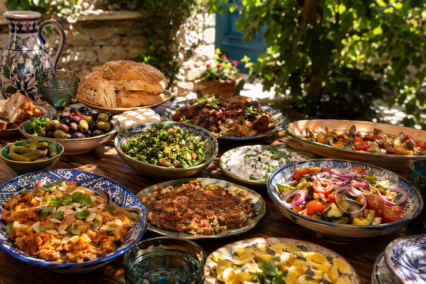
Australian diners often try north African cuisine the first time at restaurants. You will often see Moroccan venues, but there are Tunisian and Algerian flavours to get people interested too. Folks here usually begin with meals that are warming, easy to share, and full of amazing smells.
Some of the most popular dishes from african cuisine you will find in menus or recipe lists are:
-
Couscous with vegetables and meat. This is a popular choice from the Maghreb and people ask for it often.
-
Chicken tagine or meatball tagine. Both are cooked slow and packed with spices.
-
Lamb mechoui, which is roast lamb. It shows off the regional differences in the food.
Tunisian food is known for its harissa-led heat, while Moroccan dishes are filled with many spices and slow braising. Algerian dishes often use semolina, legumes, and meats, but each country has its own style. The variety in african cuisine is the reason many Australian diners stay interested and keep coming back for more.
Key Characteristics of Maghreb Cuisine
Maghreb cuisine is made with simple foods, the right amount of seasoning, and a way of cooking that gets used a lot in north african cooking. You often see wheat, legumes, olives, meats, seafood, nuts, fruits, and vegetables showing up in many dishes. The food can be filling, but it’s not heavy. The spices used are there to build more flavour and not to hide what’s in the food.
Preparation methods are really important in african cooking. People use methods like slow simmering, roasting, baking, and steaming. The way things are cooked depends on the dish or where you are. In the next sections, you can learn more about how flavour gets made and what makes maghreb cuisine stand out from other food traditions nearby.
Common Flavours and Cooking Methods
Lots of dishes from the Maghreb start with the same basics. People use olive oil, onions, some fresh herbs, and different spices. In african cuisine, the tastes might be earthy, warm, light, or have a bit of heat. You often get lemon juice or even preserved lemon with savoury meats, grains, or legumes.
Spices you’ll find a lot in North African food include:
-
Ras el hanout, which is a well-known mix used in moroccan dishes. It adds great depth and aroma.
-
Cumin, coriander, paprika, turmeric, saffron, ginger, cayenne pepper, cloves, caraway, and allspice.
-
Fresh herbs like parsley, coriander, and peppermint, which people often add to give dishes a nice lift.
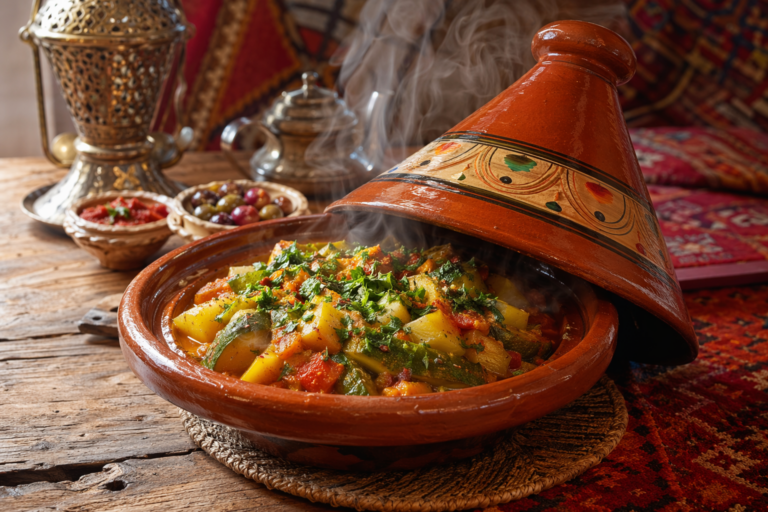
How you cook food matters too. Couscous comes from wheat semolina. A tagine is a clay pot used in this region. In Morocco, tagine is what they call a stew that cooks slowly. In Tunisia, a tagine is more like a baked meal, a bit like quiche. The way they cook food in each place changes the texture and taste.
Comparing Maghreb Cuisine with Other Regional Foods
If you already enjoy food from the middle east, some Maghreb flavours may seem close at first. That makes sense. The cuisine has Arab influences and shares some ingredients and techniques with nearby regions. Still, the food of North Africa has its own identity.
What makes it unique? The answer sits in the mix. The maghreb region combines Berber, Mediterranean, Arab, Ottoman, and European touches. Preserved lemons, oil-cured olives, couscous, and country-specific tagines help set it apart. Regional differences across North Africa also shape how heat, texture, and grains are used.
|
Feature |
Maghreb cuisine |
|---|---|
|
Core region |
North Africa, especially Morocco, Algeria, Tunisia, Libya, and Mauritania |
|
Key staple |
Couscous made from wheat semolina |
|
Distinctive elements |
Preserved lemons, oil-cured olives, harissa, ras el hanout |
|
Cooking style |
Slow stews, roasting, baking, bread making, semolina-based dishes |
|
Main influences |
Berber, Arab, Mediterranean, Ottoman, and European |
Essential North African Ingredients Found in Australia
You do not need a special store to start cooking north african food in Australia. Many main things you use are already common here. You will know olive oil, chickpeas, dates, herbs, lamb, and semolina products. These are used in a lot of african recipes, from soups to baked food.
The true taste comes from the main spices and pantry foods kept in jars. These give each dish its own feel and help simple ingredients taste rich and full. Next, we will see what seasonings and pantry foods make up everyday cooking from the Maghreb.
Signature Spices: Ras el Hanout, Harissa, and Beyond
When you think of Maghreb flavour, ras el hanout and harissa paste often come to mind first. This is a good place to start. Ras el hanout gives a deep spice taste, while harissa brings heat and richness, which you find a lot in Tunisian dishes.
You will see these seasonings and flavours used often:
-
Ras el hanout gives a warm and nice spice to meats, couscous, and stews.
-
Harissa paste, which is tied to Tunisia, gives bold heat and a strong kick.
-
Cayenne pepper, cumin, paprika, coriander, turmeric, saffron, ginger, and cloves are common as well.
These tastes sit with savoury things and do not cover them up. In day-to-day cooking, people use spice blends with olive oil, herbs, or sometimes tomato sauce. This is why North African seasoning feels complete and not just hot.
Staples in the Pantry: Couscous, Chickpeas, and Dates
Everyday north african cooking is based on having a pantry that is both handy and full of flavour. Couscous is the most well-known food. It comes from wheat semolina and sits at the heart of the cuisine of the maghreb. You’ll often find it served with vegetables, meat, and sometimes nuts or sweet toppings.
Chickpeas are also very important. They help thicken up stews, soups, and sides. Dates bring out sweetness and depth, especially when you mix fruit with savoury things. These foods really show what the region grows, trades, and values.
You also get other legumes like fava beans and lentils showing up in dishes. They make meals that fill you up without costing a lot. This is why so many of these foods fit in with australian cooking too. People know them, they keep well, and they can be used in lots of everyday meals.
Iconic Dishes From Morocco, Algeria, and Tunisia
Some dishes stand out for a whole area. The Maghreb is home to a few of these. In moroccan cuisine, you will find the tagine or couscous to be well known. If you look at african cuisine from North Africa, you will also see things like roast lamb, soups, eggs, and pastries have a big place on the table.
These meals show that one north african dish is not always the same every time you try it. For example, the tagine in Morocco is not just like the tagine you get in Tunisia. That small change is what people like, especially in Australia, when they try north african dish for the first time.
Couscous and Tagine: Staples on Australian Tables
Couscous is one of the most well-known dishes from north Africa. It is made from wheat semolina and people often eat it with some veggies or meat. In the Maghreb, couscous is a main food, not just something on the side. That is a great way to see why more Australians want to try this food.
Chicken tagine matters just as much. The name “tagine” is about the clay pot for cooking, but also the dish that goes inside. In Morocco, chicken tagine is a slow-cooked stew. In Tunisia, tagine is cooked until it is firm and you can cut a slice off.
On Australian tables, these foods really work because they are filling and easy to change up:
-
Couscous goes well with lamb, chicken, seafood, or any veggies.
-
Chicken tagine gives that moroccan comfort food taste, full of aromatic spices and a touch of gentle richness.
-
Both are like good old hearty stews and you do not have to think about hard preparation methods.
Brik, Mechoui, and Other Meats Australians Are Trying
Many Australians now spot more food from North Africa. It is not just couscous and tagine. You may see dishes like brik and mechoui too. Brik comes from Tunisia. It has egg, tuna, onion, and parsley inside a crisp pastry. Mechoui is a lamb dish. It is known for using the whole roast animal, but there are easy ways to make it as well.
These regional specialties tell us a lot about how people in the Maghreb cook meat. Lamb is big in most places. Sometimes people also use beef, goat, fish, or seafood, based on where they live. You often get a variety of vegetables with your meal, and there may be bread or semolina sides too. These sides help make the plate full.
People on halal diets do not need to worry. Halal meats are common in this food because many in the region follow these rules. While there is no compiled list for kosher holiday dishes here, the food traditions in these places use meat, legumes, grains, and lots of vegetable-based foods. That means the meals can fit different dietary needs.
Vegetarian and Vegan Options in North African Cooking
You do not have to use meat to enjoy north african cooking. The food from this place often has legumes, grains, nuts, dates, vegetables, and herbs in meals every day. Because of this, vegetarian options and plant-based dishes feel right at home, not like an extra idea.
You will find a lot of choice in soups, stews, and grain dishes. Some recipes have only vegetables. You can make others work for you if you make a small change, like not adding yoghurt. The next parts will show these choices in north african cooking and where they stand out most.
Vegetable Stews, Legume Dishes, and Salads
Yes, you can find plenty of vegetarian options in North African cooking, and they really fit in well. A lot of meals have chickpeas, lentils, veggies, nuts, grains, and fresh herbs. This gives you food that fills you up, so you don’t feel like you are just eating a side dish for your dinner.
Here are some examples from common ingredients used in african cooking:
-
African vegetable stews with sweet potato and peanuts. These are nice and warm to eat.
-
Harira-style soup made without yoghurt. This is good if you need a dairy-free meal.
-
Legume-based dishes. You can use chickpeas, lentils, or fava beans cooked like ful medames.
These meals are tasty because north african cooking cares about things like texture and spices. Vegetable stews have a lot of taste from olive oil, spices, and fresh herbs. Legume dishes go well with semolina, bread, or rice, so they feel like that one main meal on your plate. If you want to try new african recipes, starting with this part of the food is easy and a good way to begin.
Plant-Based Proteins and Dairy Alternatives Inspired by the Maghreb
When you eat plant-based food, it is good to start with legumes. Things like chickpeas, lentils, and fava beans give you protein and fill you up without making things hard. Couscous, veggies, olives, and dates help you put together easy plates. These foods also fit in well with north african cuisine.
If you are just starting with this style, try some easy meals first. You can have a chickpea and veggie couscous bowl. You can also make a pot of lentil soup with some warm spices. There is a mild veggie stew with bread, too. All these meals help you taste what the Maghreb has to offer, but they are not hard to cook.
From what we know, you can also change up these recipes. For example, you can leave out yoghurt to make some soup dairy-free. Sometimes almond paste is used to add something special to sweet things or sauces. This shows how nuts like almonds fit into african cuisine. This makes it simple for people who are new to cooking plant-based food.
North African Sauces, Condiments, and Breads
One thing that makes north african food stand out is what you get with the main meal. Sauces, condiments, and breads bring heat, sharp taste, fresh bite, or comfort to the table. These are not just side items. At many meals, they shape the whole way you enjoy eating.
In north african cooking, you will find chilli pastes, blends of herbs, preserved lemons, and breads made of wheat used in ways that show both the daily life and the habits of the people there. To see this better, it helps to first look at the famous condiments, and then at the breads people use with them.
Harissa, Chermoula, and Preserved Lemons
Some sauces and condiments in North African food are easy to pick up on once you know what they do. Harissa paste has chilli heat. It adds bold flavour and a deep red colour. Preserved lemons give a salty, sharp hit. They stand out and make the whole dish brighter. Fresh herbs help lift heavy meals. They leave your mouth feeling clean after you eat.
Key flavour boosters are:
-
Harissa paste, which comes from Tunisia, to bring heat and a strong colour.
-
Preserved lemons, a key idea in Maghreb meals.
-
Chermoula-style mix, made with lots of fresh herbs and bold smells.
These condiments matter because they give clear contrast. When you add preserved lemons to a rich stew, it gets a nice, bright finish. Grilled or roasted foods gain more when you add herb-based mixes. Depending on the dish, you might also use tomato sauce for extra taste in the main base. All these parts together make a meal feel rich and whole, even if they are simple foods.
Flatbreads, Semolina Loaves, and their Cultural Significance
Bread is a big part of life in north africa. Wheat is one of the main foods people eat, and it is used for all kinds of bread, from flatbreads to bigger loaves. That khobz-style bread and food made with semolina show why north african food feels so filling and good.
You can really see the cultural significance of bread at the table. There is usually bread sitting with stews, roasted meats, soups, and any meal you share. People use bread in a lot of ways: to scoop food, to dip in sauces, or just to help make a meal go around for everyone. It does not just do a job for your meal. Bread also brings people together. That is a big thing in north african food.
In Australia, this way of eating bread makes north african food, and african food in general, stand out. It is not about having just one main thing on the table. The whole meal has north african staples like semolina, different condiments, olives, tea, and even sweet treats. That way of eating, with everyone sharing lots of food, helps give the cuisine its cultural significance and helps it last for a long time.
Conclusion
North African food brings bold new tastes and food traditions to Australia. It makes the food scene more lively with special dishes and hand-picked ingredients from the region. People from North Africa have brought their well-known meals like tagines with spices and couscous that is full and filling. There are also many vegetarian and vegan plates to pick from, which means there is something for all tastes.
When you enjoy these great flavours, you not only get a piece of the Maghreb in your meal, but you also help bring people and cultures together through food. That way, african cuisine can be about sharing and coming together, not just what is on your plate.
Why not try some of these dishes and find out more about their deep roots? If you want to learn more, you can visit a north african restaurant close to you or try making some of these foods at home yourself.
Frequently Asked Questions
What makes North African food unique in Australia?
North african food is easy to spot in Australia. The cuisine of the maghreb brings together couscous, preserved lemons, olives, aromatic spices, breads, and slow-cooked dishes. All of these are often served at the same table. This is what makes north africa food different and lets people taste something new but still feel a little bit of home. African food from the maghreb region gives african cuisine a taste that is both warm and fresh, thanks to all those aromatic spices.
What are the best North African dishes for beginners to cook at home?
Good dishes to start with are couscous with vegetables, a simple chicken tagine, lentil soup, or a mild vegetable stew. These north african recipes use easy preparation methods. They also have ingredients you can find at the shop. You get to know moroccan cuisine and other african recipes this way, without making north african food seem hard.
Are there North African recipes suitable for kosher or halal diets?
Yes, halal meats are already common in north African cuisine. That’s because many people in the region are Muslim. The information we have does not give a list of kosher holiday dishes. But african cooking from this area uses grains, legumes, vegetables, and meat meals. These things can fit kosher needs too, just like some middle eastern cuisine.