Key Highlights
-
Pakistani food brings together rich curries, rice, breads, kebabs, vegetable dishes, and lively street foods.
-
Chicken karahi is one of the most loved Pakistani dishes and many people in the country enjoy it as a top pick.
-
The food you get depends on which parts of Pakistan you are in, because every place has its own type of local cuisine and way of cooking.
-
Aromatic spices like cumin, coriander, and cardamom are important in Pakistani cooking and give it a great taste.
-
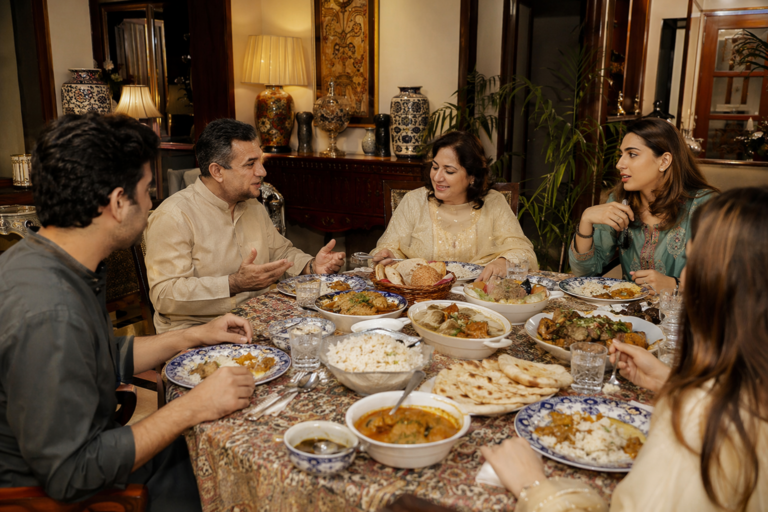
Pakistani households make sure to include meat dishes, rice, naan, chutney, vegetables, fruit, and tea when they eat.
-
When you try food from bazaars or sit with family for a meal, Pakistani food comes across as generous, full of bold flavour, and with a strong sense of tradition.
Introduction
Pakistani food has so much more to offer than just a few types of curries. The food comes from a rich food culture made up of migration, trade, home cooking, and people in every region. If you are in Australia and want to get to know the most popular Pakistani dishes, start with the classics like chicken karahi, biryani, pulao, kebabs, meat curry, dal chawal, and aloo gosht. Pakistani dishes taste hearty, they smell great, and are meant for people to share. That is what makes them stand out and loved by so many.
Exploring the Essence of Pakistani Cuisine in Australia
For many Australians, pakistani food might seem a lot like indian cuisine at first. If you know indian food, you may notice some things are quite close. But pakistani cooking has its own way of doing things. It is shaped by different regions, the people who live there, and a long past where many groups have mixed.
In many pakistani households, the meal is about finding a nice balance. Rice usually goes together with dishes that have a lot of gravy. Naan or roti is often eaten with meats that are not so wet. There will be some vegetables on the side, and a bit of chutney brings a new taste. This way of sharing food helps you see why pakistani food feels both cosy and layered. The sections after this will talk about where these special touches really come from.
Heritage and Cultural Influences Shaping Pakistani Food
Pakistani food has grown at a crossroads. The country sits right between big food regions. It shares borders with Afghanistan, China, India, and Iran. This spot helped shape what we now call traditional Pakistani food. Over a very long time, trade, people moving, and sharing ideas built this way of cooking.
The story of this food goes back to the Indus Valley and moves on through different times. This includes when Islam came to the area. Later, the foods and ways of the Middle East and Central Asia added their own taste. You see this a lot in how people use meat, rice, grilling, and many spices in Pakistani food.
People can taste that long history, no matter if they eat at home or try roadside food. You will find ingredients like coriander, cumin, mint, saffron, and turmeric in many meals. There’s also ginger, chillies, tomatoes, herbs, and seafood where the coast meets the water. Different grains and rice also show up a lot. All together, this gives traditional Pakistani food a big, bold range that stands out.
Why Pakistani Curries Stand Out: Comparing With Indian Cuisine
It is pretty common for people to put Pakistani food under indian cuisine, but this does not show what makes it special. There is some overlap because of the history the two countries share in the indian subcontinent, but pakistani cooking is shaped by its own provinces, by migrant people, and by things that changed after Partition.
A meal like chicken karahi can make the difference clear. It is bold, simple, and built around tomatoes, chilli, and ginger. It does not try to mix in everything at once. The taste is more focused, and it feels both fresh and strong.
Pakistani curry often has a deep, savoury taste. It is cooked with meat as the main part, and it uses a blend of spices on purpose. Aromatic spices are important, but being careful not to use too much is just as strong. Chicken curry, nihari, and aloo gosht all show that pakistani food can be rich and full but still clear in taste. That is one reason why they stand out for many people.
Regional Diversity Across Pakistan
One good way to get to know Pakistani food is to look at the different parts of Pakistan on their own. This regional diversity is not just a small thing. It is one of the big reasons why the food is so wide in range and feels so full of life.
You will find coastal fish curries in the southern areas. Up in the northwest, there is grilled lamb. Each bit of local cuisine shows us more about the place, the people, and what they can get to cook with. That is why you cannot say there is just one style of Pakistani food. The parts of Pakistan below make it clear how different the national food really is.
Distinctive Flavours of Punjab
In the Punjab province, people are known for food that is big, filling and made to share with others. A usual meal in this part of Pakistan looks a lot like what you see in the rest of the country. You will find a rice dish, a meat curry, kebabs or cutlets, some vegetables, chutney, fruit, and of course, tea.
Bread is a big part of many meals too, and this is where wheat flour matters. Roti and naan go well with those drier meat dishes, while the richer meat curry sits better next to rice. This way of eating gives Punjabi-style food that big, homey feel.
You will hear people talk about makki di roti and mustard greens when they talk about the Punjab province. These meals show that the food is made to be filling, warm and full of honest flavour. For people in Australia, Punjabi food is a good way to try Pakistani cooking. It feels strong, friendly and easy to like.
Sindhi Culinary Traditions
Sindhi cuisine brings the taste of southern Pakistan, mainly by the coast. People who fish in the area catch crab, prawn, and many types of fish. These can be grilled, fried, or cooked in curries with lots of spices. That feeling from the coast makes the region stand out from others.
Rice is also a strong part of the food here. Sindhi biryani is one of the most well-known dishes. It shows how good fragrant rice can be at the centre of a meal. When there is a dawat, having well-made rice is often a must.
Sindhi cuisine also suits special occasions because it always feels generous and bright. Seafood, fresh herbs, tamarind, and plenty of bold flavours work together to bring this about. If you want to enjoy how different foods come together, the region of southern Pakistan is a good place for that. You will get a tasty example of its rich mix.
Balochi Cooking Styles
Balochi food is well known for how much it uses meat and cooking over an open fire. In pakistani food, there are many styles, but in some parts of the country, people like simple cooking with clear technique better than using many sauces or spices.
One dish called balochi sajji is a great example. The meat is cooked on an open fire. This style lets the food itself be the main thing, different from thick sauces you might find in other meat dishes, but still a big part of pakistani food.
That’s why it’s good to see how different areas do things in their own way. The way people cook changes between parts of the country because of the land, the past, and what groups of people like. In Balochi meat dishes, the taste is direct, the fire is strong, and the food says it all on its own.
Khyber Pakhtunkhwa’s Hearty Dishes
In khyber pakhtunkhwa, the food shows that the region is tough and has close links with areas over the border in Afghanistan. People like the Shinwari from the Pashtun communities keep strong traditions. They use lots of salted lamb, cook meat over charcoal, and fry meat with tomato in a big pan.
The khyber pakhtunkhwa province is also well-known for dishes like chapli kebab. This is the kind of food that brings a lot to the table. It has weight, gives you warmth, and is rich in taste, but it does not try to be fancy. You can feel the strength and down-to-earth style in every bite.
A strong meat curry or grilled dish fits the region really well. The way people cook in khyber pakhtunkhwa is often more about fire and full flavours, with a lot of focus on meat, if you compare it to other styles in Pakistan. For Australians who love bold tastes, this side of Pakistani food can stand out and be easier to remember.
Gilgit-Baltistan’s Unique Ingredients
Gilgit-Baltistan shows that pakistani food is not all the same across the country. This place does not share a border with India, and you can see the strong regional identity in its cooking. That is important in pakistani cooking.
When people talk about parts of the country that need more interest, Gilgit-Baltistan always comes up. The local cuisine here shows how the land affects what people eat, how they use spices, and what kinds of food they serve.
Even when there is a common meal with rice, meats, chutney, and tea, there is space to bring in new ideas. Vegetable dishes, what grows in the area, and special habits all add something their own. For Australians wanting to try pakistani food, this style is great to notice right from the start.
Essential Ingredients and Key Spices in Pakistani Cooking
At the heart of pakistani cooking is the simple way people use seasoning. It’s not just about tossing everything in at once. The blend of spices means you pick aromatic spices that add warmth, depth, and contrast in curries, rice, kebabs, and snacks.
Cumin seeds, coriander, and green cardamom are some of the spices you see a lot. You also get ginger, chilli, mint, saffron, and turmeric used in their everyday recipes. If you want to understand pakistani cooking, start with these staples. Then, you will notice how they change from one dish to the next.
Common Whole Spices Like Cumin, Coriander, and Cardamom
Whole spices do a lot for pakistani food. They bring flavour and give shape to pakistani dishes. If you put them in oil, you get a nice smell at once, which makes your meal even better. Whole spices can make a curry taste richer or help a rice dish stand out without feeling too packed. In many recipes, the taste and smell from these spices set everything up before you add your main item.
You often see a set group of pantry basics in pakistani food:
-
Cumin seeds add earthy warmth and are found in lots of curries, dals, and vegetable dishes.
-
Coriander brings a citrus taste that works well in both meat and rice meals.
-
Green cardamom gives a lovely smell, and you use it in pulao, biryani, tea, and sweet dishes.
You’ll also find black pepper and bay leaves turn up in savoury food quite often. These simple ingredients show why pakistani food has layers of flavour but does not get confusing. If you are starting out in Australia and want to cook pakistani food at home, the best thing is to learn how whole spices act when you cook. Give them a go with your next meal.
Signature Spice Blends Used in Pakistani Recipes
Not every dish relies on the same seasoning mix. In Pakistani recipes, the blend of spices changes depending on whether you are making a curry, rice dish, snack, or finishing garnish. That flexibility is one reason the cuisine feels so varied.
Two names come up often: garam masala and chaat masala. Garam masala usually adds warmth and depth near the end of cooking, while chaat masala gives snacks and street foods a punchy, lively finish. Each has a different job.
|
Spice blend |
How it is used in Pakistani food |
|---|---|
|
Garam masala |
Added to curries, meat dishes, and some rice recipes for warm, rounded depth |
|
Chaat masala |
Sprinkled over snacks and street foods for a sharp, savoury lift |
|
Dish-specific blend of spices |
Adjusted to suit chicken curry, kebabs, biryani, or vegetable sides |
Once you see spice blends as tools rather than fixed formulas, Pakistani cooking becomes easier to approach at home.
Aromatics, Herbs, and Fresh Produce
Spices are important in Pakistani food, but they’re just one part of it. To get real flavour, you also need aromatics and fresh ingredients that add brightness and a bit of a kick. This helps even rich meals taste lively and nice, not too heavy.
Here are a few things you often find in these dishes:
-
Fresh herbs like mint will lift up chutneys, rice dishes, and seafood. These greens keep everything tasting fresh.
-
Green chillies bring heat and a fresh kick, especially in curries such as chicken karahi.
-
Pomegranate seeds are tossed on top of chaat and snacks to give a sharp, fruity balance.
Tomatoes, ginger, onions, and tamarind are also key in the kitchen for many meals. If you’re having fish or prawn curries on the coast, herbs and tart tastes make the dish stand out. At home, these fresh extras help make the final flavour, sometimes even more than the dry spices in the cupboard. Pakistani food is all about using fresh herbs, green chillies, and pomegranate seeds to bring every meal to life.
Signature Curries and Main Courses
If you want to know how to make classic Pakistani curries, it helps to start with what kinds of food you’ll find in a meal. A usual meal will have a meat curry, a rice dish, kebabs or cutlets, some vegetable dishes, chutney, fruit, and tea.
In a meal like that, chicken karahi, chicken curry, and aloo gosht are main picks you will see often. Most Pakistani chicken recipes use things like tomatoes, ginger, chilli, and some basic spices. You don’t need to know fancy ways to cook them. The next few dishes show how all these things fit together in the meal in new ways.
Popular Chicken and Beef Curries
Chicken karahi is seen by many as the national dish, and it’s clear why. This dish shows the heart of Pakistani cooking. Tomatoes, chilli, and ginger give it a real punch of flavour. The taste is strong, lively, and goes perfect with naan.
Chicken curry is also a meal that many families have most days. You’ll find it right there with dal chawal and other common meals. It helps you see what people eat at home, not just what’s served at restaurants. Those home-style meals have their own feel.
If you’re after something different, aloo keema is worth a go. This dish puts together minced meat with potatoes in a way that’s simple and classic. Anyone starting out in Australia might use an instant pot, too. Still, what makes it special stays the same: plain spices, slow cooking, and food made to be shared.
Classic Lamb and Goat Dishes
Aloo gosht is one of the best-known meat dishes out there. It puts mutton and potatoes together in a gravy that is both simple and hits the spot. This dish says a lot about what Pakistani comfort food can be like.
In lots of homes, lamb or goat is cooked with a blend of spices. It’s not about fancy toppings. The goal is to bring out good flavours in the meat, and then serve it with rice, warm naan, or roti. The texture and what you pair with it are just as important as the taste.
You can get lamb cooked in other ways too, like salted on skewers over hot charcoal, or fried with tomato in the northwest. This variety shows how pakistani cooking works with red meat in so many good ways. The food can be slow-cooked or fast over a fire, but it always feels like a full, honest meal.
Must-Try Vegetarian Curries
Meat is often what people talk about most, but there are always vegetable dishes on the table too. They help balance stronger mains and make your meal feel just right. So, when we talk about pakistani food, vegetarian curries are not something extra. These vegetable dishes fit in as a normal part of pakistani cooking and our everyday meals.
Here are a few good options for beginners:
-
Bhindi masala is made using okra, tomatoes, and onions. It goes really well as a side to curry.
-
Aloo palak gives you potatoes and spinach mixed together. It’s a simple pick if you want to try cooking pakistani food for the first time.
-
Mixed vegetable curry lets you use what you have on hand, and it still tastes like a real home-style recipe.
These dishes help you make something authentic but with less work, as you do not have to start off with meat. They go nicely with roti made from wheat flour. Add fresh herbs at the end if you want a bit more flavour. For Australians who want to try pakistani cooking, beginning with these is a good idea.
Iconic Pakistani Street Foods for Australians
Street foods show a different side of pakistani food. They are quick, strong, and full of contrast. When we talk about home meals in pakistani households, they are about balance and looking after people. But street snacks bring excitement, crunchy bits, and bold toppings that make you keep going back for more.
A lot of these favourites are seen at get-togethers and parties at home, too. You will find things like tamarind chutney, a mix of spices, fresh herbs, and crunchy pastry. If you are in Australia and want an easy way to try pakistani food, street foods are the best place to start.
Samosas, Pakoras, and Chaat Varieties
Pakistani snack culture is all about mixing things. You get a crisp outside, soft inside, a bit of sour chutney, and fresh toppings all in one bite. That’s why these snacks feel so lively, no matter if you eat them at a market, someone’s house, or a family get-together.
Here are a few must-try options:
-
Samosas, with their crispy pastry and tasty filling, are a simple and popular street food.
-
Pakoras have a crunchy bite and give a warm feeling, especially when you get them fresh and hot.
-
Chaat has different styles, and it really stands out with chaat masala, tangy tamarind chutney, and lots of extras on top.
Some types have pomegranate seeds to add more tang and texture. What makes these snacks stick in your mind isn’t just the spice, but how heat, sour, crunch, and softness all come together in one mouthful. For Australians, they show an easy and fun way to try out the flavours of Pakistan.
Seekh Kebab, Chapli Kebab, and Grilled Specialties
Grilled foods are a big part of street foods in Pakistan. They have a smoky taste that shows how the way you cook changes the flavour. You can spot the difference as soon as the meat hits charcoal or high heat.
Three top picks stand out:
-
Seekh kebab is a classic grilled option. It works well for a snack or a full meal.
-
Chapli kebab is all about big, meaty flavour from the northwest.
-
Food cooked on an open fire brings back old ways of making meat over flames.
These street foods are tasty because the seasoning stays simple, and the grill adds its own magic. People in Pakistan love them on the roadside and at big meals. In Australia, these are often the dishes that get new people to come back and eat again.
Famous Pakistani Rice and Bread Dishes
Rice and bread are at the centre of most Pakistani meals. People usually eat rice when there is a dish with a lot of gravy. Drier foods are eaten with naan or roti. This simple way of serving food helps the meal make sense and be easy to put together.
When it comes to the most loved traditional meals, biryani and pulao are the top rice choices. Naan and paratha are breads that people enjoy almost every day. Both wheat flour and fragrant rice have big roles on the table. These basics are a part of big feasts and the usual family dinner.
Biryani and Pulao: Fragrant Rice Delights
Biryani is one of the top Pakistani dishes, and there’s a good reason for that. The dish is full of spice, hands you great scent, nice texture, and brings a feel of celebration, all in one pot. If you go to a big meal, it is common to see a tasty rice dish on the table. This is why biryani keeps its big spot in Pakistani food.
Pulao is a bit different when it comes to rice. It comes with a light scent. It is more soft and controlled, but just as key. Afghan dishes like kabuli pulao have found their home in Pakistani dishes. This is because of people moving from one place to another, swapping ideas, and bringing new tastes into what they cook and eat.
Sindhi biryani really stands out. It shows how some rice dishes tell you about the place and people who make them. In Karachi, you see lots of versions of biryani. These changes come from people moving and bringing new plans for food. For Australians who want to try pakistani food, both biryani and pulao are a great way to start.
Naan, Paratha, and Other Breads
Bread is not just something extra in Pakistani meals. It changes the way you eat your food. There are drier meat dishes that people like to have with roti or naan. Curries are great when you use soft, fresh bread that comes straight from the pan.
Common breads include:
-
Naan. People often serve warm naan with curries and kebabs.
-
Paratha. This is a richer bread, good for breakfasts or when you want something more special.
-
Roti. This is made out of wheat flour. It is a go-to bread for everyday meals in most homes.
Pakistani food lets you eat with your hands. You pull off a bit of bread, scoop up food, dip it, and share with others. This makes the meal feel more friendly and close. If you live in Australia and want to try pakistani food at home, knowing when to use rice and when to pick bread helps your meal taste more real straight away.
Sweet Treats and Desserts From Pakistan
Dessert is not usually the main part of an everyday meal in Pakistan. People there often finish with fruit and tea instead. Sweets are more for guests, family get-togethers, or big events and festivals. Because of this, they feel special, but they do not come after every dinner.
Even so, there are some sweet Pakistani dishes that many people really like. There are well-known favourites such as jalebi and gulab jamun. You will also find creamy desserts and drinks like doodh patti chai served with these meals. Even black tea is important, especially when you want to be kind to others.
Traditional Sweets Like Jalebi and Gulab Jamun
Yes, there are famous Pakistani desserts. The two best-known are jalebi and gulab jamun. These sweets are an important part of the traditional food people eat there. They are closely linked to welcoming guests, getting together with friends and family, and celebrating big moments.
In Pakistan, desserts are not usually eaten after every meal as a rule. Instead, sweet foods show up when there is a special event. These treats are seen as a way to show care and invite people in.
This pattern also fits with how people in Pakistan eat meals from day to day. Most usual meals will end with fruit and tea. The sweeter desserts are saved for special times. If you want to help Australians understand, Pakistani desserts are not just about sweetness. They are about welcome, sharing, and the right timing. They have a strong place in their traditional food.
Creamy Desserts and Festival Favourites
Not every sweet finish has to be a sugary dessert. In Pakistan, creamy drinks and tea-based snacks also help to give people that feeling of comfort. In the home, that mix of everyday hospitality and a festive mood often comes together in these drinks.
A few favourites are:
-
Doodh patti chai, a smooth and rich milk tea that feels even better when you share it with friends or guests.
-
Tea made with black tea and tea leaves, served after a meal or on the side with sweets.
-
Bakery-style cakes that you now see more as Pakistani kitchens and shops become more open to the world.
These drinks and snacks show that dessert time doesn’t only mean what is on a plate. For a lot of families, having a hot cup of tea means as much as a classic sweet. If you are in Australia, you can see that Pakistani entertaining is easy to like. It is simple, welcoming, and helps people stay at the table to talk just a bit longer.
Conclusion
To sum up, trying out the world of Pakistani cooking is more than just tasting good food. It is a way to enjoy the rich history and feel a part of a big old culture. The foods, from curries full of flavour to fun street foods, all have their own stories. These foods also show how different each spot in Pakistan can be. You can make a big biryani at home or cook sweets like gulab jamun. There is so much for you to find in your own kitchen. If you want to learn more about this great food journey, you can book a free chat with our experts. They will help you get the basics of Pakistani cooking and show you how to bring these special tastes into your home.
Frequently Asked Questions
What are some easy Pakistani recipes for beginners?
For beginners, pakistani cooking is easy when you start with simple recipes. You can try pakistani chicken recipes like chicken curry or chicken karahi. There are also some good vegetable dishes, such as bhindi masala and aloo palak. You can add roti made with wheat flour if you want. Many people now use an instant pot to make these dishes as well.
Where can Australians find authentic Pakistani restaurants and food stores?
In major cities, you can find more pakistani food because there are more restaurants, grocers, and strong community links. If you ask pakistani households for tips, you will get good recommendations for local cuisine. This could be curry houses, places for kebabs, biryani, and spots with popular street food.
What tips can help Australians cook Pakistani food at home?
Start with a small blend of spices, not too many at one time. Try to use aromatic spices like cumin, coriander, and cardamom. Add fresh herbs at the end to make the dish brighter. Keep the way you cook it simple and easy to repeat. You do not need to follow a complicated similar manual process. This way, you get lots of flavour, good balance, and health benefits.