Key Highlights
-
Sami food is closely tied to sami culture, the changing seasons, and how people live up in the far north.
-
Reindeer meat is at the heart of many traditional dishes and shows the deep respect for reindeer husbandry.
-
Fish, game, root vegetables, wild berries, and wild plants make up the basics of Arctic cooking.
-
In the nordic countries, dishes like suovas, gurpi, blood pancakes, and bidus really stand out.
-
Eating based on the times of year, finding food in nature, smoking, and cooking over fire are big Sami methods.
-
Australians can try the flavours of sami food at home or out at a Nordic restaurant.
Introduction
The Sami people are one of the world’s indigenous peoples. Their food tells you a lot about where they live, the weather there, and how people get by. Arctic cuisine in Sami life is made up of what they find in nature. They use reindeer, mountain fish, and plants or berries they gather when the time is right. If you want to know about traditional meals from the north, this guide gives you a clear look. You will find out about the ingredients, the ways they cook, and the food customs that are all still important to Sami life now.
Foundations of Sami Cuisine for Australians
Sami cuisine is a part of sami culture because it comes straight from the cold climate, the way people move, and what is there to use in the Arctic. Traditional food is not different from daily life. It is made from things like herding, fishing, looking for wild foods, and keeping food that will last during the cold months.
For people in Australia, that means arctic cuisine is easy to get in at least one main way. It is about being useful, going with the seasons, and being close to the land. The parts below show how Lapland, reindeer, fish, and wild foods give shape to this old food tradition that uses the available resources.
Arctic Heritage and Lapland’s Influence on Sami Food
Lapland and the far north have shaped Sami food in big ways. In this part of the world, the climate is tough and cold. The growing season is short. So, people here use what they can catch, pick, or keep for later. That is why Arctic ingredients are so important.
In northern Norway and the Sami areas around it, food comes from reindeer, mountain fish, and wild plants. People did not pick these foods at random. They took what they could get from nature. They followed the seasons and changed with them.
The Sami are one of the world’s indigenous peoples. Their love for local food shows in everything they cook. They use open fire, and they try to use every part of the animal. The food here is full of history. You can taste the past in every bite.
Connection Between Sami Culture and Daily Meals
Daily meals in Sami communities have always been shaped by the work they do, the weather, and how much they move about. Sami culture is strongly linked to the land. The food they eat has to be what is close by and what will last a long time without going off. This made each meal simple, but it also meant a lot.
For most people and families, reindeer husbandry, fishing, and foraging are not just extra things they do. These things are right at the heart of their way of life. Because of that, traditional Sami dishes have come about because people needed them, not just for special days or big events. Sami food has to fill people up and keep them strong during the long, cold winters.
You can still see this in today’s popular Sami dishes, like suovas, mountain fish, and meals using wild berries. Each dish shows how daily meals are meant to help people travel, get on with their work, and spend time with others. In Sami food, you get to see culture in every choice that’s made.
The Importance of Seasonal Eating in the Arctic
Seasonal eating is key in Arctic food traditions because the land can change quickly through the year. There is a short summer, and this gives people only a small time to pick and get ingredients that will help them in the months after. That pattern sets the way people cook and plan.
In Sami kitchens, they use what is around in nature at that time. Wild plants, wild herbs, berries, fish, and meat need to be handled with care because there is no room for waste in the cold. Seasonal eating is not a new thing here. It is a way of living that goes a long way back.
-
The short summer gives people the chance to pick wild herbs and wild plants.
-
Berries and other fresh foods are used right away or can be kept for later.
-
When it’s colder, people eat more smoked, dried, or stored traditional meals.
This seasonal way is why Sami food feels so tied to a certain time and place.
Essential Sami Ingredients: Nature’s Arctic Pantry
The main ingredients in sami food come straight from nature. Reindeer meat is in the centre of the table, but it’s not the only thing that matters. People also use mountain fish, game, wild berries, wild plants, and root vegetables in arctic cuisine.
What makes the food stand out is how much it is linked to place. The food is local and only comes in certain seasons. People in the north make use of what is there, so it’s shaped by the land and the available resources. If you want to know more about sami cooking, it’s good to look at each main ingredient group and how they get used.
Reindeer Meat: Tradition, Symbolism, and Culinary Uses
Reindeer meat is one of the best-known foods in Sami cuisine. Reindeer husbandry has been really important to Sami communities for a long time. So, the animal is more than just food. It holds cultural value and shows a close link between food, work and Sami identity.
This meat stands out for its lean and flavourful quality. You will find it in many traditional Sami dishes, like suovas, gurpi, and slow-cooked stews. A traditional way to prepare suovas is to salt it and cold-smoke the meat lightly. Then they roast it over an open fire and serve it with bread.
There is a deep respect for reindeer in cooking. People use different parts of the animal, which shows care and a practical way to cook, instead of wasting anything. This makes reindeer meat central for not just meals but also for understanding Sami life and culture.
Fish and Game: Their Role in Sami Diet
Fish and game play a strong role in the Sami diet because they broaden the food base beyond reindeer. In northern regions, local food choices had to match landscape and season. That made mountain fish a dependable and valued part of many meals.
The compiled information highlights mountain fish as essential to Sami cuisine. Arctic char is one well-known northern fish linked with Arctic cooking, and it represents the kind of cold-water catch that suits this food tradition. Game meat also fits the wider pattern of using nearby ingredients.
|
Food group |
Role in Sami diet |
|---|---|
|
Mountain fish |
An essential part of Sami cuisine and a steady local food source |
|
Arctic char |
A well-known northern fish linked to Arctic food traditions |
|
Game meat |
Supports a practical diet built on main ingredients from the land |
Together, fish and game show how Sami meals depend on variety, locality, and seasonal access.
Berries and Wild Plants foraged in Northern Regions
Foraged foods make Sami meals fresh and well-balanced. People gather wild berries and wild plants from northern lands. Then, they use them in everyday food and in special sami dishes. These things add colour, a sharp kick, and handy nutrients to foods that might be heavy or smoky.
These wild ingredients matter too because of what they give to the food. It’s tough up north. Wild berries have vitamin C, which helps people stay healthy. Root vegetables give solid comfort in many traditional Sami dishes, and they fill you up as well. Lingonberries are one example, because people have them with blood pancakes and suovas.
-
Wild berries bring brightness and vitamin C to your meals.
-
Wild plants support seasonal cooking and local variety.
-
Root vegetables help round out hearty traditional Sami dishes.
That mix of what people gather and what they store is what makes Sami cuisine taste good. This also helps it stay strong when times get hard.
Spices and Seasonings Unique to Sami Cooking
Sami cooking does not use a lot of strong spice mixes. Instead, the flavourful quality in these dishes comes straight from the main ingredients. Things like reindeer, fish, berries, and smoke give the food their own strong tastes. That means the seasoning in sami cooking stays simple.
When there are available resources, people sometimes use wild herbs and other plants they can gather. Salt is also very important for dishes like suovas and gurpi because it helps make the food last longer and taste better. In a lot of sami cooking, smoke is almost like a seasoning too.
Some dishes get a small boost from extra things. For bidus, you might see brown sugar, leeks, caramel colouring, or dried reindeer fat or meat added to up the flavour. So while sami cooking uses simple seasoning, it always connects with the main ingredients and what people can get from the land.
Reindeer Traditions: Herding, Sustainability, and Cuisine
Reindeer herding is very important to many Sami food traditions. For Sami reindeer herders, the work they do with reindeer is more than a job. It is a big part of the culture, their identity, and their way of living together. It also shapes what people eat.
These reindeer herding traditions are important for people in other ways too. All this shows that Sami culture and rights have special protection in Swedish law. This helps people see how these ways are important. Next, we will talk about herding, how food is prepared, and dishes made for celebrations.
The Art of Reindeer Herding in Sami Culture
Reindeer herding is a big part of Sami culture. This way of living has shaped how people move, work, and eat up in the north. For reindeer herders, their herd is more than just animals. The herd helps answer everyday needs and also means a lot to who they are.
There is a close link between reindeer herding and Sami meals. When the Sami people rely on reindeer, they learn from others over many years about how to use this animal for food. That includes how to prepare the meat, keep it good for longer, and how to make use of every part.
The information gathered also talks about places where you can meet Sami people and find out more about reindeer herding by seeing it with your own eyes. This is important because the food is easier to understand when you also see the bigger Sami culture behind it.
Traditional Methods for Preparing Reindeer
There are a few old ways to make reindeer in Sami cooking. One way is suovas. For this, they use salted reindeer meat that is a bit cold-smoked. They then roast it over an open fire and serve it with bread. This way keeps the flavour clear and good. It is a nice choice for cooking outside.
Another option in Sami food is gurpi. This is a type of sausage made from salted reindeer mince. The mince gets wrapped in reindeer tripe and then cold-smoked. People slice it and fry it. Gurpi works well both in old styles and in new ways of cooking. It shows how Sami people use more than one part of the animal.
Reindeer blood is also popular. There are blood pancakes which are cooked by mixing reindeer blood with flour. These blood pancakes are typical in Sami cooking. People often eat them with suovas and raw mashed lingonberries or with lingonberry jam. It all comes together to make smokey, savoury and sour tastes.
Celebration Foods and Festive Reindeer Dishes
Some Sami foods are strongly linked to gatherings and big moments in life. Bidus is a good example. It is a slow-cooked reindeer stew with carrots and potatoes. People often have it at confirmations, weddings, and other celebrations.
That is why many call it one of the best-known festive reindeer dishes. The recipe is quite simple, but the flavour can change depending on who makes it and the day it is cooked. That helps give this traditional food a touch of the person making it. The basics stay the same, but there is room to make it your own.
-
Bidus is a classic choice for confirmations and weddings.
-
Blood pancakes can feel extra special when served with suovas and lingonberries.
-
Suovas and gurpi are traditional reindeer dishes that people like to share at meals.
These special Sami dishes show that foods we have during celebrations can use everyday things too. The way they use simple ingredients helps hold on to the feel of classic traditional food.
Signature Sami Dishes Australians Should Try
If you want to try real Sami dishes, start with the foods that you hear about most in northern food traditions. Some dishes stand out because they use reindeer, fish, and old ways to keep food fresh, just like people use in other Nordic countries.
For Australians, these traditional dishes make it easy to get into Sami cooking. You do not need to try many meals. A few important dishes and foods are enough. They show the taste, story, and simple ideas behind Sami food.
Must-Try Stews, Sausages, and Dried Meats
A few hearty foods give you a good idea of what Sami cooking is all about. Bidus is one stew you have to try. It has reindeer meat, carrots, and potatoes. All of these get cooked slowly together. It is often given with a sweet bread that has raisins in it.
Suovas is another key thing to taste. This is salted reindeer meat that is smoked a bit while still cold. You will find it is a basic part of their cooking. People usually eat it with bread. Gurpi is worth a try too. This type of sausage is made from salted reindeer mince wrapped in reindeer tripe. It gets smoked cold and is later fried in thin slices.
-
Try bidus if you are after a warm and festive stew.
-
Choose suovas when you want that smoky flavour of reindeer meat.
-
Look out for gurpi if you want to try one real standout traditional food.
These dried meats, sausages, and stews really show off the heart of Sami cuisine. You get a real taste of their food and life.
Iconic Fish and Berry Recipes
Fish and berries are common in many Sami meals. You may not always find one recipe that is most well-known, but these foods show up a lot. Mountain fish is a key part of Sami cooking. This shows how much the people value what comes from their northern waters.
Arctic char is a good kind of fish often used in this cooking style. If you want to make a simple dish at home, just keep things clean and easy. You can pair the fish with strong berry tastes. That is in line with the Sami way, which is to let the main ingredients stand out.
Wild berries play a big role as sides in these meals. Lingonberries are often put next to blood pancakes and suovas. You can serve them raw by stirring, or as jam. So, if you wish to try a well-known taste match at home, start with fish or smoked meat with tart berries. It is a good way to bring the flavours of Sami meals to your table.
Vegetarian and Adapted Options in Modern Sami Meals
Traditional Sami food is mostly about reindeer, fish, and other meat. For this reason, classic vegetarian dishes are not often seen in this cuisine. But, there are now modern kitchens that make new styles by using Sami food ideas and different ingredients.
Australians who cook at home can bring some of these new ideas into their meals. They can use root vegetables, berries, and some herbs that taste wild. It is best to keep things simple. The aim here is not to swap out all the main Sami ingredients. Instead, it’s about using what you have to create a meal that still feels local and matches the Sami spirit.
These new styles in vegetarian dishes show how food changes over time. With these recipes, more people can cook Sami-inspired food at home, even if they can’t get all the traditional bits. The most important thing is to stay true to the heart of sami food—where it comes from, what’s in season, and using only what you really need.
Foraging, Preservation, and Cooking Techniques
Sami food is about a lot more than just what goes into each dish. The traditional way of finding, keeping, and cooking food plays a big part in everything. Foraging is how people get berries, herbs, and plants. Keeping food safe to eat means using special ways to store it so it can last through long, cold times.
When it comes to making a meal, cooking over a fire means a lot in Sami food. Open fire, smoke, drying, and careful use of what is around in the area all help build the taste. The next parts will show how these methods help with both living and making food taste good.
How Wild Foods Are Gathered and Used
Foraging brings a special seasonal touch to Sami cooking. People collect wild berries and wild plants from the land when the timing is right. These are used fresh or put into simple meals in easy ways. This helps keep sami food linked to the place and the time of year.
Life up in the Arctic is all about using what is around. Getting food from the land is not only smart, but it also matters a lot to Sami culture. It also gives some peace of mind, knowing that there are good ingredients nearby when the short growing season comes. This way of thinking is a big part of northern food traditions.
-
Wild berries may be eaten fresh, stirred raw, or turned into jam.
-
Wild plants and herbs can add seasonal variety to simple meals.
-
Foraging supports a food system based on local available resources.
So, wild foods are part of everyday Sami cooking. They are a main piece of the Sami food way.
Cooking Over the Fire and Arctic Preservation Practices
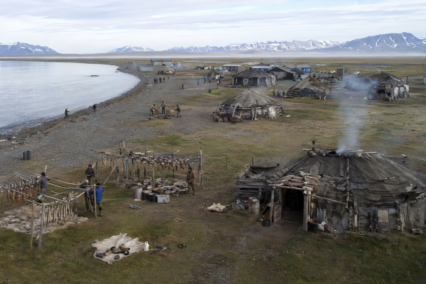
Cooking on an open fire is one of the oldest and most common ways used in Sami food. For example, Suovas is made this way. You salt the reindeer meat, cold-smoke it a bit, then roast it over the flames. This gives warmth and brings out the flavour, which works well in the northern outdoors.
Arctic food needs to be kept safe, too. Cold-smoking, salting, and drying food helps when you can’t get fresh stuff. The information here doesn’t show every step, but it’s clear that smoking and curing are important in making traditional food.
Reindeer meat is low in fat, has good flavour, and is a top choice for these methods. People dry the meat on wooden racks, which is part of how people in the north keep food. This matches what the Sami want—to use what they have well and avoid wasting any of it.
Seasonal Adaptation in Sami Kitchens
Seasonal adaptation has always shaped how Sami kitchens work. Traditional meals change with what people can gather, catch, or keep during each season. With a short summer, every part of the year makes a difference in what is on offer or what needs saving.
This way of cooking shows a lot of flexibility. The menu is set more by what is available than by set ideas. That is why a stew or smoked meat can taste different each time you have it. Even bidus is known for never tasting exactly the same.
Over time, new foods and modern ways of serving have found a place in Sami cuisine. But the main idea is still the same: use local and available resources, adapt with the season, and centre traditional meals around what comes from the land.
Sami Food in Contemporary Australia
Sami food comes from the north, but people in Australia can connect with it through ideas, not just what goes in. In modern kitchens, the best things to learn are using food in the right season, keeping things simple, and showing respect for local food.
When cooking with Sami-inspired ideas in Australia, you will use Nordic flavours, smoke, berries, and use meat and veggies carefully. These new styles do not take over from the original way, but they help us understand how Sami food works and its feel in a way that fits with everyday life.
Where Aussies Can Experience Authentic Nordic Flavours
If you want to get a real feel for the area, going on a trip in the nordic countries is your best bet. Information shows that northern norway has spots where you can enjoy sami culture, see reindeer, and maybe try homemade bidus in a siida setting.
For many Australians, this kind of travel gives you much more than just one meal. It brings together sami dishes, stories from the area, and the people who make them. When you are planning your trip, you need to think about bookings, travel costs, and maybe even international money transfers, based on how you set things up.
-
Look for cultural experiences in northern norway, especially near alta and karasjok.
-
Pick places where local food goes hand-in-hand with good storytelling.
-
Try to find locations where nordic flavours are linked to sami culture that is still alive today.
With all this, the food tastes better and stays with you as a special memory.
Tips for Making Sami Recipes at Home
You can give Sami cooking a go at home by keeping things easy. Stick to the main ingredients and the way you cook the food, not big steps or many details. If you can get reindeer meat, recipes like bidus, suovas-style dishes, or simple smoked meat plates are good places to start.
In modern kitchens, you will need to change things a bit. If you can’t find the exact things, just think about what goes in normally. Use local meat or fish, root vegetables, tart berries, and go easy with the spices. This will help you stay with the feel of the food, instead of making it too much.
Wild plants and mixing berries in will also help get the right taste. If you’re after one strong dish to cook at home, bidus is a good choice to try. It is easy, filling, and has close links with Sami events and daily ways.
Conclusion
Sami food mixes old ways, being good to the land, and what the Arctic has to offer. People in Australia can get to know this way of life by trying key foods, like reindeer, fish, and wild berries. You can also use the same cooking methods they did. The link between Sami culture and what they eat is a great look at how they live, caring about eating food that is in season and going out to find it. If you use some of these ideas in your own meals, you will get to taste new things and see more of the Sami way of life. Want to bring these tasty Nordic foods into your home? Have a look at our tips for making Sami recipes right in your own kitchen!
Frequently Asked Questions
What makes a meal authentically Sami?
An honest Sami meal is made with food grown close to home, in the right season. It’s cooked the old way. Sami food is about reindeer, fish, berries, and things they save for later. But it’s more than that. The meal shows Sami culture. It’s not only something you see on your plate. The traditional way and the way of making it are part of Sami culture.
Is there a typical Sami dish served during festivals or special occasions?
Yes. Bidus is a top celebration food and you will see it at big events like confirmations and weddings. When people want to make special Sami dishes, reindeer meat is what you often get. Reindeer blood is used too, and you can find it in blood pancakes. These pancakes go well with festive reindeer dishes like suovas.
How has Sami cuisine evolved from tradition to modern times?
Sami food still uses things that are important to their way of life. The seasons matter a lot. These days, modern kitchens have brought in new styles, and some recipes are different. Some people cook traditional food in fresh ways or use new foods when they need to. But in the end, this is still a big part of sami culture. It means a lot to their way of life.