Key Highlights
-
West Asian food is part of asian cuisine, but it stands out thanks to middle eastern cuisine and its own food culture.
-
People in this region use olive oil, grains, pulses, dairy products, herbs, and spices as the main sources of staple foods.
-
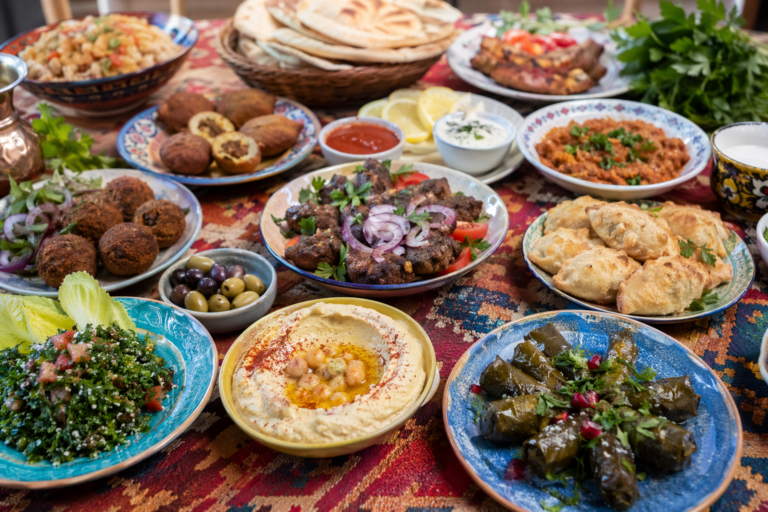
The most loved dishes are street food, grilled meat preparations, mezze, dips, and small plates.
-
Cooks often use open flame, the oven, and also try baking, stewing, or using low heat in their kitchens.
-
In Australia, these flavours mix well with local ingredients and fit right in with the way we enjoy multicultural asian food.
-
Sweet pastries, tea, and coffee bring the meal to an end and round out the experience.
Introduction
West asia is important in asian cuisine. Many people in Australia know it because of middle eastern cuisine they find in local cafés, bakeries, and places run by families. This way of making food is rich. It is made for everyday life, and has a long story behind it. History, weather, and trade have shaped how its food is made and eaten. You will often find strong tastes, plates that people share, and a deep connection to the main foods used across west asia. If you want to try the food in a way that is easy, start with its ingredients, how it is cooked, and the countries where these food ways still live.
Exploring the Heart of West Asian Cuisine
West asian cuisine is known for its balance, aroma, and eating together. In many asian countries, the cuisine of the region uses grains, pulses, herbs, olive oil, and dairy in ways that feel simple, yet full of character. A strong aromatic component really stands out in west asian cooking.
But middle eastern food is different from southeast asia, especially if you look in their pantries and at the taste. Soy sauce is not a main part here. Olive oil and spice blends get used much more. The peoples of west asia like many types of meat preparations, too. The favored meats of west asia are cooked over flame, baked in an oven, or slowly stewed. The next sections will look at how this food identity comes to be.
Unique Characteristics and Regional Flavours
One clear feature of west asian cuisine is its strong emphasis on aroma, texture, and shared dishes. In west asia, people focus a lot on the smell and feel of the food. They often eat together and like to share what is on the table. Unlike some asian cooking that uses lots of soy sauce, west asian food builds flavour with olive oil, herbs, spices, grains, and cultured dairy. This gives asian cuisine a style that feels grounded and generous.
There is also a wide range of regional flavours. Countries in west asia each have their own cuisine. But they share links with bread, grilled meats, pulses, and vegetable-based dishes. That mix gives you both variety and familiarity when you try asian food from this area.
If you compare it with similar cuisines in east asia or southeast asia, west asian food is quite different. It uses ovens, open fire, baking, or slow pots more than wok cooking. The way west asian cuisine balances savoury, sour, and spice is also unique, so it stands out in the wider world of asian cuisine.
Geographical Influences on Food Traditions
Food here in West Asia is all about the place. West Asia sits where the Mediterranean, central asia, and south asia come together. This mix explains why asian food from this region feels a bit like its neighbours but still keeps its own flavour.
In the mediterranean coastal areas, olive oil is used for cooking. It’s the main fat there. In other spots, the weather and what people can get changes the place of animal fats and shapes which meats and grains go into meals each day. Things are different from country to country because of this.
Trade and people moving around matter too. Some kitchen habits come from central asia and south asia, but local ingredients are what make west asian food stand out. For Australians, this is what makes west asian food seem like something we know while also bringing tastes that are fresh and different.
Countries Defining West Asian Gastronomy
When people mention west asia, they usually mean the middle east. But the area is tied to other asian countries, and sometimes to central asia too. When it comes to food, the best-known styles are from places that gave the world everyday bread, grilled meats, spices, and plates you share.
In Australia, names like Lebanon and the United Arab Emirates come up a lot when talking about food. Still, the west asia area holds more than one way of cooking. It is not one single cuisine. It connects many food traditions. When you look at how west asia food styles are different, it stands out more.
Culinary Distinctions among Middle Eastern Nations
No single country defines the whole region. Different cultures across the Middle East share a basis of west asian diet built on bread, grains, pulses, olive oil, herbs, and dairy products. At the same time, each nation presents its own balance of spice, texture, and meal structure.
Meat preparations also vary. The favored meats of west asia are often grilled, roasted, or stewed, but the seasoning, cut, and serving style can change by country. Some places highlight rice and meat together, while others focus more on bread, small dishes, and dips.
|
Country or area |
Common food distinction |
|---|---|
|
Lebanon |
Mezze, grilled meats, bread, dips, and a strong use of herbs and olive oil |
|
Gulf states such as the United Arab Emirates |
Rice-led meals, spiced meat preparations, and shared family platters |
|
Broader Middle East |
Bread, pulses, dairy products, and a national dish that often reflects local grains or meat |
How Australia’s Multicultural Scene Welcomes These Traditions
Australia is in a good spot to enjoy West Asian food. The mix of different cultures here means people are used to eating dishes besides the usual western food. This helps shared plates, grilled meats, and treats from the bakery feel friendly and easy for everyone.
Many cooks are great at picking local ingredients. They try to get what is fresh and close by, but still keep the main taste and feel from the original Asian cuisine. This way, West Asian food can be part of daily meals. People eat it anytime, not just on special days.
If you look at north america, it can be a bit different there. Australia’s dining scene has plenty of places for families and takeaway shops. These spots bring Asian food to people in a way that feels right at home. Most will try things like wraps, dips, breads, and easy grilled meals first.
Core Ingredients in Middle Eastern Cooking
The pantry used in West Asian cuisine is simple but works well. You will see olive oil, grains, pulses, herbs, spices, and dairy products show up often. These are the commonly used ingredients found in dips, breads, grills, soups, and vegetable stews. Bulb vegetables like onion and garlic help make flavour right from the start.
This is one way that Asian cuisine in the west stands out from cooking in areas like east and southeast Asia, where soy sauce takes the main role. In West Asian cooking, olive oil is used more, and lots of dishes are finished off with bread, yoghurt, or a fresh side dish. Next, let’s check out more about what helps build these flavours.
Aromatic Spices and Signature Herbs
You can often pick this food by the strong aromatic component. Spices and herbs aren’t just there to make it hot. They give the meal its character. Black pepper is a commonly used ingredient and shows up as a well-known base note. Herbs bring a fresh, light touch.
Dry spices and seeds add extra flavour. They also make the texture better. For example, sesame seeds give a nutty taste and add depth. Signature herbs help balance out meat, bread, or dairy so nothing is too heavy.
-
Black pepper is simple and important for many savoury meals.
-
Sesame seeds bring aroma, crunch, and a mild roasted taste.
-
Signature herbs add freshness and help keep the meal balanced.
This way of adding spice is different from cuisines that use lots of soy-based seasoning. Here, the aroma and how things layer is more important than having just one main sauce.
Essential Grains, Pulses, and Pantry Staples
Grains and pulses are at the centre of regular eating, part of most days for families. These basic grains and pantry staples help make up family meals, street snacks, and sides. In many places in Asia, rice is a universal staple. You see bread and food made from wheat in West Asia too, right alongside grains and legumes.
The main sources of staple foods are simple and keep people full. You will find bread, rice, lentils, chickpeas, and other pulses in both meat dishes and veg meals. Sesame seeds show up often in bread, on top of foods, or in spreads. They bring richness to food, but it still feels light.
-
Bread and grains are key pantry staples in this region.
-
Pulses bring value, texture, and protein to daily meals.
-
Sesame seeds add flavour and help mix up simple foods.
Southeast asian cuisine and south asian cuisine use coconut milk quite a lot, but coconut milk is not a universal staple food in West Asia. That’s a big reason why West Asia has its own unique pantry style and stands apart from other asian cuisine.
Traditional Cooking Methods of the Middle East
Traditional ways of cooking in the Middle East are all about texture and smell. The use of fire, flame, and ovens shapes many meals found in this part of the world. Breads and meat preparations often rely on these methods. This way of cooking brings colour, smoke, and depth to asian food without needing fancy gear.
Cooking over low heat is just as important. Dishes like stews, braises, and baked foods show another side to west asian food. When you put together both open flame and slow heat, you get answers about what is special in their way of cooking. West asian food uses ways of cooking that stand out, even though some things cross over into other parts of Asia. The next parts will break these methods down for you.
Fire, Flame, and Oven Techniques
Many of the classic Asian dishes use fire and direct heat. An open flame gives breads and meats a charred taste that is hard to get with softer cooking. This way of cooking is great for grilled skewers, flatbreads, and roasted food that are served hot and fresh.
Oven skills are important, too. Baking makes breads that are crisp outside and soft in the middle. Roasting pulls out the flavour in meat and vegetables. Here, dry heat is the preferred medium of cooking, not sauce-packed methods people often link with other Asian cooking.
For Australians, this way feels simple and easy. It matches well with barbecue habits and bakery ways. Still, the taste is not the same. The spice, the oils used, and the way food is served keep West Asian cooking unique, even when the tools and ways look just like what we know.
Stewing, Baking, and Slow-Cooked Dishes
Not every meal in the basis of west asian diet is cooked on a grill. Stewing and baking are common at home. These ways turn simple food into filling meals with deep flavour and a soft feel.
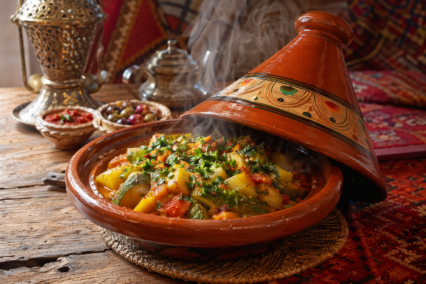
Slow-cooked food needs patience, not strong heat. Cooking at low heat gives time for grains, pulses, and meat to soak up seasoning. This method works well for vegetable stews. You can use what you have in your pantry for these. They are good for any day and bring comfort.
Baking brings more to west asian cooking. It helps make breads, pastries, and meals done in the oven that can feed a whole family. If you look at all these ways together, you see cooking that uses both fast and slow approaches. Quick grilling is for fresh meals. Slow pots are for deep flavour.
Iconic West Asian Dishes to Try in Australia
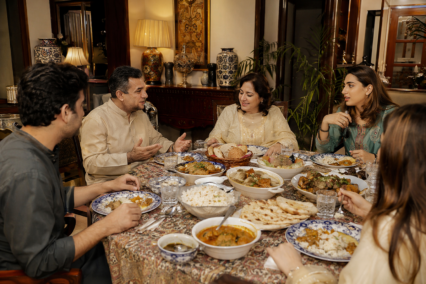
If you are new to west asian food, Australia is a good place to begin. Many places to eat include asian food and asian dishes that show off big flavours found in west asian food. The meals often come with grilled meats, dips, breads, and small plates for everyone to share. These foods may be listed under asian dishes, but their taste is all about west asia.
A good way to start is by ordering street food, small plates, and at least one type of bread. Some spots will have a national dish that is featured as a house special. Most begin with mezze, the classic way people in west asia like to share small plates and enjoy the food together.
Mezze: Shared Starters and Small Plates
Mezze is a top way to enjoy west asian food. Instead of a big meal on one plate, you get lots of small plates to share. This style works well for Australians who like relaxed meals and variety at the table.
A mezze spread usually mixes cool, creamy, fresh, and rich flavours. You will often see dairy products in yoghurt-based dips. Cooked veggies also show up as warm salads or vegetable stews. Bread is there as a side dish. It can be used to scoop up food and also bring the meal together.
-
Dips and spreads are an easy way to start with mezze.
-
Yoghurt-based items show how dairy products bring texture and keep things fresh.
-
Vegetable dishes give some variety next to grilled or baked foods.
For many first-time diners, mezze makes it easy to choose. You get to try many flavours at the same time, and it doesn’t feel too heavy.
Must-Try Mains and Street Food Favourites
When you get past the starters, you find that asian cuisine from west asia often has grilled meats, baked dishes, or meals with rice. These main meals are tasty and simple. They work for eating in or taking home, and that is a big reason why people in the area love them.
Street food matters too, as this is how many Australians try asian cuisine. You see foods like wrapped meats, bread meals, and quick grilled dishes. They are easy to grab and eat. The way people use the form of meat preparation, with seasoning, fire and thin cuts instead of heavy sauces, is what makes them stand out.
-
Grilled meats are the top street food.
-
Rice and bread are the main base for lots of main meals.
-
Each place has its own national dish, but shared platters are usually seen.
These foods are easy to get into, but you can still see that they have the west asia feel.
Sweet Treats and Popular Beverages
West Asian meals usually end with something sweet and warm, not big or heavy desserts. Honey and nuts show up in a lot of the snacks, giving old favourites a taste that is rich, but not too much. You will find some sweets are baked, some are stacked up in layers, and some are put with ice cream to offer a nice difference.
Drinks are just as important. Tea and coffee are standout choices, and they go well with eating together. Sometimes, lemon juice is added to cold drinks to bring a bit of zing. These desserts and drinks finish the meal with a cosy feeling, great smell, and make the time feel special.
Time-Honoured Desserts Featuring Honey and Nuts
Many West Asian sweets use just a few key things, like honey, nuts, pastry, and dairy. These classic desserts show that simple foods can make a dish you remember. They are usually sweet, but it’s not the same as the really sugary iced cakes you’ll see in the West.
The feel of these desserts matters a lot. Nuts give a good crunch. Syrup makes it shiny, and soft pastry or something milky keeps it all balanced. These days, you sometimes get ice cream with these sweets, which works well. Lemon juice can show up in the syrup too. It helps cut through and makes it less sickly sweet.
-
Honey brings both sweetness and depth.
-
Nuts give some richness, crunch, and a bit of roasted flavour.
-
Ice cream can help turn a traditional sweet into a simple dessert in a restaurant.
Unlike some other asian cuisines, coconut milk doesn’t take centre stage in desserts here. This shows that the region has its own way of doing things.
Signature Drinks: Tea, Coffee, and More
Tea and coffee are two of the most well-known drinks in the area. People in the region love them. They are about much more than just a quick drink. In many places, tea and coffee help start talks. They bring people together at the table and slow down meals so you can share time with others. Because of this, the drinks matter a lot to the meal. They’re not just a simple extra you grab at the end.
Coffee gives you a strong taste and rich smell. Tea makes people feel relaxed and works well at any time of day. Some drinks use lemon juice to add a fresh twist, especially when served cold. In café spots, dairy products take the edge off strong flavours. This really makes drinks smooth and fits what most in Australia like.
-
Tea is good for each day or when you share a meal.
-
Coffee brings a strong end after tasty food or a sweet treat.
-
Lemon juice can lift up drinks that are not hot.
People use sesame oil more in savoury dishes than in drinks. This means drink styles stay apart from what goes in the main pantry.
Contemporary Tastes: Adapting West Asian Cuisine in Australia
In Australia, west asian cuisine fits in well and still keeps its own taste. Many cooks and places keep the main flavours, but change how they serve food, how much spice there is, and what sides come with it. This helps each popular dish to sit next to western food in daily life.
This way of doing things works well for family meals. Using local ingredients, less strong spices, and a choice of meat or plant foods, this asian cuisine can be good for both kids and adults. If you want kid-friendly meals or you are looking for vegetarian choices, you will find both in this food style.
Popular Kid-Friendly Dishes and Family Meals
For children, the best way to start is with what they know. Soft breads, rice dishes, grilled meats, and yoghurt sides are good. These foods are gentle and do not scare kids away, so everyone can make a plate just how they like it.
Another good thing is how you can change things up. Both restaurants and people at home can use local ingredients and keep the spices mild. This means you don’t have to make a completely new meal, even when trying asian food. When flavours get too strong, it can make some parents worry about new asian dishes for their kids.
-
Bread with dips is a good way for young kids to get their first taste.
-
Mild grilled meats work well with rice or with a simple side dish.
-
Sharing plates is nice for families. You can try different asian dishes and not have much food left over.
This way of eating is easy, fun, and fits well with the way most Australian families like to eat.
Vegetarian and Vegan-Friendly Middle Eastern Options
West Asian cuisine works well for people who don’t eat meat. Grains, pulses, bread, and vegetables are often part of the food in this area. So, dishes don’t feel like meat is missing. Many meals are made using things you usually find in the pantry instead of using meat.
You can use vegetable stews, salads, and mezze to get tasty meals. Green leafy vegetables and other produce help make meals that fill you up. Pulses make dishes more hearty. Even simple foods change style and taste when you use herbs, spices, and olive oil.
-
Vegetable stews give a warm and rich taste without meat.
-
Green leafy vegetables add options for lighter meals day-to-day.
-
Varieties of cabbage and more vegetables can mix up your family dinners.
If you are vegan, what you eat depends on dairy. But the cuisine still gives you vegan-friendly foods such as breads, pulses, and vegetable dishes.
Conclusion
To sum up, West Asian cuisine is full of rich flavours and old food traditions. It can make your eating time in Australia better and more exciting. With the use of many spices and important ingredients, plus well-known dishes like mezze and sweet snacks, there is something for everyone. As more people from different places call Australia home, these food traditions make mealtime even more interesting. People who love trying something new or families who want good, healthy food will both find something special in Asian cuisine.
Jump into the world of Middle Eastern food and try out some new things. Make some of these meals at home or visit local spots that serve these great flavours. If you want to add more of these tasty dishes to your meals, you can ask for a free trial, demo, or consultation today to find out more!
Frequently Asked Questions
What are the most common spices in West Asian cuisine?
In west Asian cuisine, black pepper is used a lot as a main spice. People also add sesame seeds and other key herbs to help bring out the strong aromatic component in the food. These mix together to give each dish its special smell and taste. The focus in these dishes is more on building up layers of flavour and fragrance rather than just making the food hot.
Is it easy to find West Asian ingredients in Australia?
Yes. Australia has a big multicultural community, so you can get many commonly used ingredients. This is true in places where people like middle eastern cuisine. Things like bread, grains, pulses, yoghurt, olive oil, and spices are easy to find. These are good sources of staple foods, so cooking west asian food at home can be done without much trouble.
Which West Asian dishes are popular with Australians?
In Australia, asian cuisine often starts with small plates like mezze. People like to try these first. After that, they go for main meals that have grilled meats, rice, and bread. Some places show off a national dish as their main draw. Still, most people like to order shared platters. These are a big hit.