Key Highlights
-
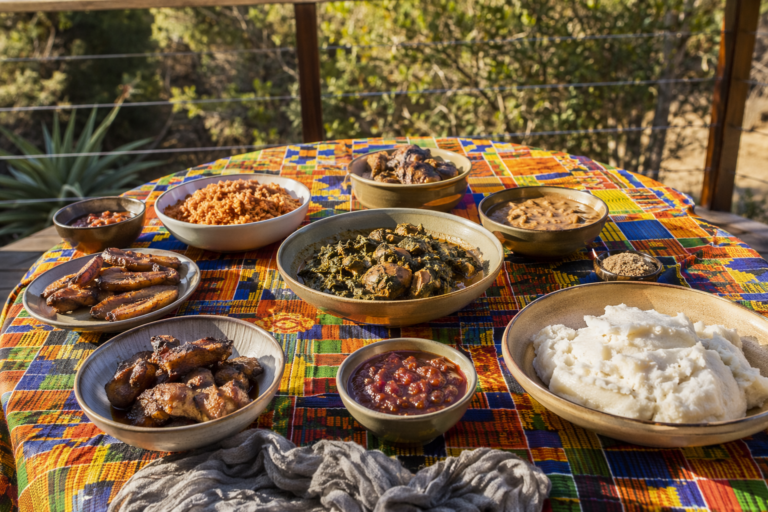
West African food is known for bold heat, smokiness, and deep taste.
-
African cuisine from West Africa uses local things like palm oil, yams, cassava, plantains, and rice.
-
Jollof rice is one dish that many people know well and you can find it in a few local styles.
-
Peanut stew is a rich favourite that comes from peanut butter, tomatoes, stock, and vegetables.
-
In Australia, more people are getting into west African food at restaurants, markets, food events, and cooking classes.
-
Home cooks can start with easy west African meals and use simple ingredients you can get.
Introduction
West african food brings history, family, and flavour together like few others. In african cuisine, a meal is not just food. It is a way to celebrate, welcome friends, and tell stories. For people in Australia who want something bright and warm, west african dishes have smoky rice, spicy broths, rich stews, and filling sides. If you want to know more about west african cooking, this guide will show you why these flavours get people talking and how they fit right in with Australia’s food scene.
The Rise of West African Cuisine in Australia
West african cuisine is becoming more popular in Australia. People are looking for african food that has real taste and character. Dishes from african countries like Liberia, Ghana, Nigeria, and Senegal have heat, tang, and richness. They are exciting but also comforting.
At the same time, west african food is changing global food culture. It shows how bold flavours, sharing meals, and using whole ingredients can all come together. As Australians try new ingredients and west african meals, this african cuisine is not just something different. Now, west african food is starting to be part of the local dining scene.
Growing Popularity and Culinary Influence across Australian Cities
In cities across Australia, more people are enjoying west african food. Diners are looking for meals that are generous, full of flavour, and fun to share with others. You can see why it is now so popular. West african food often puts spice, smokiness, starch, and thick sauces on the same plate. This mix gives people a meal they can remember.
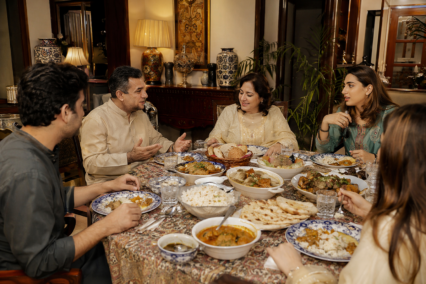
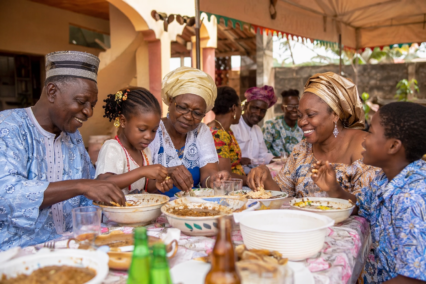
There is also a big part of west african food that shows up when people eat together. Many west african meals be made in big pots and everyone sits down to eat it together. This is close to the way people like to eat now. It is helping african cuisine get noticed in different parts of the world, not just in Australia.
Then, you have the taste. Foods like jollof rice, pepper soup, fufu, and peanut-based stews fit what people want. The dishes are both true to their roots and bring something new. If you are in Australia and want to try something different, west african food is a fresh way to see what cultures can give when you come to the table to eat.
A Guide to West African Restaurants, Markets, and Food Events
If you want to try west african food in Australia, it can be good to begin with places that give guided experiences. Restaurants and cooking events help you with a west african dish and make it easy to get to know new flavours.
Melbourne already does this well. Cooking events, like a feast run by a Liberian chef, let you try more than just african food. You get to hear stories and learn how west african meals are made and enjoyed.
A good way to get started is to look for:
-
Restaurants that serve jollof rice, pepper soup, fufu, or peanut stew.
-
Markets with cassava flour, plantains, palm oil, and spices.
-
Food events or masterclasses where you can taste west african food and learn how to cook a simple west african dish.
Community Stories: West African Chefs and Families in Australia
Every plate of west african food often comes with a strong sense of community. The stories that people share see cooking as a time to celebrate, connect, and talk with each other. This is why west african food leaves a big mark on people who taste it.
Chefs and families from african countries bring more than just their recipes to Australia. They also bring traditions. The way they make food in big pots, how they welcome guests, and the special ways they celebrate family times are all part of it. Hospitality has an important role in west african cooking.
This focus on community has made west african cuisine shape food culture all over the world. People do not just think about the spices or the smell. They remember eating together, learning the story behind the food, and seeing how west african food helps people get closer.
Foundations of West African Flavours
At the heart of west african cooking, you’ll often find ingredients that bring warmth, heat, colour, and body to the meal. In many west african meals, people start with aromatic spices, plus onions, garlic, ginger, tomatoes, and chilli. These help give depth to all the different dishes.
The building blocks of every plate are just as important. You will see rice, yams, cassava, plantains, and other staple food on the table again and again. These common foods often come with a stew or a side dish. If you want to really get what west african food is about, it’s a good idea to look at seasonings, starches, oils, and sauces that people use all the time.
Unique Spice Blends and Signature Seasonings
One reason west African cooking stands out is its mix of aromatic spices and fresh flavour bases. You’ll often find ginger, garlic, onions, chile peppers, cumin, coriander, paprika, and grains of paradise. When these come together, they add heat, a great smell, and a rich savoury taste.
Scotch bonnet is really key for west African food. It gives strong heat but also a fruity note that lifts the taste of soups, stews, and marinades. In many west African dishes, people mix this pepper right into the base, not just on top at the end.
Common things for flavour include:
-
Scotch bonnet for heat and aroma.
-
Curry powder, paprika, cumin, and coriander for building up spice.
-
Ginger, garlic, and onions as what most sauces and stews start with.
Staple Ingredients: Yams, Cassava, Plantains, and Grains
The basic things used in West African food are simple, filling, and good for many dishes. Root vegetables and grains do a lot of the main work. You will see yams, cassava, plantains, rice, millet, and sorghum in many meals. They help give West African food its solid base.
Yams are often boiled or made into fufu. Cassava is used to make flour, which goes into doughs or bread. Plantains can be fried, roasted, or boiled. They are both handy and taste good in any side dish. Rice is very important in jollof rice and many other west African dishes.
Key staple food items include:
-
Yams and cassava for dough, mash, and steady meal bases.
-
Plantains for a sweet or salty side dish.
-
Rice and grains for one-pot meals, porridge, drinks, and baked food.
People often love how you can use things like rice and root vegetables in west African food. These staple food items show just how special the tastes are in African food. You will also find jollof rice is a meal that many people in the area talk about or make for parties and everyday eating.
Essential Oils, Sauces, and Stocks in Everyday Cooking
Palm oil is one of the top items that show you are making west african food. The bright colour, the rich taste, and a little nutty hint bring life to stews, rice meals, and beans. Red palm oil also gives the food a strong colour, and this is something many cooks like for their dishes.
But, you don’t have to use palm oil all the time. The information I read says you can use vegetable oil when you can’t find palm oil. This means people here in Australia can make west african food at home and still keep the right tastes in the meal.
Stocks and cooked bases are important too. Tomato mixes, stock, and cooked onions are often used to make many different recipes. While the main guide doesn’t say much about a classic onion sauce, it does show that onions and stock are an easy way to make the food taste deep and just right.
Regional Diversity Across West Africa
West africa isn’t just one way to cook or one kind of taste. It covers many west african countries. Each country has its own habits, what people use for cooking, and what dishes they love most. The same food staples may be shared, but the local way of cooking and eating stays strong. This is because food depends on where you are, the climate, and what people do in daily life.
The history of west africa matters a lot too. Most of the material out there focuses more on the place itself and less on the colonial period. It is easy to see that coastal areas are not the same as inland ones. What people grow and how they cook goes back a long way. All these things shape the ingredients you will find in each region. Looking at each country’s food traditions and the land around them makes it simple to see why west african countries along with other african countries are different from each other.
Culinary Traditions of Nigeria, Ghana, Senegal, and Beyond
Nigeria, Ghana, Senegal, Liberia and a few others each bring their own style into west african food. The information lists jollof rice, pepper soup, fufu, maafe and Liberian palm butter stew. These all show just how wide the region is. Even if the same food items get used, the taste can be different in each place.
In nigeria and ghana, people feel proud of their jollof rice. In Senegal, rice is a big part of meals, and the national dish of senegal gets talked about a lot with rice. These show that one simple food can mean a lot of things.
Groups like the wolof people and the yoruba people play a large part in west african food, but the info here does not go into each group’s cooking style. What is clear is this—west african food is about the area, the person and a strong sense of place.
How Geography Shapes Local Specialities and Ingredients
Geography has a direct effect on what ends up in a west african dish. The compiled information explains that coastal regions have abundant seafood, while inland areas rely more on root vegetables, grains, and livestock. That split changes both ingredients and cooking habits.
Tropical conditions also support fruits and spices, which helps explain the bold flavour profile seen across the region. Some dishes feel lighter and more sea-driven, while others lean towards meat, starch, and slow-cooked sauce. Groundnut stew fits well into that hearty inland style.
|
Area |
Common ingredients and style |
|---|---|
|
Coastal regions |
Seafood, lighter broths, and dishes shaped by easy access to fish |
|
Inland areas |
Root vegetables, grains, livestock, and richer stews such as groundnut stew |
|
Tropical zones |
Fruits, spices, and produce that support bold flavour combinations |
These patterns reflect long-standing food habits and ancient cooking methods built around what local land and water provide.
Examples of Home-Style vs. Street Food Dishes
West African food is great in both home kitchens and public places. The home-style meals often focus on stews, soups, and shared starches. These are filling dishes that help bring people around the table. They are good for families and easy to make.
Street food is a bit different. It is quick to serve and simple for people to carry with them. There is suya, which is meat on skewers, and this fits well for street eating. Some dishes, like these, can work both at home and out on the street, depending on how you serve them.
You might find:
-
Home-style foods like stews served with white rice, fufu, or other starches.
-
Street food choices with skewered meats and snacks that are simple to eat fast.
-
Dishes from west African food stories, such as moi moi or thiebou yapp. These can change in style between different places and households.
Iconic West African Dishes to Try in Australia
If you are not sure where to start, try the most popular dishes that people talk about a lot. Jollof rice, peanut stew, fufu, pepper soup, and egusi soup come up most when anyone speaks about a west african dish they remember.
These dishes help Australian cooks because many west african recipes use the same foods you already know, like tomatoes, onions, stock, and vegetables. They just need a few extra things in the pantry. The next parts look at three top west african choices you should try first.
Classic Jollof Rice and its Famous Variations
Jollof rice be known as the go-to west african dish. It gets that name because you cook rice in a tomato sauce with peppers, seasonings, and stock. The taste is smoky, rich, and has a bit of tang. Many people say you should try it at least once.
If you want to make jollof rice at home, you should start with the sauce. The classic way uses tomatoes, peppers, onions, and stock. The rice goes in that mix to finish off. Using tomato puree or tomato paste helps make it look and taste deeper. A scotch bonnet gives the dish some heat.
A simple method includes:
-
Cooking onions, tomatoes, and peppers with seasonings to make the base.
-
Adding stock so the rice gets all the flavour when you cook it.
-
Changing the amount of scotch bonnet for the heat you like.
Fufu: Preparation Methods and Best Ways to Serve It
Fufu is a well-known food in african cuisine. It’s smooth and feels like dough. People make it from yams, cassava, plantains, or flour made from these. This recipe uses cassava flour and plantain purée. That’s easy for beginners in Australia.
To make fufu, put cassava flour together with plantain. Then add hot water. Mix it until you get a sticky dough. After that, knead and pound the dough to make it smooth. You can use a blender for the plantain. A food processor works well too to get a nice purée before mixing.
People usually eat fufu with stew or soup. They use their hand to eat it. Here’s a quick guide:
-
Mix flour and plantain together, then pour in hot water.
-
Knead it until it gets smooth and then shape it into servings.
-
Serve with stew, soup, or your favourite kind of meat.
Peanut Stew (Maafe) and Other Beloved Stews and Soups
Peanut stew, known as maafe, is one of the best comfort foods in west african cooking. You make it with tomatoes, onions, garlic, broth, vegetables, some meat and peanut butter. It has a rich, warm and filling taste, but it’s not hard to do at all.
This west african stew is great because it shows why west african food is so loved. You start with a base of tomato, add in onions and garlic for flavour, pour in stock and finish with the taste of peanut butter. That’s how you get that nutty depth. People across west africa, like those who enjoy ghanaian peanut stew, might change it up a bit, but the heart of the dish is always there: strong flavour and a meal that feels good every time.
Other west african food favourites often talked about along with maafe are:
-
Egusi soup, made thick with ground melon seeds.
-
Pepper soup, rich with a spicy broth.
-
Simple versions with leafy greens or other veg, which you can add when you have them.
Vegetarian and Vegan West African Options
Yes, you will find plenty of vegetarian and vegan choices in west african food. The material shows that beans are a big protein for most people. Many west african meals are made with grains, root vegetables, plantains, and a mix of vegetables.
This means west african meals that are plant-based can be made more easily than you may think. The food uses bean dishes, yam meals, rice, and veggie stews or soups. You don’t lose what makes west african food special. With some smart changes, west african flavours can be used in Australian kitchens too.
Favourite Plant-Based Meals: Beans, Yam Porridge, and More
Plant-based cooking fits well into west african food. You will often see beans and starchy foods in these dishes. Beans, like black-eyed peas, are popular for their protein. People mix them with spices and veggies to make filling meals that do not need meat.
Yam meals are also a good pick. Yams are a key food, so you can make easy dinners with boiled yam, pounded yam, or yam porridge. These can use tomatoes, onions, and spice. If palm oil is not sold in Australia, you can use vegetable oil. This makes the dish work for most people.
Easy plant-based ideas include:
-
Bean dishes that use onions, tomatoes, and spice.
-
Yam porridge or meals where yam is the main food.
-
Stews with lots of veggies and greens, like bitter leaf, if you can find them.
This shows how west african food can be simple and full of flavour, especially with a plant-based style.
Popular Vegan Soups, Stews, and Snacks
Some of the best vegan soups in west african recipes do not need meat for flavour. Things like tomatoes, onions, garlic, ginger, chilli, and stock in place of meat can still give the soup a rich taste. That is one reason why west african food is good for plant-based eating.
Egusi soup is a great example. People use ground seeds in it to thicken up the soup and add taste. When you throw in more vegetables or leafy greens, you get a dish that feels full and has lots of flavour.
Good vegan options include:
-
Egusi soup, which gets thick from seeds and has plenty of vegetables.
-
Stews using peanut as the base, with a focus on vegetables and not meat.
-
Easy vegan snacks or sides like fried or roasted plantains.
Using Australian Produce for Plant-Based West African Cooking
Australian produce can make west african cooking feel easier to put together. The info here says it’s fine to use different things if you can’t get certain items. That lets you keep the feel of the dish but use things you find nearby.
Sweet potato can be used when you want something starchy with a touch of sweetness. Vegetable oil can take the place of palm oil in some dishes. Vegetables most people have work well in things like stews. This way, people can try west african cooking with new ingredients and not worry if they can’t get everything.
Useful ideas include:
-
Using sweet potato as a side dish or in a base like a mash.
-
Adding coconut milk to give more richness to a plant-based stew.
-
Basing west african cooking on Australian veggies, grains, and pantry staples you can get easily.
Conclusion
West African food is getting noticed in Australia. It brings bold taste and deep food traditions. The mix of spice, main items, and different styles comes together to make something good for everyone who loves food. You can try well-known dishes like Jollof rice or go for plant-based meals. There is a choice for all in west African cuisine.
If you want to taste these flavors, check out your area for west african restaurants or markets. Go find these strong tastes in person. When you try african cuisine, you get something that makes your taste buds happy and shows the many cultures in our food world.
Frequently Asked Questions
What are some easy West African dishes for beginners in Australia?
Good starter picks are jollof rice, peanut stew, and easy plantain dishes. These west african recipes use plenty of regular items like tomatoes, onions, stock, and rice. This is why west african food can feel easy to get into. In african cuisine, these dishes are some of the most popular, and they go well with a simple side dish.
Which West African foods pair well with traditional Australian drinks?
A rich West African dish like jollof rice or peanut stew goes well with simple Australian drinks. The food has strong flavour, so you do not need anything fancy to drink with it. If you try a famous national dish or pick a lighter meal, West African food fits in with casual dining. This is true in many parts of the world.
West African food, like peanut stew or jollof rice, is great for any day. It shows why african food is loved by people everywhere.
How is authentic West African fufu made and enjoyed?
Fufu is made by mixing cassava flour, or cassava with plantain, with hot water. You stir it until it turns into a smooth dough. In african cuisine, this food is shaped into pieces and served with soups or stews. Many west african recipes use it to dip and scoop.