Key Highlights
-
Wallis & Futuna cuisine mixes the tastes of the Pacific Islands with French food, making something special.
-
Many of their dishes use coconut milk, seafood, pork, tubers, and are cooked in an umu.
-
The main islands—Wallis, Futuna, and Alofi—change the way dishes taste and shape what people eat every day.
-
Food brings people together, with big feasts, katoaga, and the kava ceremony playing a big part in their culture.
-
For folks in Australia, this food is all about easy, home-cooked meals that are good for sharing.
Introduction
Wallis & Futuna is in the Pacific islands. Its food is shaped by the land, sea, and people who live there. Australians may find the cuisine a bit like home because the dishes use the same tropical things. Things like coconut milk, seafood, pork, tubers, and breadfruit show up often. But the food in Wallis & Futuna is also different because it is a big part of community life. It plays a large role in everyday events and family get-togethers. When you share a meal, you take part in the special way people in Wallis & Futuna come together each day. The rhythms of daily life in the Pacific islands are in every bite.
Foundations of Wallis and Futuna Cuisine for Australians
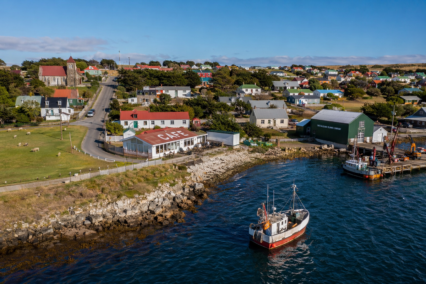
Wallis & Futuna has food from a small French group of islands in the South Pacific. There are three main islands: Wallis, Futuna, and Alofi. Each is part of a bigger Polynesian world that connects to Tonga, Samoa, and other islands close by.
For those of us in Australia, you can think of this as island cooking that holds on to old ways. The cuisine uses what the land and sea give to the people. Getting ready for a meal and eating together is still very important. To really see what makes it special, it’s good to check out the cultural roots and what each main island brings to the table.
Understanding the Polynesian and French Influences
Wallis and Futuna’s cuisine brings together both Polynesian and French tastes. You find this not just in the food, but also in the way people eat there. The local cuisine uses things like coconut, tubers, breadfruit, pork, shellfish, and tuna. These are in most meals. The territory is known for using an earthen oven for cooking. People also get together for big feasts, which is very much a part of their Polynesian past.
But the territory is also part of the French Republic. French institutions are mixed in with their old ways of living. That does not remove the old traditions around food. People in Wallis and Futuna have found ways to bring French habits into their own, while still keeping their roots.
Because of this, the food culture here feels both familiar with the Pacific, but not exactly like French Polynesia. This is not just French dining with new dishes. It’s island food that grew from long-standing customs. It still fits in the territory which is run by France.
Regional Flavours from Wallis, Futuna, and Alofi Islands
Regional flavours in Wallis & Futuna begin with the land and sea. Wallis is a low island made from volcanoes, and it has a big lagoon. Futuna and Alofi sit higher and don’t have lagoons. This means the way people get seafood, shellfish, and things they grow on land is not the same, and it affects the local cuisine on each island.
Most people live on Wallis, so many visitors try food there first. Futuna has the Alo and Sigave kingdoms, and the cuisine holds onto its unique customs as well. On the main islands, you’ll find regional flavours that centre on pork, seafood, breadfruit, and tubers, rather than each place having a big change in cooking styles.
If you move there, the smart meal choices are seafood that’s caught nearby, pork cooked in the umu (earth oven), and meals made with yam, cassava, and coconut milk. These foods match what’s easy to get, and they give you a taste of everyday island life.
Essential Ingredients in Wallis and Futuna Recipes
The base of Wallis and Futuna cuisine is simple and easy to make. Coconut milk gives a rich flavour to these dishes. You will often see root vegetables like yam, cassava, and other tubers show up to help fill you up. Breadfruit is another main food the people there use a lot.
Local fruits bring a cool and fresh feel to the meals. The food from Wallis and Futuna does not have a long list of things you need to buy. It depends on a few good foods, made well and in large amounts. People usually cook enough for both their family and other guests. So, it is good to look at these foods by what comes from plants and what comes from meats.
Root Vegetables, Coconut, and Local Fruits
If you want to talk about what goes into Wallis and Futuna’s local food, start with things that grow well on a tropical island. Root vegetables are a big part of recipes here. They last for a long time, are easy to cook in an umu, and are good for both normal meals and big feasts. Coconut is also really important. People use coconut milk a lot because it makes the food soft and rich.
Common ingredients found in wallis and futuna meals include:
-
Root vegetables such as cassava, yam, taro, and other tubers
-
Breadfruit, which fills you up and is good for steaming
-
Coconut, especially fresh coconut milk in savoury dishes
-
Local fruits such as mangoes and papaya
These foods help show the style of many meals in wallis and futuna. You’ll find the food is filling, a bit sweet, and made with what the islands offer. Instead of looking for lots of different tastes, cooks here get good flavour from using fresh things, slow cooking, and mixing starches, fruit, and coconut together.
Seafood, Pork, and Poultry in Daily Meals
Seafood is a big part of Wallis and Futuna’s food because people here live so close to the ocean. Fish and shellfish show up often in what people eat every day and in special meals. Tuna stands out as a good example. Many dishes use fresh tuna to make the most of its flavour.
Pork is another main kind of meat. It means a lot at traditional events. You will see pork served at feasts, during the giving of gifts, and at big meals cooked in the earthen oven. People also eat chicken now and then. But, there’s still more focus on pork and seafood when you look at Wallis and Futuna’s daily life and food culture.
If you put all these sources together, you see how food that people eat every day and food for big events blend. Seafood is key to daily life, while pork often marks times that are special or important. Both pork and seafood help show what matters in Wallis and Futuna’s cuisine. And both mix well with main foods like coconut milk, tubers, breadfruit, and coconut.
Signature Traditional Dishes to Savour
The signature traditional dishes in Wallis & Futuna cuisine are made with local food, not processed stuff. You will often get meals with seafood, pork, tubers, and coconut milk instead of wheat. So, a lot of food here is low in gluten unless something with gluten is added from outside.
There are meals that look like island stews, and there are ones where food is wrapped, steamed, or just served fresh. When talking about the most traditional dishes, Faikai Malaulau, Kuope, and Ota Ika are good examples. Each one gives you a different taste of Wallis & Futuna’s food.
Faikai Malaulau and Its Preparation
Faikai Malaulau is a traditional dish you find in Wallis and Futuna. It’s made in a way that’s common on the islands. Food gets wrapped up, gently steamed, and mixed with coconut milk. Because of this way of cooking, it has a soft feel and you get a strong island taste.
To make food like this, people usually use banana leaves and cook it all in a Polynesian earthen oven. They put the food on top of hot stones, then cover it up with more leaves. Everything cooks slow with steam, not over a flame, and the steam keeps things moist so every part cooks nicely.
Usually, Faikai Malaulau is not served as a plate for one. People in Wallis and Futuna eat it together. Sharing the meal is important in their culture. The way you make it and serve it matters just as much as the dish itself.
This dish brings in the taste of coconut, banana leaves, a hint from the hot stones and the special way it comes from the polynesian earthen oven in Wallis and Futuna.
Kuope, Ota Ika, and Seafood Specialities
When people ask about the most traditional dishes of Wallis and Futuna cuisine, seafood specialities deserve attention. Kuope and Ota Ika are useful examples because they show how island cooking values freshness, shellfish, and simple seasoning over heavy treatment. These dishes sit comfortably beside pork and tuber-based feast foods.
Ota Ika is generally understood across the Pacific as a fish dish prepared with coconut milk, which matches the ingredient patterns of Wallis & Futuna. Kuope highlights shellfish and the coastal side of local eating. Together, they show how seafood is not just occasional food but part of the islands’ culinary identity.
|
Dish |
Main character |
|---|---|
|
Kuope |
A shellfish-focused seafood speciality linked to local coastal eating |
|
Ota Ika |
Fresh fish prepared with coconut milk for a light island-style dish |
|
Feast seafood dishes |
Shared preparations often served with tubers and other local staples |
Unique Cooking Methods and Food Traditions
One thing you will notice about Wallis & Futuna food is the way it gets cooked. People there use a traditional earthen oven, called an umu. They heat up rocks, put food in with layers of leaves, and let it steam nice and slow. This way to cook doesn’t just make good food. It is part of life on the islands.
Cooking in an earthen oven is about more than the way it tastes. People come together to make the oven, sort the leaves, and watch the time. It’s about the group, special ceremonies, and being with others. The umu is how daily food and big events are tied together in Wallis and Futuna. If you want to know how cuisine and the local culture fit, watching someone use the umu tells you a lot. Next, you will find out more about the earthen oven and the large feasts that happen around it.
The Umu (Earth Oven) Experience
Yes, there are special cooking methods in Wallis and Futuna. The umu is the best one to know about. It is an earthen oven that cooks food slowly by steaming it. This way of cooking is common in the Pacific but in Wallis and Futuna, it really stands out as their own. The umu brings together flavour, texture, and a real sense of people working together.
Here is how this cooking method works:
-
Food is put right on top of hot stones inside the earthen oven
-
People wrap or cover the food with banana leaves
-
The heat gets trapped in with palm fronds and earth so the food steams for hours
What makes the umu different is not just the taste at the end. The whole group helps to get the ingredients ready, keeps an eye on the time, and then they open the meal all together. It is not just about eating. It means something for the whole group and gives everyone a reason to get together and share.
Rituals and Ceremonies Around Feasting
Feasts in Wallis and Futuna are part of many rituals and special events. On big days, people start by going to mass. After this, it is time for the kava ceremony, a katoaga, and some traditional dances. Food is not the only thing people come for—it fits in with all these other customs and actions.
A katoaga brings everyone together around their chiefs for an event that matters to the community. At this time, people give gifts to each other like pigs, yams, cassava, and woven mats. If there is a happy reason for the gathering, the people finish up by dancing and singing. These feasts show who gives what, who is important, and that everyone belongs.
The kava ceremony means a lot in Wallis and Futuna’s food culture. You will see kava in both big and small parties. It is used not just for drinking, but also for showing respect, following rules, and bringing people together.
These feasts, the kava ceremony, sharing food like cassava, and the traditional dances are all strong parts of what people in Wallis and Futuna do for important times.
Everyday Eating: Snacks, Street Food, and Festive Meals
Daily life in Wallis & Futuna is shaped by the food people have. Most people are used to sharing as well. People like to snack on simple foods every day. These are made from the same things that go into bigger meals, like coconut, breadfruit, and tubers. This keeps the food you eat day to day steady and regular.
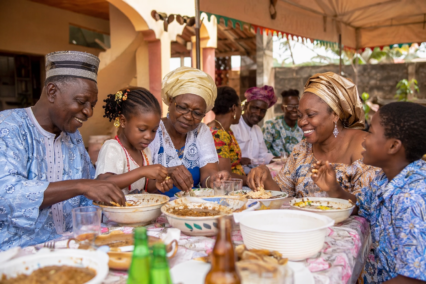
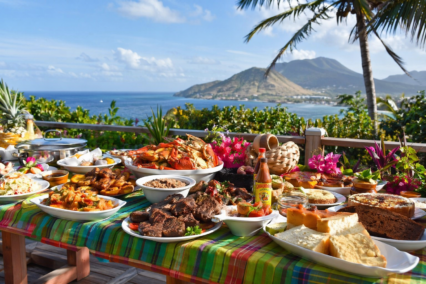
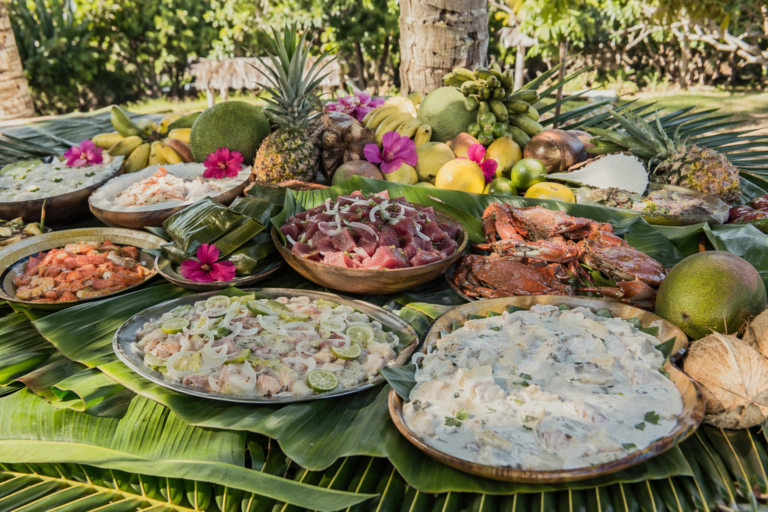
When wallis & futuna have big events, the meals are larger, but the feeling of sharing is the same. People lay out their food either on big tables or over coconut palm leaves. They set the leaves on the ground near mats and places where everyone gets together. You can really see the difference between these big feasts and the snacks or quick eats people have most of the time in wallis & futuna.
Popular Snacks and Street Market Foods
There isn’t a lot of official detail about street food in Wallis and Futuna, but most snacks you find there come from the same local food people use in their homes. The food is simple and enough to fill you up, not fancy or full of what you would see in city markets. Snack foods are kind of like everyday home meals.
Some snacks you are likely to find include:
-
Roasted or steamed breadfruit
-
Sweet potatoes or other tubers, usually cooked in a simple way
-
Fresh coconut or things made from coconut
-
Fruit like papaya or mangoes if they are in season
So, if you’re wondering about street foods or snacks that are special to Wallis and Futuna, they do have their own flavour. What makes them stand out isn’t really the way it’s sold. Instead, it’s all about the fresh island ingredients and the fact that people often eat together. Even the lighter foods show off local produce like coconut, papaya, sweet potatoes, breadfruit, and mangoes, and fit well with how they live and share food in Wallis and Futuna.
Dishes Served During Katoaga and Community Events
At katoaga and other community events in Wallis and Futuna, food is always linked with giving gifts and bringing people together. The record talks about things like pigs, yams, cassava, and woven mats at these big gatherings. This shows you that meals for a feast are big, have meaning, and everyone eats the same traditional foods instead of having their own plate.
At these feasts, people eat things like pork, tubers, breadfruit, shellfish, and other foods cooked in the umu. All the dishes go out on the table at the same time. This is the way people focus on being together. How the food looks is important, but what matters more is that everyone comes together to share food.
If you are living as an expat on Wallis and Futuna, the meals you should try are these same foods. This means pork at feasts, seafood plates, and dishes made with yam, cassava, and coconut milk. These are the best way to get to know the local food, both for everyday meals and big occasions.
Dining Etiquette and Food Culture Insights
Dining in Wallis & Futuna is all about sharing and showing respect. People really value eating together. Meals are not just about the food. They help keep families, villages, and districts close. You can see this in the way people act at the table.
Visitors can feel peace of mind knowing you do not have to worry about hard rules. What is important is to be generous, polite, and take part in things. The best way to see what matters at the table is to watch how people in Wallis & Futuna share food, gifts, and space. The next parts will make these customs in Wallis and Futuna even clearer.
Sharing, Politeness, and Social Customs at Meals
Sharing is at the centre of most meals in Wallis and Futuna. Food in these places shows more of the Polynesian way of living and thinking than the french table rules. People often cook and give out food for the whole group, not just one or two. At big events, these meals may be set out together, put on palm leaves, close to mats on the ground.
Here are a few social customs to help:
-
Take shared food with thanks and be patient
-
Watch how the older ones, chiefs, or host handle things at the meal
-
Know that sharing food can also link with gift-giving and ceremony
To be polite here is to see and know the links between all at the meal. The way people cook and serve food in Wallis and Futuna comes from both Polynesian and french ideas, but how you act during a meal is still linked to local custom. If you respect others, follow the host, and take on the group spirit, you will fit in more than by worrying just about table manners.
The Role of Kava in Food Culture
Kava is important in the Wallis and Futuna food scene. It is mixed in with the way people come together and mark big moments. Before people from Europe came, kava was used to give thanks to the gods. Now, you will still see it in both big public parties and smaller private get-togethers. People also use it when talking things out or doing things the old way.
The kava ceremony has a drink you make from the root and branches of the kava plant. People put this drink in a special bowl they call a tanoa. This is not just one of the local drinks you find across the Pacific. In Wallis and Futuna, the kava ceremony is a sign of respect. It shows order and how people rank in the group.
You can look at kava as part of the way people come together around food. It is not a thing set apart. Kava often comes before big dinners and sharing. It helps start things off and gives a deeper feel to what is going on.
Where and How Australians Can Enjoy Wallis and Futuna Cuisine
For people in Australia, getting to know Wallis & Futuna cuisine means seeing that it is all about the place, the customs, and sharing with community. It is not a food you can find in big or fancy restaurants. The best part of this food comes from using local ingredients, making meals together, and serving in a simple, home-cooked way, not with the look of restaurant food.
So, if you want to get the real taste, you need to be part of local cuisine experiences tied to Wallis & Futuna communities. This can be through sharing meals or by trying home-style food that stays true to old ways. When you travel to Wallis or Futuna, it is good to look past the fancy places. Keep your eyes open for what you can find at local markets, or go along to feasts, or accept a local’s invite to eat with them. That is where the wallis & futuna cuisine feels best and makes the most sense.
Restaurants, Markets, and Home-Cooked Experiences
If you want to taste real local cuisine in Wallis and Futuna, don’t think you’ll find it all in restaurants. The food that’s true to the islands shows up most at community parties, family get-togethers, and homes where people cook and share what they make. This is where the dishes feel real and bring people together.
Local markets can show you the food people eat every day, like coconut, breadfruit, cassava, yam, shellfish, and pork. Even if you can’t get the most classic meals like you would in a restaurant, you can see which ingredients are common in Wallis and Futuna cuisine.
So, where should people go if they want to try local food when eating out? The best choices are small restaurants, markets, and most of all, meals cooked in homes. For many people who travel or live here, sharing food at a community meal is the best way to enjoy it.
Conclusion
To sum up, Wallis and Futuna cuisine brings together the best of French and rich Polynesian food. It gives people in Australia the chance to try something new and tasty. You will find a lot of fresh seafood and bright root vegetables here. The sharing of big dishes, like Faikai Malaulau, is all about people coming together to enjoy food.
When you get to know the local ingredients or how these meals are cooked, it helps you get more out of every plate. So, whether you bite into street food or join a special feast, you feel close to the people and the old ways of this place. If you want to try new flavours, you can book a meal at a local restaurant or cook some of these French and Polynesian dishes at home. Give it a go! There is so much to eat and enjoy in Wallis and Futuna cuisine.
Frequently Asked Questions
What makes Wallis and Futuna cuisine unique compared to other Polynesian islands?
Wallis and Futuna have food that’s special, as it keeps a lot of the old Polynesian ways, even though it’s a French place. People use the umu to cook, which brings a real traditional touch to every meal. The food has lots of coconut, tubers, seafood, and pork. These things are used all the time. The way people come together and follow old customs is seen in how they make and share their food.
Are there vegetarian or vegan options available in traditional dishes?
Yes, you can find vegetarian and vegan choices in the local cuisine. This is often done with root vegetables, cassava, yam, breadfruit, coconut, and local fruits. Many meals use these plant foods. But in some big feasts, there is a lot of pork or seafood, so you might need to ask how your meal is cooked.
How can expats and travellers try authentic meals when visiting Wallis and Futuna?
Expats and travellers in Wallis & Futuna will get more out of the place if they try home-cooked meals, local events, and markets, not just formal dining rooms. These spots in Wallis & Futuna let you see what food is really like there. You get fresh ingredients and see how they serve food on the islands. If you can join a shared meal, go for it. That’s usually the best way to get a true taste of Wallis and Futuna.