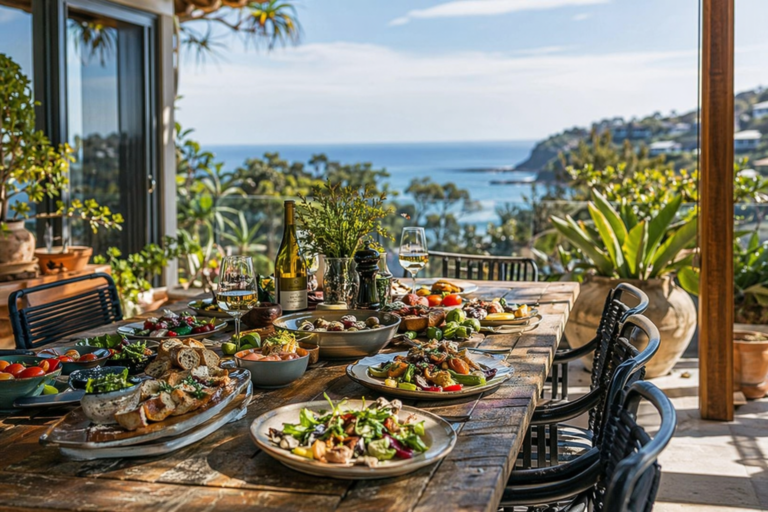
Key Highlights
-
Southern european cuisine is now a big part of Australian food because of migration, food grown here, and the way people share recipes and cooking styles.
-
Key mediterranean foods are olive oil, tomatoes, herbs, olives, cheeses, seafood, legumes, and citrus.
-
Many homes and cafes in Australia enjoy pasta dishes, paella, risotto, moussaka, tapas, and sweet treats.
-
Olive oil is right in the middle of this cooking, giving the food its taste, helping with texture, and being used every day in meals.
-
Italy, Spain, Greece, Portugal, and Southern France all add their own ideas and recipes to european cuisine.
Introduction
Southern Europe has played a big part in shaping european cuisine in Australia. It is clear why this is the case. The mediterranean diet uses lots of fresh ingredients and simple ways to cook food. Meals are often large but not over the top. In Southern Europe, people mostly cook with vegetables, olive oil, seafood, grains, and cheeses. This gives their food a fresh and clear taste. In Australia, many people like this focus on good produce and easy, shared meals. That is what makes this style so popular here.
Southern European Cuisine in Australia: Mediterranean Ingredients, Dishes, and Recipes
The cuisine of southern Europe is easy to find all over Australia. You’ll see it in home kitchens, bakeries, cafés, and restaurants. Mediterranean cooking shows up in the way people use olive oil, seafood, herbs, grains, and fresh food that is in season. This cooking style comes from life on the coast, has strong local roots, and uses simple ways to prepare food.
Southern European food is known for its variety of dishes. There’s everything from pasta and pizza to paella, moussaka, tapas, and hearty salads. All these foods fit well with the way Australians like to eat. If you want to know why these meals taste so good, you should have a look at the ingredients that go into them. That’s a good place to begin.
1. Olive Oil – The Heart of Southern European Cooking
If you want to know what makes southern Europe food stand out, the first thing you should look for is olive oil. In Italy, Spain, Greece, and close by, olive oil is the main cooking fat. It is a big part of the style of cooking here. You will find it in pans, in dressings, in marinades, and even for the final touch before serving.
Many people see olive oil as liquid gold. It brings out the taste while keeping food simple. Southern European cuisines do not use heavy sauces as much. Instead, they work with a lot of olive oil, bread, herbs, vegetables, and seafood. This keeps the food clean, bright, and easy to know.
In Australia, you will see this ingredient in nearly every pantry for european cuisine. It is perfect for salads, roasted vegetables, pasta dishes, and grilled seafood. When you eat southern european food, olive oil is the thread that ties it all together.
2. Sun-Ripened Tomatoes and Their Uses in Mediterranean Dishes
Ripe tomatoes are a big part of real dishes from southern Europe. Their value is in how fresh, sweet, and balanced they are. People in those areas use the tomato in cooking like others might use stock or cream. Ripe tomatoes have colour and make food taste deep, but the dishes are still simple.
You will find tomatoes in things like tomato sauce for pasta, pizza, and in meals that cook slowly. That is just some of how people use them. Ripe tomatoes also work well when they are raw in a fresh salad, cut up with cheese, or tossed with herbs and some olive oil. This shows how much people in southern Europe care about fresh produce.
Australian cooks have picked up this way of cooking too. Local tomatoes in Australia are great for warm days and fit well with fresh meals. No matter if you cook them slowly or serve them as they are, ripe tomatoes help make up the main taste of southern europe and show how easy and relaxed the food can be.
3. Signature Cheeses: Feta, Manchego, and Pecorino in Aussie Kitchens
Cheese plays a big role in southern european food, but you will find that cheeses are different in each country and region. Feta cheese gives a salty and fresh taste. Many people add it to Greek salads and baked food. Pecorino gives a lot of flavour to Italian dishes, while Manchego is found often on Spanish tables and with shared plates.
These cheeses are handy in Aussie kitchens because they each do something the other can’t. Feta cheese can make your veggies taste fresh. Pecorino is great to sprinkle over pasta. Manchego has a nutty taste and a firm texture, so it brings something good to the table. Just a little bit can change the way food tastes, and you don’t need lots of other things.
These cheeses are common in southern european food because they fit the main style of cooking. Think simple meals, a strong shape to each dish, and local pride in what people make. In Australia, they let home cooks make meals that feel honest and old-school, but they still go well with local food and busy lives.
4. Fresh Herbs: Basil, Oregano, Rosemary, and Thyme for Authentic Flavour
Fresh herbs are at the heart of how food tastes in southern europe. You’ll find basil, oregano, rosemary, and thyme used often. They bring a nice smell and lift food, but they do not cover up the main flavour. This is a good way to make food tasty when you want things like tomatoes, seafood, grains, or cheese to stand out.
In Mediterranean cooking, these aromatic herbs go into meat, fish, roasted veg, breads, and sauces. Oregano and basil are seen the most, but rosemary and thyme come in handy when dishes need slow cooking or grilling. The way herbs are used says a lot about the region’s style. People there like food to be clear, not heavy.
Here in Australia, it’s a good way for people to cook this way, too. Aromatic herbs grow well, work with local food, and can help turn a basic meal into something more. If you want the real taste from the area without a lot of work, fresh herbs are a top pick.
5. Olives and Capers – Salty Staples in Mediterranean Recipes
Olives and capers are salty foods you see in lots of Mediterranean recipes. These make many dishes taste sharp and savoury. Olives show up everywhere—people eat them on their own, in salads, and in hot meals. Capers are used a bit less, but they can change the taste of a whole sauce or seafood dish with just a small amount.
In southern European cuisines, people use these two to balance heavier foods like cheese, cured meats, or oily fish. You also find them mixed with tomatoes, herbs, and olive oil. This mix is what many food lovers think of when they talk about Mediterranean cooking. It is bold, but still tastes fresh and clean.
People in Australia have started to love both ingredients since they are good for easy-going meals and sharing with others. Put them in pasta, roasted vegetables, or antipasto, and the meal brings out those southern European flavours. They are small, but olives and capers add lots of character.
6. Garlic and Onion – Essential Flavour Foundations
Garlic and onion are at the heart of many dishes from southern Europe. If you start with olive oil in the pan, these two are often what bring the first wave of smell that fills the kitchen. You will find them used in sauces, braises, soups, rice, and many fillings in countries like Italy, Spain, Greece, and places close by.
The good thing about garlic and onion is how easy they are to use with other foods. You can add a bit of garlic to bring life to seafood or veggies. Onion, when you cook it slow, gives softness and body to the meal. When you put the two together, they hold up many classic recipes in european cooking. But, they do not take the spotlight away from the tomatoes, herbs, beans, or meat that you might want to show in the dish.
One thing that makes southern europe stand out in cooking is its big flavour from simple things you have at home. In Australia, people also use garlic and onion all the time, so this part of the style is easy to connect with. It helps bring together what you cook now and what you find in a good Mediterranean meal.
7. Seafood Specialties: Anchovies, Sardines, and Octopus Down Under
Seafood is very important in many southern European countries. This is because a lot of the region sits next to the Mediterranean Sea. You can often find anchovies, sardines, and octopus, which shows how the cooking around the coast shapes what people eat every day. That is also why seafood is still a big part of daily life in Spain, Greece, Italy, and Portugal.
You see these ingredients used in various forms. They might come as tapas, meze, as toppings on pasta, or grilled on plates. Some classic meals from the area are Spain’s paella, Greece’s gyros, and many seafood-based plates from Portuguese and Italian cooking. In some countries, these foods are treated as a national dish.
Australia has a strong seafood culture too, so it is easy for this type of eating to feel right at home. Local fish markets and life by the coast match well with ideas from the Mediterranean Sea. So, it is common to find anchovies, sardines, and octopus on both Aussie menus and at family meals.
8. Cured Meats: Prosciutto, Chorizo, and Salami on Australian Plates
Cured meats are a big part of southern European food. You often see prosciutto from Italy, chorizo from Spain, and salami from different places. They add salt, a rich taste, and a new texture to a variety of dishes. People can put them on platters, use them in cooking, or eat them with bread and cheese.
These meats are popular in Australia because you can use them in so many ways. You can have prosciutto as part of a simple starter. Chorizo gives more flavour to rice and vegetable dishes. Salami is good for lunches people share or when you want something for easy entertaining. Each one shows the way people like to eat in southern Europe.
When people in Australia talk about classic Italian or Spanish food, they mention these meats. They come up together with pizza, pasta, tapas, and paella. These meats may not always be the main focus, but they add something you can always spot. On Australian tables, they help make daily meals feel like Mediterranean food.
9. Hearty Legumes: Chickpeas, Lentils, and Beans in Everyday Cooking
Legumes are important in southern european food. These meals are not just about seafood, cheese, or cured meats. You will find chickpeas, lentils, and beans in many homes. People use them often, especially when making dishes with simple ingredients. They help make food last and give the meal more body. This matches the practical style you see in european cooking.
You can find legumes in all sorts of things. There are rustic soups, salads, and plates full of vegetables. They go well with olive oil, garlic, onions, herbs, and tomatoes. Because of that, they can be the star of the dish or just add more to meat and fish. With legumes, european food feels right for everyday meals, not just special times.
Here in Australia, legumes are a smart choice when you cook southern european food. They are cheap, go far, and easy to use with fresh, local stuff. If you want your pantry to have true, simple ingredients, keep chickpeas, lentils, and beans near the top of your shopping list.
10. Artisanal Breads and Rustic Grains: From Ciabatta to Couscous
Bread and grains help explain how people in southern Europe put meals together. You often see artisanal breads like ciabatta next to soups, cured meats, cheeses, and olive oil. You can find rustic grains in many dishes from the region. This focus on basic foods is one of the things that makes the cuisine stand out.
These foods show the tie to old recipes and long-time local habits. For years, wheat-based bread has been a major part of european cooking, and grain dishes are still popular. They are good for using with vegetables, seafood, or meat because they are filling, easy, and work well in many meals. Couscous also shows the strong link with the wider Mediterranean.
For Australians, adding breads and grains makes it simple to re-create southern europe meals at home. You can use a loaf of ciabatta, some couscous, and a few vegetables. Just like that, you have a good, complete meal without much work. That easy feel is part of what keeps this food loved by so many.
11. Classic Pastas and Rice Dishes: Paella, Risotto, and More
Classic pasta and rice dishes are well-known foods in southern Europe. Italy is known for its pasta, and Spain is known for paella. Paella is a famous Valencian rice dish that many say is a national dish. These meals show how people in the region use starch, local food, and their own way of cooking.
One thing that makes these dishes loved in Australia is how easy it is to change them. A classic pasta can be fast and simple. Creamy risotto is a bit slower to make and feels like comfort food. Paella is great for sharing with others, which matches the friendly style of Mediterranean meals. Any of these dishes can use seafood, vegetables, or meats.
If you think of classic dishes from Italy and Spain, pasta, creamy risotto, and paella are always at the top. These dishes are full of southern Europe flavour, but they also fit well in Australian kitchens and when family and friends gather on weekends.
12. Fresh Vegetables: Eggplant, Zucchini, and Bell Peppers
Fresh vegetables are a big part of Mediterranean cooking. Eggplant, zucchini, and bell peppers are some of the main ones. You will see them in baked meals, salads, fillings, and braised dishes. This shows how much southern European food is based on fresh vegetables. They use produce more than heavy processing.
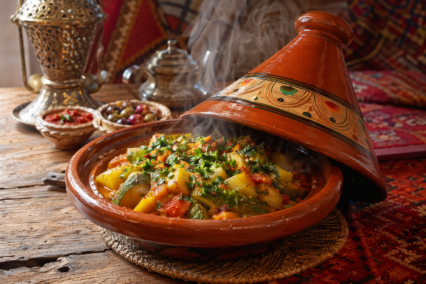
Eggplant is often used in meals like moussaka. Zucchini and bell peppers are put in mixed vegetable plates or served as a bright side dish. These fresh vegetables take in olive oil, garlic, herbs, and tomato. This makes them great for the way people cook in this area.
Australian markets make it easy to cook this food at home. When you have good seasonal vegetables, you can get the same balance that southern European meals are known for. If you want the key ingredients for Mediterranean cooking, these fresh vegetables should have a spot in your kitchen.
13. Citrus Fruits: Lemons, Oranges, and Zest for Mediterranean Aromas
Citrus fruits are key in southern Europe cooking. They bring a fresh taste that wakes up so many dishes. People here use lemons and oranges for their juice and for their zest. Zest adds a nice smell, but it does not make the food heavy. This is why food from southern Europe stands out. The food can taste bright and strong, even when you use only a few things.
Lemons go well with seafood, salads, and veggies. Oranges can sweeten something salty, or they can be nice in both sweet treats and drinks. Both fruits have a fresh taste. They help balance out things like olive oil, cheese, and meats that have been cured. That mix of strong and light flavour is what makes this style of European cooking so different.
In Australia, using citrus is one of the best ways to add a Mediterranean feel to what you eat every day. A squeeze of lemon or a sprinkle of zest can change simple food right away. It’s only a small move, but it shows how people from southern Europe like to build flavour into their food.
14. Popular Spices: Saffron, Paprika, and Black Pepper
When people think of herbs and spices in southern European cooking, some names come to mind. Saffron, paprika, and black pepper are the ones that stand out. These are popular in many dishes, but they do not cover up the taste of the food. They add colour, warmth, and a bit of depth. This matches a style of food that uses clear flavours and is always in balance.
Paprika started to be used more in Europe after the discovery of the Americas. Now, you see it a lot, mostly in Spanish food and places nearby. Saffron goes well with meals like paella. Black pepper is the seasoning that you find across the area.
Many cooks in Australia already have black pepper at home. But, adding saffron or paprika to your food can give it a taste like southern Europe. When you use them with olive oil, garlic, seafood, or rice, you get dishes that are full of flavour but do not feel too heavy.
15. Must-Try Desserts: Tiramisu, Pastéis de Nata, Baklava
Southern European food wouldn’t be the same without desserts, and there are a few that always stand out. Tiramisu from Italy and pastéis de nata from Portugal are two well-known sweets that people now enjoy all over Australia. Baklava, too, is part of the bigger southern and eastern Mediterranean group of desserts.
These sweets show what you can get from the region. Tiramisu is soft and has layers. Pastéis de nata are famous for their creamy custard filling and crisp pastry shell. Baklava has a richer taste with a lot of syrup in it. You can see from them that southern European food can be light and creamy or very sweet.
If you want more than just savoury food, you should try these classic desserts. Now, you can get these sweets almost anywhere in Australia. You will find them at bakeries, cafés, or make them at home. They are a great way to learn about southern European food.
16. Regional Wines and Mediterranean Aperitifs in Australia
Drinks have a big place at the table in southern Europe. In Australia, people have taken on many wines from places like Italy, Spain, Greece, Portugal, and France. These wines show off the different climates and coastlines, and how people there live. Some spots are by the Mediterranean, while others get their taste from the Atlantic Ocean.
Mediterranean aperitifs play a part too. They fit right in with the way people eat together. Having a light drink before food suits the style of sharing plates, talking with each other, and eating slow. So, beverages are not just an add-on. They are part of the whole experience.
If you want to pick top-rated classic dishes to eat, try them with wines from the region. You will get a better feel of the meal. Pasta, paella, seafood, cured meats, and cheeses work best when you see that they all come from the big southern European food tradition.
Top Countries Shaping Southern European Cuisine in Australia
People in Australia know mediterranean food thanks to several southern european countries. Places like Italy, Spain, Greece, Portugal, and southern france each bring their own flavours, ingredients, and eating styles. All these together make european cuisine in Australia broader. They also show us how different southern europe can be.
This is really a story of cultural exchange. Recipes, ingredients, and ways of eating came to Australia as people moved here. These then changed and fitted into local life. When you look closely at each country, you can see where each dish and tradition started.
Italy: Pasta, Pizza, and Regional Diversity Down Under
Italian cuisine is one of the strongest southern europe influences in Australia. People know it for pasta dishes, pizza, lasagne, mozzarella, and many other italian dishes, but its real strength lies in regional diversity. Different climates, coastlines, and local resources have created distinct food traditions across the country.
That variety helps explain why Italian food feels both familiar and broad. Some regions lean towards seafood, others towards mountain cooking, and many celebrate seasonal produce. In Australia, this range has translated well because home cooks can keep things simple while still cooking with regional character.
|
Dish |
Region |
|---|---|
|
Pizza |
Naples |
|
Pa sta |
Italy-wide, with strong regional forms |
|
Lasagne |
Emilia-Romagna |
|
Mozzarella-based dishes |
Campania |
Spain: Tapas, Paella, and Vibrant Spanish Flavours
Spanish cuisine brings lots of life, variety, and a clear regional feel to food in Australia. It is famous for things like tapas, paella, seafood, and a huge range of dishes shaped by geography, climate, and history. This mix gives Spanish food a bright spot in southern europe and all southern european food.
Paella stands out as the top rice dish, and it’s usually linked with Valencia. Tapas shows the fun way people in Spain share small plates with others. Seafood is also very important because Spain sits between great waters and has a strong history with the sea. These points help shape many of the classic Spanish flavours.
In Australia, spanish cuisine fits in well with relaxed get-togethers and at new-style restaurants. If you want real southern european food, you have to try paella and tapas. These dishes show the social side and bold, simple cooking that make Spanish food loved by many people.
Greece: Mediterranean Diet and Island Specialties
Greek cuisine has helped shape what many people think of when they talk about the mediterranean diet. It uses plenty of olive oil, vegetables, cheese, seafood, herbs, and grains. The focus is always on fresh ingredients that are used in a clear and even way. This style feels like it never goes out of date, and you can trace its roots right back to ancient greek food history.
The impact from the ancient greeks is a big part of Greece’s culture, but the most important thing on the table is just how plain and good the food is every day. Dishes like greek salad, gyros, and moussaka show how greek cuisine mixes fresh ingredients with flavours that feel like home. Cooking from the islands and other regions brings even more range to the food.
People in Australia love greek food for those easy reasons. It is all about being together with people, enjoying great produce, and eating outside in the nice weather. If you want to try true dishes from southern europe, Greek food is one of the clearest ways to see what the mediterranean diet is all about.
Portugal: Seafood, Custard Tarts, and Unique Spices
Portuguese cuisine brings a fresh taste to southern European food here in Australia. It stands out for its seafood dishes because Portugal has always been linked to the sea. Sweet foods like custard tarts are also loved, showing both the savory and dessert side of Portuguese food. These dishes have found their way into the main food scene in Australia.
Seafood is important in Portuguese cuisine because the people of Portugal have spent a lot of time living by the coast and trading with others. This past is a big reason why they use new spices and mix different flavors together. Even if the food is simple, you can see how it is shaped by travel, exchange, and new ideas.
For people in Australia, Portuguese food is a different take on Mediterranean meals. If you want something true to the style, try the seafood dishes or pastéis de nata. They show how Portuguese cooking blends local habits with ideas from all over the world.
Southern France: Provençal Influence and Classic Dishes
Southern France brings a fresh and herb-focused side of french cuisine to Australia. Provençal cooking is known for using lots of aromatic herbs, fresh veggies, olive oil, and simple ways of cooking. These easy methods help the flavours of the food shine. Because of all this, Provençal food fits well into the big mix of Mediterranean dishes.
Much like other food from across France, southern france has meals shaped by where you are, the weather, and old family ways. There is not just one way to cook them, and each dish comes from the local area. In the end, the food is lovely but also easy to enjoy and made with good, fresh things from the ground.
People in Australia often like provençal tastes because they go so well with sunny days and sitting down to relax. Along with italian, greek, spanish, and portuguese cooking, the food from southern france adds to the wide mix of southern European styles. It gives us a fancy but still easy way to eat at home or out with friends.
Unique Cooking Techniques and Cultural Influences
Southern European food is not just about what goes into a dish, but also the style of cooking it uses. People here grill, roast, sauté, and let meals simmer slowly. These styles are common across the southern part of Europe. The way they cook keeps the flavours simple. Olive oil, fire, and an easy approach are at the heart of it.
There is more behind southern European food though. European cooking in southern Europe shows how people have moved, traded, and mixed cultures for years. This kind of cultural exchange explains why the style of cooking and the tastes are both very local, but also something that people in other countries might know.
Traditional Grilling, Roasting, and Sautéing Methods
Yes, there are some cooking ways in southern Europe that stand out, but a lot of them are just simple ideas. Grilling, roasting, and sautéing are all key parts of european cuisine. These cooking ways help the food keep its look and build taste with heat. They don’t use a lot of heavy toppings, so you still see the real food.
In southern Europe, people use an open fire or high, direct heat for grilling. You will see this with seafood, meats, and veggies. Roasting brings out the sweet in foods like vegetables and gives more taste to meat. Sautéing with olive oil helps you get a quick and tasty base for things like pasta dishes, sauces, and rice meals.
The australian kitchen works well for these ways of cooking. They go with outdoor cooking and meals you share with family. If you hope to cook like people do in southern europe, you need to think about your technique as much as your ingredients. Often, it is how you cook that turns simple food into a good meal.
How History and Trade Have Shaped Mediterranean Flavours
Mediterranean flavours make a lot of sense when you think about the long history of southern europe. This part of the world has seen much trade, a lot of people moving around, big empires, and people mixing with folks from nearby areas. Because of all this moving about, you can find that foods, ways of cooking, and eating habits started to spread over years and years.
So, you get southern european cuisines that share a few basics but still hang on to their own local style. Italy has food that is very different from city to city. Spain’s food shows layers from its past. Greek and Portuguese meals also show how people met and mixed with others from nearby countries or over the seas. Each meal you enjoy is one way that cultural exchange stays alive.
For Australians, knowing this long history helps us understand why southern european food can feel so different, but also closely connected. You might spot the same herbs, oils, or grains in the food, wherever you go, but each country still has its own touch. The past is not away from the food—their history lives right in the food we eat.
The Role of Family and Community in Southern European Food Culture
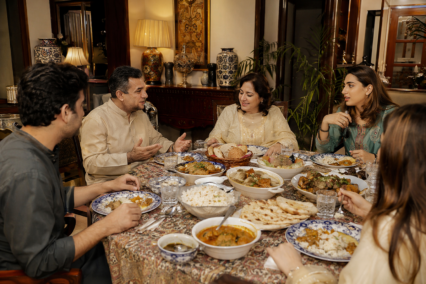
Family and community are at the heart of southern european cuisine. A lot of their classic dishes are made to be shared with others. You often see people gathering around plates of tapas, paella, or big boards of bread, cheese, olives, and cured meats. The food here makes the meal feel social, not stiff or fancy.
This way of eating together shows how culture and history shape southern european food. Food is about more than just eating. It brings people together. It helps everyone keep up old habits and who they are from one year to the next. Old recipes stay around because families keep making them, hand them down, and change things now and then, but the main idea is still there.
In Australia, people have picked up these parts of southern european cuisine. Long lunches, smaller plates to share, and easy-going meals all match up with this way to eat. When you cook southern european food in your own home, you are not just cooking their recipes. You are living out the same values as well.
Classic Southern European Recipes to Try at Home in Australia
Making southern European food at home in Australia is a great way to get to know the food beyond what you find on restaurant menus. Lots of the best meals use old recipes and straightforward steps. Plus, you can usually get all the ingredients without much trouble. That makes this cooking feel more open and less scary.
The most important thing is to use good ingredients. Let them shine and do the hard work. Some classic recipes show just how easy this can be to make, especially with quality Australian produce that fits well in Mediterranean cooking.
Greek Moussaka and Spanakopita for Aussie Tables
Greek moussaka is well-known as one of the best old-style meals you can have if you want comfort food coming from southern Europe. People talk about it as an eggplant or potato dish that is big in Mediterranean cooking. There are a few ways you can make it, and that gives home cooks in Australia plenty of choice.
Spanakopita is another part of Greek food. This dish feels a bit lighter but it shows the same love for clear, simple dishes and strong taste. These two plates are a good way to see how food from southern Europe can be rich and filling, or fresh and made from fresh produce.
The best thing for an Aussie kitchen is to get fresh produce and keep the taste simple. Use eggplant, herbs, olive oil, and some good cheese to bring out that Greek vibe. You won’t need hard cooking steps. You just need to use good stuff in the kitchen and find the right mix.
Spanish Paella and Gazpacho with Local Ingredients
Paella is one of the top dishes in Spanish cuisine. It is a big favourite in Australia, too, for people who like to share meals. This Valencian rice dish comes from southern Europe. The roots of the food are a big part of the taste. You can use local seafood and other fresh things, and the dish will still work well.
Gazpacho is a different type of Spanish dish. It is light and cool. Still, it shows how Spanish cuisine highlights simple and strong tastes. The main thing is fresh vegetables. This makes gazpacho perfect for hot Australian days and easy to put together with food from local markets.
If you use local ingredients, you do not lose the feel of these dishes. For both paella and gazpacho, the goal is to let the rice, seafood, olive oil, tomatoes, and peppers go well together. That is what makes these two Spanish classics good choices at home.
Italian Caprese Salad and Risotto for Everyday Cooking
Italian cuisine is full of simple southern European food you can make at home. Caprese salad is a great example. This salad is all about using fresh ingredients, not fancy skills. That is why it fits so well here in Australia. The tomatoes, cheese, and olive oil bring the meal together.
On the other hand, creamy risotto takes a bit more time, but it sticks to the same ideas. It is not tricky just to be showy. It needs you to cook with care, get the right feel, and mix a few things in the right way. That is why people pick it when they want good food that feels like home.
If you want to pick some classic dishes to start with, both of these give you a good mix. Caprese salad is fresh and quick, while risotto is warm and filling. Together, they show you how simple and handy Italian home cooking can be when you have fresh ingredients and olive oil.
Conclusion
In short, Southern European cuisine adds a lot of colour and flavour to Australia’s food scene. When you use things like sun-ripened tomatoes, fresh herbs, and good cheeses, you can make meals that bring the feel of the Mediterranean right to your table. The way different cultures come together, such as Italian pasta and Spanish tapas, shows how European cooking can be so tasty and flexible. If you try making classics like moussaka or paella, keep in mind that the heart of european cuisine is all about coming together and sharing food with others. Why not jump in and have a go at this food journey? If you want to know more about how to put these great flavours into your meals, get a free trial or a chat today!
Frequently Asked Questions
What defines southern European cuisine and what makes it unique?
Southern European cuisine stands out because it uses fresh and local food. You will find strong flavours and simple ways to cook that have been used for many years. Olive oil is very important in these meals. They also use lots of herbs and seafood. Each place has its own way of making food, shaped by its history and where it is on the map. This gives us many rich dishes to enjoy. European cuisine from this part of the world brings people together through the food they share.
Which ingredients are essential for authentic Mediterranean recipes?
The key things you need for real Mediterranean recipes are olive oil, fresh herbs like basil and oregano, garlic, tomatoes, chickpeas, and different seafood. These foods mix together and give the bold taste you find in European cuisine from the south. When you use them, your dish will have that true Mediterranean flavour.
Where can I find authentic southern European recipes online in Australia?
For real Southern European recipes online in Australia, you can look at websites like Taste.com.au, SBS Food, or Pinterest. You can also find a lot by checking local blogs or Facebook groups. Many people like to share their favourite Mediterranean food ideas and cooking advice in these groups. Enjoy trying out new dishes!