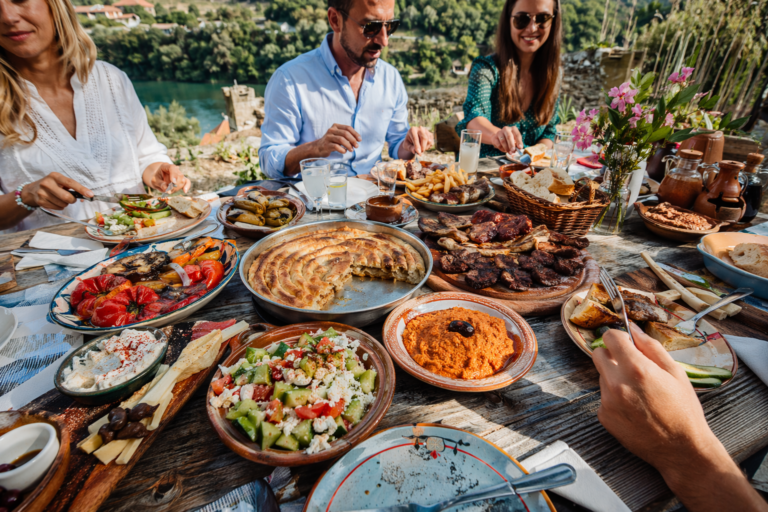
Key Highlights
-
Balkan cuisine brings together shared food traditions with strong regional variations found across the Balkan Peninsula.
-
This style of european cuisine tells a lot about the past, especially the long influence of the ottoman empire.
-
You can find iconic balkan dishes made with pastry, beans, peppers, cabbage, cheese, and grilled meat.
-
Fresh herbs give the food plenty of taste, along with paprika, black pepper, and olive oil.
-
There are vegetarian dishes and meat-based dishes often found in balkan cuisine.
-
For Australians, these meals can give you travel inspiration and a taste of somewhere new without leaving home.
Introduction
Southeastern european cuisine brings the old ways, family dishes, and fresh local food together. It feels warm and has so much variety. In the balkan peninsula of europe, what people eat often shows how people sit and eat together, use food stories from family, or change food a bit from place to place. Because of this, you will see one meal pop up in many different spots—but each time, you get a new and special taste. If you want to know more about this area, starting with its food is a good idea. Food shares a bigger story in an easy way, so it does not seem hard or far off.
Essential Balkan Flavours and Regional Dishes Australians Will Love
If you want to know what people say are the most popular dishes in south eastern European cuisine, start with those well-known classics the locals talk about a lot. In balkan food, you will find a lot of pastry, grilled meat, beans, peppers, and cabbage. Many of these dishes are a national dish in one country, but a favourite on the dinner table in another.
In european cuisine and eastern europe, there are some iconic balkan dishes that stand out. These include ćevapi, burek, sarma, ajvar, shopska salad, gibanica, and tavče gravče. Each one is a good example of how simple food can become the meals people remember. Here, you can have a closer look at why these dishes mean so much to both locals and people who come to visit.
1. Ćevapi – The Iconic Grilled Sausages
Ćevapi is one of the first things people talk about when you ask, what are the most popular dishes in European cuisine, especially from the eastern side? These little grilled pieces of sausage are some of the best-known meat dishes across the Balkans. People like them because they are easy, fill you up, and are simple to spot.
They fit in well with the food around here thanks to their clear, no-fuss flavour. Most of the seasoning is made with black pepper and paprika, so there’s nothing too rich or heavy. This gives them a strong but familiar taste, which a lot of Australians can enjoy from the first bite.
You’ll find that, all over the Balkans, different places have their own versions of ćevapi. People add their own local habits and use what they can get nearby. This shows a bit about the region. While folk have a shared history, you can still see each area’s identity come out. If you want a dish that sums up everyday Balkan comfort, ćevapi is the way to go.
2. Burek – Flaky Pastry Filled with Savoury Goodness
Burek is a well-known dish from eastern Europe that many people should try. This food comes from a wider group of pies that you see all over Europe, where cooks use simple, everyday things to make good meals. In many southeastern homes, this pastry brings back old memories, helps people save money, and gives comfort all at once.
You might also see that burek is a great example of how one recipe can travel and change. There are their own versions in different places, but the main idea is the same: thin pastry wrapped around a savoury filling and baked until it is crisp. It is not fancy in how it looks. What matters are the texture, the warmth, and having a bite that makes you happy.
Common features include:
-
flaky pastry layers instead of dough balls
-
popular fillings like cheese or other savoury foods that are often eaten
-
local own versions shaped by what families like and the taste in that area
3. Sarma – Stuffed Cabbage Rolls
Sarma is one of the old recipes that really shows the practical cooking style of this area. It is made using cabbage leaves filled with a mix inside, then rolled up to make nice and simple cabbage rolls. In some places, people use vine leaves in similar meals, which shows how food ideas move from one country to another.
In eastern and southeastern Europe, food like this has even more meaning. Cabbage is important because it keeps well and helps families get through tough times. Because of that, sarma is not just food. It stands for making do, saving what you have, and showing respect for the things most used in the kitchen.
When families eat together, sarma fits right in because people here love meals you can share that make everyone feel good. People often put a spoon of sour cream on the side, which makes sense because sour cream goes with lots of things like sauces, soups, and dips in eastern europe. For people in Australia, sarma is a good home-cooked dish that brings warmth, balance, and a classic feel.
4. Ajvar – Roasted Red Pepper Spread
Ajvar gives you an easy look at the flavours and food you often find in south eastern Europe. This balkan food favourite uses bell peppers the most. People add eggplant, then mix it into a spread that can be smooth or a bit chunky. It has a bright and tasty flavour but does not feel too heavy.
What grabs your attention is how well it shows off what people eat in the balkans. The use of bell peppers and eggplant shows the southern spots in the area. Olive oil brings a little bit of Mediterranean style. You can see with one try that the food from here has a good mix of fresh taste, rich flavour, and what people there need for everyday meals.
Ajvar also works well because you can use it in so many ways. It goes great with grilled meats, pastry, beans, or salad. It will not take over the taste of the other food. That is one reason people like it and remember it. If you want to try balkan food and need a simple start, ajvar is a good pick. It is easy to enjoy and easy to understand.
5. Shopska Salad – Fresh Balkan Salad
If you want to know if there are any vegetarian options in European cuisine, the answer is yes—shopska salad is a good pick. Shopska salad is fresh, simple, and light, so it is easy to like. It uses raw veggies instead of cooking for a long time, which helps the food taste clear and bright.
For Australians, this meal is easy to enjoy. The flavours are bold and simple. The cucumbers and tomatoes keep the salad tasting fresh. Feta cheese gives some salt and a rich touch. A bit of parsley on top makes the whole salad feel complete. You can see that Balkan food and eastern European cuisine have more than just meat and big, heavy dishes.
You can spot shopska salad by looking for these main parts:
-
chopped cucumbers and tomatoes to give freshness and crunch
-
crumbled feta cheese for a creamy, sharp top
-
parsley for a fresh, green taste
6. Gibanica – Traditional Cheese Pie
Gibanica is another well-known dish from eastern Europe that you should try. Like many other pies from this part of Europe, it uses pastry and dairy in smart ways. It’s a warm, comforting food that people often make at home and share with family. You won’t feel like you’re eating a fancy restaurant dish—this is something for everyday life.
The most important thing about gibanica is what goes inside. Cheese is the main part, often sort of like feta, with a salty and crumbly feel. This gives the pie a good, savoury taste that makes it work well as a main dish, or together with other foods on your table. It makes you feel full but is not too heavy.
You can see dishes like this all across eastern and southeastern Europe. Pies there are simple to make and easy to change to suit what you have. Some places also make sweet versions, so you can see how flexible pies can be. Gibanica is something special because it’s both flexible and always gives you a cosy, comforting meal.
7. Tavče Gravče – Macedonian Baked Beans
Tavče gravče is one of those old recipes that brings out the simple side of southeastern cooking. This baked bean dish from Macedonia uses basic things most people have in the pantry, but it still tastes great. In a region shaped by value and home-style food, meals like this make a big difference.
The dish is not really a stew, but it has that same warm feeling you want from slow-cooked food. You can see it fits right into eastern european cuisine, where beans, cabbage, pastry, and sour dairy are often part of many meals. The dish ends up being both useful and filling.
For Australians, this meal is a good reminder that balkan food is more than grilled things and pastry. Macedonia adds solid plant-based dishes to its food, too. Tavče gravče is proof that beans on their own can feel good and full of comfort, when there’s a long-standing, confident cooking tradition behind them.
Key Ingredients and Flavour Profiles in Southeastern European Cuisine
If you want to know about the flavours and ingredients in food from south eastern Europe, picture balance instead of going over the top. In many balkan countries, cooks use things you often have in the pantry, a mix of spices, and some fresh, in-season herbs. You will see spices like paprika and black pepper show up a lot. They give food a warm taste but do not take over the whole meal.
There is also a lot of freshness. In summer, herbs and veggies light up the dishes, and olive oil is used more in the south. People use fennel seeds, caraway, dill, and parsley. They might not use a lot, but these add smells and depth that matter. All of this makes the food what it is and explains why the next dishes taste so good.
Common Herbs, Spices, and Staples
Many southeastern dishes depend on a small group of herbs, spices, and staple foods used with care. That is one reason the cuisine feels grounded and approachable. You do not need dozens of seasonings to understand it. Instead, you see repeated ingredients used in different combinations across homes and regions.
Fresh herbs are especially important in warmer months. Dill and parsley appear often, while black pepper and paprika bring gentle warmth. Sour cream, cabbage, pastry, and cheese also carry a lot of weight in everyday meals. These ingredients help shape the region’s familiar comfort and variety.
|
Ingredient |
How it commonly contributes |
|---|---|
|
dill |
Adds a fresh, light herbal note to simple dishes |
|
parsley |
Brings brightness and a clean finish |
|
black pepper |
Gives mild heat and depth |
|
paprika |
Adds warmth, colour, and savoury character |
|
cabbage |
A practical staple used in many home-style meals |
|
sour cream |
Softens and enriches sauces, soups, and sides |
Typical Cooking Techniques Unique to the Balkans
Are there any unique cooking techniques found in south eastern European cuisine? The answer is yes, and most of these ways of cooking are simple instead of showy. A lot of Balkan cooking comes from needing to do a lot with just a few ingredients. This is why things like baking pies, fermenting cabbage and other vegetables, and slow family-style cooking matter so much.
The past is important too. Many places in this area were once part of the ottoman empire, so cooking ideas travelled across the region. This helps make sense of why you find similar dishes in a few different countries, but with some regional variations. The names and small details can change, but the main way to make these foods is easy to see. European cuisine and eastern European cuisine are not set by intellectual property laws but rather by people passing them down for years.
Some things you will see a lot are:
-
fermenting vegetables like cabbage to add flavour and keep them good for longer
-
baking filo-style pies with savoury cheese inside
-
making big shared dishes meant for family tables that seat many people at once
Regional Variations: Exploring Different Southeastern European Countries
Southeastern European cuisine does not follow just one single way of cooking. The balkan peninsula is made up of different countries. Their foods can look or taste similar, but each country’s food is not the same. History, people moving in and out, trade, religion, and changes in borders all play a part in what people eat. This is why you might find one pastry, salad, or grilled dish that feels like it belongs here and also somewhere else.
When you start to look deeper, the differences between regions really stand out. Serbia, Croatia, Bosnia, Greece, Albania, and Macedonia each add their own touches to food. People eat different things depending on the weather, what grows nearby, and their culture. The next few parts look at how the local dishes change across these countries.
Culinary Highlights from Serbia, Croatia, and Bosnia
Serbia, Bosnia, and Croatia often come up when people talk about iconic balkan dishes. These places have some foods that you can spot in all three, like grilled meat, pies, and meals made with cabbage. Even with these things in common, each country has its own way of doing food. What people in each spot like to eat and their past still stand out at the dinner table.
One reason they have dishes that look alike is because these countries have been linked for a long time. Families and even borders have shifted over the years. People and how they eat have moved around too. That’s why you might see one dish in all these spots, but every country feels like it’s their own and eats it in their own way. The dishes may come from the same roots, but local pride and each area’s style are both there.
Here’s how you might think about what they’re known for:
-
Serbia is famous for grilled food like ćevapi
-
Bosnia is loved for hearty comfort meals you share at the table, and for its pastries
-
Croatia shows off different tastes in its food, so you get heaps of regional flavour with its own local style
Greek and Albanian Influences in Balkan Dishes
Cultural heritage helps shape balkan food by bringing in new ideas on top of old ones, not by swapping them out. You can really see this in things passed down from greek and albania. People in the southern balkans often cook with olive oil and salty white cheese, a lot like feta cheese. This gives the food a lighter, fresh taste like what you get in the Mediterranean.
This mix of food makes a lot of sense, knowing the region has always changed a lot. Over time, trade, different empires, and new borders all made food ideas move around and blend in different places. All this history connects the balkans to the Ottoman and Mediterranean worlds, especially in the south. Things like filo pies and dishes filled with cheese sit right with the old foods close by. That’s a big story for both greek and albania.
In Australia, people might find balkan food easy to try. If you already like a greek salad with flavours like fresh vegetables, green herbs, and dishes made with olive oil, you will spot the same tastes here. The main thing in balkan cooking is that it keeps all these things close to home and meant to be enjoyed with family and friends at the table.
Conclusion
To sum up, Southeastern European cuisine gives you a mix of different tastes that stand out in the world of food. With the juicy Ćevapi and the warm Burek, every meal shares a bit of the history and ways of the people there. The lots of ingredients, tasty spices, and ways of cooking in the Balkans make food taste great. They also let you see the deep roots of this area. It does not matter if you love food or are just starting to try new things — you will find something you like here. Why not give it a go and jump into these Balkan tastes? Try a free sample of recipes from the region and begin your food trip today!
Frequently Asked Questions
Are there vegetarian options in Balkan cuisine?
Yes, it is easy to get vegetarian choices in balkan cuisine. You can go for shopska salad, bean dishes, spreads made with pepper, and cheese pies. Some cabbage rolls in this cuisine can be changed a bit, depending on the house. You may find pastries in sweet versions as well. Feta cheese or other white cheese is used a lot in balkan cuisine.
How do Balkan meal structures compare to Australian meals?
The way people eat can be more about eating together and sharing at the table. This is more common than what you find in a lot of Australian homes. In europe and eastern europe, you may see a few different foods put out at the same time, instead of just one main dish for each person. So, you get to have some iconic balkan dishes as part of a bunch of things to eat, not just as single dishes for each person.
What makes Balkan food different from other European cuisines?
Balkan food shows how much history shapes the taste. The ottoman empire left a mark, mixing with local ways to make a cuisine that is about simple cooking, meals that people share, and low-key spices like paprika and black pepper. When you think about some parts of the black sea or places not so close, balkan food feels more mixed and has a down-to-earth, home-style feel.