Key Highlights
-
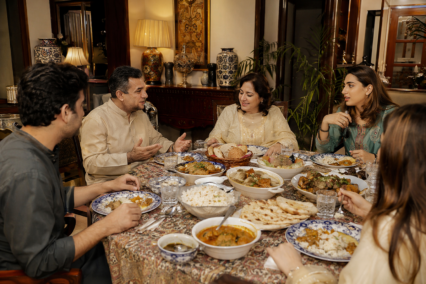
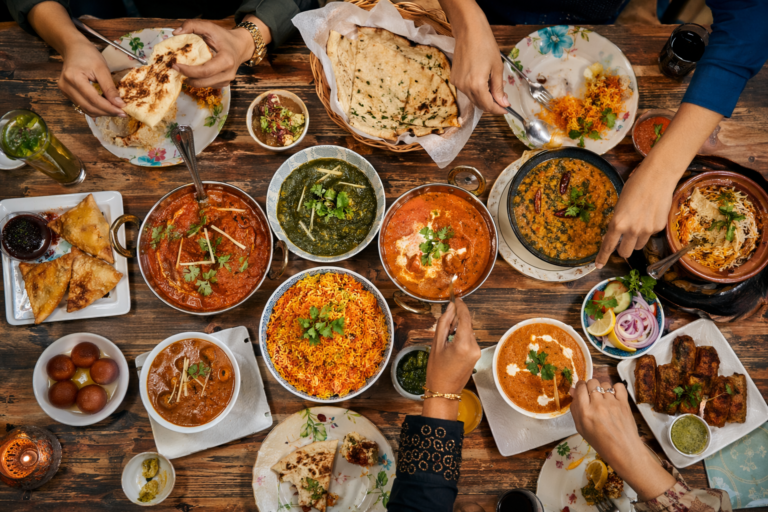
South Asian cuisine in Australia tells the story of people moving, travelling, and people having a growing love for Asian cuisine.
-
The taste stands out because of spice blends, aromatic spices, and strong roots in local ways of cooking.
-
People in Australia get to enjoy both casual food and fine dining made with South Asian flavours.
-
There are always curries, rice dishes, breads, snacks, and festival sweets on the menus.
-
You see different styles with food coming from India, Pakistan, Sri Lanka, Bangladesh, Nepal, Bhutan, and Maldives.
-
This growth is now a big part of Australian food culture. It’s clear in how people eat every day.
Introduction
South Asian cuisine is now a big part of how people eat in Australia, and it just makes sense. In both the city and the suburbs, people want Asian food because it brings warmth, balance, and so many tastes. Why do people keep coming back for more? It’s because of the special mix of spices, how so many families help cook, and the strong local styles that make each meal stand out. In Australia, interest in South Asian flavours is getting bigger, thanks to restaurants, travel, and cooking at home. South Asian food is now something many people know, love, and enjoy so much more than before.
Understanding South Asian Cuisine and Its Rich Heritage
South Asian cooking is known for its rich flavor, strong spices, and long history. In Australia, the way people enjoy this food has grown. You can find it in restaurant menus, in family recipes, and in the meals shaped by memory, moving from one place to another, and what grows nearby.
There is a lot of variety in Asian cuisine because countries, and even the parts inside a country, all have their own method of cooking, favorite foods, and spices that they use. This is what makes South Asian food feel so wide. The next parts will show you more about this.
What Defines South Asian Cuisine?
South asian cuisine is all about balance, different layers, and strong local identity. In South asia, people make meals using main ingredients like rice, grains, lentils, vegetables, dairy, and meats. These are things many of us know, but the way they season and cook them is what makes asian cuisine stand out.
A blend of spices plays a big role in making South asian food what it is. Aromatic spices such as black pepper, mustard seeds, and garam masala give food more than just heat. They add a strong smell and warmth, making each bite full of contrast and something you remember.
Most people talk about indian cuisine first when they think of asian food, but this is only one part of the big story. South asian food is shaped by local traditions, the way families cook, and the ingredients people use in their own area. These things make every meal stand out, so you always get something familiar but also very different here in south asia.
History and Evolution of South Asian Culinary Traditions
South Asian cuisine is shaped by old cooking styles, the movement of people, and changes in what is available to use. In Australia, this still goes on. Chefs and families change dishes to fit new produce, the time of year, and what people want to eat. This is common for asian food, as these traditions move from place to place.
Some well-known rice dishes and methods are from the Mughal Empire. You see these the most in parts of India because the Mughal way used rich sauces, layers of rice, and well-used spices for meat. This style has a big effect on the asian cuisine you see at restaurants.
At the same time, each area kept their own way to cook. Many parts of India and nearby places use different oils, grains, or special spice mixes. Because of this, south asian food is never just one way to cook. It has a big past, and in Australia, south asian cuisine is always changing.
Key Differences Between South Asian and Southeast Asian Cuisines
People sometimes mix up these food styles, but southeast asian cuisine and south asian food are not the same thing. Both stand out and make a mark on your taste buds, but they don’t build flavour the same way. In Australia, people notice this because many menus show off dishes from both places.
Southeast asian fare is known for being fresh and light. It uses a lot of herbs, fish sauce, lime juice, and things that pop with quick taste. Well-known favourites are pad thai and massaman curry, which many Aussies already know and like. On the other hand, south asian food goes more for flavours that build over time. Here, you often find more slow cook spice, lentils, breads, dairy, and rich gravies that feel warm on the tongue.
Some of the main differences are:
-
South asian meals use big spice mixes like garam masala.
-
Southeast asian food often shows off herbs, lime juice, and fish sauce.
-
South asian plates have a lot of breads, lentils, and thick curries.
-
Southeast asian dishes are brighter, sharper, and have a cleaner, lighter finish.
Countries Shaping South Asian Cuisine in Australia
In Australia, south asian food comes from many south asian countries. India, Pakistan, Sri Lanka, and Bangladesh are often the ones you see most on menus. Nepal, Bhutan, and the Maldives add to the scene, but you might not see them as much.
Each country has its own food style that makes it different. This is important. People now look for what makes one dish stand out from another. They do not just want a wide label. They want new flavours, main ingredients, and styles of cooking that are easy to spot. The next parts talk about how these south asian countries shape south asian dining in Australia and change the way people try asian food.
Staple Foods from India
For a lot of people in Australia, Indian food is where they first get to know South Asian food. Indian food is easy to find, and that’s helped these dishes to be a big part of everyday meals. If you are just starting with this kind of food, this is often the place to start.
Basmati rice is at the heart of many rice dishes in Indian cuisine. It goes well with many curries and plates people can share. For a main course, you might see butter chicken, chicken tikka masala, roti, naan, or maybe a simple dish made with lentils. These meals are usually the first that people try. They feel good to eat because some parts are familiar to everyone, but they still give you something new.
Butter chicken is one chicken recipe people know really well. It is soft, tasty and has a bit of sauce and spice, but all of that is in good balance. This helps lots of people get into Indian food and it explains why Indian cuisine, with dishes like butter chicken and basmati rice, has a strong place in Asian food in Australia. It’s also a big part of south asian food in general.
Distinct Culinary Signatures of Pakistan
Pakistani food in Australia gets a lot of love for serving up big, filling meals with bold seasoning and strong family tastes. It mixes a bit with food from places nearby, but the the way it comes together here gives it a fresh twist when you sit down to eat. This really stands out when you try everyday curries or dishes that need a long time on the stove.
When a menu is built around the Punjab region, you might notice food with thick gravies, some grilled meats, lentils, and breads popping up a lot. Things like chicken curry and dal makhani are good examples because they make you feel comfort, warmth, and lots of flavor in every bite. Mustard oil also helps steep some meals with a louder taste that sticks around.
There are a few meals, like palak paneer, that you’ll find in both Pakistani and other spots’ menus, which shows these food ways have a fair bit in common. But, Pakistani food brings its own spin through the things used for seasoning, the way it feels on your tongue, and how everyone gets together at the table to share a good feed.
Bangladeshi Cuisine and Its Flavour Profile
Bangladeshi food adds something special to South Asian food in Australia. It is known for the way it uses rice, fish, pickles, and easy spice. The flavours are lively. That means they stand out but do not feel too heavy.
Mustard seeds and mustard-based spices give a clear taste, and lime juice adds some brightness. This is important because it lifts the dish and keeps it tasting fresh. These things can show people that South Asian food is not just about strong sauces all the time.
There are also parts where Bangladeshi food crosses with parts of India, especially at the borders and in shared ways of cooking. But Bangladeshi food has its own style. Things like rice batter dishes, snacks, and homestyle food show that style—even if menus in Australia make them a bit simpler.
asian food, south asian, rice batter, mustard seeds, parts of india, south asian food, lime juice
Sri Lankan Specialties in the Australian Food Scene
Food from Sri Lanka is being noticed more in Australia, as people want more than the same old curry-house dishes. The reason is clear. The meals are bold and full of flavour. You get a lot of spice and coconut in them, and each dish has its own feel.
Coconut milk is used a lot, and it gives a rich, smooth taste to curries. It does this without making them less spicy. The use of curry leaves brings a good smell, and red rice is often served instead of the basmati rice that many of us know. These things make meals from Sri Lanka stand out and feel real.
Coconut chutney and other side dishes help shape this food, too. On the food scene in Australia, Sri Lanka is strong because it mixes comfort with excitement. If you want a dish that is like what you know but still new, Sri Lankan food with coconut milk, red rice, and curry leaves is a good choice.
Influences from Nepal, Bhutan, and Maldives
When people talk about South Asia, there are some countries that are easy to miss. These places do not always get noticed, but they still have a big part in the asian food story. In Australia, you might not see them much on main menus. However, they help us understand south asian food in a new way.
Rice flour, grains, seafood, herbs, and warming spices such as black pepper are often used in their food. You will find their dishes are shaped by the land, from the mountains to the islands. This makes south asian cooking feel wide and interesting.
With many of these dishes, it is not just about taste. People care about getting good health benefits from their food as well. The flavour, feel, and what the meal does for you all matter as well in south asia. Even if the food is simple, it is still tasty and good for you. If you want to try something new, these foods open your eyes to new parts of south asian food—not just the favourites everyone knows.
Essential Ingredients in South Asian Cooking
South Asian cooking is built on a few main things. There are core ingredients like rice, grains, lentils, veggies, dairy, and proteins. These make up the body of many meals. Breads and rice dishes finish off most plates. This is the base of much south asian food.
What sets asian food apart is the flavour. Aromatic spices, fresh herbs, onions, garlic, and ginger all play a big part. These take simple foods and make them stand out. This mix is very important for the taste in south asian dishes. In the next parts, you’ll see how each one comes together.
An Introduction to Signature Spices and Herbs
Spices are a big part of South Asian food. They bring more than just heat. Aromatic spices set the smell, warmth, and finish to each dish. They help food taste full instead of plain. That’s why even a simple meal can stay in the mind for a long time.
Garam masala is one name that stands out in asian food. It is a warming blend that you can use at the end or all through the cooking. It can build up the flavour. Mustard seeds give a sharp and nutty taste, while curry leaves add a savoury smell. This gives curries and sides a real lift.
Fresh herbs are important too. They can make a rich meal taste lighter. This stops things from being too heavy. For many south asian dishes, the mix of cooked spices and fresh herbs is what makes the flavour stay with you. The way they come out together in south asian food is really something to remember.
Staples: Rice, Grains, and Lentils
Rice, grains, and lentils make up the heart of many South Asian meals. You will find the food to be practical and good for many uses. These basics are tied to the lives of people in the region. Without them, South Asian food would not have its shape or that warm feeling people get from eating it.
Basmati rice is found in a lot of Asian food places around Australia. You will see it with curries, grilled foods, and larger rice dishes. Its pleasant aroma and soft texture help make each dish special. You can find rice flour too, used in bread, as batter, or in snacks. This shows that one ingredient can go many ways, adding to rice dishes we all love.
Lentils and grains also play a big part, giving Asian food more body, balance, and a taste you remember. The reason South Asian food stays with you is not just from the spice. It comes from the way the basic foods soak up the sauces and aromas. This makes every meal taste full and sets south asian food apart.
Vegetables, Dairy, and Proteins in Daily Dishes
In daily South Asian cooking, people usually try to use vegetables, dairy products, and proteins in balance. One thing doesn’t take over the plate. This way of cooking helps make each meal feel different, easy to put together, and good to eat. It is also a reason why south asian food can work for many kinds of tastes and eating styles.
Vegetables are often the main part. They’re not just there as something extra. In south asian food, you will often see dishes with spinach, potatoes, onions, or eggplant at the centre. Palak paneer is a great example. You get greens and dairy coming together in one meal, and it does not feel like something you just add on the side.
You still get protein playing its role, though. That can be from chicken curry made on a quiet day, all the way to meals saved for a special time with richer food. Fresh herbs come in right at the end. They help the food look and taste full of life. By using these simple everyday parts, keeping spices just right, and putting different things together, asian food like this stands out from everything else you see around the world.
The Foundation of Flavour: South Asian Spice Blends
One big reason South Asian food stays with you is the way it uses a combination of spices. The mix you get is not just about heat. It brings warmth, sweet smells, and a deep flavour to each meal at the same time. This is why most south asian food, even when it is spicy, still feels balanced and good, not too much for you.
Garam masala is a well-known mix, but that is just one part of south asian food. The use of black pepper, some toasted seeds, and different seasoning options all help to shape the taste when you eat. In the next parts, you can see how these ideas show up in real dishes.
Garam Masala and Its Variations
Garam masala is known as a key South Asian spice mix, and there is a good reason for that. It gives a dish warmth, a nice smell, and helps round out the taste, making the food feel complete. Many home cooks add garam masala near the end, as a last touch and not the whole base of the taste.
The flavour of garam masala can change a lot. The mix depends on what spices people use and the cook’s own method of cooking. Some mixes feel soft and sweet. Other mixes are sharper or peppery. This change is a big part of why people like it so much.
Garam masala does a good job of working with many main ingredients. People use it with vegetables, dairy, lentils, and meat. It never covers up their own flavour. This helps explain why many still see it as important in South Asian cooking. It does not take away from each region’s own style or taste. Instead, it gives dishes a sense of warmth and helps bring everything together.
Using Fresh and Dried Spices for Depth
Fresh and dried spices both have their place in South Asian cooking. Dried spices are often used to build the main taste of a curry. They give it depth and make sure the flavour lasts. Fresh elements come in after, to lift the dish and stop it being too heavy.
This is how you get good depth in the flavour. You can make things warmer when cooking with spice blends. At the end, adding fresh herbs gives a pop of brightness. This difference is why South Asian dishes often taste layered, and not flat.
Aromatic spices work best if used at the right time and with care. Add them too early, and some flavours may be lost. If you put them in too late, the food may not feel finished. But when a cook balances dried spices, onions, and fresh herbs well, the curry gets a deeper taste that stays with you after you finish eating.
Aromatics for Curries: Ginger, Garlic, and Onions
Before a lot of South Asian curries get their punch, they need a base. Ginger, garlic, and onions are key at this first point. They give a deep, rich flavour, add a bit of sweetness, and give the dish some structure. This helps every other part of it fit in the right spot.
When you make chicken curry, this rich base really shapes the whole meal. The sauce tastes with more depth, the spices blend with the rest of it, and the chicken as the main course stands out on the plate. Using curry leaves after that can bring in another fresh smell that lifts the flavours.
That is why South Asian food sits with your taste buds so well. The full flavour does not come from just one thing. It happens because it is built up—aromatics start it, spices follow, and extra touches come in at the end. Taking that bit of time gives curries their well-known feel and a warm pop you remember.
[asian food] [south asian] [chicken curry] [main course] [taste buds] [curry leaves] [south asian food]
Curries: Variety and Regional Customisation
When people think about South Asian food, they often picture curries first. But there’s not just one kind of curry in asian food. A chicken curry can taste very different in another part of the region. This happens because the method of cooking, the kind of fat, the spice mix, and the way people finish the dish are all different.
That’s why butter chicken, peppery coconut-based curries, and lighter home-style gravies all get called by the same name. Regional cooking has a big say in how the curry will taste, and ingredients like curry leaves can switch up the taste fast. In the next parts, you can see how these changes show up in south asian food.
Indian Curries: From Butter Chicken to Rogan Josh
Indian cuisine brings some of the most loved curries to Australia. You can get many kinds, not just one. Some menus have butter chicken and chicken tikka masala, but there are also darker, slowly cooked dishes from different places. That big choice is part of what makes Indian cuisine popular here.
The method of cooking changes how the curries turn out. Some use a soft, creamy sauce. Others need onions that get dark, whole spices, or a longer time on the stove. These ways make the curry feel different and taste different.
You can see this most in the dishes from different regions. Butter chicken is smooth and feels easy to like. Rogan josh is deeper and more savoury. Both are part of Indian cuisine, but they give you their own tastes and feelings. That big range is why Indian curries are a favourite for many people in Australia.
Pakistani and Bangladeshi Curry Specialities
Pakistani and Bangladeshi curry styles often give you a deeper savoury taste. There is a clear touch of home-style cooking in both. While they use some of the same main ingredients as other south asian countries, the food looks and tastes different when you eat it. The texture and what gets focused on in the dish can change a lot. This is important when you want to get what makes each region unique apart from the others.
In some Bangladeshi dishes, people use mustard oil to sharpen the taste. You can really taste the difference. In Pakistan, popular dishes often come with thick gravies. People usually cook these for a long time, and there are some rich lentil-based foods like dal makhani that many love to eat. These rice dishes and curries are so popular because they are filling and full of flavour.
Rice dishes have a big role with curries. They’re eaten in a way that helps balance all the strong tastes. When you look at the main ingredients in each type of south asian curry, it gets clearer. They might use the same things, but cook them in different ways. That is why food across south asian countries stays connected, but still ends up tasting new from place to place. The basic ideas remain, yet the taste and way they finish dishes change with each tradition.
Sri Lankan Curries: Coconut and Spice Forward
Sri Lankan curries are different because they use a lot of coconut and spice. For people in Australia who usually eat North Indian food, this might feel new and good. The food is easy to enjoy, but it also has a stronger taste.
Coconut milk makes the dishes smooth and thick, but it does not hide the strong taste. Black pepper brings heat, and curry leaves give off a savoury smell that is clear. When you put these together, you get a rich flavor that is bold, but never dull or too much.
Sides like coconut chutney can lift up the whole meal and add something special. This is one way to see how curries change across South Asia. Sri Lankan curries show that using coconut milk does not always mean the food will be mild. It can be strong, smell great, and stay with you for a long time.
Street Food and Everyday Snacks
Street food is one of the best ways to try asian cuisine. It is easy to enjoy, full of different textures, and made for a quick bite instead of a long meal. This is why street food is so good for anyone tasting south asian food for the first time.
Many popular south asian snacks use lots of crunch, spice, and strong flavours. The dipping sauce or chutney you get with it is just as important as the main snack. These dipping sauces can bring some sweetness, spice, or a sour kick. If you want to know what people eat every day, you should try these popular south asian snacks. They are a good place to begin.
Samosas, Pakoras, and Bhajis
For many people, these fried snacks are their first taste of south asian street food. They are the kind of food that’s easy to share and easy to spot. Each bite is full of flavour. In Australia, you find them at casual takeaway shops, as starters in restaurants, and at food stalls.
Indian cuisine has helped people everywhere get to know these popular dishes. The main reason for their appeal is simple. You get a crisp outside, a soft middle, and they go really well with chutneys or any dipping sauce you like. Some snacks have grain-based batter, and for others, rice batter or flour-based coatings help make a light, crisp crunch.
If you are not sure where to start, try:
-
Samosas for a crisp pastry shell and a savoury filling
-
Pakoras for small fried vegetables you can pop in your mouth
-
Bhajis for snacks with lots of onion and a spicy taste
These foods work so well because they give you the flavour of south asian food in a quick way, so you do not have to sit down for a big meal.
Chaat and Other Tangy Favourites
Chaat brings you another taste of South Asian street food. It’s not just about fried texture. In chaat, you get crunch, softness, spice, and sauces all in one mouthful. The food is lively and a bit messy, and that’s what makes it fun.
What stand out in chaat is its tangy taste. Things like lime juice, chutneys, yoghurt, and spiced toppings mix for some real kick. You get a bit of sweet, salty, sour, and heat. But the dish never feels too heavy.
If you are new to South Asian street food and have tried samosas or pakoras, chaat should be your next stop. It shows how these snacks can be put together. It is not only about one part or flavour. You build the dish from different small pieces, so every bite is exciting right from the start until you finish.
Breads: Naan, Paratha, Roti, and Dosa
Bread is an important part of south asian food. Not every type of bread is used the same way. Some breads are soft and good for scooping up curries. Some are flaky or crisp. Some bread is made with rice flour and may be fermented. This range of breads is one reason bread is central in south asia, not just something on the side.
People in Australia know naan and paratha well. These are usually served with curries or grilled food. Roti is also an everyday bread people use. Dosa comes from south india. It is thin and made from rice flour. Every bread gives you a new texture and a different way to eat your meal.
You might notice names like roti canai on menus with other asian foods in Australia. This shows these cultures often sit next to each other and share ideas. If you are new to this food, it is good to try these breads. They will help you see how south asian meals are built, how they are shared, and how people enjoy them.
Sweets, Desserts, and Celebratory Treats
South Asian sweets are a key part of the dining experience. They are not just something you eat at the end of a meal. You will find these desserts at the end of a meal, when friends or family get together, or during big celebrations. Because of this, desserts have a strong place in the culture.
There are many milk-based sweets, like rice pudding and gulab jamun, in South Asian food. They are made to be rich, full of comfort, and good for sharing. Festival treats are important too. These foods help people remember good times and special occasions. The next parts will show you some classic types of South Asian sweets that you should know about if you are just starting out.
Milk-based Sweets like Rasgulla and Gulab Jamun
If you are new to south asian sweets, start with milk-based ones. These are easy to get into. They are soft, sweet, and all about how they feel when you eat them. Many times, people make them at home or you see them in sweet shops when there is something to celebrate.
Gulab jamun is likely the one most people in Australia have tried. If you want to taste something different, go for rasgulla. It is light, has lots of syrup, and feels much less heavy than other sweets you find with indian food. People pick both gulab jamun and rasgulla for festivals or when sharing treats after a meal.
These south asian desserts matter because they show that there is more to the food than spice and savoury flavours. Sometimes, you just want something sweet, soft, and comforting. If you are new, tasting gulab jamun and rasgulla is a good way to get into this sweet part of the tradition.
Regional Desserts: Kheer, Payesh, Kiribath
Regional desserts in south asia show that one simple ingredient can be used in many ways. In this part of the world, rice dishes aren’t just for savoury foods. People also turn rice into soft, sweet treats that feel right at home with their local customs. That’s why you find rice pudding in lots of forms.
Kheer is one of the most popular rice pudding types. It’s sometimes used as the main name for similar desserts. Payesh has its own place in the region, and kiribath comes from Sri Lanka, where rice is part of both daily meals and special occasions. These south asian desserts prove that using the same base can lead to many new flavours.
Small things, like picking red rice, help change the taste and feel of these sweets. If you’re new to this style of food, rice pudding desserts are easy to make and fun to eat. They show just how much diversity there is in dessert traditions in south asia.
Festival Treats Across South Asian Cultures
Festival treats are not just about sugar. They help mark get-togethers, different seasons, and family moments. That is why they are so important in south asian food culture. Before you even try a sweet dish, it often means it is time to celebrate.
These foods cover sweet syrup treats, milk-based favourites, cold drinks, and icy desserts. Sometimes, ice cream is served along with older sweets but does not take their place. Rooh afza, with its bright and well-known taste, also comes out during special times people want to share.
If you are new to asian food, this kind of dessert is good for seeing how food goes together with special occasions. South asian desserts are more than just things on a menu. They play a big part in how people have fun and mark big days. The feelings tied to these festival treats stay long after the celebration is over.
South Asian Cuisine in Australia: Restaurants and Food Culture
South asian food culture in Australia is getting bigger all the time because of migration, travel, and people wanting to try new things. People going out to eat now want more than just a few usual curries. They want to see a bigger range, learn about the different areas the food comes from, and know what makes this food special.
You can see these changes in indian restaurants, casual places, and even fine dining spots in the big cities. Popular south asian flavours are now a normal part of the australian food scene, the same way other asian food has become. In the next parts, we will look at restaurants, how menus are changing, and the way some south asian food gets a local twist.
Popular South Asian Restaurants in Major Australian Cities
Across Australian cities, diners often find South Asian food in several formats. Some venues focus on classic curries and breads. Others present a broader Asian approach that reflects travel, migration, and chef-led creativity. This mix has helped normalise South Asian flavours in everyday dining.
The compiled information points to a wider restaurant culture in Brisbane and Melbourne where Asian menus, regional inspiration, and chef autonomy shape what people eat. That matters for South Asian food too, because it shows how Australian diners now expect quality, story, and range alongside good food.
|
City |
Dining pattern described in the compiled information |
What it suggests for South Asian food |
|---|---|---|
|
Brisbane |
Strong interest in Asian specials and suburb-based venues |
Diners are open to regional menus beyond standard offerings |
|
Melbourne |
Growth of chef-led Asian venues and fine dining influence |
South asian food can succeed in both casual and fine dining settings |
|
Major Australian cities |
Travel, migration, and familiarity shape taste |
Indian restaurants and broader south asian food continue to grow |
Evolution of Regional Menus in Australia
People in Australia are now more aware of what each region offers on South Asian menus. They do not just see all South Asian food as the same anymore. Instead, they want to know about the differences between each country, each way of cooking, and the special dishes a place might have. This change is much like what has happened before with other types of Asian food in Australia.
Chefs are more sure of what they do now. So, popular dishes are not the only thing on offer. Menus often start with food that most people know, but then they show more regional dishes. Many menus even add items that come from family recipes. This helps grow south asian food culture and gives people more to know about south asian food.
The notes show that there are fusion dishes and some new ideas as chefs try using Australian ingredients. They do this to meet what customers want now. But this does not mean the food is not real or true to its roots. Most times, it shows the same flexible style and old kitchen tricks that have always helped good food jump from place to place.
Fusion Dishes and Local Adaptations
Fusion dishes are now easy to spot in Australian dining. Chefs mix ideas from different regions. They use local ingredients, what is in season, and are open to changing up their menus. This way of doing things has shaped asian food across the country, and south asian food is part of this change, too.
These dishes often change because of what ingredients are easy to get, what people are used to having, and the method of cooking found in Australian kitchens. You might notice a meal still has its spice blend or a familiar base. But the meat, toppings, or how it looks on the plate can be different. These little changes help reach local taste buds, but they keep the south asian food feeling true to its roots.
Fusion in australian food culture is not always just trying to please everyone. It is often about having confidence and being creative with food. When it is done well, it lets people try new asian food. It also lets them enjoy deep and rich tastes from other regions, more than they may have before.
Conclusion
South Asian cuisine brings rich tastes, bright spices, and old traditions to Australia. This food gives the culinary scene much more variety. The spice mixes in curries add deep flavour. Street food from South Asian kitchens wakes up your taste buds with every bite. Each dish comes from a history that still lives in the kitchen.
You might eat classic butter chicken, or try another meal from places like Sri Lanka or Bangladesh. There is something for all to enjoy in asian cuisine. This is the chance to taste these new and exciting foods. Dive into this fresh food journey, and see what south asian cooking has to offer.
Book a free consultation with us today. Let your taste buds discover the strong flavours that will make your kitchen the best!
Frequently Asked Questions
What are the must-try South Asian dishes for beginners?
If you are new to asian cuisine, try the butter chicken, samosas, roti, and some simple rice dishes. These south asian foods are good for beginners, you can get them most places, and they are easy to like. For something sweet, try gulab jamun as dessert if you want a fast taste of sweet things from south asian cooking.
How do South Asian spice blends influence flavour?
Spice blends help make the rich taste that people love in asian cuisine, especially in south asian food. Things like garam masala and other aromatic spices give warmth, a nice smell, and depth. They do more than just add heat. This is why every dish can have a rich flavor but still feel well balanced, smooth, and good from start to finish.
What are some simple South Asian recipes Australians can try at home?
Australians who want to try south asian dishes at home can start with chicken curry, rice pudding, or dal makhani. These are good recipes for learning how to slowly build big flavour. They do not feel too hard to make. At the end, you can add fresh herbs on top. This step will help the dish taste bright and bring everything together.