Key Highlights
-
South America has a big mix of cuisine because of the land, the climate, and culture.
-
Popular south american foods are ceviche in Peru, feijoada in Brazil, and asado in Argentina.
-
Many regions use chili, lime, seafood, beans, beef, and local produce to make flavour.
-
Brazil’s national dish is feijoada, and Argentina is known for grilled meats.
-
Sweet treats are important too, like dulce de leche and snacks with cinnamon.
-
For Australians, this food guide helps you explore south american foods and cuisine more easily.
Introduction
If you want an easy way to get to know south america, look at its food. The cuisine there is different near the coast and in the mountains. It’s also different in tropical forests and in the wide open plains. In peru, people use seafood and old traditions to make food that’s bright and fresh. In other places, you will see lots of grilled meats, filling stews, beans and sweets. This guide helps australians see the main regional styles. It shows the flavours and foods that you should try first.
Diversity of South American Cuisine
South America is known for the way its cuisine often changes from one place to the next. You will see that Peru, Chile, Brazil, Argentina, Bolivia, and Colombia, each have their own produce, food styles, and dishes.
At the same time, the food in South America comes from different roots. There are influences from Indigenous, Spanish, Portuguese, Italian, African, and Indian people. This mix gives South America a food style that is not like the United States or Europe. In the next sections, you will find out more about the taste and background that makes south america food so new and special.
Unique Flavours and Regional Influences
Taste in south america often comes from what you find nearby. If you are by the coast, you will see fresh seafood in many meals. If you are inland, people use cattle, beans, and grains a lot. You will notice chili adds heat, lime gives a bright touch, and coriander brings a fresh herb flavour.
But there are also richer foods. Sausages, grilled meats, and stews help make a meal taste deeper and more full. In brazil, you will find a lot of filling food, while places that love open-air grilling often go for smoky and bold tastes that feel strong and good.
Where you eat is just as important as what you eat in south america. Places in the tropics and cities like rio de janeiro use a lot of fruit, fish, and beans in daily food. In the mountains, people cook soups, use tubers, and make meals that feel simple and real. This focus on local things is why south america food has so much variety.
Cultural Heritage and Global Impact
South America’s cuisine shows a long history of sharing between people. The first foods came from the land, with native people using corn, potatoes, and tubers. They also used old ways of cooking. Later, meals across the continent were shaped by Spanish and Portuguese cooking and flavours.
People from other places also changed the food here. In Argentina and the Pampas, Italian dishes are well-liked. In Brazil, there is a strong taste of African food and ways of cooking. Indian food has its place too. In Peru, the old Incan ways of making meals still have a big role in the kitchen.
The food from South America has made its way to many places. South American restaurants and foods arrived in the United States years ago, so now more people around the world can try it. In Australia, more home cooks and people eating out are getting to know dishes from this region.
These keywords have been worked into the text: south america, united states, peru, brazil, argentina, cuisine.
Must-Try Dishes from Across the Continent
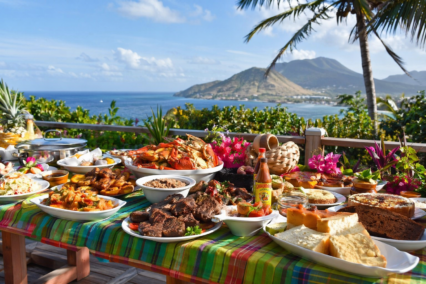
If you are new to this cuisine, it’s good to start with dishes that are well known in each country. Try ceviche from Peru, feijoada from Brazil, and asado from Argentina. These three dishes show different sides of food across the continent.
You can also check out mountain food from Peru, Chile, and places nearby. People there often eat stew, tubers, and even guinea pig in their traditional meals. In Brazil, especially near Rio de Janeiro, meals made from beans are very common. Now, let’s talk more about foods that people new to all this might like, as well as street snacks that are big favourites.
Classic Specialties for Beginners
If you are looking for a simple way to get started, try dishes that people think of right away when they think of each country. Peru, Brazil and Argentina are often the easiest countries to begin with, since their main foods stand out and are well known.
These classic dishes are great if you want your first taste:
-
Ceviche from Peru is a fresh seafood dish. It has a lot of bright taste and is known for its acid and simple flavours.
-
Feijoada is the national dish from Brazil. It is a stew made with beans and slow-cooked beef and pork.
-
Asado is part of Argentina’s cooking, which is all about grilling meat outside. It shows how strong the meat tradition is on the continent.
-
The stew dishes from the Andes show how food from high up in the mountains tastes. You will find this in Peru, Chile and others nearby.
-
Guinea pig is found in old-style Andean food. It shows how some customs from the region are still here.
Every dish tells you a bit more about the country. People like the variety in Peru. Brazil is loved for tasty, hearty food, and Argentina is famous for the way they grill meat. These are good countries to learn more about the national dish and food of South America.
Street Food Favourites and Popular Meals
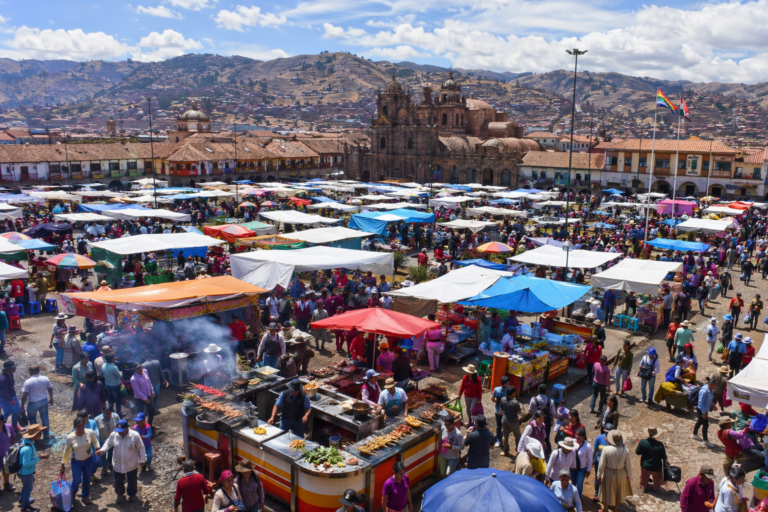
Street eating is a fast and relaxed way to try south american foods. All over the continent, you can see vendors cooking grilled meats, selling snacks, and offering quick meals you can hold in your hand. These options let you taste local flavours without sitting down in a full restaurant.
A few top choices you will see include:
-
Tarateño sausages plus other street foods in Peru, showing how sausages are part of daily eating.
-
Empanadas and choripán in the Pampas, which are big favourites in Argentina and Uruguay.
-
Ceviche-style snacks found in Peru, with lime and chili that make every bite bright and punchy.
-
Sandwich-style meals with lettuce or avocado, or crunchy toast on the side, where what’s fresh at the time is always put in the food.
In big cities and along coastlines, even in places near or in Rio de Janeiro, these quick meals mix freshness and rich flavours. The way street food blends these tastes is what makes it stand out and easy to remember.
Iconic Ingredients in South American Cooking
Some ingredients show up again and again in this cuisine. They shape how the food tastes and even how it comes together on the plate. Things like sweet potatoes, cassava flour, lime, chili, and coriander give a good mix of rich, fresh, sharp, and warm flavours.
You will also see red onion, avocado, lettuce, and ham pop up in lots of regional meals and snacks. Cinnamon is often used in sweet foods and special baked treats. If you want to know how this cuisine works, it’s good to see what each of these foods does when you cook with them.
Staple Foods and Their Culinary Role
What makes South American cooking feel so distinct is the way humble staples carry strong regional identity. A few basic ingredients can shift a dish from rich to fresh, or from hearty to bright, without making it complicated.
Here is a simple text table showing their culinary role:
|
Ingredient |
Common role in cuisine |
|---|---|
|
Sweet potatoes |
Add body, sweetness and a grounding, earthy taste |
|
Cassava flour |
Brings texture and bulk, especially in Brazilian cooking |
|
Red onion |
Adds bite and sharpness |
|
Lime |
Lifts seafood, meats and salads with fresh acidity |
|
Avocado |
Gives creaminess and balance |
|
Lettuce |
Adds freshness and crunch |
|
Ham |
Contributes savoury depth in selected meals |
|
Chili |
Builds heat and intensity |
|
Cinnamon |
Adds warmth to desserts and festive foods |
Together, these ingredients create contrast. That balance of sharp, rich, starchy and fresh is a major reason the cuisine feels different from many other world food traditions.
How Local Produce Shapes Traditional Recipes
Local produce helps shape the recipes because cooks use what is in their own area. In Peru, you get lots of fresh seafood dishes as the coast gives what you need. Up in the mountains, there are more tubers and big, filling meals. If you go to the warmer, tropical places, you find a lot of fruit, fish, beans and roots on the table.
That is why the flavour of food can change so much across the continent:
-
Sweet potatoes and other tubers give the meal body, especially in the cooler places or up high in the hills.
-
Lime, coriander and chili make the food pop with fresh taste, mostly in coastal cooking and street food.
-
Cassava flour gives food its texture and keeps you full, mainly in Brazilian dishes and sides.
You can really taste where a meal comes from. A stew made inland is not the same as a light, fresh dish you will get near the coast. Food around Rio de Janeiro has its own style as well. Cooks do not pick their ingredients by chance. They follow what the land offers.
Vegetarian and Vegan Options
Yes, there are vegetarian and vegan options in South America, even though some countries are famous for eating lots of meat. Many dishes there use beans, corn, potatoes, sweet potatoes, and other plant foods. These can make nice, filling meals.
This means you can eat plant-based foods when you stick to soups, stews, grains, and plates full of fruits and veggies. Things like avocado, lettuce, chili, and cassava flour help you find some lighter meals. Let’s check out the old favourites first, then see how Aussies can make them work at home.
Traditional Plant-Based Dishes
You don’t need to miss out if you like plant-based food. Many old meals in south america use things like corn, beans, tubers and fresh bits from around. Some meals are easy to know by looking at what goes into them, even though there may be a few changes from place to place.
Popular options include:
-
Andean soups or stews that use potatoes, corn and other veggies.
-
Sweet potatoes used as a filling, which is a plant-based food in lots of south america meals.
-
Salads or simple plates that have avocado, lettuce and chili to give freshness and keep things in balance.
-
Cassava flour sides that bring a bit of texture and add more to bean dishes.
The main thing is to see what’s under that usual meat picture. There is a lot of Indigenous food history in south america, and all that old food has lots of easy and tasty plant-based treats.
Adapting South American Cuisine for Aussie Lifestyles
For an Australian home cook, the best way is to stick with the style of the dish. Use things you can get without any trouble. You do not have to follow every detail to enjoy the real feel of south america cuisine.
A good plant-based meal can be beans, corn, avocado, lettuce, and chili. Put these in a bowl, salad, or just a simple plate. This brings a bit of south america to your table. You can also make a soup with potatoes or other veggies and keep the flavours simple.
This is great for busy aussie lives. The cuisine is about easy cooking and strong, fresh foods. Start with fresh things, some starch and balance. Once you get those basics, adding south america vibes to your week is easy.
South American Desserts Australians Will Love
South American sweets give you a feeling of comfort. They are not too fancy. One of the most well-known is dulce de leche. You find it often in Argentina and the Pampas. It brings a rich, milky sweet taste to desserts. Many people in Australia would like it, I think.
Cinnamon is often used in festive baking. Sweet potatoes are part of many old-style recipes. Some sweets use bright lime, and some taste good with toast or simple baked goods. Here are a few easy types and ideas you can try at home.
Sweet Treats and Festive Confections
If you are thinking about if these desserts can be made at home, the answer is yes for many of them. They often use well-known ingredients with straightforward flavours. You won’t need tricky steps.
A few popular sweet directions include:
-
Dulce de leche-based treats from Argentina and the Pampas, like alfajor-style sweets.
-
Cinnamon-led festive baking that gives a warm taste but is not too heavy.
-
Sweet potatoes used in traditional desserts for a gentle sweet taste and texture.
-
Lime added to brighten richer sweets or to create a fresh finish, sometimes served with toast-like baked parts.
These desserts are easy for people to make, because the flavours are simple and direct. There is caramel, spice, and basic starches that fit well in Australian kitchens, even if you are new to South American baking.
Simple Dessert Recipes for Home Cooks
The easiest dessert recipes are the ones that focus on one clear flavour. When you start with that, you can make something South American-inspired. You won’t need any special equipment or a long list of stuff.
Give these simple ideas a go:
-
Use dulce de leche as a filling or on top of biscuits, slices, or soft baked things.
-
Add roasted or mashed sweet potatoes with cinnamon for a warm and tasty base.
-
Make a lime-flavoured sweet that goes well with crisp toast or a plain baked side for something different.
It’s all about getting the right mix. Dulce de leche makes things rich, cinnamon gives warmth, and lime makes it not too sweet. Keep in mind what each flavour does. Home cooking will be less scary and a lot more fun.
Cooking South American Food at Home in Australia
Cooking this cuisine in Australia can be easy if you focus on the broad ideas from the region. You do not have to try to make dishes exactly the same as those in south america. Many recipes use beans, seafood, tubers, grilled meat, and simple sweets.
This lets you use lots of ingredients at home. You can make a bean stew inspired by feijoada. You might have sides with sweet potatoes or cassava flour. Adding fresh lime can make dishes stand out. Even a simple piece of toast on the side can help make a good meal. Here’s how to make it easy in your kitchen.
Easy Recipes with Locally Available Ingredients
For cooks in Australia, the best recipes are those that suit the way we shop. You can bring out the taste of south america by picking produce you can get easily and keeping the basic steps the same.
Good dishes to try include:
-
A stew with beans and meat, or just beans, which takes its cue from Brazilian comfort food.
-
Roasted sweet potatoes served with something fresh and sour, like lime, to give a nice balance.
-
A simple side that uses cassava flour if you can find it, or just use crispy toast when you want a bit of crunch.
These ideas work well because they let you be flexible. You’re not copying every detail from the region. Instead, you use the same base south america is known for—starch, freshness, rich flavours and easy cooking.
Tips for Recreating Authentic Flavours
Real flavour comes from getting the balance right. South American food works because one thing gives the dish body, and the other brings a sharp taste. If you get this pattern, your food will be closer to the style people know and love.
Keep these tips in mind:
-
Use lime to lift seafood, beans or grilled meals.
-
Let chili bring heat, but do not cover up the other flavours.
-
Add coriander when you want that fresh, green taste.
-
Use sweet potatoes or cassava flour to give a meal good texture and depth.
-
Save cinnamon for sweets or special baking days.
You do not need to make the food complicated. You want it clear. A few good ingredients can bring that mix of rich and fresh, earthy and sharp flavours people expect from this cuisine.
Conclusion
As we finish up our South American Food Guide, it’s easy to see that the cuisine there has so much to offer. The food is full of flavour and has many different styles to enjoy. You can find lively street food and learn about the deep culture behind each meal. This has a lot to give to every person. If you are just starting out, you will enjoy tasting the well-known dishes. If you like to cook at home, it’s fun to make real flavours by using what you have in your kitchen. The cuisine in South America is a great and fun way to learn about new food. There is no need to wait, just go and try the veggie dishes or sweet desserts too. There is something for every diet and taste. If you want to find joy in cooking and love to try new things, now is the right time to begin. Enjoy your trip through South American cuisine!
Frequently Asked Questions
Which South American country is famous for its cuisine?
Peru stands out for its food, with strong Indigenous roots and well-known seafood dishes. Still, Brazil is known for feijoada, Argentina has its famous asado, and Chile offers cooking styles that are special to each area. What is the best pick? That depends on if you want the fresh taste from the coast, something filling and warm, or grilled meats.
What foods are popular in South America for vegetarians and vegans?
Popular plant-based foods have sweet potatoes, beans, corn, and potatoes as the base. You can get avocado and lettuce in some of the lighter meals. There is also soup or stew that comes from veggies. Even if you are in a place where people eat more meat, you can still find these basics for vegetarian and vegan meals in many spots on the continent.
Are South American desserts easy to make at home?
Many desserts are easy to make at home. Dulce de leche treats are simple and good for anyone. Cinnamon and sweet potatoes are also easy to use in baked sweets. Lime adds a fresh taste to rich desserts. You can also serve some desserts with toast or just a plain baked base, which makes them handy for home cooks.