Key Highlights
-
Sierra Leonean cuisine is all about its staple foods like rice, cassava, yams, beans, and plantains.
-
In West Africa, Sierra Leone food stands out for its bold flavours, smokiness, and rich types of stew.
-
Some well-loved dishes are jollof rice, groundnut soup, cassava leaf stew, fufu, and akara.
-
Fresh things from the farm, peanut butter, seafood, meat, and leafy greens are used in most of the main meals.
-
In Australia, you will see these dishes bring Sweet Salone cooking to more people, so many can now taste Sierra Leonean cuisine.
Introduction
Sierra Leone gives a special touch to African cuisine that you can taste in every bowl, stew, and rice meal. People often call it Sweet Salone. The food here uses fresh ingredients, rich savoury flavours, a little heat, and a hint of smoke from wood or charcoal cooking. If you are in Australia and want to try these flavours, it is good to begin with the everyday basics. Later, you can move on to the dishes that many people know and enjoy most.
Staple Foods in Sierra Leonean Cuisine
In Sierra Leonean cuisine, there are staple foods that show up in most meals. Rice and cassava are two of the main foods you will see all the time. Yams, beans, groundnuts, and plantains are also used in daily cooking all over Africa.
These main types of food can be part of every meal as the base or served beside a stew, soup, or sauce. People use peanut butter, leafy greens, seafood, meat, and various spices to make their dishes tasty. If you want to know what the main types are, it helps to look at each staple one by one.
Rice, Cassava, and Yams: Core Ingredients and How They’re Served
Rice is at the heart of many meals in Sierra Leonean cuisine. It’s the simple answer to what most people eat in sierra leonean food. People often serve it plain with stew, soup, or a rich sauce. Sometimes, rice is the main course in dishes like jollof rice.
Cassava is another food you will find on the table most days. You will see it in a few forms. One is fufu, which is made when cooked cassava is pounded smooth with a pestle and big mortar. This makes it filling and great with other foods.
Yams are also seen as reliable and filling. Just like cassava and rice, yams are usually eaten with savoury dishes and not on their own. These foods work together as the base for main meals. They show us how the cuisine is both hearty and balanced, making sierra leonean cuisine special.
Beans, Groundnuts, and Plantains: Everyday Basics in the Sierra Leonean Kitchen
Beans, groundnuts, and plantains are basics you’ll always find in the Sierra Leonean kitchen, along with the big starches. They bring protein, extra feel, and comfort to every meal. This mix shows how a typical plate moves from filling foods to something light.
You will often find groundnuts—in all sorts of ways, even as peanut butter—used for stews or to put flavour into marinades. Beans go into solid dishes or get made into a simple snack. Plantains add a soft and sweet touch that goes great next to something savoury. Here’s what you might see:
-
beans pottage as a filling dish
-
bean fritters as a simple snack
-
banana fritters for an easy bite
So, what does all this mean for your plate? Most times, you’ll get some starch, a good rich stew, and something on the side that you eat fried or with a spoon. Sierra Leonean cuisine gives you that balance of being generous but not over the top. You’ll spot this style in many dishes right here in Australia too.
Popular Sierra Leonean Dishes You’ll Find in Australia
When people talk about Sierra Leonean dishes, there are a few that come up fast. Some of the most loved Sierra Leone food you will hear about are jollof rice, groundnut soup, cassava leaf stew, fufu, and akara. These dishes give you a good start when you want to try Sweet Salone.
The cuisine of Sierra Leone is part of a bigger group of food styles from West African countries. Dishes like jollof and akara are also well-known in places such as Ghana and Nigeria. But Sierra Leonean cooking has its own ways, with smoky cooking techniques, lots of rice, stews full of peanuts, and strong-tasting sauces. The next few dishes show what makes this food special.
Jollof Rice, Groundnut Soup, and Cassava Leaf Stew
Some of the most popular traditional dishes in Sierra Leonean cuisine are jollof rice, groundnut soup, and cassava leaf stew. These are among the main meals people often look for first because they show the heart of the cuisine: depth, comfort, and strong savoury flavour.
Cassava leaf stew is prepared with cassava leaves and cooked into a rich, hearty dish. Groundnut soup, sometimes called groundnut stew, uses peanuts or peanut butter to create a thick stew with a smooth, nutty body. Jollof rice brings spice and tomato depth to the table in a more direct, rice-led format.
|
Dish |
What to expect |
|---|---|
|
Jollof rice |
A tomato-based rice dish with bold flavour, often served as a main course |
|
Groundnut soup |
A peanut-rich, thick stew known for its filling texture and deep taste |
|
Cassava leaf stew |
A leafy, hearty stew made from cassava leaves and served with staple starches |
Fufu, Akara, and Classic Street Foods
Not every loved meal comes out as a big plated dish. Fufu and akara are well-known picks in Sierra Leonean dishes. They help show what everyday eating is like in Freetown, from cooking at home to getting street food. These foods show how meals can be both useful and give you a lot of comfort.
Fufu is a soft staple. People pound it, and it is often served with stew or soup. This is a normal meal in Sierra Leone, usually with rich sauces. Akara is more of a simple snack. It is a fried treat, a bit like bean fritters, and it is easy to eat during the day. The taste can get a bit of heat, often from chillies like scotch bonnet peppers, depending on who makes it.
You will often see these patterns:
-
fufu is served with a stew or soup to be a filling meal
-
akara is taken as a snack or just for a quick bite
-
street food here is usually fried and easy to hold in your hand
Conclusion
To sum up, Sierra Leonean cuisine brings bold and rich tastes that show the true spirit and heart of its people. You will find staple foods like rice and cassava, as well as famous dishes like Jollof rice and Groundnut soup. These meals are now loved by many in Australia. Enjoying these dishes helps to keep cultural ways alive and brings people together. Whether you cook often or are just curious about Sierra Leonean food, there is a lot for you to try and like. Don’t miss out – give this tasty cuisine a go today!
Frequently Asked Questions
What are the unique customs and traditions around dining in Sierra Leonean communities?
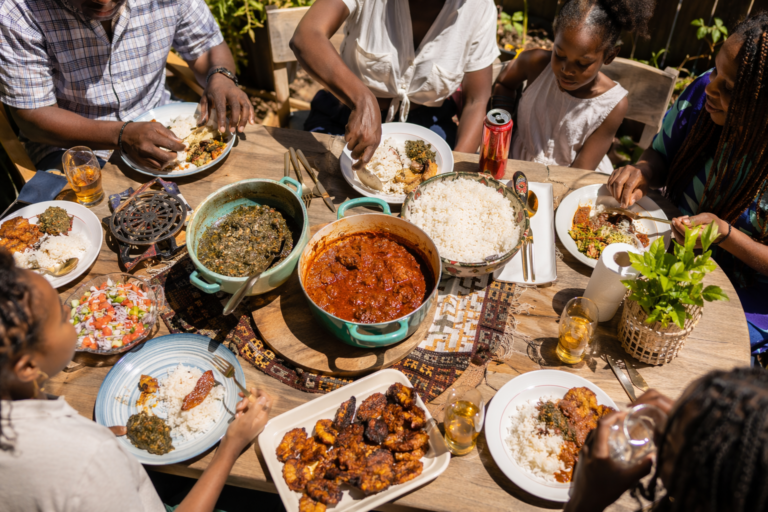
For general information purposes, people in Sierra Leone often share food and eat staple dishes together. The way people eat can be different from one family or community to another. This is true for groups like the Mende tribe too. In Sierra Leonean cuisine across West Africa, the meal is about more than just the food. It’s about being together, showing hospitality, and giving respect to home cooking. Sharing food is an important part of life in Sierra Leone and other parts of Africa.
Which spices and flavours define Sierra Leonean food in Australia?
The main flavours in Sierra Leonean cooking are smokiness, a warm peppery taste, nuttiness, and a deep savoury feel. You will find ginger, scotch bonnet peppers, peppercorns, allspice, and lots of various spices mixed in together. Many dishes and sauces also use coconut oil, which adds to the rich and layered flavours people know and love.
Are there vegetarian options in Sierra Leonean cuisine?
Yes, you can find vegetarian or vegan options, especially in this cuisine. There is a lot of use of plant foods like cassava leaves, beans, groundnuts, and other greens. Vegetable stews or hearty stews work well, too. But some traditional versions can still have animal products, so it’s good to check before you order.