Key Highlights
-
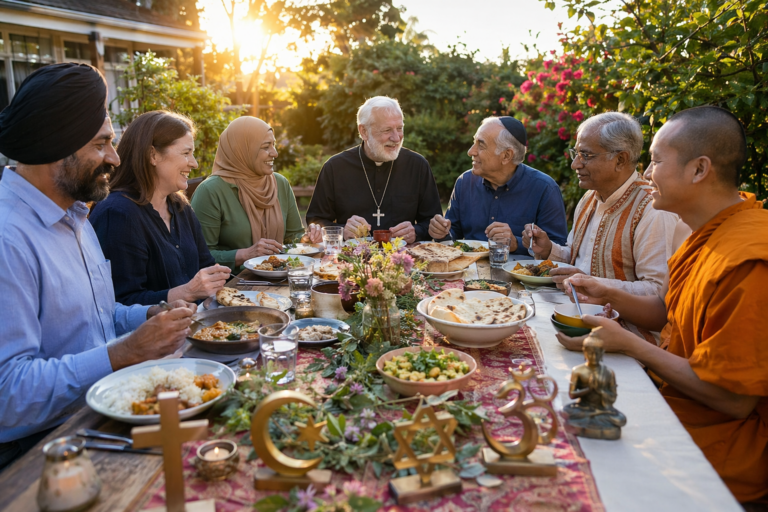
Religious cuisines show the way faith shapes what we have on the table every day, at family get-togethers, and in the big culinary traditions.
-
Many religions use dietary laws to say what people can eat, what to stay away from, and how to prepare some things with care.
-
There are also symbolic foods, like unleavened bread, eggs, dates, and bread and wine, and these carry a lot of meaning.
-
Festival foods be part of fasting, feasting, saying thank you, remembering, or starting things anew for these groups.
-
All over Australia, you can see these traditions popping up in homes, temples, churches, mosques, and at different shared events.
-
This faith-based food culture helps people connect with history, feel they belong, and tells something about their identity with simple, meaningful dishes.
Introduction
Food tells us a lot about faith. All over the world, religious food gives simple things and meals a special meaning. This goes way beyond just taste. This blog shows how culinary traditions are made by what people believe, their memories, and their communities. From holy breads to big festival meals, you can see this. If you are in Australia, you will see many of these in local areas, shops, and parties. Global food traditions still play a big part in everyday life here.
The Role of Religion in Shaping Global Cuisine
Religion shapes the way people eat by bringing meaning and order to meals. In many places, religious traditions and spiritual beliefs guide the foods people choose, the time they eat, and how they share meals. Dietary laws often fit into daily life, not just holidays.
Food also shows who we are and keeps memories alive. Culinary traditions cover things like fasting, offerings, big meals, and symbolic foods. These choices tie people to history and to their beliefs. To get to know this more, look at how faith and religious traditions influence food choices and the common things people share through them.
How Faith Traditions Influence Food Choices
Religious traditions play a big role in what food people eat. There are clear and practical ways that they influence these choices. Most faiths have dietary laws that say what you can eat and what you must not eat. These rules may also say what food should be eaten at certain times. The choices come from spiritual beliefs and are not just about taste.
In Islam, halal food rules mean no pork, no blood, and no alcohol. The laws also give rules for how to prepare meat. In Judaism, kosher food laws guide which ingredients to choose and how to use kitchens. Many Hindus pick vegetarian food because of purity and caring about animal welfare. Buddhist dietary practice often leads people to eat a vegetarian diet and simple dishes, based on the idea of not harming others.
Christian traditions often focus on symbolic foods. They don’t have strict diets for every day, but fasting seasons do change eating habits. In all these religions, food can be something you must offer or something you are told to avoid. No matter what, belief shapes what types of food people choose to eat.
Shared Themes Across Religious Cuisines
Even though the religions might not be the same, you can find the same patterns in many religious cuisines. The food in these traditions has a special meaning. This is true in prayer, times when people remember, and when they observe events during the year. Even if dietary laws change from one religion to another, meals often have the same emotional role.
You can see this in many religious practices:
-
Fasting helps people to show self-control. They think about their lives and try to focus on their beliefs.
-
After fasting, there is often feasting. This is to show thanks, happiness, and to bring everyone together.
-
Symbolic foods help people remember the most important stories and big moments in their religion.
-
Shared meals let families and people in the community feel close and connected.
There are always special foods made for religious festivals, and nothing about these dishes is random. If it is a Passover Seder, an Easter meal, Ramadan iftar, or temple food, these meals link people to their memories and beliefs. It shows that faith-based food culture, with all its special meaning, is something most people can understand.
Symbolism Behind Sacred Foods
There are many sacred foods that matter, not just for their taste or the way people use them in culinary traditions. They are important because of the story, teaching, or blessing each one holds. That is why, sometimes, a simple thing can have a special meaning.
Things like bread, eggs, herbs, dates, and foods offered up become symbolic foods. These foods can stand for freedom, sacrifice, renewal, gratitude, or grace. If you wonder why the same ingredients keep turning up, you will find answers next. Everyday foods and ritual dishes in these traditions have their own sacred meaning, waiting to be noticed.
Spiritual Meanings in Everyday Ingredients
Everyday food can get a special meaning in religious traditions. Spiritual beliefs can turn familiar things into reminders of history, sacrifice, or blessing. Because of this, a simple ingredient at the table can have a deeper role than just to feed you.
Some ingredients stand out in faith-based cooking:
-
Unleavened bread in Judaism and Christianity brings up memories of fast journeys and the past, and shows sacred history.
-
Olive oil shows up in the Bible and means a lot in older Christian food custom.
-
Fish sauce, soy sauce, or sesame oil are used in simple dishes from parts of East Asia, where daily life mixes with rituals.
The meaning comes from the way you use them. Matzah tells the story of the Exodus and freedom. Bread in Christian tradition means the body of Christ and the Last Supper. Even basic staples can be sacred foods when wrapped up in devotion, community, and remembrance.
Ritual Foods for Ceremonies and Blessings
Ritual foods play a big part in many ceremonies, blessings, and religious festivals. These are the foods people cook for a reason, whether it’s for worship, to remember, or to give thanks. The food often becomes a part of the act itself.
Some well-known examples are:
-
Christianity: bread and wine in Holy Communion, which are linked to the Last Supper
-
Judaism: matzah, bitter herbs, and other Passover Seder foods used to remember the past
-
Islam: dates at iftar during the month of Ramadan and special dishes for Eid
-
Hinduism: prasad, temple food, and things like fruits, grains, and sweets that are offered first, then shared
Yes, people do make special foods for religious festivals, and these often help them ask for blessings or show thanks. Ritual foods also make these ceremonies feel more real. You do not just hear about what happened. You get to taste, share, and remember it with others.
Religious Dietary Laws and Restrictions
Dietary laws are rules in religious traditions that help shape the way people eat. These rules guide which ingredients to use, how to prepare meals, and what to eat each day. In some religions, the focus is on being pure and kind. In others, it is about keeping your identity and following important teachings.
Some rules mean you must avoid pork, blood, alcohol, or certain animal food. Other religious traditions prefer vegetarian food or fasting food. To make it easier to compare, let’s look at which foods to stay away from, and what rules are there for making and preparing them.
Foods to Avoid in Major Religions
Food restrictions differ by faith, but they usually reflect values such as purity, discipline, compassion, and remembrance. In Islam, halal food rules forbid pork, blood, and alcohol. In Jewish tradition, kosher food laws exclude certain foods and require careful ingredient selection and handling.
In Hindu and Buddhist settings, many people avoid animal food, especially meat, because of non-violence and purity. Christianity is less uniform in daily restrictions, though fasting seasons have historically limited meat and dairy products in some communities.
|
Religion |
Common forbidden foods or limits |
General reason |
|---|---|---|
|
Islam |
Pork, blood, alcohol |
Quran-based halal food dietary laws, purity and care |
|
Judaism |
Non-kosher food, restricted animal food combinations |
Kosher food laws and religious identity |
|
Hinduism |
Often meat or certain animal food |
Purity, ahimsa, animal welfare |
|
Buddhism |
Often meat in some traditions |
Ahimsa, restraint, mindful living |
|
Christianity |
Seasonal limits on meat or dairy products in some traditions |
Fasting, sacrifice, discipline |
Rules Guiding Preparation and Consumption
Religious food rules don’t just cover what’s in the meal. They are about how you prepare, clean, and eat your food. These dietary laws become part of daily life in the kitchen. For a lot of people, how you handle food is just as important as what you eat.
In halal cooking, animals must be treated and slaughtered in line with religious rules. There’s a focus on respect, staying clean, and making sure everything is pure. In kosher cooking, people pay close attention to where they get ingredients and how they keep the kitchen clean. These rules affect how we shop, cook, serve, and how families set up their food.
Vegetarian food follows set preparation rules, as well. You see this a lot in temple food or fasting meals. In Hindu traditions, prasad is food that’s offered for blessing first, and then everyone shares it. Fasting means using simple ingredients that help support prayer and quiet thinking. So really, different religions keep these food preparation rituals as practical, everyday steps.
Christianity: Food Traditions and Celebratory Dishes
Christian traditions link food with worship, memories, and celebration. Bread and wine are two of the most important symbolic foods. In Holy Communion, people use bread and wine to think about Jesus and the Last Supper. Over the years, church seasons led to time for fasting, and time for feasting, in many places.
Festival foods are a key part of Easter Sunday, Christmas, and other special days. These meals might have loaves of bread, lamb, eggs, and hot cross buns. Families and friends often share these meals together. To understand more, look at the meaning behind bread, wine, and sacred meals.
Bread, Wine, and Symbolic Meals
Bread and wine are at the centre of Christian worship. The church does not use them as just an ordinary meal. These are more like symbolic foods that take people back to Jesus, his sacrifice, and the meal shared during the last supper. Because of this, they hold strong spiritual meaning.
Holy Communion, or the Eucharist, is when Christians use bread and wine to remember the body and blood of Christ. This is one of the best examples of food having a sacred role in Christianity. Here, a simple meal becomes a way to remember and show faith.
There is also a deeper history that connects to old biblical food customs, like unleavened bread and foods found in the Bible such as olive oil, barley, figs, and pomegranates. In Christian traditions, food can help teach belief without many words. One bite can be about memory, worship, and people coming together at the same time.
Special Occasion Foods – Christmas, Easter, and More
Christian religious festivals usually bring families together with food that means a lot to them. Both Christmas Eve and Easter Sunday are very important. The meals on these days show how thankful, happy, and hopeful people feel. The foods served might change in each place, but they keep the same meaning for everyone.
Common celebration dishes often be:
-
Hot cross buns, for Easter and to remind people of the crucifixion
-
Lamb, usually cooked at Easter, as a sign of both sacrifice and a new start
-
Eggs, which stand for new life and rebirth
-
Roast foods and festive loaves of bread, passed around at big meals
In Australia, these religious festivals might look a bit different now. Families there may put a local touch on what they cook, in line with modern times, but they keep the old meaning. For Easter Sunday or Christmas Eve, they might still make the classic foods, even if they use other ingredients or new cooking ways. Special foods are a big part of these festivals. They make the belief of people something real that everyone can enjoy together.
Islamic Cuisine: Halal, Feasts, and Festivals
Islamic cuisine is shaped by the halal dietary laws, daily routines, and times to come together and celebrate. These rules decide what goes into each meal and how it is cooked. Being pure, careful, and thankful are very important in the food you find in this culture.
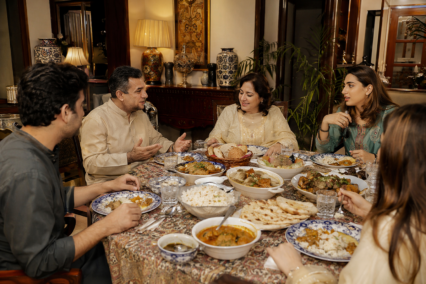
Fasting plays a big role too, mainly during the month of Ramadan. Muslims do not eat or drink from dawn until sunset, then come together for iftar as soon as the sun goes down. Later, festivals like Eid offer a happy change, going from holding back to sharing big meals. In the next parts, you will learn about halal practice and what foods people like to eat during Ramadan and Eid in Australia.
Key Aspects of Halal Food and Fasting
Halal food is food that is allowed under Islamic dietary laws. The Quran gives these rules, and they guide both how to pick ingredients and how to get ready to eat them. Pork, blood, and alcohol are not allowed, but many other foods can be eaten if they are dealt with the right way.
How you get food ready is very important. Animals that are used for food must be cared for and killed in the way told by the religion, with care and clean hands. Halal is not only about what people eat. It also has to do with being pure, being kind, and showing respect for every life. This is all part of the faith.
Fasting in the month of Ramadan is another way that beliefs and eating habits link together. During this time, Muslims do not eat from before the sun comes up until it goes down. When the fast is finished for the day, they often break it by eating dates, which is what Prophet Muhammad did. In Australia, this shapes how Muslim people shop, when they have meals, and how they join with family and the community in real, day-to-day ways.
Signature Dishes for Ramadan and Eid
Ramadan and Eid are times when meals become something special. In Ramadan, people have iftar to get their energy back after a full day of fasting. At Eid, the table is often full of food to share with others. These are times for thanks and celebration. What people cook at these events can change a lot. It depends on where they come from, their family roots, and what is easy to get in their area.
Some favourite dishes are:
-
Dates for breaking the fast at iftar
-
Soups, salads, and snacks that people eat in the evenings of Ramadan
-
Rice dishes are a big part of Eid meals
-
Sweets that people pass around with family, friends, and guests
In Australia, festival meals show off a lot of different tastes and styles. You might find a middle eastern family’s special meal next to food with South Asian spices, or made from local Aussie ingredients. This mix makes Islamic food in Australia unique. But it still keeps the heart and meaning of Ramadan and Eid strong.
Jewish Food Culture: Kosher and Festive Flavours
Jewish tradition connects food with memory, rules, and times to celebrate. Kosher food tells people what they can eat each day, while foods for special times help tell old stories right at the table. This means Jewish food is both useful and has deeper meaning.
You can see this in the Passover Seder. Each type of food on the table teaches something. Other times of the year have their own foods too, each one standing for a blessing, a time to remember, or to hope for a sweet new year. To know more about this, it is good to start with kosher food rules and how people pick their ingredients.
Kosher Principles and Ingredient Selection
Kosher food is food that meets Jewish dietary laws. These rules say what people can eat and how they need to handle the food. This is a big part of Jewish tradition. It helps shape how someone lives each day. It also impacts what people put on the table at home, what they eat during holidays, and how they get and use different ingredients.
So, people who eat kosher food choose their ingredients with a lot of care. They look for foods that follow the dietary laws from their tradition. They also think about how the food is made or handled. This changes how people shop and plan their meals. It also makes a difference in how they use their kitchens day to day.
For people with kosher kitchens, food practice is not just a daily job. It is an important part of their belief. It becomes part of who they are. So if someone asks about dietary laws or restricted foods, kosher food shows how rules and faith shape both what people buy and how they cook each day.
Festive Jewish Foods from Passover to Hanukkah
Jewish festival foods carry a lot of memory and meaning. The Passover Seder is well known for this, with a special meal that helps tell the story of the Exodus. Other holidays, like Rosh Hashanah and Hanukkah, also give us dishes with strong meaning.
Here’s a short list of Jewish cuisine dishes that often show up at main festivals:
-
Matzah at the Passover Seder, which makes us think of moving fast and getting freedom
-
Bitter herbs that help us remember the hard times in Egypt
-
Challah, a bread shared on the Sabbath and holidays to stand for unity
-
Foods eaten at Rosh Hashanah, which are for wishing a sweet new year
In Jewish communities here in Australia, these festival foods are still a big way to show who we are and where we come from. Even when the recipes change to fit what we have or like, the meaning stays strong. That is why these dishes are important. They help us remember the story, keep our beliefs, and hold on to family memories each time we celebrate.
Hindu Dietary Customs and Culinary Rituals
In Hindu practice, people see food as a gift and also as something special that they give. This makes meals important, both for worship and for every day. Vegetarian food, fasting, festival sweets, and temple food all show values like purity, devotion, and care.
These traditions are not only about what people like to eat. They connect with prayer, ritual, and old ideas from ancient India, like respect for life and self-discipline. In the next sections, you will see more about vegetarian food, fasting, temple food, and treats people still enjoy now.
Vegetarianism, Fasting, and Temple Offerings
In Hindu life, people often link vegetarian food with purity, devotion, and kindness. This way of eating goes back a long time in ancient India. It is tied to the idea of ahimsa, which means not hurting others. Many follow this diet, not just for faith, but to care about animal welfare and avoid eating animal food.
Fasting is a big part too. But, it doesn’t always mean you eat nothing. People often choose to eat simple things like fruits, nuts, dairy products, milk products, and certain flours. At the same time, they avoid grains, lentils, onions, and garlic. These new meals help people focus when they pray and learn self-control.
Temple food is special as well. People make offerings to a god, and when they are blessed, the food becomes prasad. Then, that food is shared with others. Common foods include fruits, rice dishes, grains, sweets, and milk products. All of this shows how beliefs shape what people eat and value most.
Festival Sweets and Savouries
Hindu celebrations usually have festival sweets and tasty dishes that people like to share. The food at these events shows joy, warmth, and love for the gods. The things people use for cooking often depend on what is done in temples, family ways, and where someone comes from. You will often see milk products, grains, and fruit in these meals.
Here are some common examples:
-
People make sweets using milk products and sugar. These are first offered and then given around to everyone.
-
Rice dishes and grains are part of special meals and are also used as food offerings, or prasad.
-
Foods with coconut milk or fresh coconut are made for festivals and as offerings.
In Australia, people might use local ingredients for these recipes, but still keep what matters most in the festival. A family could make a dish more simple, swap the fruit or veggies, or cook it another way in a modern kitchen. Even if these things change, the main feeling of the celebration stays. These special foods are important at Hindu festivals because making and sharing them helps everyone feel closer—both to each other and to what they believe.
Buddhist and Jain Approaches to Food
Buddhist dietary practice and Jain food customs both put a lot of focus on ahimsa, which means non-violence. Because of this, many people follow a vegetarian diet and pick simple dishes. They like food that is not too rich or fancy. For them, eating is part of their spiritual work, not just to fill the stomach.
The two traditions also teach restraint and being aware of what we eat. They care about the group too. When people eat in temples or with others, it is a chance to reflect, not just get food. To see how these beliefs shape what people eat, it is good to start with mindful eating, then look at fasting and eating together with others.
Mindful Eating and Ahimsa (Non-Violence) in Cuisine
Ahimsa means not to use violence, and it is at the centre of a lot of Buddhist dietary practice. This idea can lead people to change what they eat. For many, a vegetarian diet helps to show care and stops harm. So, you can see belief shape meals in a clear way, each day.
Mindful eating matters, too. People use care and calm when they eat, thinking about their food. This approach uses simple dishes, and there is less focus on having more or bigger meals. Meals are taken as part of a person’s spiritual path. There is calm, intent, and thanks for food. In Buddhist practice, the food you choose is important, but the way you eat it is important, too.
Shojin ryori is a big part of this idea. It’s a vegan or vegetarian diet that features simple dishes and care in making them. In general, Buddhist dietary practice shows how people can let beliefs decide what foods they have. These choices mix food, care, discipline, inner focus, and ethics all together.
Rituals, Fasting, and Community Meals
Buddhist traditions, and the ones like them, usually have fasting, temple routines, and meals shared together. These things aren’t about big feasts. Instead, they’re about discipline, being generous, and feeling close with each other. When people eat as a group, it can help everyone with their spiritual practice and taking care of the group.
Some often shared foods or ways of eating together are:
-
Temple food that’s served in a simple way, with respect, and everyone eats together
-
Fresh fruits that people give or share during special times
-
Meals from a buddhist vegetarian restaurant, where the simple dishes show the spiritual values
In Australia’s multicultural cities, you will now see these traditions more. Temples, places selling vegetarian food, and spots in the community keep these things going in modern times. So yes, people here do make special foods for religious events, but most of the time, the food is about being simple, paying attention to what you do, and sharing with others, not about making something big and fancy.
Where East Meets West: Blending Traditions in Australia
Australia shows how food tied to faith changes and stays true at the same time. In lots of places here, old recipes are still used, but people might add things they find in local shops. This mix of the old and the new makes food that is both connected to the past and fresh for today.
These fusion foods often come about because people move, live in new areas, or have a range of foods to choose from. You might see a big meal during a festival that follows religion, but it still feels right in an Australian kitchen. In the next parts, we will see how local food goes into old recipes and how these faith-based foods show up when people get together.
Incorporating Local Ingredients into Heritage Recipes
Yes, in Australia, people do mix their religious food with what they find local. Many families hold on to the shape and meaning of heritage recipes but change things like vegetables, what is easy to get, and how they cook it. This keeps old traditions working well in a new land.
For example, at a Christian Easter meal, some families keep the symbolic foods they have always made. They might swap in what is fresh or easy to buy in Australia. When it is Ramadan or Eid, Muslim homes make sure to cook halal. They pick up what they need easily in local stores. Jewish, Hindu, and Buddhist families change food for temples or holidays too, but they follow their own eating rules and keep the focus of the dish.
This is where fusion food takes on real meaning. It is not just a new mix to follow a trend. People think and plan as they change old recipes to fit where they now live and what they remember or believe. In Australian places, new ingredients let people hang on to food rituals. They can share these practices, making sure a bit of home is always a part of daily life.
Faith-Based Food in Australian Communities
Faith-based food can often be seen in homes, places of worship, and local shops all across Australia. At religious festivals, everyone comes together for a meal. The movement of people from different countries has also helped bring old customs into our day-to-day life.
You might spot this happening in:
-
Community celebrations when there is Easter, Eid, Passover, Diwali, or a temple event
-
Restaurants and food shops that offer halal food, kosher food, vegetarian food, or simple dishes from temple cooking
-
Family meals where people mix old recipes with fresh Australian food
In modern times, these ways of eating are for everyone. They change how people enjoy food, and they help to build a strong multicultural area. Curiosity about other religions grows with food too, because having a meal together is one of the best ways to learn about someone’s story, faith, and life. You don’t need a big lesson—just something good to share together.
Conclusion
To sum up, when you look at religious food, you see there is more going on than just eating. These food styles are full of history and meaning. The way people cook and eat shows who they are and what they believe in. If you look at Hindu meals with their special ways, or Jewish food that is full of fun on festival days, you find different stories in each dish. These meals give you a peek at what makes each group special. As you keep on your journey with food, maybe think about trying some of these at your table. You could even cook a few of their recipes in your own home. If you want to learn more about food and faith, you can book a free talk with our team. They will be happy to help you learn more about how food and beliefs go hand in hand.
Frequently Asked Questions
What are some traditional religious dishes I can try at home?
You can try making simple dishes from different religions. For Eid, you could cook middle eastern rice dishes. At Passover Seder, matzah-inspired foods are a nice choice. You can even try making a basic shojin ryori meal. Hot cross buns and temple-style sweets are good for beginners, too. These are all great ways to bring some respect to your home cooking.
How do dietary restrictions in religion affect modern Australian diets?
Today, dietary laws shape how people shop, cook, and eat out in Australia. Kosher food, halal food, and vegetarian food are easy to find because the needs of different faiths are important to the community. These rules help us all pay more attention to what goes into our meals, how we make food, and how we label it with respect.
Are there interfaith or fusion foods popular among Australians?
Yes. In many parts of Australia, you can find fusion foods in the community. This happens when heritage recipes mix with local ingredients and ways people eat together. Some festival foods still hold their religious meaning. But, they also change a bit to fit the Australian kitchen. You see this in jewish communities and in many other groups who try to keep tradition and live daily life at the same time.