Key Highlights
-
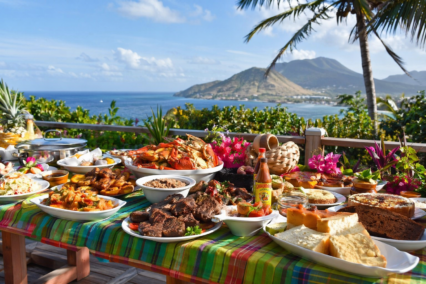
Oceanian cuisine brings together food from the Pacific Islands, Australia, and New Zealand.
-
People often cook with root vegetables, seafood, and coconut for daily meals and special feasts.
-
Polynesia, Melanesia, Micronesia, and Australia all add their own ingredients and cooking styles.
-
Indigenous Australians bring bush foods and old ways that are still a part of Australian cuisine today.
-
Cooking in an earth oven, smoking, and fermentation are still used right across the region.
-
Many popular foods give health benefits with fresh fish, tropical produce, and root vegetables often used as everyday staples.
Introduction
Oceanian cuisine brings together Australia and the Pacific Islands with food that is shaped by the land, the sea, and old ways of cooking. In Australia, you will see these flavours more now as people try out new dishes made with seafood, root vegetables, coconut, and local ingredients. The world of Oceanian cuisine also has clear differences from place to place. Australia, New Zealand, and Polynesia each show their own history of food, cooking styles, and cultural identity. This mix makes Oceanian cuisine feel real but also very new and interesting.
Exploring the Diversity of Oceanian Cuisine in Australia
Australia gives you a wide look at the many cuisines of Oceania. You see Pacific island cooking together with Australian cuisine and new zealand cuisine. This makes a food scene that’s built on many island groups and their local ingredients.
You can see that each area has its own taste. In new guinea, you find meals that use a lot of tropical foods and starchy roots or grains. In australia and new zealand, there is more of a british touch to the food, along with new food trends that are popping up. The next parts show more about how these food traditions are different and how they come together in some ways.
Regional Distinctions: Polynesia, Melanesia, Micronesia, and Australia
Food across this part of Oceania can change a lot from one place to another. This is because the weather, what grows there, and the stories behind each place are not the same. The Polynesian triangle is known for recipes that use taro, coconut, and earth oven ways of cooking. When you look at new guinea and other parts of Melanesia, you will notice many meals come with greens, root vegetables, and seafood. The federated states of micronesia mainly use fish, breadfruit, and taro.
Here are a few easy ways to see the difference between the island groups:
-
Polynesia: you’ll find raw fish, taro leaves, coconut cream, and big earth oven feasts.
-
Melanesia: people eat a lot of starchy roots, greens, and have recipes like Kokoda.
-
Micronesia: meals with seafood, breadfruit, and roasting food over open fire.
-
Australia and new zealand: there is a mix of british-style meals, fresh local produce, and indigenous ways of cooking.
In australian cuisine, these foods from different island groups often show up in new ways. You might get pacific flavours mixed with modern looks on the plate. New zealand usually keeps a close bond with Māori cooking and loves using local ingredients.
Indigenous Influences and Contemporary Twists
Indigenous Australians have shaped Australian food for a long time. They have done this by gathering, cooking, and knowing the land well. Bush foods, like native fruits, spices, and meats, let people eat what was there each season. These old ways still matter. They show how close food is linked to place.
These days, you can see these traditions becoming part of modern Australian dishes. Chefs and home cooks use bush foods with Pacific flavours, too. This shows how old ways and new foods can come together well. It makes food that is local, but still has an Oceanian taste.
You will spot these changes in dishes that mix local ingredients with things like coconut, seafood, or slow-cooked foods. The goal is not to copy other cuisines. It’s a new Australian take on Oceanian cuisine. It honours indigenous australians and what you find in the land.
Essential Ingredients in Pacific Island Cooking
Pacific island cooking is built around foods that are easy to grow, pick, or catch. The main starch in a lot of meals comes from root vegetables. These are a staple food for people living on the islands and they can rely on them all the time. You will see taro, yams, cassava, and sweet potato turning up often. They make meals more filling and handy, too.
Coconut milk is just as important. You will also find it as coconut cream, oil, sap, or even as a sweet thing to add flavour. It helps give both savoury and sweet food that rich taste everyone knows. These local ingredients are what set pacific island cooking apart.
The Role of Root Vegetables: Taro, Yams, Cassava, and Sweet Potato
Across Oceanian cuisine, root vegetables are more than side dishes. They are the main starch that supports everyday eating in many island communities. Taro is especially important, and both the root and taro leaves appear in traditional cooking. These foods are valued because they store well, grow locally, and suit many ways of cooking.
You will usually see them boiled, roasted, steamed, or mashed. Their textures range from soft and creamy to firm and dense, which makes them useful in both simple meals and feast food.
|
Root vegetable |
Common uses |
Flavour and texture |
Health benefits |
|---|---|---|---|
|
Taro |
Boiled, baked, mashed, used with taro leaves |
Mild, slightly sweet, starchy |
Provides energy and useful nutrients |
|
Yams |
Roasted, boiled, served with savoury dishes |
Nutty, sweet, filling |
Nutritious staple food |
|
Cassava |
Boiled or roasted as a hearty base |
Dense, neutral, sturdy |
Good source of carbohydrates |
|
Sweet potato |
Baked, steamed, mashed |
Naturally sweet, soft |
Offers carbohydrates and nutrients |
Tropical Fruits, Coconut, and Nuts in Traditional Recipes
Tropical fruits, like mango, papaya, pineapple, and banana, bring brightness to many island meals. These fruits add sweetness, a fresh taste, and colour to food. You can have them on their own or mix them into savoury recipes. They lift richer foods and help show off the different tastes found in Pacific food.
Coconut is even more important. Its derivative products are used in lots of ways. You will notice coconut in many parts of oceanian cuisine like sauces, desserts, marinades, frying, and drinks. This flexibility makes coconut one of the strongest flavours in island food.
Common ways to use coconut include:
-
Coconut milk and coconut cream in curries, sauces, and puddings.
-
Coconut oil for cooking and frying every day.
-
Coconut sap made into coconut sugar or fermented to make drinks.
-
Nuts and shredded coconut to give texture in both sweet and savoury dishes.
The Importance of Seafood in Oceanian Dishes
Seafood is a big part of Oceanian cuisine, as many island communities are close to lots of water. People eat fresh fish, shellfish, and sometimes seaweed every day and at special events. In a lot of places, shallow waters help the people get what they need for their meals, often on the same day.
For many traditional meals, the goal is to keep seafood simple. This way, the freshness shows. In Australia, people still love fresh fish, but there is a bit more focus on where the seafood comes from, how it is caught, and how it is served too.
Iconic Fish, Shellfish, and Seaweed Recipes
Many old recipes in the Pacific Islands use fish that people catch near the shore. These dishes are made with only a few things. One well-known way is to use raw fish and soak it in lime juice and coconut cream. The acid in the lime makes the fish firm without using any heat. This keeps the taste clean and fresh.
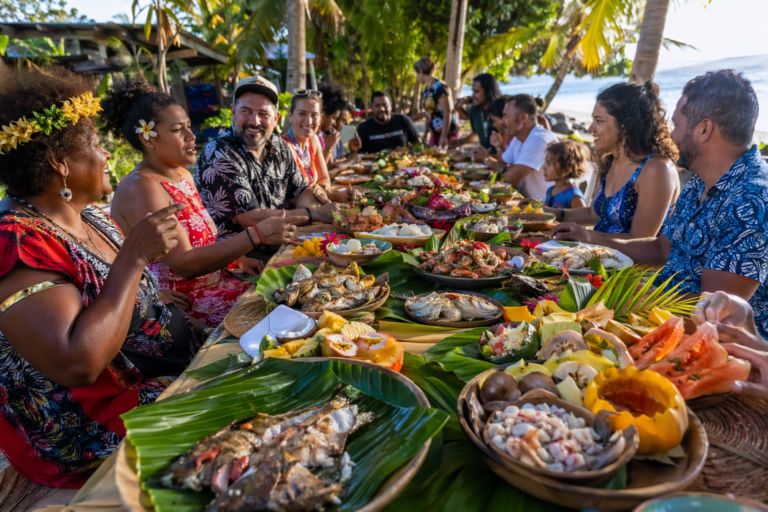
Seafood is also found in feast food. Here, people cook fish, crab, and shellfish in earth ovens. Sometimes, they put out big meals for everyone to share. These dishes are not just good for feeding many, but also mean a lot for culture when people get together to celebrate.
Some well-known dishes are:
-
Kokoda, a Fijian dish that uses raw fish with citrus and coconut cream.
-
Poisson cru in Polynesian cuisine, made with raw fish and fresh veggies.
-
Roasted breadfruit served with seafood in Micronesian meals.
-
Fish and shellfish cooked in earth ovens for group meals, often for big occasions.
Sustainable Fishing and Modern Seafood Trends in Australia
In Australia, looking after where seafood comes from is key for Oceanian-inspired dishes. People value fresh fish here, and it means a lot in the food that cooks make. If this supply is not cared for, it can make these old favourites hard to get and cost more for the people who eat and cook them.
Right now, australian cuisine is changing with new ways to use seafood. You will see more Pacific-style raw fish meals. Fresh coastal seafood, often teamed up with coconut or native things, is easier to find as well. This may feel new, but the roots are still from the region.
Seafood also gives health benefits. It gives people good protein and goes well with meals full of veggies, roots, and fruit. All this helps explain why oceanian cuisine is seen by many to be both good for you and tasty.
Unique Cooking Methods of Oceanian Cuisine
A big part of Oceanian cuisine is the way of cooking. People in the islands have used earth oven methods, fire pits, and smoking for a long time. You will still see these cooking styles when making food for all kinds of gatherings and daily meals. These simple ways of cooking give food deep flavour. It means people get good taste without using fancy tools.
Preservation methods are important too. People rely on old ways like fermentation and smoking to keep food longer in the hot tropical weather. In Australia, these old ways now mix with new recipes. Local adaptations are also added. Next, we will see how that works.
Earth Ovens, Fire Pits, and Traditional Smoking Techniques
The earth oven is a well-known way of cooking for people in the Pacific and New Zealand. People make a pit in the ground, then light a fire on top. They use hot rocks and keep them there until the rocks are really hot. Food like meat, fish, and root vegetables goes on the rocks or near them. Often, the food is wrapped in banana leaves so it stays moist.
Next, they cover the earth oven to keep the heat in. The food cooks slowly for hours until it’s soft and gets a smoky taste too. It’s a good choice for big groups as you can cook a lot at one time.
Fire pits are another way of cooking. These work simply for roasting or grilling food. Traditional smoking is used as well. This help to keep meat and fish for longer and adds more flavour. People in Australia and New Zealand still use these ways of cooking, and some have found new ways to use them today.
Fermentation and Preservation Practices Across the Islands
Fermentation and other preservation methods were made because island people needed good, easy ways to keep food safe in hot weather. These old ways helped everyone have their staple foods last longer and stop so much from going to waste. The old methods also made unique flavours that are still a big part of regional food habits.
Some of these methods were simple but worked well. People made things like fermented starch, smoked seafood, and stored food in oil for a reason. Coconut was really handy too since you can use it in many forms, not just for cooking, but to keep food fresh as well.
Some common examples are:
-
Fermented taro or breadfruit paste, like poi.
-
Fish kept with lime juice, so the acid changes the way it feels and tastes.
-
Smoked fish or meat to help animal products last longer.
-
Food covered or cooked with coconut things to help it keep better.
In Australia today, these old ways are seen more as cool food ideas than something you have to do, but they still help shape the flavour and history of Oceanian food.
Signature Oceanian Dishes to Try in Australia
If you want to try Oceanian cuisine in Australia, start with food that comes straight from the Pacific Islands. You can see the taste of the region in raw fish with lime and coconut, taro sides, coconut curries, and food cooked in an earth oven. These dishes use local ingredients and old ways to be made the right way.
Australia mixes in its own style with cross-cultural meals. Next to famous foods from Polynesia, Melanesia, and Micronesia, you can also find new takes made from bush foods or even bits of australian fast food. This mix lets people find both classic and new ideas at meal time.
Must-Try Traditional Staples and Street Foods
Taking a look at Oceanian cuisine, you will find there are so many must-try classics and street foods. The food in the region is full of color and taste. You should try a Halal snack pack. This dish has layers of grilled meats with fresh salads. It gives you a nice mix of flavors.
You will also want to try some of the local foods, like sweet potato and taro leaves. People in this part of the world like to cook these by using an earth oven or putting them with hot rocks. You’ll see that many meals also use fish from the area and things made from coconut. These ingredients, and the way they are cooked, show what Australian cuisine is all about, and show how close it is to the food of the Pacific Islands.
Highlighting Australian Bush Foods with Pacific Flavour
One good part of eating Oceanian food in Australia is trying bush foods with tastes from the Pacific. Indigenous Australians have used what is found on the land for a long time. Now, these native foods can be found more often in modern Australian dishes. These dishes also bring in ways or touches from island cooking.
This mix makes local food that stands out. You can have coconut, seafood, or sides made from roots next to native fruits, spices, or meats, and it does not feel wrong. Both styles use local ingredients and simple, smart cooking. That is why they blend well.
If you have not tried this before, look for these mixes when you go out for australian food. They help people see how Australian food honors indigenous australians and welcomes big ideas from the Pacific. Oceanian cuisine keeps growing in a real and local way with these new modern australian dishes.
Conclusion
To sum it up, Oceanian cuisine in Australia is full of bright flavours and little bits from many Pacific Islands. There are plenty of tasty root vegetables and sweet tropical fruits in these meals. The seafood is fresh and comes from the ocean, showing what people can get from the sea. Every dish brings a part of culture and brings people together, too.
Old ways of cooking, like using earth ovens and letting food ferment, help keep the old food ways alive. They also make the food taste better and even boost the good things for your body in these meals.
You can try famous dishes or check out new styles, and there is always something for everyone to eat and enjoy. Keen to taste more? Just get in touch if you want to know where to find real Oceanian cuisine near you.
Frequently Asked Questions
What are the typical flavours and spices found in Oceanian cuisine?
Typical flavours in Oceanian cuisine come from coconut, lime juice, fresh seafood, tropical fruits, and earthy starches. In the Pacific Islands, the way of cooking, like using an earth oven or smoking, adds more flavour to the food. They usually use simple spices, so the local ingredients stand out in each dish.
Is Oceanian cuisine considered healthy, and what are its nutritional highlights?
Yes, the food is often seen as good for your health. The main foods are seafood, root vegetables, some tropical fruit, and coconut, all eaten in practical amounts. You get protein from fish. You get energy from the main root vegetables. You also get different things you need from fruits and greens. This mix is why the food gives such broad health benefits.
Where can I experience authentic Oceanian cuisine in Australia?
In Australia, you can find real restaurants linked to New Zealand and Pacific Island groups. These places are often in big cities where there is a mix of food from all over. The best way to try Oceanian cuisine is to visit a small local eatery or check out community festivals and cultural events. Here, people cook island dishes that are hard to get somewhere else. If you want food with a New Zealand touch, these are the places to look for.