Key Highlights
-
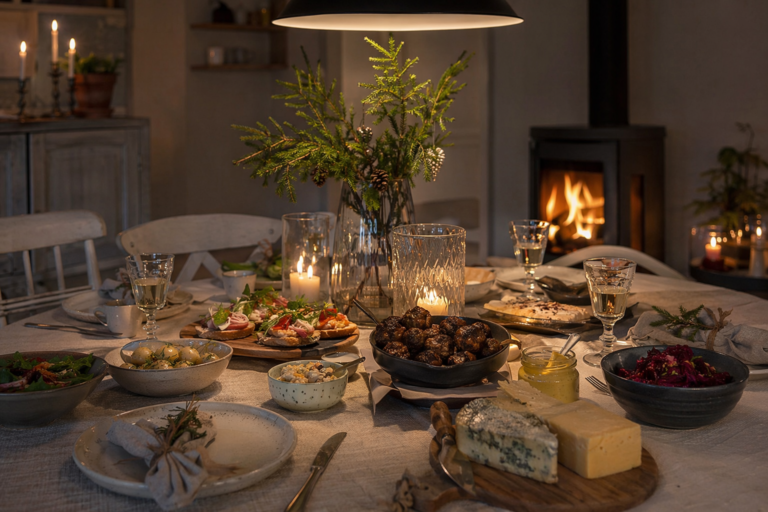
Northern Europe is known for practical and hearty european cuisine. Cold weather and simple staple food options shape most meals in this region.
-
In the nordic countries, people use fish, meat, rye bread, berries, and milk products in their regional cuisine.
-
This guide points out popular dishes that aussies notice right away. Some examples are swedish meatballs and dark rye breads.
-
It also shares why ways to keep food fresh, like drying or smoking, are a big part of northern europe cooking.
-
You will find clear info about the main ingredients, flavours, and food traditions. These are all part of daily life there.
Introduction
Step into the world of northern european cuisine and you see one main idea. The food needs to be filling, simple, and good for a cold climate. Australians find this style of cooking easy to get and also interesting. This type of cooking shows a way of life where there are long, cold seasons. People use preserved foods and local things you get from the area. The meals are honest, with breads, dairy, fish, and other dishes that make people want to sit together and eat. This is what you get in european cuisine—a warm feeling the first time you try it.
Northern European Cuisine for Australians: Nordic Ingredients, Dishes, and Food Traditions
Across northern europe, the way people eat is shaped by the cold weather, coastlines, and being able to store food for a long time. In this regional cuisine, Australians often find popular dishes that come from Denmark, Sweden, Norway, Finland, and Iceland. These countries have different ways of preparing food, but there is a shared style: rye, fish, meat, dairy, berries, and veggies are a big part of what people eat every day.
Nordic cuisine also shows how people learn to live with short summers and long cold winters. You often find a traditional dish that uses cured fish, dense bread, or a warm stew with a tasty broth. Many popular dishes seem simple, but they have a long history behind them. If you want to know more about this food culture, the next ingredients and dishes are a good place to start.
1. Smørrebrød – Denmark’s Iconic Open-Faced Sandwich
If you want to try danish food, Smørrebrød is a simple place to start. Smørrebrød builds a meal around rye bread instead of putting heavy toppings on top to hide it. This gives it a northern European touch. It is both neat and useful, with ingredients that last well.
At the core of this style is a thick slice of rye bread. From there, you get toppings that change with what is fresh, what is left over, and what fits the time of year. Fresh vegetables add colour and taste, and that’s important when so much northern food uses hearty and filling basics.
For Australians, this way of making food is appealing because it feels like a full meal but is not tricky. Out of all the northern European dishes, this one is special as it shows how a thick slice of rye bread and a few good toppings can make an everyday meal stand out.
2. Swedish Meatballs with Lingonberry Sauce
Not many meat dishes are as well-known as swedish meatballs. For most Australians, this is the first taste they get of Nordic-style comfort food. These meals are loved because they are warm, full of dairy products, and use easy, practical ingredients that work for all.
The recipes show that the northern way of cooking often relies on beef, pork, milk, butter, onion, parsley and some spices. This can teach you a lot about what the main ingredient is and how other pantry basics and milk products make up the rest, instead of fancy extras.
-
Lingonberry jam is added in to bring the bit of sweetness people like with their swedish meatballs.
-
The rich taste from sour cream offers that true northern love of dairy.
-
Seasoning stays simple so the centre meat flavour comes through.
This is the main reason why this meat dish is still one of the most popular and liked traditions from the North.
3. Gravlax – Cured Salmon from Sweden
Gravlax is a clear example of how european cuisine can be different in each area. In the north, fish is more than just a treat. It is something people have to have. When you live by the coast and deal with cold weather, the main ingredient in food often comes from the sea.
That is why gravlax fits well. This style of cooking shows that there is a need to save and get seafood ready in ways that match cold weather. When we look at the facts about Icelandic fish, it is clear that drying, salting, and careful work helped people depend on the ocean, especially when the land did not give much.
For Australians, it is easy to get why gravlax is liked. This dish feels clean, simple, and very linked to where it comes from. People often eat it with things like bread and fresh berries to lighten or add something bright to the fish. In northern places, even fresh berries can give a nice difference to the heavy, preserved tastes.
4. Fårikål – Norway’s Traditional Lamb and Cabbage Stew
When people talk about a national dish from Norway, they often mention meals that are good for cold weather. These meals are warming, plain, and simple. Fårikål is a great example of this. It does not have a lot of things in it, but the dish shows what many people think about food from northern Europe. The way of cooking is practical and honest, and it still tastes good.
Time and time again, you can see why these foods came about in places with cold weather. Families had to make food with what was on hand. They made it last, and wanted meals that brought comfort. Stews and slow-cooked dishes, like this, gave them what they needed. A tasty broth was important because it brought both flavour and warmth at the same time.
For Australians, this helps make clear why these types of meals are still a top traditional pick. They are not fancy. But you can rely on them. Much of what comes from northern europe is all about food with substance, not show. That is why these bowls made with meat, vegetables, and tasty broth have stuck around for such a long time.
5. Karjalanpiirakka – Finnish Rye Pies
Karjalanpiirakka shows us something big about Finnish food: rye and other grains are not just extras. They are a staple food. In the northern parts, people used flour-based foods to make full meals. These foods worked well because they kept for a long time and suited the cold.
You will see rye flour used again and again in Nordic cooking. So, you can see why these pies are easy to get. Even if you have not had them before, it is simple to see they fit in with foods like rye bread and soups thick with grain. The point is to have a reliable traditional dish. People do not get fussed; they just want food that works for them.
If you are in Australia and want to make an easy Nordic recipe at home, baking with grain is a good way in. Making something with rye is not hard, and it keeps true to the cooking in this region. It shows how northern food turns simple ingredients into dishes people eat every day. You do not need fancy steps—just some basic know-how, like those who started the tradition.
6. Icelandic Skyr – Creamy Dairy Staple
In icelandic cuisine, dairy products have always been a big part of what people eat each day. The facts collected show that milk products were very important for food during the Viking Age. In a tough land, foods that gave people energy and could be used for meals each day became a staple food.
Skyr is a good example of this idea. It shows the food culture in Iceland that cares about being practical, staying healthy, and using what people know will work. Many foods from places up north are known for fish and meat, but dairy products play a big part too. This is even more true when fresh veggies or fruit can’t be grown all year.
People in Australia might think about breads and sweets first, but creamy dairy foods are worth a look. These foods show another side of how people eat in the north. Dairy staples found with baked treats and sweet desserts help explain how old Nordic traditions often used what their communities could have and keep without worry.
7. Prinsesstårta – Classic Swedish Princess Cake
Not every northern dish is rough or salty. Princess cake shows that people in this region also like to bake when it’s time to celebrate. When you think of well-known northern European treats, princess cake is one of the first names to come up.
There is something special about the way it looks and tastes. The layers of sponge cake are soft and light. The way it’s made, it looks bright and fun, not like your usual plain food. That’s important in a place where a lot of meals use simple, everyday ingredients. Cakes like this are saved for special occasions, so they don’t fill the same spot as bread, fish, or stews.
For Australians, that’s why it’s easy to enjoy princess cake. It brings colour and a bit of excitement to food that some might say is plain. Putting fresh berries on the cake is a nice touch. It goes with the northern love for ingredients that feel fresh, local and right for the season, too.
8. Danish Rugbrød – Hearty Rye Bread
Rugbrød tells you a lot about this part of europe without needing to say much at all. A loaf of rye bread shows things like the climate, how people farm, and what they do each day, all in one go. It is hearty, it is practical, and is right in the middle of many northern meals.
What makes rugbrød different is how it is a dense rye bread. This is not some light loaf you get for show. It is made to be satisfying. People even say vegetable stews go best with a crusty loaf of rye bread, which tells you how important bread is for meals up north.
If you want to know what food is always there in northern european cooking, rye is a clear answer. People in Australia can see why it is loved. Good bread is there to help fish, meat, dairy, or veg meals. It gives simple meals the backbone they need so they can be filling and reliable.
9. Pickled Herring – A Nordic Favourite
Pickled herring is the kind of food that shows you right away if you are in northern europe. People there have always used fish not just because of taste. It was a good way to use what the sea gives and to make sure there is food all year round.
The material puts a focus on how salting and drying fish are simple and useful ways to save food, especially in Iceland. Pickling is part of this same way of thinking about keeping food good for a long time. This helps explain why food from the north can seem plain. For them, it is more about how long it lasts, how good it is for you, and keeping things in balance. They do not try to cover up the taste with strong seasoning.
A traditional dish like this still lets you add something special with simple things like:
-
wild herbs that give a clean and fresh hint
-
gentle seasoning that shows off the fish instead of hiding it
This simple style is part of what makes food from this region stand out, and it is still one of the most well-known and loved nordic food traditions.
10. Rúgbrauð – Iceland’s Dark Rye Bread
Rúgbrauð is a good example of how much icelandic cuisine relies on bread as a staple food. In a place where the land does not give much, good basics are very important. Fish is key to many meals in Iceland, but bread is often what fills you up and helps turn simple food into a proper meal.
Dark rye bread fits in this setting quite well. It is filling, strong, and matches the northern way of picking grains that can keep well and last. The facts show that Icelandic fish is often served with a lot of butter and rye bread. This gives dark rye bread a big role in most daily meals.
For Australians, this traditional dish is a clear sign of the everyday thinking found in the north. It is not made to wow anyone with fancy extras. It is about using staple foods we see in northern kitchens to make something you will enjoy and that fills you up, especially in cold weather.
Key Nordic Ingredients You’ll Find in Australian Kitchens
Many Nordic foods are easier to get in Australia than you might think. You will find that you can get local ingredients here that are a lot like those you find in the north. These include root vegetables, bread that is like rye, fish, butter, herbs, berries, and dairy products. Because these foods are common, it is not hard to make this type of food at home.
A big part of this food style is using simple combos and not rare things. Wild greens, milk products, and strong vegetables like root vegetables are a big part of these meals. If you look at these groups of ingredients, you will see how food from the north keeps its taste, its look, and the way it makes people feel at home.
Root Vegetables, Berries, and Wild Greens
Root vegetables are at the heart of many meals in the north. The stew recipe listed here has a mix of carrots, parsnips, turnips, onions, leeks, cabbage, and beans. These foods were a staple food for many people. They are practical and can be very filling. You will find them easy to use, especially when it’s cold.
Fresh berries had another use. They brought sweetness when people did not have much sugar. During the Viking Age, people got sweet tastes from berries, fruit, and honey. This is why the taste of berries still feels right in Nordic cooking.
Wild herbs and greens were also important. Old recipes looked at green plants mostly as herbs. They used them to bring flavour to simple meals. For Australians, this shows that food from the north doesn’t need to be complex. It needs good, simple things like root vegetables, wild herbs, and fresh berries, used in the right way.
Freshwater Fish, Shellfish, and Game Meats
Fish is a big part of the northern style of cooking. The Icelandic recipe shows that people often had to rely on the ocean to get by, because there was not much to eat from the land. So, seafood became a main ingredient, whether it was eaten fresh, salted, or dried to use later.
Freshwater fish and shellfish were also important. In many northern places, people used what they could get from the local waters and found ways to keep it for later. This hands-on approach to food didn’t just shape meals, but the whole style of cooking in the region.
The same goes for game meats. Diets in the north were based on the protein that was close by, especially during hard times. Australians can see the sense in this—you make your meals with what you have around you, what is useful, and what keeps you going, instead of buying fancy food from somewhere else.
Dairy Products, Cheese, and Butter
Dairy products play a big part in what people from the north eat. The information we have about Viking food shows that milk products like butter, cream, and cheese were very important, especially in winter when people needed more energy. That is why dairy is still so common in many Nordic meals today.
You can find these milk products in simple things like butter, cream, and cheese. When you make Icelandic baked fish, you use butter, cream, and grated cheese. This turns a plain fish dish into something much richer and more comforting. It is a good way to stay warm, not just doing more than needed.
For Australians, it is simple to bring those northern flavours home. You can use butter on rye bread, cream in something like a sauce, or finish off a dish with sour cream. These milk products help soften the strong taste of some foods and make meals feel just right. They also go well with fish, grains, or veggies.
Distinct Cooking Techniques and Flavours in Northern Europe
Northern food traditions come from both need and taste. The style of cooking grew in places with cold weather and short times to grow things. People had to find good ways to keep food for a long time. That is why things like drying, salting, thick soups, and meals with a lot of grains are still good things to know about when you want to get the full picture.
The food collection even shows how some new recipes can go back to the Viking Age, when fish, meat, cereals, vegetables, berries, and milk products were used often. While the new nordic cuisine movement is a more recent thing, you can still see old habits show up in the way people cook now. The next parts will show how these methods and ideas are still part of the area today.
Smoking, Curing, and Fermentation Methods
Keeping food fresh is one of the big reasons northern regional cuisine is the way it is. In places where the weather is tough and the growing season is short, you have to make food last longer. This is why smoking, curing, and fermenting food are closely linked with what people eat up north.
We can see these methods clearly with how fish is used in Iceland. People cooked, salted, and dried their fish because it had to keep for a long time. It was common to use things like fermented shark. That might sound strange, but it shows just how far groups would go to use what they had and save it for later. At first, these were ways to survive, but now they are a key part of the food culture.
For Australians, this makes the taste of northern regional cuisine easier to understand. The flavours might not be strong with hot spice, but there is still a lot of flavour. The taste comes from how the food is made, not what is added in. Smoking, curing, and fermenting do more than just keep food safe. They change how it feels, how salty it is, and how it smells. These food methods are not just for show. They are tools that have been part of developing and keeping this cuisine the way it is.
Seasonal and Sustainable Eating Traditions
Northern cooking has always changed with the seasons, even before it was seen as something trendy. People ate what was available in the land and sea at that time of year. They kept what they could not eat right away. This way of living has a clear link to eating in a way that is good for the land.
The climate and where people lived helped shape the northern european diet in a smart way. If the sea gave more food than what grew on farms, then fish would be a big part of meals. If root crops stayed okay during cold weather, then people ate lots of those. Using local ingredients was not for show. It just made the most sense.
You can see this tradition in a few simple ways:
-
using local ingredients that fit the season and the land
-
preserving extra food so families could still eat well for a longer time
Even now, this old thinking helps people make sense of Nordic food and how it uses local ingredients.
Unique Spices and Seasonings in Nordic Cuisine
People often want to know if the food up north uses special spices. The shared recipes give a clue. This area likes to use seasoning in a light way. They don’t make dishes all about strong spice or heat. Instead, they focus on the main ingredient, and add gentle flavour to help let it stand out.
You see this in the meatball recipe. Small amounts of nutmeg, ginger, pepper, allspice, onion, and parsley go in. The medieval-style stew uses just a bit of thyme, rosemary, sage, bay leaf, and black pepper. These picks show they want balance, not a strong hit of spice.
Wild herbs are important too. When you make a traditional dish, these herbs can add something fresh to fish, grains, or veg, but they do not take over the main flavour. That is why some might say northern food is bland or simple, but that’s not right. The truth is, it is picky. The seasoning is there to show off the main ingredient, not fight with it.
Regional Food Styles Across Nordic Countries
Northern Europe covers Denmark, Sweden, Norway, Finland, and Iceland in this blog’s focus on Nordic topics. Even with these countries, the food changes a lot. It depends on the coastlines, how people farm, and what they do each day. That is the reason the cuisine of denmark is not the same as the food you find in Iceland or Finland.
Still, people in northern europe have some things in common. They all use rye breads and preserved fish. They also use a lot of dairy, berries, and cook in a simple way. The country-by-country look below will help you get which foods are the same and which foods make each place in northern europe stand out.
Danish Culinary Traditions and Flavours
Danish food often feels structured around bread, toppings, and strong everyday staples. Even when the meal is simple, rye bread gives it body. That helps explain why Denmark is so often linked with open sandwiches and dense loaves that support other ingredients.
Compared with some neighbours, danish food is easy for Australians to picture because it feels familiar in layout. A slice of bread becomes the base, and richer items add contrast. The idea works whether you are thinking about lighter toppings or heavier cuts such as roast beef and pork belly.
Here is a simple snapshot:
|
Danish element |
What it suggests |
|---|---|
|
rye bread |
A sturdy base for everyday meals and toppings |
|
roast beef |
A richer, savoury option that suits open sandwich styles |
|
pork belly |
A hearty flavour that matches the region’s practical food habits |
This balance of bread and substantial toppings gives Denmark a clear culinary identity.
Swedish Classic Dishes and Baking
Sweden really shows both sides of Nordic food. On one side, you get swedish meatballs. This is a staple food that is warm and comforting. It has meat, some dairy, and simple seasoning. On the other side, there is princess cake. This treat shows how much Sweden likes baking and celebration foods.
The mix of these dishes is important. It answers a question some people have about nordic cooking. It’s not just fish and dark breads. Swedish food also has soft dishes, sweet foods, and baking that looks nice. Still, the flavours of these meals are gentle and easy for people to like.
For Aussies, Sweden might be the best place to start with this food. The savoury foods are close to things we already eat, so there is no reason to hold back. On the baking side, there is something special and new. By looking at swedish meatballs and princess cake, you can see how there is room for both comfort foods and party cakes at the table.
Finnish Food Heritage and Everyday Staples
Finnish food is about grains, simple living, and meals that fit well into day-to-day life. That is the reason why karjalanpiirakka is a true sign of the food from Finland. It shows a kitchen where daily things matter more than looks.
Rye flour is very key here. You will see again and again on this blog that people use rye for bread, for pies, and for many main dishes from the north. Finnish cooking is all about this. Meals made from grains are steady, not too dear, and easy for daily life.
For Australians, Finnish food can be easy to get into. You do not need a mix of strange or hard-to-find things to enjoy it. Start with rye flour, basic baking, and a love for handy foods that fill you up. This is the best way to get what Finnish cooking is, where you use simple things and use them well.
Icelandic Ingredients and Modern Influences
Icelandic food comes from one big fact: the sea has more to give than land. You can see that in all the information out there, and it is the reason why fish is so important in icelandic cuisine. People found ways to keep their food fresh because the tough environment made it a must.
But icelandic cuisine is not just about fish. Foods like rye bread, called rúgbrauð, and dairy products like skyr show another side. Rye bread with butter and fish is common, and dairy is also in most meals. These foods make sure people get enough to eat and keep well.
Modern styles and new food options come in now, but the main idea stays strong. Australians can spot that too. Icelandic food is still shaped by climate, storing food, and getting by with what’s there, even when today’s dishes use new flavours or ways of cooking those same old foods.
Conclusion
To sum up, getting into Northern European cuisine can bring you lots of great tastes and new food to try. There are well-known foods like smørrebrød and filling meals such as fårikål. These dishes use different ingredients and cooking styles that show how wide Nordic food can be. You will get to find new flavours and also learn about using food that is in season and good for the planet. You might want to make Swedish meatballs or try Icelandic skyr. Either way, there are many good things to taste from European cuisine. It could be fun to have a bit of Nordic cooking in your kitchen. If you want help with new recipes or tips, you can get a free chat with our experts.
Frequently Asked Questions
Which countries make up the Nordic region and how do their cuisines differ?
In this northern europe guide, you will find that the Nordic region has Denmark, Sweden, Norway, Finland, and Iceland. Their regional cuisine is not the same everywhere. It depends a lot on the weather and what food is easy to get. The cuisine of denmark uses a lot of rye bread. When you look at Finnish food, you see many meals made from grains. On the other hand, icelandic cuisine is big on fish, dairy, and food that they keep safe for a long time by drying or other ways.
What are some easy Nordic recipes Australians can try at home?
A simple, traditional dish like swedish meatballs is a good place to start. Australians can also have a go at baking with rye or cooking a veggie stew with root vegetables and herbs. These meals show what the world of northern european cuisine is about, using the staple food that people in that area love. Each of these dishes is easy to make and gives us a taste of european cuisine.
How has the climate influenced northern European food traditions?
Cold winters had a big impact on the northern european diet. People had to focus on storage and ways to keep food good for longer. Filling ingredients were also important. This way of life led to a regional cuisine that used fish, dairy, grains, and root vegetables. People ate what could last, what could keep them warm, and what the land could give all year round.