Key Highlights
-
Northeast India is known for its traditional food that comes from strong tribal flavors, local herbs, and easy ways of cooking.
-
You will get to see special dishes from Assam, Nagaland, Meghalaya, Manipur, Tripura, Mizoram, and arunachal pradesh.
-
Bamboo shoot is in many of the meals, like pork dishes, pickles, and chutneys.
-
A lot of the recipes use things like smoking, boiling, and fermenting so that the food tastes fresh and true.
-
Australian food fans can give noodle soup, rice dishes, salads, and rice cake recipes a go at home.
-
The food also brings health benefits because it uses fresh local ingredients and lighter traditional preparations.
Introduction
If you have only tried the usual indian cuisine, then northeast india will feel new and fun. The most real dishes there come from home cooks, village families, and big parties, where the local taste is strong. You will find smoked pork, fish curry with a good tang, rice cake, noodle soup, and fermented fish cooked with herbs found nearby. For australian readers, this food lets you see another side of india that is not all about strong spices. Instead, it is about flavor, smell, and the place it comes from.
Exploring Northeast Indian Cuisine: Tribal Flavors and Regional Specialties for Australian Food Lovers
Across north east India, the food changes as you move from one valley or hill town to the next. Each state in the north east has its own special dishes. People there use local ingredients, simple cooking, and deep food memories.
If you want to make some recipes at home, try dishes like khar, thukpa, eromba, pitha, or smoked pork with bamboo shoot. These meals use rice, meat, herbs, bamboo shoot, fermented foods, and vegetables in smart and tasty ways. Now, let’s see what each state brings to the plate.
1. Assam’s Khar: The Quintessential Tribal Delicacy
In Assam, khar is one of the well-known traditional dishes that really shows the region’s north east flavours and its food style. It is often mentioned with fish that is cooked using colocasia leaves, smoked fish, and filling pork curry. For many people who live there, khar is not just a part of the meal. It is the taste that makes home feel like home every day.
What makes food in Assam special is the use of local ingredients and using only a little bit of seasoning. Cooks in the state often use vegetables, herbs, chilli, ginger, and garlic. They do not use much oil or thick gravies. This makes khar taste clean and simple, which is very different from other richer types of Indian cuisine.
If you want to know more about what goes into North East Indian cooking, Assam points you in the right direction. Things like mustard greens, colocasia, smoked fish, pork, chicken, garlic, chilli, and other fresh local produce are all used. Khar is a really good place to start if you want to understand these traditional dishes.
2. Nagaland’s Smoked Pork with Bamboo Shoot
In Nagaland, smoked pork with bamboo shoot stands out as one of the must-try dishes. This pork dish is at the heart of naga cuisine. It uses smoke, fermentation, herbs, and simple cooking to bring deep taste of the dish, instead of using thick sauces. It feels bold, savoury, and the flavour is hard to forget from your first bite.
The food scene across Nagaland is also pretty unique. On a usual plate, you might see sticky red rice, pork curry, smoked chicken stew, and fish chutney. Sometimes, you get dishes like yam curry with roselle ginger. Many meals use axone, which is a fermented soybean. It has a pungent smell and adds a special local flavour that most people in north east regions love.
If you are a food lover from Australia, smoked pork with bamboo shoot is a good way to start with North East Indian dishes. It’s both well-liked and full of taste. This pork dish also shows how local ingredients help make strong, direct flavours that lift the taste of the dish.
3. Meghalaya’s Jadoh: Aromatic Rice and Meat Dish
In Meghalaya, many people talk about jadoh first. It is a rice and meat dish that comes from Khasi food culture. Lots of people say it is the most popular local favourite. You can find it with sticky red rice, or sometimes it is part of a bigger plate. With its simple but rich flavours, jadoh shows that traditional preparations don’t have to be hard.
The food culture in Meghalaya comes from the Khasi, Garo, and Jaintia tribes. Each group has its own way of doing things. Along with jadoh, you will see smoked pork, black sesame pork, dishes with fermented soybean, and bamboo shoot that is pickled. Fresh organic vegetables and juicy fruits are also a big part of these meals. They give the food a nice balance and fresh taste.
If you want to try famous tribal flavours or other unique types of north east Indian cuisine, jadoh is a great choice. This dish is about everyday cooking, the way people come together, and how rice and meat dishes are important for local life.
4. Arunachal Pradesh’s Thukpa: Hearty Noodle Soup
In Arunachal Pradesh, thukpa is an easy dish for beginners to try. The warm noodle soup is loved in places like Tawang. The food here shows a strong Buddhist and Himalayan touch. This meal is filling, handy, and good when you want something new for your taste buds but also still want that comfort food feeling.
The way people cook thukpa here is all about their homegrown veggies, meat, bamboo shoot, chilli, and sometimes tasty things like fermented dairy. You may also see momos on the menu, dishes made with millet, and fresh chutneys such as chamin, which is just ground chillies mixed with fermented cheese. Another famous drink here is butter tea, made with yak butter.
What helps thukpa stand out is the balance. The broth, noodles, and local spices come together in the bowl, creating a taste that is both fresh and feels safe. For Australians wanting to cook North East recipes at home, this noodle soup is a smart first pick.
5. Manipur’s Eromba: Fermented Fish and Vegetable Mash
In Manipur, eromba is a main food and a clear sign of true local cooking. The dish is made by boiling and mashing up vegetables with chilli paste and ngari. Ngari is a type of fermented fish that gives a strong, savoury taste. The pungent smell of eromba can be quite strong at first. But when it is all put together, the food is rich, warm, and has a lot of history.
Eromba is often eaten with herbs and toppings like onion, spring onion, coriander, and basil. That bit of freshness is important. It balances the pungent smell from the fish and makes the mashed up vegetables taste much nicer. In Manipuri cuisine, local greens and homegrown herbs are not just little extras. The food needs them to be complete.
If you are keen to know what things you will find in north east Indian food, Manipur gives you a good idea. Fermented fish, chilli, herbs, vegetables from the garden, and an easy, natural way of cooking are all part of the taste. Eromba pulls all these things together and gives you a good, healthy dish.
6. Tripura’s Chikhvi: Stir-Fried Bamboo Shoot and Pork
Tripura is not talked about in detail in the notes, but we see chikhvi is the main dish from the state of Tripura. Here, it’s a stir-fried dish made with bamboo shoot and pork meat. This mix matches what you find in the food from most northeastern states.
This makes a lot of sense. In that part of India, you often find bamboo shoot with meat, pickles, chutneys, or even boiled vegetables. Pork meat is a common dish in many sister states, especially where tribes cook their own traditional food with local herbs. They use practical ways to cook, sticking with what grows nearby.
If you are reading this in Australia, chikhvi gives you a hint into north east Indian cuisine. The food is about simple ways with strong ingredients. Bamboo shoot brings a crunchy bite and bold smell. The pork meat makes it rich. Even if they don’t use many spices, the dish still tastes full and clear. It’s very satisfying and shows what people in the state of Tripura and other northeastern states like to eat.
7. Bamboo Shoot Specialties Across the Northeast
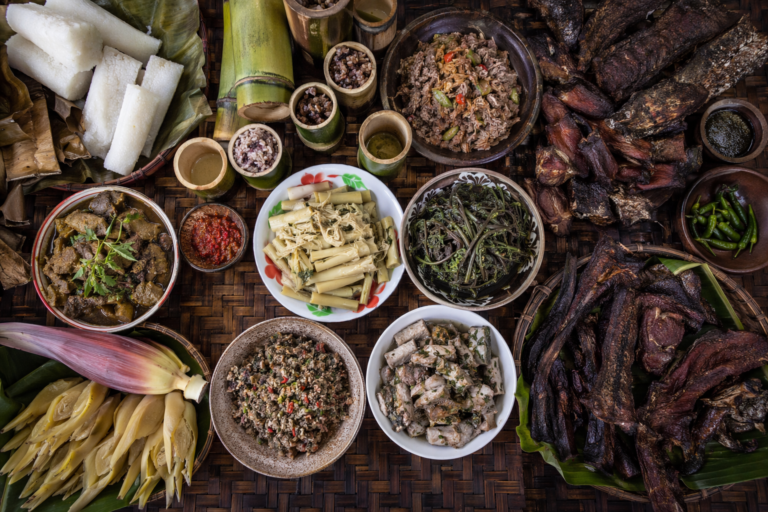
Few things show North East Indian food like bamboo shoot does. You will see it in many states in special dishes, sauces, pickles, chutneys, and meat recipes. Its charm is in how you can use it in different ways. Bamboo shoot can taste earthy, strong, or a bit sour based on how you make it.
Here are some ways to cook and eat bamboo shoot mentioned in the material:
-
With smoked pork in Nagaland and in other pork dish recipes
-
As a sauce with boiled veggies and meat in Arunachal Pradesh
-
In pickles and chutneys mixed with local dishes
-
With pork fat in Arunachal Pradesh’s pika pila
For Australians, bamboo shoot is good to try first because it connects many local dishes. Once you get how bamboo shoot fits in, the food map of northeast india gets easier to understand as you move between states.
8. Assam’s Pitha: Traditional Rice Cakes
In Assam, pitha shows the sweeter part of north east India’s food culture. The main writeup might talk a lot about savoury food, but the northeastern states are also known for some great sweet dishes and desserts. When you think about the sweet side, pitha is, the rice cake, stands out in Assam’s local food story.
Rice is a key part of life there. People use rice flour, rice powder, or sticky rice in many ways over the region – in sweets for festivals, as sides, or in main meals. So pitha is something that feels everyday and special, and it fits well in the north east.
If someone asks what they should try from north east India, pitha should be on the list. The food is more than just pork curry, fish curry, or meals with fermented foods. It includes tasty rice cake ideas, which remind people of family, good times, and special days.
9. Mizoram’s Laksa: Signature Fish Curry
The outline talks about Mizoram’s laksa as a well-known fish curry from the north east. In this blog, it’s used as one example of the many dishes in north east Indian cuisine. This shows there is more to the food there than just what the other, more popular states offer. The notes put together here do not go into much detail on Mizoram, but the name of the dish tells you the people there like fish, soups, and meals made with their own local ingredients.
This matches what you see across the north east when it comes to food. Take Assam as an example. People there cook up a fish curry with elephant apple, cherry tomatoes and colocasia leaves. These food combos show that tangy fish curry in the north east often comes from what grows around them and not from using lots of heavy masala spices.
For people in Australia who are interested in food, Mizoram’s laksa might be a good way to start with north east Indian cuisine. If you already enjoy seafood and like curries that are not too rich, then this kind of dish should feel easy to try. It makes one thing clear about north east, tribal flavours and other local dishes: they come from the people right there, they change with what’s around, and they really stand out with their own identity.
10. Manipur’s Singju: Spicy Vegetable Salad
In Manipur, singju is a spicy salad-style dish. This fresh side dish shows that north east Indian food is not just about meat dishes. The region may be known for pork, fish, and things cooked over smoke, but there are still many lighter plates. These fresh options stay key for each day’s meals.
From the gathered information, it’s clear that manipuri cuisine uses herbs, garden vegetables, and has many recipes made with plants. A meat-free thali can have more than 20 dishes. You might find things like hawaijar, kanghou, chamfoot, lentils, and mixed veggies, all cooked the old, traditional ways. That gives us the bigger picture, where singju fits well in this vegetable-focused food style in North East.
For Australians, singju is easy to understand. It brings spice, crunch, and fresh flavour, instead of a heavy curry or a vegetable stew. It is also a good answer if you wonder about what makes these dishes taste great—local greens and herbs play a big part in the flavour.
11. Fermented Soybean Dishes (Axone, Hawaijar)
Fermented soybean is a big part of traditional food in the north east of India. In Nagaland, axone is known for its strong taste and pungent smell. People use it in dishes like smoked pork with axone. This gives naga cuisine its bold and clear identity.
In Manipur, hawaijar is found in vegetarian thali. This shows another side of the tradition. The fermented soybean is served with vegetables, herbs, and simple home cooking. The smell may be tough for someone new, but the strong scent is part of why it is special. It makes the food feel real and true.
If you want to know what the most real dishes from north east Indian cuisine are, those with fermented soybean stand out. They show the value of preserving food, the depth in flavour, and how ingredients change over time. This is more important than long spice lists. It is what makes the region and its food unique.
12. Local Teas and Rice Beers: Sip the Region’s Best
In northeast India, drinks are just as important as food. In Arunachal Pradesh, butter tea made with yak butter stands out as a local drink, especially up in the cold hills. It shows us something about the weather, the culture, and how people get their food.
Rice beer is also a big part of traditional food in Arunachal Pradesh. Apong or Chang is served at special occasions like births, deaths, moving into a new house, and at festivals. Every group makes their local rice beer a bit different. The smell and taste help shape who they are.
Over in Nagaland, zutho is well known. It’s a rice beer that belongs to the Angami Nagas. For Australian travellers or keen cooks, these drinks show the real heart of North East Indian cuisine. North east is not only about food. It’s about special occasions, welcoming people in, and sharing stories around the table.
13. Wild Edible Greens and Indigenous Herbs in Daily Meals
One big part of North East Indian food is the use of wild herbs, local herbs, and fresh leaves that people pick and use every day. When you look at Manipur, you will see that many homes have small gardens out the back where they grow their own organic herbs and veggies.
Some herbs used are Mexican coriander, lemon basil, chameleon plant, Vietnamese coriander, mint, Hooker chives, and Chinese chives. These local herbs are not there just for show. They help give food a good smell, fresh taste, and keep things balanced in the dish, whether it is eromba or a simple vegetarian thali.
This is one way the north east stands out from other Indian cuisine. Local greens and local spices play a big part here, often more than strong masalas do. For people in Australia, this means the food is full of flavour but does not feel too heavy. When you spot how herbs are used, you might find the food makes more sense.
Unique Ingredients and Cooking Techniques of Northeast Indian Cuisine
People in northeast India often cook with bamboo shoot, fermented fish, fermented soybean, local herbs, chilli, ginger, garlic, rice, pork, chicken, fish, and seasonal vegetables. The same local ingredients show up over and over across the area.
The way food is made is just as important. Traditional preparations like boiling, smoking, fermenting, and preserving bring out the flavours in the meals people eat each day. These methods let the local ingredients shine. The next sections will talk about these cooking ways and how they make the cuisine special.
Use of Fermentation, Smoking, and Sun-Drying
Fermentation stands out the most in North East Indian food. You can spot it in ngari from Manipur, axone from Nagaland, hawaijar in a Manipuri thali, fermented cheese from Arunachal Pradesh, and pickled bamboo shoots in Meghalaya. These things give the food a deep taste. They make the local dishes special and give them a strong feel of where they come from.
Smoking is also key. You find smoked pork, smoked chicken, smoked fish, and smoked dry meat popping up in these notes. Smoking changes how the food feels and smells while helping keep it good for longer. In the local dishes of the north east, this way of cooking adds flavour. You don’t need heavy gravies or lots of oil.
The notes don’t go deep into sun-drying, but you can see that keeping food fresh is part of their ways of cooking. Overall, the use of fermentation, smoking, and other methods shows how north east Indian cuisine, including dishes from Arunachal Pradesh, stands apart from other Indian food. The tastes are made by how the food is handled, not just by spice.
Indigenous Spices, Aromatics, and Wild Herbs
North East Indian food is often a surprise to people who try it for the first time. The flavour base is not the same as what most think of when it comes to indian cuisine. Cooks here use local spices and wild herbs. They also use sharp aromatics in the dish. This makes the food taste clean and direct. It feels local and fresh.
In notes about north east cooking, people keep talking about the simple way they season dishes. Chilli, ginger, garlic, and herbs from the region are common. For Meghalaya, purambhi masala is part of Garo cooking. In Manipur, people use lots of herbs every day. These local spices work with the ingredients. They do not cover up their taste.
Common ways to build flavour in north east indian cuisine include:
-
Chilli, which gives warmth and a sharp kick
-
Ginger and garlic, used in both meat and veg dishes
-
Fresh herbs like lemon basil, mint, and chives
-
Regional leaves and aromatics, instead of the usual bay leaves-heavy blend
This simple use of local spices shows what north east food is all about.
Role of Bamboo Shoots, Fermented Fish, and Soybeans
Some ingredients appear so often in the compiled material that they act like a key to the whole region. Bamboo shoot, fermented fish, and soybeans are among the most important. Each one brings a clear identity to local food and reflects traditional ways of preserving and enhancing taste.
They also answer a common question about authentic dishes. Many of the most memorable recipes from the northeast depend on one of these as the main ingredient or as a defining flavour element. Once you learn their roles, menus become easier to decode.
|
Ingredient |
Role in dishes |
Examples from compiled information |
|---|---|---|
|
Bamboo shoot |
Adds bite, aroma, and regional character |
Smoked pork with bamboo shoot, pickles, chutneys, condiments, pika pila |
|
Fermented fish |
Brings strong savoury depth |
Eromba with ngari, favourite fermented fish use in Manipur |
|
Soybeans |
Adds fermented richness and pungency |
Axone in Nagaland, hawaijar in Manipuri thali, soybean in millet dish condiments |
Influence of Tribal Traditions on Culinary Practices
The food in the sister states can’t be explained without looking at tribal ways. All the main dishes and snacks come from groups like the Khasi, Garo, Jaintia tribes, Angami Nagas, Monpas, Apatanis, and more. What they eat, the way they make it, and the times they have food – all come from their culture.
In Meghalaya, you will see that the Khasi, Garo, and Jaintia tribes use their own recipes and ways to cook. In Nagaland, each tribe has their own traditional plates and uses things like axone, but each does it their own way. Arunachal Pradesh also shows big differences, with communities like the Monpas and Apatanis keeping their own food choices.
That’s why tribal flavours are a big deal. There is not just one style of north east traditional food. It is a mix of local habits, passed down recipes, and what each group likes. That mix makes the region good for people who like to try new dishes.
Popular Vegetarian and Non-Vegetarian Options for Australian Foodies
Many people think northeast india is just for those who eat meat, but that is not right. There are plenty of non-vegetarian meals like smoked pork, fish curry, and dishes with chicken. But you will also find good vegetarian food that is part of daily life.
For Australian foodies, that is good to hear. You get to try all types of meals. There are plates full of herbs, mixes of veggies, plus pork curry and meals with duck meat that come from local ways of cooking. Let’s look at some options here that are easy to try.
Authentic Vegetarian Dishes from Northeast India
Vegetarian dishes in northeast India focus on fresh flavours, herbs, and simple cooking, instead of using heavy sauces. The notes list some meals like Manipuri vegetarian thali, Maroi thongba with Chinese chives leaves, chamfoot, kanghou, lentils, and lots of vegetables cooked in traditional ways. These meals show that the region offers much more than meat dishes.
In Meghalaya, travellers got to enjoy a tasty vegetarian meal made with little oil and not too many spices. Organic produce is a strong point there, and local greens make the food look bright and taste good. This style is nice if you like home-style food that feels lighter.
If you want a complete meal, end with black rice sweets such as chahao kheer from Manipur or give sticky rice cakes and other comfort food a go. The notes might not talk much about banana flower or vegetable stew, but overall, it’s clear: there is real respect for vegetables here, and they are always used in traditional ways.
Signature Non-Vegetarian Specialties to Try
The non-vegetarian part of North East Indian cuisine is wide and full of taste. In Assam, you get fish curry with elephant apple, fish made with cherry tomatoes, smoked fish, pork curry with urad dal, and pork curry cooked with lai sak or mustard greens. These meat dishes always use what is fresh and local, so you get real flavour.
Nagaland brings smoked pork, smoked chicken stew, fish chutney, and pork curry you will find at festival food stalls and homestays. When you go to Arunachal Pradesh, you will see boiled chicken, pork, beef, and Lukter, which is made with smoked dry meat and chilli flakes. Pika pila mixes pork fat with bamboo shoot and chilli for a strong local sauce.
The information does not go into duck meat, but it does show one thing clearly—if you like strong non-vegetarian food, the north east gives you some of the most unique versions in the country. Pork and fish curry are great dishes to start with.
How Northeast Indian Cuisine Differs from Other Indian Food Traditions
So, how does northeast india stand apart from other indian food? The main thing is, it uses special ingredients like bamboo shoot, fermented fish, fermented soybean, wild herbs, and some greens found only in that area. You will not see lots of heavy spice mixes used here.
People in northeast india like to boil, smoke, and ferment food. Many dishes have less oil and not as many mixed masalas. The star is the ingredient itself. That makes the food feel lighter but you still get a real strong taste. The next two parts will show you how this works in simple steps.
Distinctive Flavours, Ingredients, and Regional Techniques
The unique taste of North East Indian food comes from mixing strong flavours. In one meal, you might get a smoky flavour, a sharp taste, a bit of sour from fermentation, a lot of fresh herbs, and some natural sweetness from vegetables or rice. This is not like the food you see in many Indian restaurants, where the sauce or lots of spices are everything.
Local ingredients change the taste of the dish in a big way. You will find elephant apple in an Assamese fish curry, bamboo shoot with pork, fermented fish in eromba, and fermented soybean in axone or hawaijar. These things make north east food what it is. You cannot swap them for something else, because they are at the heart of the cuisine.
The ways that people cook are just as important. They smoke meat so it lasts longer and gets that rich smell. Fermentation brings a savoury taste you will not get in any other way. Boiling keeps the taste of all the local ingredients fresh and clear. If you are from Australia and you know strong flavours but not all these ways of cooking, north east cooking might be new. But there is a nice balance as well, so it is worth a go.
Cultural Influences Shaping Local Gastronomy
Local food in the northeast comes straight from the everyday life of people there. The food is shaped by tribal identity, the story of where people came from, the weather, how they farm, and their festival routines. Because of that, what the people eat in one hill district may be really different from what the next district has on its plate.
The facts show that groups like the Khasi, Garo, and Jaintia tribes in Meghalaya, Angami Nagas in Nagaland, Monpas in Tawang, and Apatanis in Ziro Valley all have a big part in shaping the food. Their meals are deep in tradition. That covers rice beer used in ceremonies, tasty chutneys, all kinds of meat dishes, and a mix of herbs.
You will spot how different the food is in local markets, restaurants, homestays, and at festival spots like Hornbill Festival. You may not see street food called out a lot in notes, but you get the picture in full. The cuisine is simple, homegrown, made fresh, and stays close to the people who keep these flavours alive.
Conclusion
Northeast Indian cuisine brings many tastes and food traditions, and they are sure to win over people in Australia. You get the rich and smoky taste of pork from Nagaland. In Meghalaya, you can try rice that smells and tastes great. Each dish has a story from tribal life. Special ways of cooking, like fermenting and sun-drying, make the food even better and show how strong the food culture is in the region.
Trying these different dishes lets you find new flavours and enjoy something special. If you want to know more about this food trip, you can book a free chat to see how to add these tasty Indian cuisine flavours to your meals.
Frequently Asked Questions
What are some easy North East Indian dishes Australians can cook at home?
Australians can try dishes like thukpa, pitha, or a simple kind of eromba. You can make these with local ingredients that you have at home. These meals come from the northeastern states and are a good way to taste traditional food. They also feel like comfort food, but are not too bold or hard to make. If you want a lighter meal, these might be the way to go. They are easier to get into than street food or strong festival food.
Where can Australians find authentic Northeast Indian ingredients and recipes?
The information put together shows restaurants, homestays, and food travel in this region, so the best way to find out what is real and true is by checking local markets and food places in Northeast India. If you want recipes, try to find ones that talk about traditional food and local dishes from each state. It is better than using big Indian cookbooks that try to cover all dishes from all the areas.
Are there guided culinary tours or food experiences focused on Northeast Indian cuisine?
Yes. The material is all about a food trip across northeast india. It talks about restaurants, towns, festivals, and homestays. You get to try local dishes, special dishes, and drinks like rice beer or local rice beer. These guided food trips are a good way if you want to know more about the area.